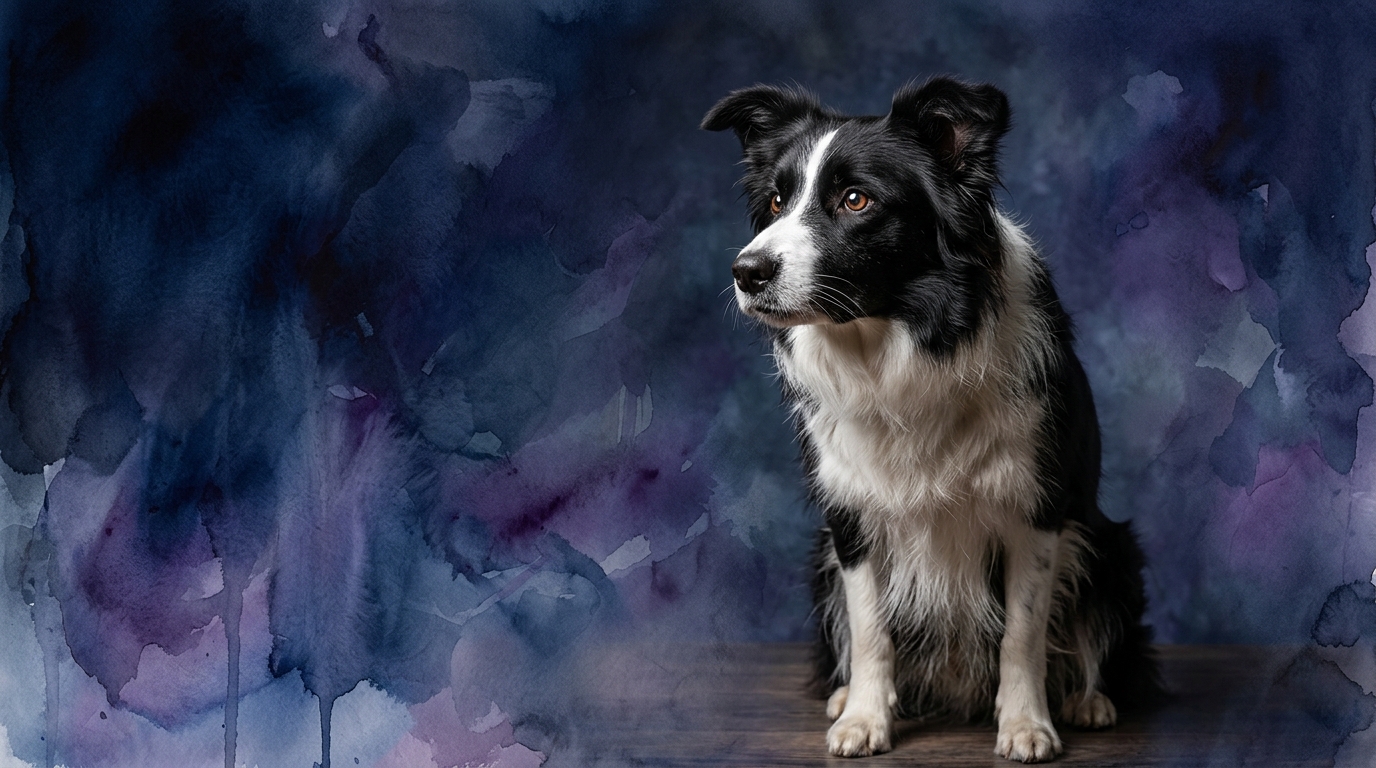
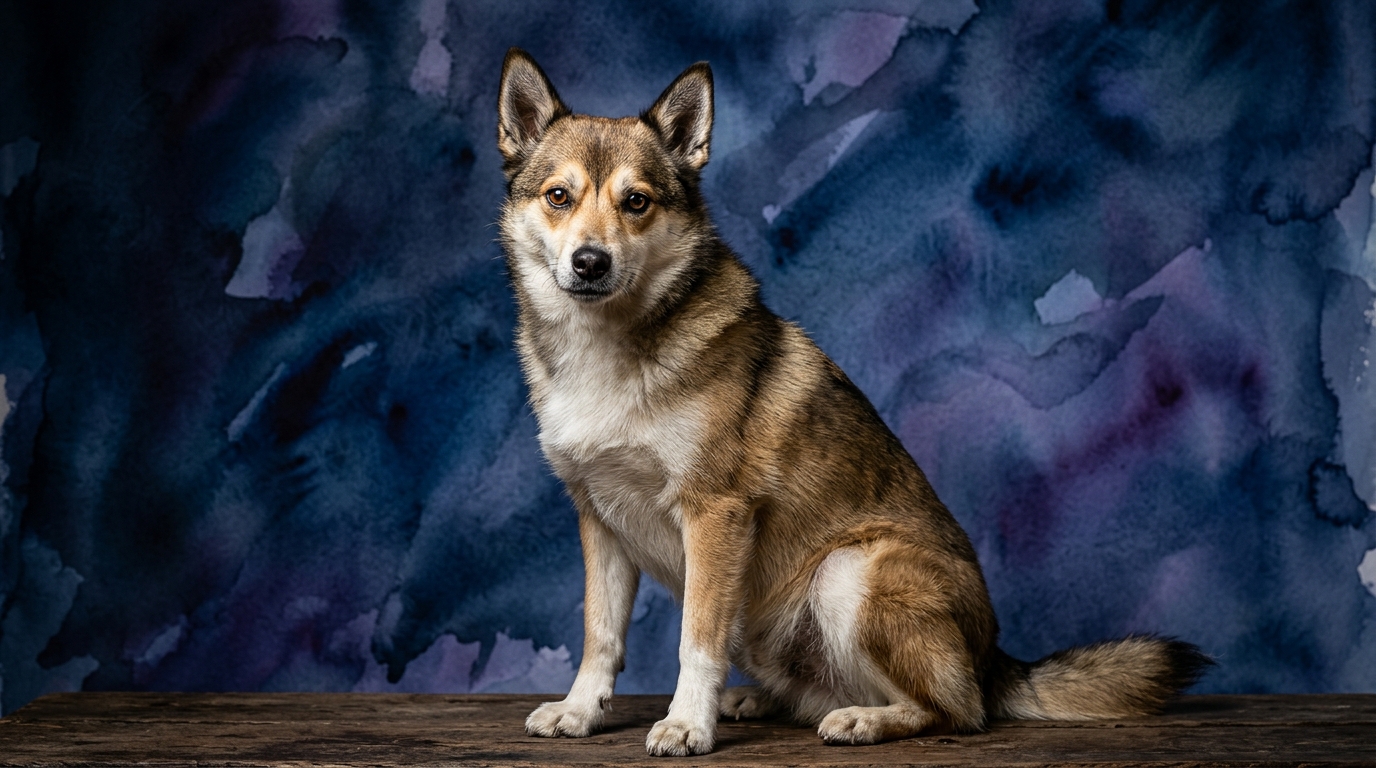
Side-by-side IQ Profile
**Border Collie:** This breed consistently demonstrates a profound capacity for abstract thought and strategic planning, excelling at deciphering complex puzzles and executing multi-step sequences with minimal prompting (Problem Solving 5/5). Their neural pathways seem optimized for rapid information processing, grasping new commands with exceptional speed, often requiring only a few repetitions (Training Speed 5/5). Border Collies exhibit a nuanced understanding of human cues and intentions, forming deep, communicative bonds with their primary handlers, though their focus on their working partner can sometimes overshadow broader social adaptability (Social Intelligence 4/5). Rooted deeply in their herding heritage, this breed possesses an unwavering drive to work, organize, and control, manifesting as intense focus and persistent pursuit of tasks (Instinctive Drive 5/5). Their recall capabilities are truly remarkable, retaining a vast repertoire of commands, specific routines, and complex sequences over long periods (Memory 5/5).
**Norwegian Lundehund:** The Lundehund approaches problem-solving with a practical, often independent, mindset, capable of navigating environmental challenges but preferring solutions that serve their immediate interests or exploration (Problem Solving 3/5). Learning new commands requires a more patient and consistent approach with the Lundehund, often involving more repetition and highly motivating rewards, as their intrinsic motivation to perform for a handler is less pronounced (Training Speed 3/5). Lundehunds form strong attachments, but their social interactions can be more reserved and selective, understanding basic human emotional cues but less actively seeking collaborative engagement (Social Intelligence 3/5). Their historical role as puffin hunters has endowed them with a drive for exploration, agility, and independent resourcefulness rather than directed work, typically less intense and less focused on human-directed tasks (Instinctive Drive 3/5). Lundehunds possess functional memory for routines and familiar environments, recalling learned behaviors and people, but their capacity for retaining extensive, complex sequences may not match breeds engineered for highly detailed work (Memory 3/5).
Where Border Collie Wins Cognitively
The Border Collie's cognitive architecture is fundamentally designed for intricate, collaborative work, giving them a distinct advantage in domains requiring rapid processing, strategic planning, and sustained mental effort. Their problem-solving prowess means they don't just follow instructions; they often infer and adapt, excelling in dynamic environments like competitive obedience, agility, or herding trials where split-second decisions and complex sequences are paramount. The combination of their 5/5 training speed and 5/5 memory allows them to accumulate and execute a vast vocabulary of commands and behaviors with unparalleled efficiency, making them ideal partners for advanced canine sports or service roles. Furthermore, their 5/5 instinctive drive ensures they possess an intrinsic motivation to engage these mental faculties, constantly seeking opportunities to apply their cognitive skills in goal-oriented pursuits. This drive, coupled with their 4/5 social intelligence, allows for a deep, almost telepathic working relationship where the dog anticipates the handler's next move, a cognitive synergy few other breeds can match.
Where Norwegian Lundehund Wins Cognitively
While the Border Collie excels in structured, human-directed cognitive tasks, the Norwegian Lundehund's cognitive strengths lie in a different, equally valuable dimension: independent, adaptive problem-solving within natural, unpredictable environments. Their 3/5 problem-solving, combined with their unique physical attributes, speaks to a specialized intelligence for navigating complex, confined spaces, precisely what was needed for hunting puffins in crevices. This manifests as a resourceful, self-reliant approach to environmental challenges, rather than a drive for abstract puzzles. Their 3/5 instinctive drive, while not as intense for human-directed work, fuels a deep curiosity and an exploratory nature, making them adept at investigating their surroundings and finding novel solutions to physical obstacles. This independent streak, reflected in their 3/5 social intelligence, means they are less prone to separation anxiety stemming from an over-reliance on human direction and can entertain themselves effectively, a cognitive advantage for owners seeking a more self-sufficient companion. Their memory, while rated 3/5, is perfectly adequate for retaining essential life skills and navigating familiar territories, proving that "winning" isn't always about the highest score in every category, but about suitability for a specific lifestyle and purpose.
Which is Easier to Train and Why
From a traditional obedience and task-oriented perspective, the Border Collie is undeniably easier to train due to several intrinsic behavioral differences. Their 5/5 training speed means they absorb new commands with remarkable rapidity, often understanding the expectation after just a few repetitions. This is bolstered by their 4/5 social intelligence, which fosters a strong desire to collaborate and respond to their handler's cues, seeking to please and work in partnership. Their intense 5/5 instinctive drive provides an inherent motivation for engagement, transforming training into a rewarding mental and physical outlet. Conversely, the Norwegian Lundehund's 3/5 training speed indicates a slower acquisition rate, requiring more patience and consistent reinforcement. Their 3/5 social intelligence suggests a more independent and less overtly people-pleasing disposition; they are less likely to perform simply for handler approval and more likely to weigh the perceived value or enjoyment of a task. This independence can be interpreted as stubbornness if not approached with creative, high-value motivation, as their instinctive drive is geared towards self-directed exploration rather than directed obedience. Training a Lundehund often feels like negotiating rather than directing, demanding a different pedagogical approach focused on making tasks intrinsically rewarding for the dog.
Which Suits Active Owners vs Relaxed Owners
The choice between these two breeds hinges significantly on an owner's lifestyle and their capacity for canine engagement. The Border Collie is unequivocally suited for highly active owners who are prepared to provide extensive mental and physical stimulation daily. Their 5/5 instinctive drive mandates structured work, whether it's herding, agility, flyball, or advanced obedience. Owners must be willing to dedicate significant time to training, puzzle games, and vigorous exercise to channel their boundless energy and cognitive capacity. A relaxed owner, unable to meet these demands, would likely find a Border Collie becoming frustrated, potentially leading to behavioral issues stemming from under-stimulation. In contrast, the Norwegian Lundehund, with its 3/5 instinctive drive and more independent nature, is a better fit for owners who appreciate a companion that is less demanding in terms of constant, high-intensity, human-directed work. While still requiring regular exercise and mental enrichment to prevent boredom, a Lundehund is often content with exploring their environment at their own pace, engaging in moderate walks, and enjoying quiet companionship. They don't possess the same intense drive to "work" for their human, making them a more manageable companion for individuals seeking a unique dog without the full-time commitment of a canine athlete.
The Verdict
Select a Border Collie if you are an experienced, dedicated owner seeking an intensely engaged, highly trainable partner for advanced activities like dog sports, service work, or herding, and are prepared to meet their profound need for consistent mental and physical challenges.
Opt for a Norwegian Lundehund if you appreciate an independent, resourceful, and uniquely adapted companion, valuing their quirky nature and requiring a dog whose cognitive and physical needs are significant but less intensely focused on human-directed work and collaboration.
🧠 Find Your Pet's IQ Score
Our Pet IQ Lab assessment covers 25+ tests across 5 cognitive dimensions — personalized to your breed.
Take the Full IQ Test →Frequently Asked Questions
Does a lower IQ score mean the Norwegian Lundehund is difficult to live with?
Not at all; a Lundehund's 3/5 scores reflect a different set of cognitive priorities, emphasizing independence and environmental problem-solving rather than human-directed tasks. They thrive with owners who understand and respect their unique, self-reliant nature, providing enrichment that appeals to their exploratory drives.
Can a Border Collie be happy in a less active home if given enough mental stimulation?
While mental stimulation is crucial, a Border Collie's 5/5 instinctive drive and high physical energy mean that mental work alone is often insufficient. They require a balanced regimen of both intense cognitive challenges and significant physical exercise to truly thrive and prevent frustration.
Are Norwegian Lundehunds trainable at all, given their independence?
Absolutely, Norwegian Lundehunds are trainable, but the approach differs significantly. Success often comes from positive reinforcement, making training feel like a fun game, and understanding that their motivation stems more from self-interest or exploration than an overwhelming desire to please.