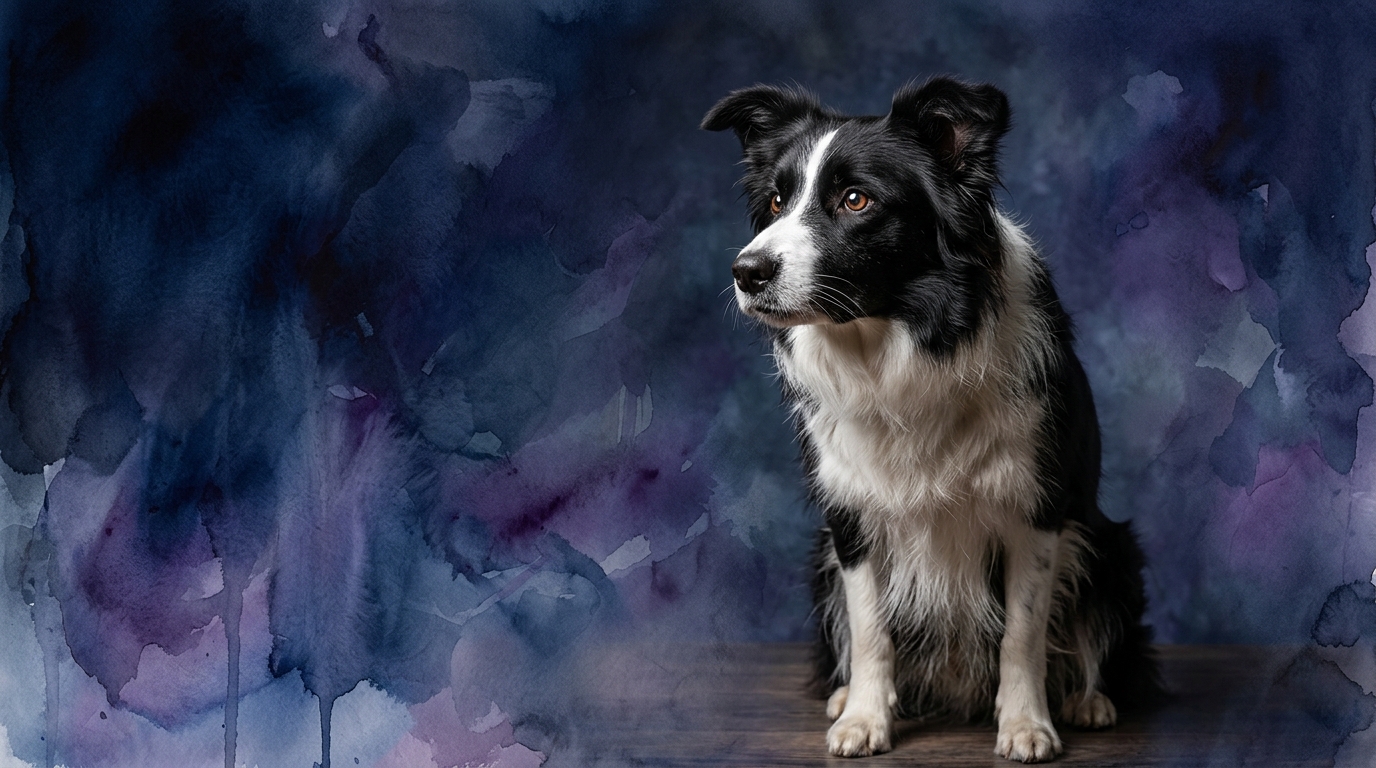
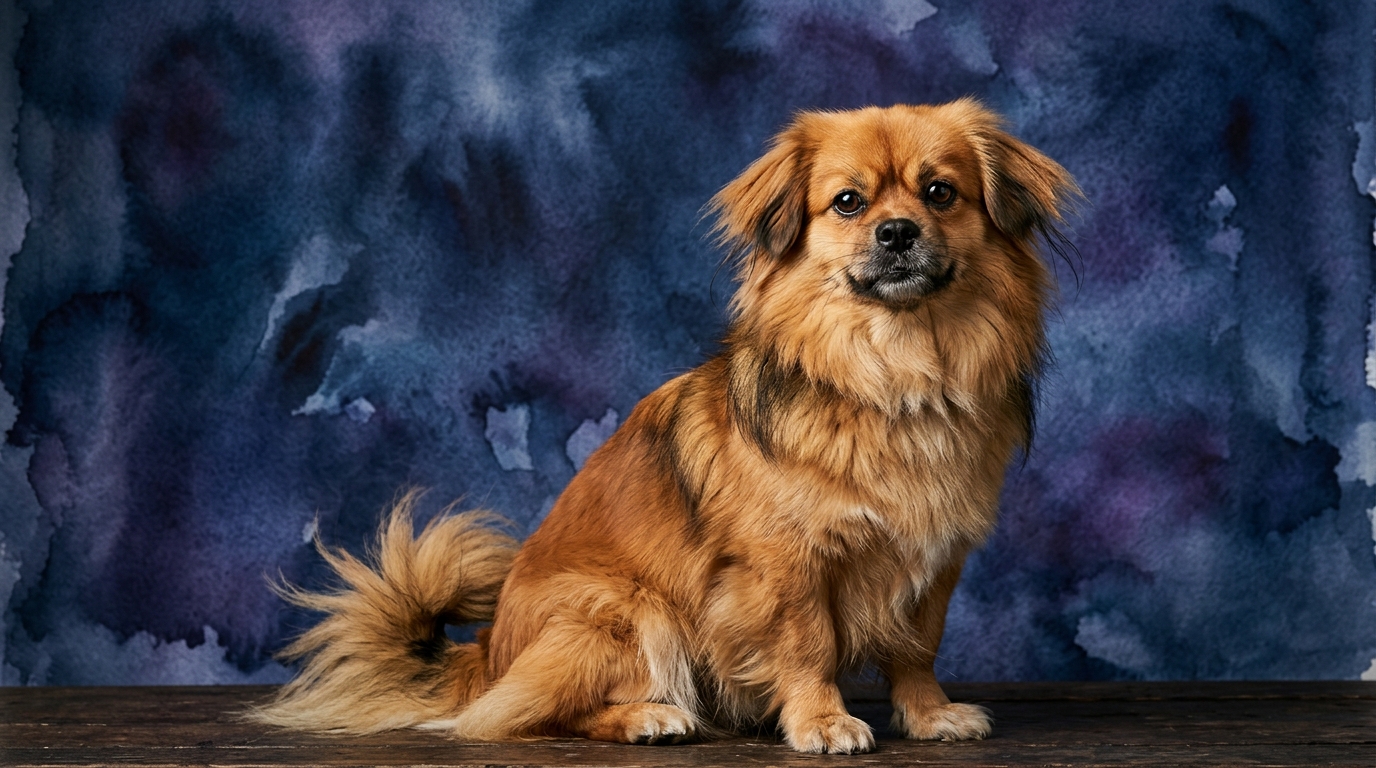
Side-by-Side IQ Profile: Border Collie vs. Tibetan Spaniel
The Border Collie, often recognized for its exceptional working abilities, presents a cognitive profile characterized by extreme mental agility. Its problem-solving capacity is rated 5/5, indicating an outstanding ability to analyze novel situations, strategize, and independently devise solutions, often without explicit human direction. Training speed also scores 5/5, reflecting a remarkable aptitude for rapid acquisition and retention of complex commands and sequences, making them highly responsive to instruction. Social intelligence stands at 4/5, suggesting a strong awareness of human cues and group dynamics, though often channeled towards task-oriented collaboration rather than purely emotional bonding. An instinctive drive of 5/5 underscores their profound intrinsic motivation to herd and work, exhibiting intense focus and persistence. Finally, their memory is rated 5/5, allowing them to recall intricate patterns, commands, and locations over extended periods.
In contrast, the Tibetan Spaniel, a breed historically valued for companionship and alerting, exhibits a cognitive profile that prioritizes different strengths. Their problem-solving capacity is rated 3/5, indicating a moderate ability to navigate new challenges, often preferring familiar routines or seeking human assistance for complex tasks. Training speed also scores 3/5, meaning they are capable of learning but typically require more repetition and patience compared to breeds driven by intense work ethics. Social intelligence is rated 3/5, suggesting a discerning approach to interactions, forming deep bonds with their inner circle while being more reserved with strangers or in large group settings. An instinctive drive of 3/5 reflects a moderate intrinsic motivation, making them less inclined towards constant task-seeking or intense physical exertion. Their memory is similarly rated 3/5, sufficient for retaining household rules and cherished routines, though perhaps not as expansive for multi-step sequences as their herding counterparts.
Where the Border Collie Wins Cognitively
The Border Collie's cognitive strengths are particularly evident in its capacity for complex, multi-faceted tasks. Their 5/5 problem-solving ability means they can quickly assess and adapt to dynamic environments, such as navigating agility courses or managing livestock, often anticipating next steps. This isn't just about following commands; it's about making independent decisions within a structured framework to achieve an objective. For instance, a Border Collie might figure out how to open a gate or retrieve a specific toy from a cluttered room through trial and error, demonstrating profound logical reasoning.
Their 5/5 training speed, coupled with a 5/5 memory, allows them to master an extensive vocabulary of commands and perform intricate behavioral chains with precision and reliability. This makes them exceptional candidates for competitive obedience, sheepdog trials, and advanced trick training, where the ability to learn quickly and remember long sequences is paramount. The Border Collie's 5/5 instinctive drive ensures they approach these challenges with intense focus and unwavering determination, viewing cognitive puzzles not as chores but as engaging activities. Their 4/5 social intelligence, while slightly lower than their other scores, is perfectly calibrated for understanding and responding to human direction during these collaborative tasks, making them highly attuned working partners.
Where the Tibetan Spaniel's Cognitive Profile Shines
While the Border Collie excels in task-oriented cognition, the Tibetan Spaniel's cognitive profile is uniquely suited for a different kind of companionship. Their 3/5 instinctive drive is a significant advantage for owners who do not seek a working dog, as it means they are less compelled to constantly herd, chase, or seek out demanding mental jobs. This translates into a dog that is content with a more relaxed lifestyle, appreciating quiet presence rather than constant stimulation, which can be a relief for many households.
The Tibetan Spaniel's 3/5 social intelligence often manifests as a deep, discerning loyalty to their chosen family, rather than a broad engagement with many individuals. This focused social connection can lead to an intensely devoted bond, where the dog is highly attuned to the emotional states of its immediate human companions, offering comfort and companionship without being overly demanding. Their moderate problem-solving and training speed, while not geared for complex competitive sports, means they are perfectly capable of learning essential household manners, basic cues, and enjoying simple, engaging games. This manageable learning curve avoids the potential frustration that can arise when high-drive breeds are under-stimulated, making them an excellent choice for owners who appreciate a dog that fits seamlessly into a gentle, domestic rhythm without needing constant intellectual challenges.
Which is Easier to Train and Why?
When considering ease of training, the Border Collie generally presents a more straightforward path for owners committed to consistent, engaging methods. Their 5/5 training speed means they grasp new commands almost immediately, often after just a few repetitions. This is bolstered by their 5/5 memory, allowing them to retain vast amounts of information, and their 5/5 instinctive drive, which provides an intrinsic motivation to work and please. For instance, a Border Collie might learn a multi-step sequence like 'fetch the red ball from the basket, then bring it to the mat' in a fraction of the time it would take many other breeds, driven by their inherent desire for a 'job' and the mental engagement it provides. Their behavioral response is typically eager and focused, making them highly rewarding to teach.
The Tibetan Spaniel, with a 3/5 training speed and memory, requires a different approach. They are certainly trainable, but owners need to embrace patience, positive reinforcement, and consistency. Their training is often more successful when framed as a fun, bonding activity rather than a rigorous lesson. For example, while they can learn 'sit' and 'stay,' it might take more repetitions over several sessions, and their attention might wander if the training isn't kept light and rewarding. Their moderate instinctive drive means they aren't inherently seeking tasks, so motivation often needs to come from high-value treats, praise, and the desire to be close to their human. They are less likely to perform complex sequences or repetitive drills with the same zest as a Border Collie, preferring to learn what's relevant to their comfortable companion lifestyle.
Which Suits Active Owners vs. Relaxed Owners?
The Border Collie is an ideal match for active owners who thrive on engagement and shared activities. Their profound 5/5 instinctive drive and boundless energy necessitate a lifestyle that includes substantial physical exercise and, crucially, consistent mental stimulation. Owners who enjoy dog sports like agility, flyball, competitive obedience, or even practical tasks like herding will find an unparalleled partner in a Border Collie. These dogs require an owner who can dedicate time daily to training, puzzle games, and outdoor adventures to channel their cognitive prowess and physical stamina productively. An owner seeking a canine companion for long hikes, trail running, or problem-solving challenges will find the Border Collie to be an eager, capable, and enthusiastic counterpart.
Conversely, the Tibetan Spaniel is perfectly suited for more relaxed owners who appreciate a calm, affectionate presence without the demand for intense daily activities. Their moderate 3/5 instinctive drive means they are content with shorter, regular walks and indoor play, rather than needing extensive, high-impact exercise. These dogs thrive in environments where they can be close to their human companions, enjoying quiet companionship on the sofa or gentle garden strolls. Owners who prefer a less demanding exercise routine, enjoy a devoted lap dog, and can provide consistent, gentle attention will find the Tibetan Spaniel to be a delightful and adaptable family member. Their contentment with a less structured daily routine makes them an excellent choice for individuals or families seeking a loyal companion whose primary joy is simply being with them.
The Verdict
Choose a Border Collie if you are an active, engaged owner seeking a highly trainable partner for sports, complex tasks, and extensive mental and physical stimulation.
Opt for a Tibetan Spaniel if you desire a devoted, adaptable companion who thrives on close connection and a relaxed lifestyle, content with moderate activity and gentle engagement.
🧠 Find Your Pet's IQ Score
Our Pet IQ Lab assessment covers 25+ tests across 5 cognitive dimensions — personalized to your breed.
Take the Full IQ Test →Frequently Asked Questions
Do Border Collies require constant mental challenges?
Yes, Border Collies possess exceptional cognitive abilities, particularly in problem-solving and memory. Without consistent mental stimulation through training, puzzle toys, or dog sports, they can become bored and potentially develop undesirable behaviors out of frustration.
Are Tibetan Spaniels difficult to train due to their moderate scores?
Tibetan Spaniels are not difficult to train, but they require patience and positive reinforcement. Their training speed is moderate, meaning they learn at a steady pace and respond best to methods that make learning fun and rewarding, rather than highly demanding or repetitive drills.
Which breed is better for apartment living?
A Tibetan Spaniel is generally better suited for apartment living due to their moderate exercise needs and contentment with a relaxed indoor lifestyle. Border Collies, with their high energy and intense drive, require substantial outdoor space and consistent engagement, making apartment living challenging unless their owners are exceptionally dedicated to fulfilling their needs outside the home.