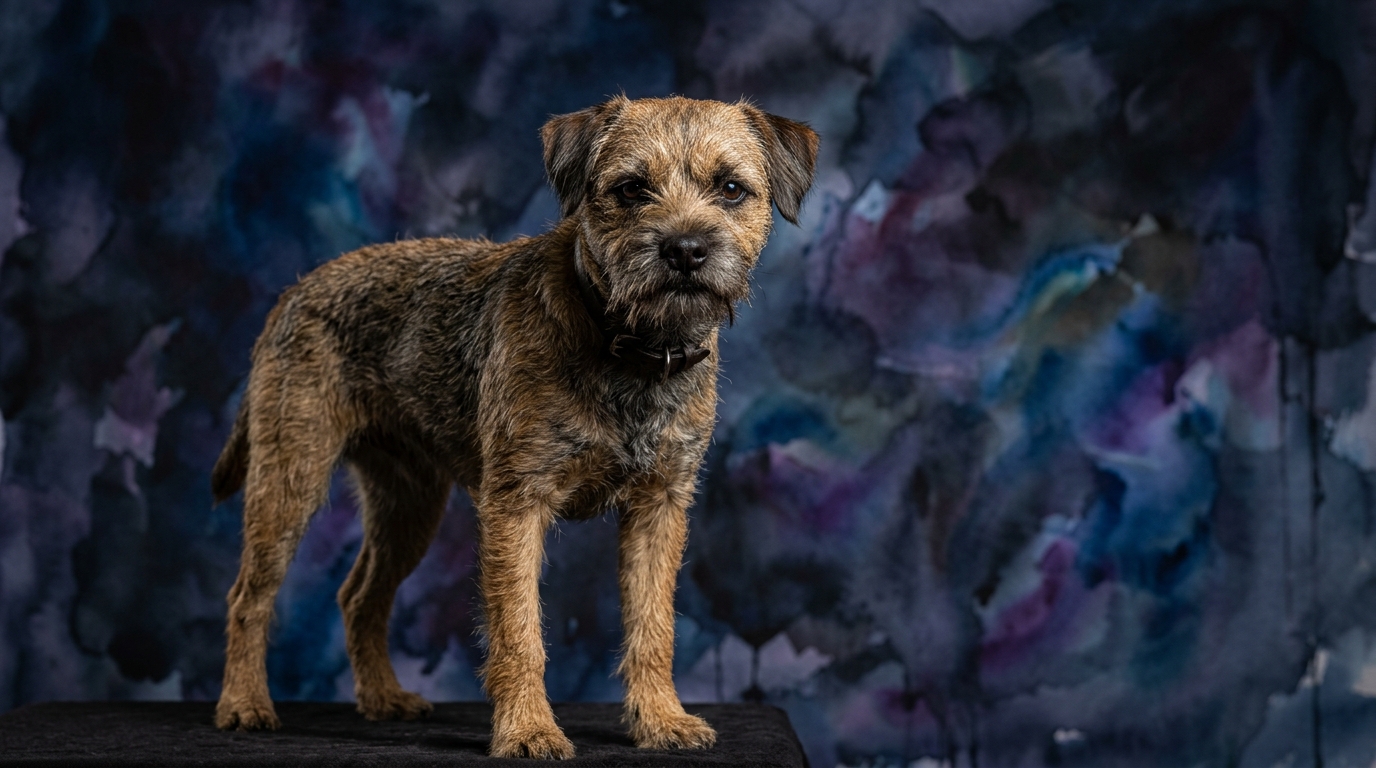
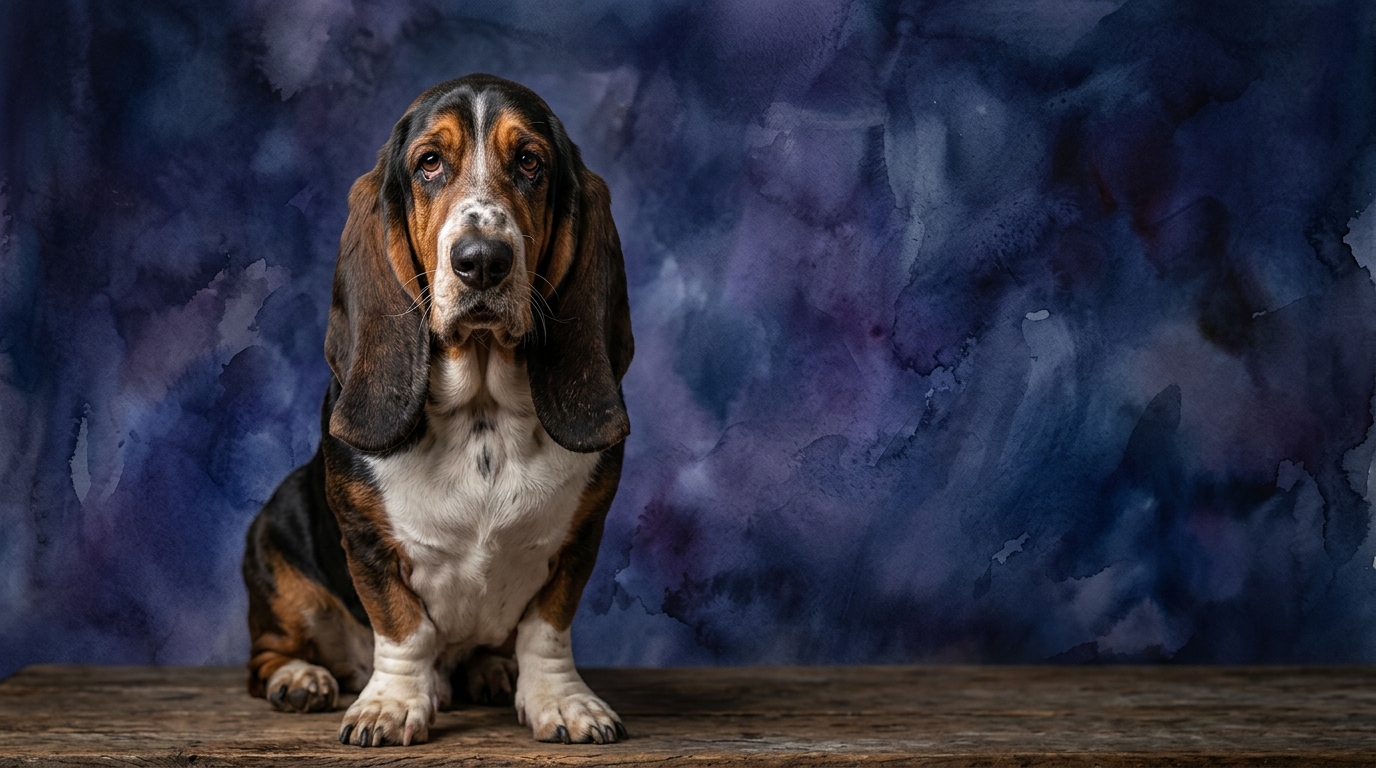
The Cosmic Pet IQ Profile: Border Terrier vs. Basset Hound
Understanding a breed's cognitive profile goes beyond simple obedience; it illuminates how they perceive and interact with their world, offering insights into their inherent strengths and preferred modes of learning. Our IQ dimensions provide a nuanced look at the mental architecture of each breed.
The Border Terrier's Problem Solving score of 4/5 reflects its keen ability to analyze situations and devise solutions, whether it's navigating a complex garden hedge or figuring out how to retrieve a hidden toy. Its Training Speed of 4/5 means new commands and routines are often grasped with impressive alacrity, making training sessions productive and stimulating for both dog and owner. Social Intelligence, at 3/5, indicates a sound understanding of family dynamics and human cues, fostering strong bonds, though they retain a degree of terrier independence. An Instinctive Drive of 3/5 points to their ingrained pursuit behaviors, particularly for small prey, a heritage that shapes their engagement with the environment. Finally, their Memory, rated 4/5, ensures they effectively retain learned behaviors and past experiences, applying this knowledge to future challenges.
In contrast, the Basset Hound's Problem Solving at 3/5 typically manifests as a methodical, scent-driven approach to their environment, rather than quick, abstract solutions. Their Training Speed of 3/5 suggests a need for patience and consistent, positive reinforcement, as they process information at a more deliberate pace. Social Intelligence, also 3/5, underscores their affectionate and amiable nature within their family unit, often displaying a gentle understanding of their human companions' moods. The Instinctive Drive of 3/5 is overwhelmingly dominated by their extraordinary olfactory senses, guiding their every exploration with singular focus. Their Memory score of 3/5 means they recall familiar routines and pleasant interactions reliably, though complex sequences might require more frequent refreshing.
Where the Border Terrier Excels Cognitively
The Border Terrier's cognitive advantage is most evident in its superior Problem Solving (4/5) and Training Speed (4/5). This breed demonstrates a remarkable mental agility, quickly assessing new situations and adapting its behavior to achieve desired outcomes. For instance, they might quickly learn to unlatch a gate or navigate an intricate agility course with minimal instruction, showcasing an impressive capacity for adaptive reasoning and rapid skill acquisition. Their inquisitiveness fuels this cognitive drive, making them active participants in their own learning.
Complementing this is their strong Memory (4/5), which allows them to build a robust mental library of experiences and learned behaviors. This means a Border Terrier not only picks up new tricks quickly but also remembers them reliably over time, applying past solutions to novel, yet similar, problems. This cognitive resilience makes them highly capable in structured learning environments and adaptable to various challenges, from advanced obedience to complex trick training, where recalling sequences and cues is paramount.
Where the Basset Hound's Cognition Shines
While its Coren rank (71) might suggest otherwise, the Basset Hound possesses a unique cognitive brilliance, profoundly rooted in its exceptional sensory processing. Its Instinctive Drive (3/5) is a testament to an olfactory intelligence that far surpasses many breeds. For a Basset, problem-solving (3/5) is often a meticulous, sustained investigation through scent; unraveling a complex trail, discerning individual odors from a cacophony of smells, and maintaining singular focus on a path for extended periods are formidable cognitive feats, albeit ones that operate on a different sensory plane than abstract human-centric tasks.
Their deliberate pace in Training Speed (3/5) and Memory (3/5) isn't a deficit in capacity but rather a reflection of their deep processing and priority given to their internal sensory world. They excel at tasks requiring sustained, calm focus, and their social intelligence (3/5) manifests in a deep, unwavering loyalty and a gentle understanding of their family's emotional landscape. This creates a remarkably steady and comforting presence, demonstrating a different, yet equally valuable, form of cognitive and emotional engagement.
Training Dynamics: Border Terrier vs. Basset Hound
The Border Terrier, with its Training Speed of 4/5, generally proves more straightforward to train. They respond well to positive reinforcement and appreciate engaging, varied sessions. Their quick grasp of commands and desire to participate makes them excellent candidates for advanced obedience, earthdog trials, or agility, where their intelligence is actively channeled. They typically enjoy the mental stimulation that comes from learning new tasks, showing a willingness to engage in structured instruction.
The Basset Hound's Training Speed of 3/5 indicates a more patient approach is needed. Their strong instinctive drive (3/5) towards scent can be a significant “distraction” in training; once a compelling scent is detected, their focus can become singular, making recall or attention to commands challenging. Effective training for a Basset often involves leveraging their love for food, short sessions, and consistent repetition, focusing on foundational commands and impulse control around tempting odors, understanding their world is primarily olfactory.
Lifestyle Match: Active vs. Relaxed Owners
The Border Terrier's cognitive profile, coupled with its terrier energy, suits active owners who enjoy engaging their dog in various activities. Their problem-solving acumen and rapid training make them ideal companions for hiking, dog sports, or even just regular, varied walks where they can explore and “work.” They thrive on mental challenges and physical outlets that align with their keen senses and agile minds, needing an owner prepared to match their zest for activity.
The Basset Hound, while needing regular, moderate exercise, generally aligns better with a more relaxed owner. Their deliberate pace and deep-seated focus on scent exploration mean they appreciate long, meandering sniff-walks rather than high-octane sprints. Owners who value a calm, affectionate presence and are patient with their dog's independent, scent-driven pursuits will find a harmonious match. Their lower energy output means they are content with cozy indoor time after their explorations, making them ideal for a quieter household.
The Verdict
Choose the Border Terrier if you seek an agile-minded companion eager for mental challenges, quick to learn, and ready to participate actively in varied dog sports or outdoor adventures.
Opt for the Basset Hound if you appreciate a calm, affectionate presence, are patient with an independent, scent-driven nature, and enjoy leisurely explorations where their nose leads the way.
🧠 Find Your Pet's IQ Score
Our Pet IQ Lab assessment covers 25+ tests across 5 cognitive dimensions — personalized to your breed.
Take the Full IQ Test →Frequently Asked Questions
Is a Border Terrier good for first-time dog owners?
Border Terriers can be suitable for first-time owners who are committed to consistent training and providing ample mental and physical stimulation. Their quick learning (Training Speed 4/5) is an asset, but their strong terrier instincts require confident guidance and early socialization to thrive.
Do Basset Hounds require a lot of exercise?
Basset Hounds need regular, moderate exercise to stay healthy, but they aren't high-energy athletes. Daily sniff-walks where they can follow their nose are more important than intense sprints, satisfying their instinctive drive (3/5) and providing mental enrichment.
How do Border Terriers and Basset Hounds interact with children?
Both breeds typically exhibit good social intelligence (3/5) within a family setting. Border Terriers are generally playful and robust, while Basset Hounds are often gentle and patient, though supervision is always advised with any dog and child to ensure appropriate interactions.