
Side-by-Side Cognitive Profiles
At The Cosmic Pet Pet IQ Lab, we analyze canine intelligence across five key dimensions, providing a granular view beyond general classifications like Coren's rankings. The Border Terrier, with a Coren rank of #30, and the Chow Chow, at #76, present a compelling contrast in their cognitive makeup.
The Border Terrier’s profile includes a Problem Solving score of 4/5, indicating a resourceful mind adept at navigating challenges and finding creative solutions. Their Training Speed of 4/5 reflects a quick grasp of new commands and a willingness to engage in learning. Social Intelligence stands at 3/5, suggesting they understand human cues but maintain a degree of independence. An Instinctive Drive of 3/5 points to their working heritage, channeling energy into specific tasks, while their Memory of 4/5 ensures lessons and experiences are retained effectively.
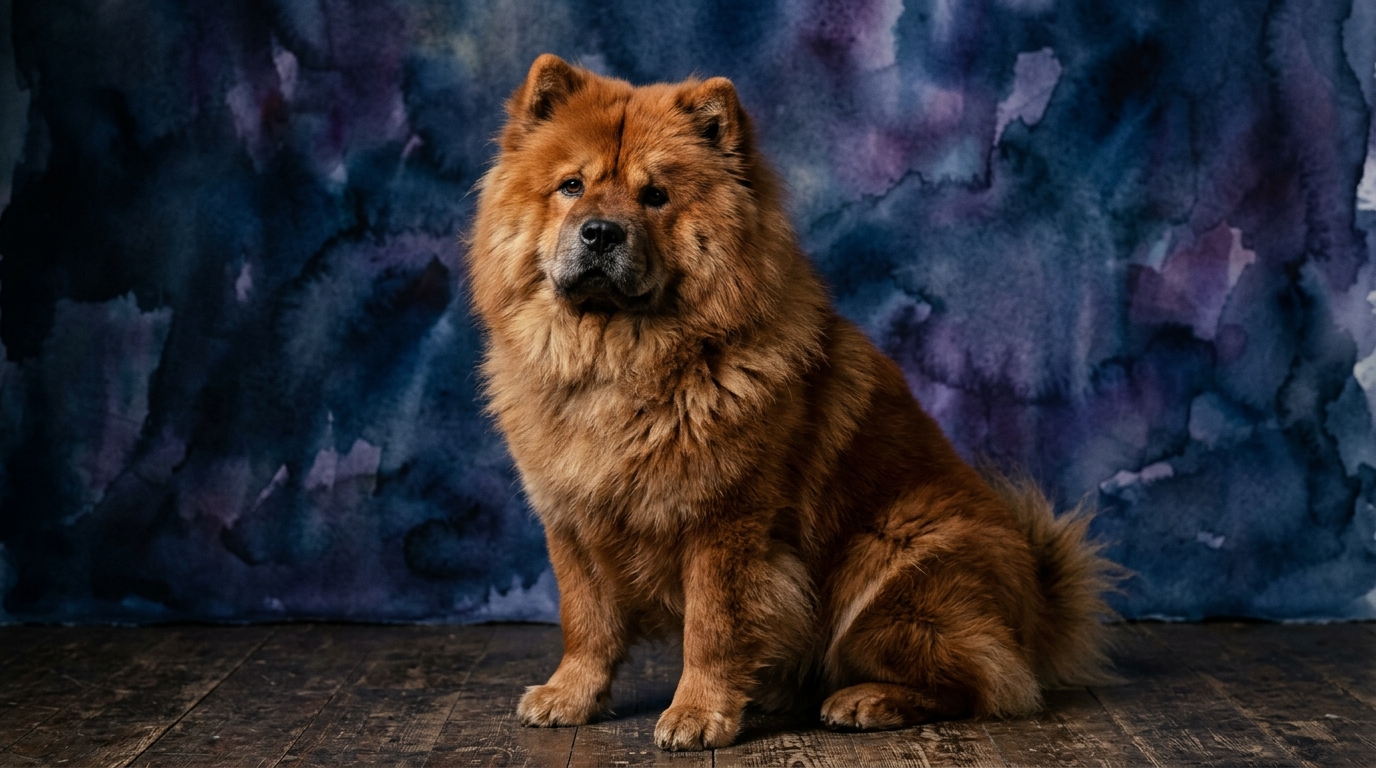
In contrast, the Chow Chow's cognitive scores are consistently 3/5 across all dimensions. Their Problem Solving at 3/5 suggests they are capable of navigating their environment but may prefer established routines over constant novelty. A Training Speed of 3/5 means they learn at a steady pace, often requiring more patience and consistent motivation due to their independent nature. Social Intelligence at 3/5 highlights their reserved demeanor; they comprehend social dynamics but often prefer personal space. Their Instinctive Drive of 3/5 is typically expressed as watchfulness and a preference for order, and a Memory score of 3/5 indicates they retain information adequately, though perhaps not with the immediate recall seen in faster learners.
Where the Border Terrier Excels Cognitively
The Border Terrier's cognitive strengths are particularly evident in their problem-solving and learning agility. Their 4/5 Problem Solving score means they are not simply reactive; they actively assess situations and devise strategies, whether it's figuring out how to retrieve a toy from under furniture or navigating a complex scent trail. This inherent resourcefulness stems from their terrier legacy, where independent thought was crucial for their original hunting roles.
Coupled with a 4/5 Training Speed, Border Terriers demonstrate a remarkable capacity for acquiring new skills swiftly. They often enjoy the mental challenge of training sessions, quickly associating commands with actions and rewards. This cognitive eagerness makes them highly receptive to various forms of instruction, from basic obedience to more intricate tricks and dog sports. Their 4/5 Memory score underpins this, ensuring that once a lesson is learned, it is deeply ingrained, allowing for consistent performance and the ability to build upon previous knowledge without extensive re-teaching.
Unique Cognitive Strengths of the Chow Chow
While the Chow Chow's individual scores of 3/5 across the board might not suggest 'wins' in the traditional sense of higher numbers, their cognitive profile collectively offers distinct advantages, particularly for certain lifestyles. Their consistent 3/5 in Social Intelligence, for example, translates to a self-sufficient and dignified nature. They understand social cues but are not overly dependent on constant human interaction or validation, making them less prone to separation anxiety and more content with their own company.
Their 3/5 in Problem Solving and Instinctive Drive, combined with their generally reserved temperament, means they are less likely to constantly seek out new challenges or engage in disruptive behaviors driven by restlessness. Instead, their cognitive processes favor stability and predictability, contributing to their calm and watchful demeanor. This isn't a lack of capacity, but rather a preference for maintaining a serene environment rather than actively disrupting it. Their cognitive makeup supports a companion that is content with established routines and offers a quiet, reliable presence rather than demanding constant mental engagement.
Training Dynamics: Border Terrier vs. Chow Chow
When it comes to ease of training, the Border Terrier generally presents a more straightforward experience. Their 4/5 Training Speed and 4/5 Problem Solving scores mean they are quick to grasp concepts and eager to participate. They respond well to positive reinforcement, thriving on engagement and the mental stimulation of learning. Their inherent curiosity and desire to interact make them receptive students, often picking up new commands in fewer repetitions and retaining them due to their strong memory.
The Chow Chow, with a 3/5 Training Speed and 3/5 Problem Solving, presents a different training journey. Their independent and sometimes aloof nature means they require a patient, consistent, and highly motivating approach. They understand commands, but their social intelligence (3/5) allows them to weigh whether performing the action aligns with their own preferences at that moment. Unlike the Border Terrier's eagerness, a Chow Chow might appear stubborn or simply decide a task isn't worth their effort, demanding creative and compelling motivation rather than just enthusiastic praise. Early socialization and consistent, firm but gentle guidance are crucial to harness their cognitive potential.
Matching Canine Cognition with Owner Lifestyles
The cognitive profiles of these two breeds naturally align with different owner lifestyles. The Border Terrier, with its high Problem Solving (4/5) and Training Speed (4/5), thrives with active owners who enjoy engaging their dog in mental and physical activities. They are ideal for individuals or families interested in dog sports, advanced obedience, agility, or extensive outdoor adventures where their keen senses and quick wit can be utilized. Their instinctive drive (3/5) means they benefit greatly from structured activities that channel their energy constructively, preventing boredom-induced mischief.
The Chow Chow, on the other hand, suits owners who appreciate a more relaxed, independent companion. Their consistent 3/5 scores across cognitive dimensions indicate a dog that is content with a moderate exercise routine and a stable, predictable home environment. Owners who seek a dignified presence rather than a constant playmate, and who understand and respect their dog's reserved nature, will find a harmonious match. Their social intelligence (3/5) means they are not overly demanding of attention, making them suitable for individuals who enjoy a companion without the constant need for intensive mental stimulation or boisterous interaction.
The Verdict
Choose a Border Terrier if you seek an eager, mentally agile companion who thrives on learning, problem-solving, and active engagement in daily life and structured activities.
Opt for a Chow Chow if you appreciate a dignified, independent presence, are content with a stable routine and moderate activity, and are prepared for a training journey requiring patience and a deep understanding of their unique motivations.
🧠 Find Your Pet's IQ Score
Our Pet IQ Lab assessment covers 25+ tests across 5 cognitive dimensions — personalized to your breed.
Take the Full IQ Test →Frequently Asked Questions
Are Border Terriers good with children?
Border Terriers, with their 3/5 social intelligence, can be good with respectful children, especially if raised together from a young age. Their lively energy requires proper supervision to ensure interactions remain positive and playful without being overwhelming for either party.
Do Chow Chows get along with other pets?
Chow Chows, possessing a 3/5 social intelligence and often a reserved nature, typically do best as the sole pet or when introduced to others very carefully and early in life. Their independent temperament means they may not always readily accept new animal companions into their established territory.
How much mental stimulation does a Border Terrier need daily?
Given their 4/5 problem-solving and training speed, Border Terriers thrive on consistent mental challenges, needing at least 30-60 minutes of focused activity daily, such as puzzle toys, training sessions, or scent work. Without this, their keen minds can lead to boredom and potentially mischievous behaviors.