Side-by-Side IQ Profile: Border Terrier vs. Harrier
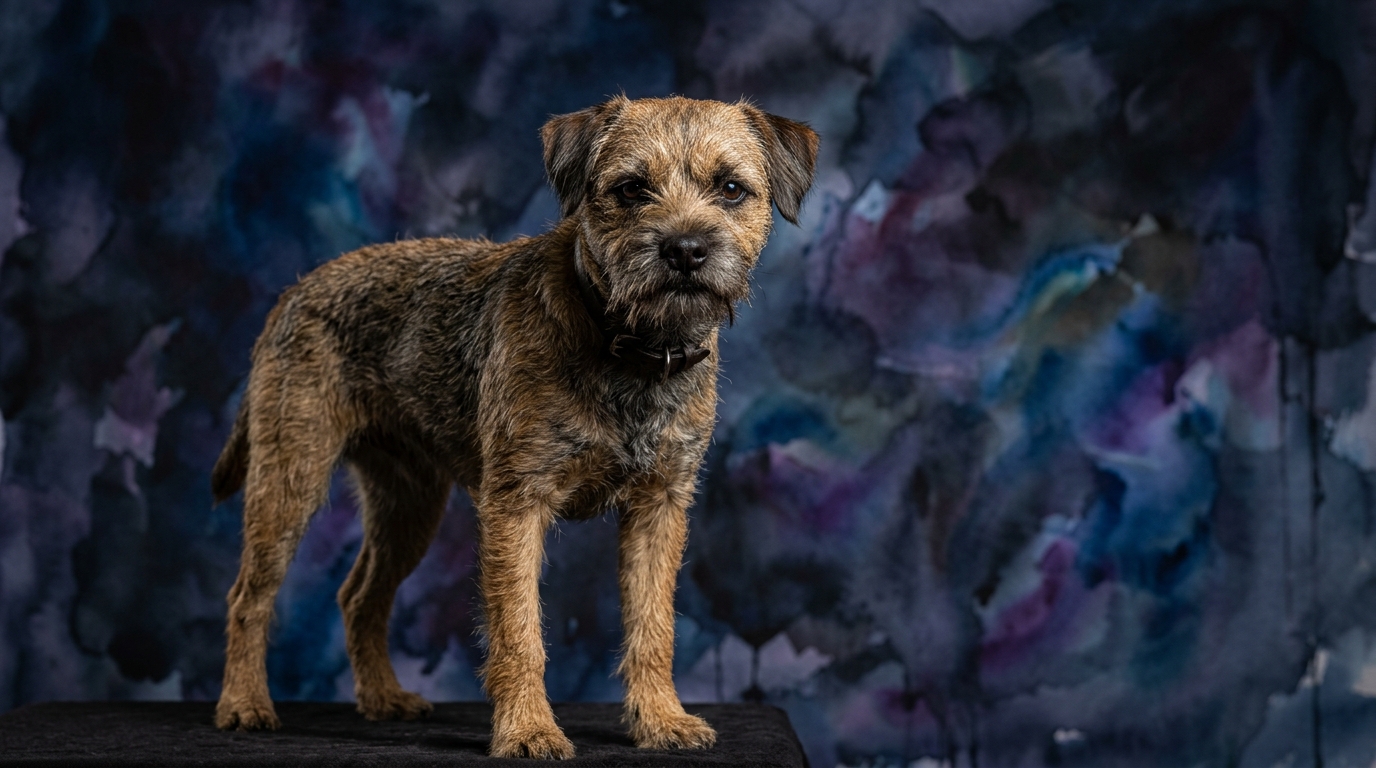
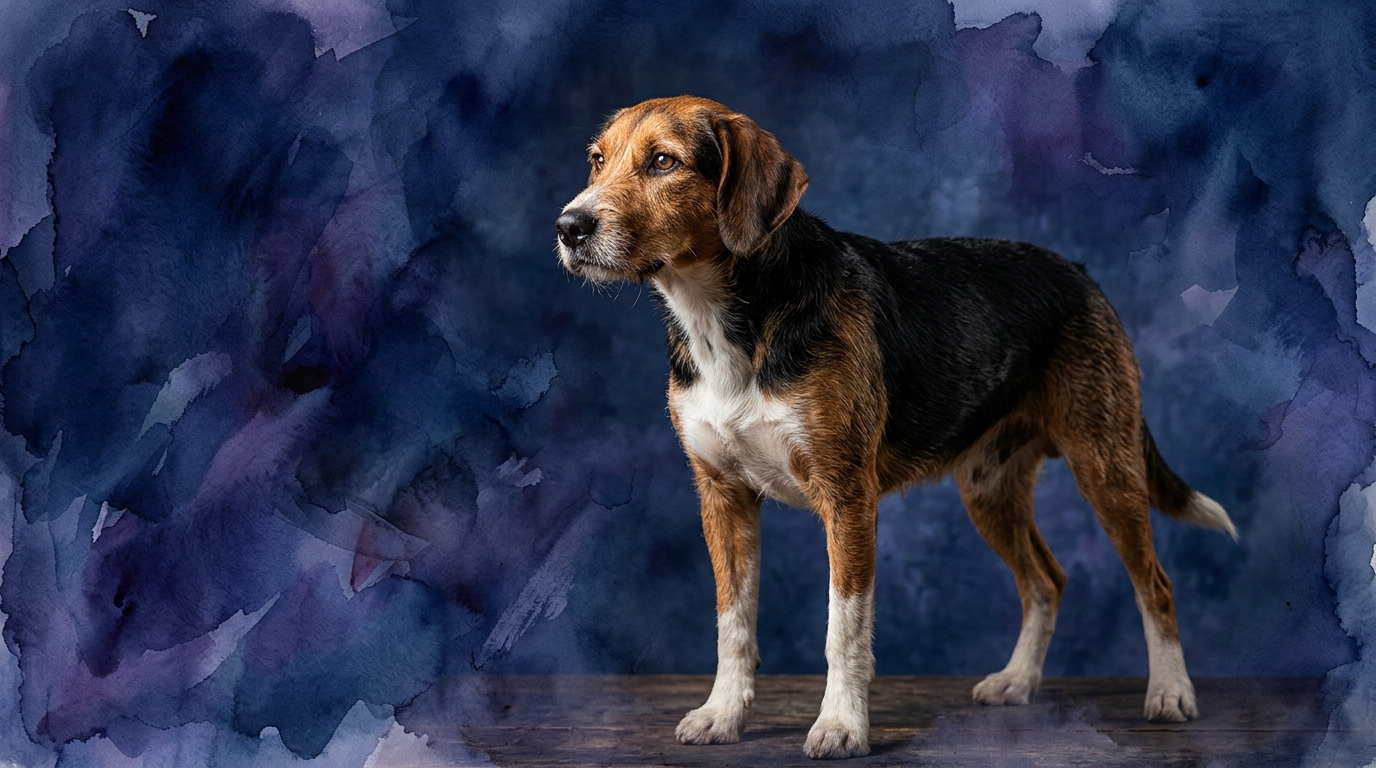
At The Cosmic Pet Pet IQ Lab, we dissect canine intelligence across five critical dimensions, offering a nuanced understanding beyond simple obedience. The Border Terrier, a plucky member of the Terrier group, boasts a Coren rank of #30, signaling a respectable capacity for learning and problem-solving. In contrast, the Harrier, a robust Hound, is not formally ranked by Coren, suggesting its cognitive strengths might lie in areas less emphasized by traditional obedience metrics, or simply that it is less commonly studied in that context.
Delving into their specific IQ scores reveals distinct profiles. The Border Terrier registers a commendable 4/5 in both Problem Solving and Training Speed, alongside a 3/5 in Social Intelligence, 3/5 in Instinctive Drive, and a strong 4/5 in Memory. The Harrier, while sharing a 3/5 in Social Intelligence and Instinctive Drive, scores 3/5 in Problem Solving, 3/5 in Training Speed, and 3/5 in Memory. These figures paint a picture of two breeds with overlapping but also divergent cognitive landscapes.
**Problem Solving:** The Border Terrier’s 4/5 in problem-solving indicates a dog with a keen mind for figuring out challenges. This breed often exhibits a cleverness in navigating obstacles, whether it’s finding a way to retrieve a hidden toy, opening a gate latch, or devising strategies to get what they want. Their cognitive flexibility allows them to assess novel situations and adapt their approach, often with a terrier’s characteristic tenacity. The Harrier, with a 3/5 in problem-solving, is certainly capable of learning and adapting, but might rely more on established patterns or instinctual responses rather than independent, innovative solutions. Their approach to challenges might be more direct and less prone to abstract reasoning, favoring learned sequences over spontaneous ingenuity.
**Training Speed:** A Border Terrier's 4/5 in training speed suggests they are relatively quick to grasp new commands and routines. Their attentiveness and capacity for making connections between actions and consequences mean they can progress through training stages efficiently. This quick uptake can make them a rewarding subject for various dog sports and advanced obedience. The Harrier’s 3/5 in training speed implies that while they are trainable, they may require more consistent repetition and patience. Their hound nature often means their focus can be easily diverted by compelling scents or outdoor stimuli, necessitating a more structured and perhaps longer training commitment to solidify behaviors.
**Social Intelligence:** Both breeds score 3/5 in social intelligence, indicating a moderate ability to interpret human cues, understand social hierarchies, and adapt to varying social dynamics. This means both Border Terriers and Harriers are generally capable of integrating into family life and interacting appropriately with other dogs and people, given proper socialization. They are neither overly aloof nor excessively people-pleasing, finding a balanced place within their social environment. Their understanding of social nuances is functional, allowing for harmonious coexistence without necessarily seeking to constantly anticipate or manipulate human desires.
**Instinctive Drive:** With both breeds scoring 3/5 in instinctive drive, it signifies a moderate but influential pull towards their historical working purposes. For the Border Terrier, this often manifests as a desire to dig, chase small animals, and exhibit a robust prey drive – traits essential for their original role as fox and otter hunters. For the Harrier, this drive is primarily centered around scent tracking and pack cooperation, reflecting their heritage as hunting dogs. While present, this moderate score suggests these instincts are manageable with appropriate training and outlets, rather than overwhelming their cognitive processes.
**Memory:** The Border Terrier’s 4/5 in memory highlights their strong retention capabilities. They are likely to remember commands, routines, and even specific events or locations over time, which greatly aids in their trainability and consistency in behavior. This robust memory helps them build a rich cognitive map of their world. The Harrier, with a 3/5 in memory, possesses a functional memory, sufficient for recalling training and familiar environments. However, their memory might be more selectively engaged, particularly when it comes to scent trails or hunting patterns, where specific olfactory recall takes precedence. They remember what is relevant to their primary drives, though perhaps with less overall detail than their terrier counterpart.
Where the Border Terrier Wins Cognitively
The Border Terrier truly shines in areas demanding agile thought and rapid learning. Their superior problem-solving score of 4/5 means they are often the ones figuring out how to open the treat jar or navigate a complex agility course with minimal guidance. This cognitive flexibility allows them to grasp abstract concepts more readily than many breeds, translating into quicker mastery of new tricks and commands. They are less likely to get 'stuck' on a single approach, instead experimenting with different solutions until they succeed.
Coupled with their 4/5 training speed and 4/5 memory, Border Terriers exhibit a remarkable capacity for sustained learning and retention. An owner teaching a Border Terrier a multi-step routine, such as fetching specific items by name or navigating a complex obstacle course, will likely find the dog not only picks up each step quickly but also remembers the entire sequence over long periods. This combination of quick learning and strong recall makes them excellent candidates for advanced obedience, rally, and even competitive trick training, where their mental acuity is truly put to the test. They don't just learn; they internalize and apply.
Where the Harrier Wins Cognitively
While the Harrier's scores might not reach the Border Terrier's heights in general problem-solving or training speed, their cognitive strengths lie in their specialized hound intelligence, particularly in areas related to sustained focus and sensory processing. Their 3/5 instinctive drive, while moderate, is perfectly calibrated for their original purpose: tracking scent. This isn't just a physical act; it's a highly sophisticated cognitive process involving discrimination, persistence, and navigation based on an invisible trail. A Harrier's ability to lock onto a scent and follow it with unwavering determination, filtering out countless distractions, is a testament to their unique mental fortitude.
The Harrier's social intelligence (3/5) also manifests differently in a pack context, highlighting a cognitive strength in cooperative effort. While a Border Terrier might excel at individual problem-solving, a Harrier's intelligence is geared towards working in concert with others, understanding subtle cues from fellow hounds and human hunters to achieve a common goal. This specialized form of social cognition, focused on coordinated action and shared objective, is a distinct advantage for those seeking a dog for group activities or scent work, where collective intelligence is paramount. Their moderate memory score, too, is highly effective for remembering specific scent patterns and past successful trails, demonstrating a practical, purpose-driven recall.
Which is Easier to Train and Why
Based on The Cosmic Pet Pet IQ Lab's metrics, the Border Terrier (4/5 training speed) generally presents as the easier breed to train compared to the Harrier (3/5 training speed). The Border Terrier's higher problem-solving aptitude allows them to more quickly understand the 'why' behind a command, rather than just memorizing the action. They can infer rules and generalize learned behaviors to new situations more readily. Furthermore, their superior memory score means that once a lesson is learned, it tends to stick, requiring less frequent reinforcement to maintain proficiency.
Training a Harrier, while entirely achievable, often demands more patience, consistency, and creative motivation. Their strong instinctive drive, particularly for scent, means they can be easily distracted in outdoor environments. A Border Terrier might pause to consider a command, but a Harrier on an interesting scent trail might become temporarily 'deaf' to calls, requiring extensive recall training from a young age. Successful Harrier training often involves incorporating their natural drives into the learning process, using scent games or long-line work to manage their wanderlust, rather than fighting against it. Their training needs are less about inherent difficulty and more about managing their powerful, purpose-bred instincts.
Which Suits Active Owners vs. Relaxed Owners
Neither the Border Terrier nor the Harrier is ideally suited for a truly relaxed, sedentary owner. Both breeds possess significant energy and historical working drives that necessitate regular physical and mental engagement. However, their specific needs diverge, making them suitable for different types of active lifestyles.
The Border Terrier, with its terrier grit and cognitive agility, thrives with owners who can provide a varied routine of physical exercise combined with ample mental stimulation. Their problem-solving abilities mean they benefit greatly from puzzle toys, training sessions that teach new tricks, and engaging games that challenge their intellect. An active owner for a Border Terrier is someone who enjoys hiking, structured play, and consistent training, understanding that a bored Border Terrier can become a mischievous one. While they enjoy cuddling, their minds are always active, requiring an owner who can meet that mental demand.
The Harrier, on the other hand, is a dog bred for endurance and sustained activity over long distances. Their stamina and scenting drive mean they require extensive outdoor exercise, ideally in environments where they can safely explore scents, such as large, fenced areas or on long, leashed walks or runs. An active owner for a Harrier is someone who enjoys daily long walks, jogging, or even participating in activities like canicross or scent work. Their needs are less about complex mental puzzles and more about satisfying their profound physical and olfactory drives. A relaxed owner would struggle to provide the outlet necessary for a Harrier's energy, potentially leading to frustration and undesirable behaviors.
The Verdict: When to Choose Each Breed
The Verdict
Choose a Border Terrier if you seek a clever, highly trainable companion who enjoys varied mental challenges and active engagement, and you appreciate a dog with a strong, independent personality. Their quick learning and robust memory make them adaptable to many activities, provided their terrier zest is channeled productively.
Opt for a Harrier if you are an owner dedicated to providing extensive physical exercise and opportunities for scent exploration, appreciating a dog with immense stamina and a profound, purpose-driven focus. Be prepared for consistent, patient training to manage their hound instincts, embracing their unique blend of loyalty and independent spirit.
🧠 Find Your Pet's IQ Score
Our Pet IQ Lab assessment covers 25+ tests across 5 cognitive dimensions — personalized to your breed.
Take the Full IQ Test →Frequently Asked Questions
Are Harriers difficult to train?
Harriers are not inherently difficult to train, but they do require significant consistency, patience, and understanding of their hound nature. Their strong scent drive means they can be easily distracted outdoors, making recall training particularly crucial and challenging without a solid foundation and ongoing reinforcement.
Do Border Terriers need a lot of mental stimulation?
Yes, Border Terriers thrive on mental engagement. Their high problem-solving ability means they benefit greatly from puzzle toys, learning new tricks, and varied training sessions to prevent boredom, which can otherwise lead to mischievous or destructive behaviors. Owners should plan for daily intellectual challenges.
How do their social intelligence scores impact household dynamics?
With both breeds scoring 3/5 in social intelligence, they generally adapt well to family life and other pets when properly socialized from a young age. Their moderate scores suggest they will be amiable companions but might not be as overtly people-pleasing or constantly seeking attention as some higher-scoring breeds, requiring clear and consistent communication from their owners.