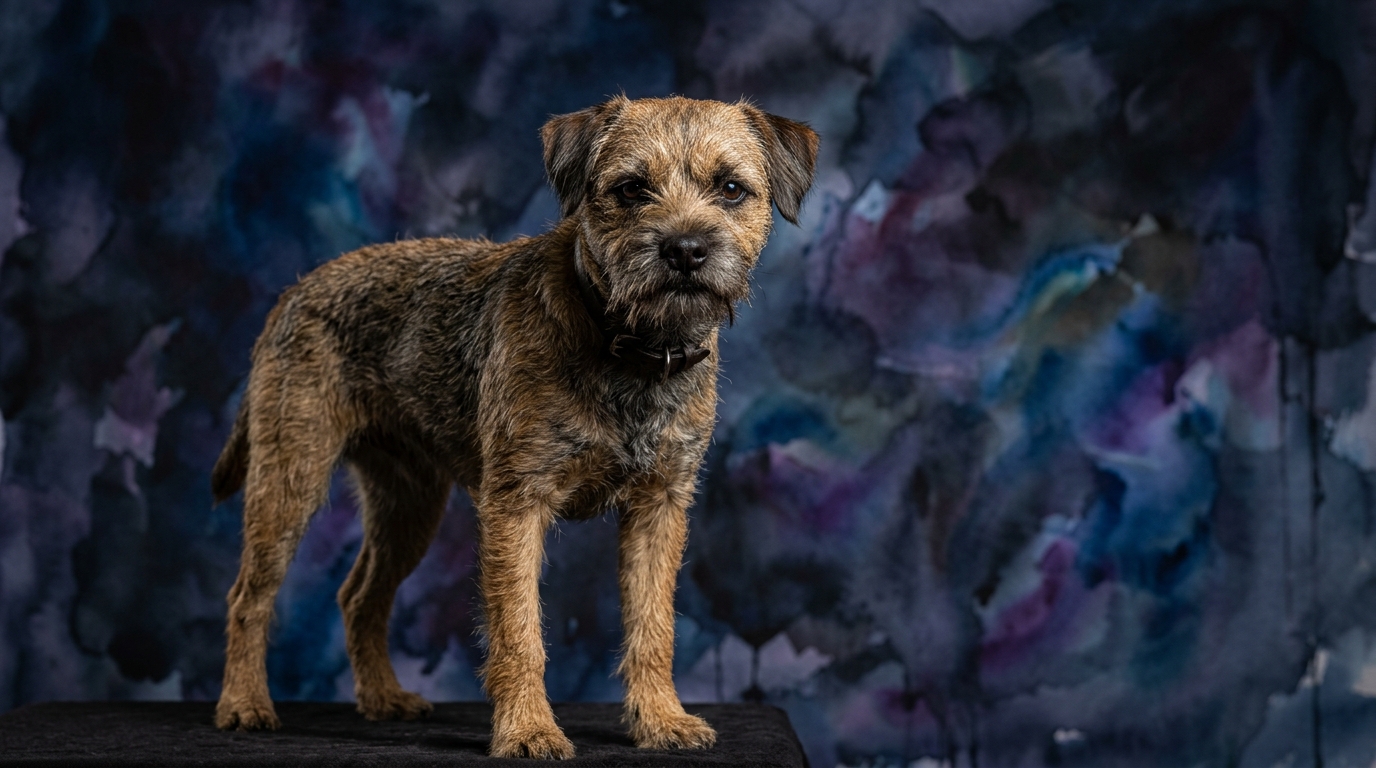

Side-by-Side Cognitive Profile
At The Cosmic Pet Pet IQ Lab, we assess canine intelligence across five key dimensions. The Border Terrier, ranking #30 on the Coren scale, presents an astute and adaptable profile. Their problem-solving ability scores 4/5, indicating strong independent thought and creative solutions to environmental challenges, like figuring out how to access a hidden treat. Training speed is a notable strength at 4/5, meaning these terriers grasp new commands quickly, often requiring fewer repetitions due to their focused engagement. Social intelligence for the Border Terrier is 3/5; they form strong bonds and understand basic human cues, though their independence can sometimes overshadow subtle social signals. Their instinctive drive, rated 3/5, manifests as a keen interest in exploring scents and a manageable prey drive. Memory stands at a robust 4/5, ensuring reliable recall of learned behaviors and past experiences.
In contrast, the Lhasa Apso, positioned at Coren rank #68, offers a different cognitive blueprint. Their problem-solving capability is 3/5; while they can navigate simple puzzles, they often prefer established routines and might approach new challenges less inventively. Training speed for the Lhasa Apso is also 3/5, suggesting they require more consistent patience and repetition, sometimes exhibiting a delightful, independent streak that extends the learning curve. Social intelligence mirrors the Border Terrier at 3/5; these dogs are deeply loyal to their family and perceptive of their emotions, but can be discerning with unfamiliar people, showcasing selective social awareness. Their instinctive drive is 3/5, rooted in their historical role as vigilant watchdogs, resulting in natural alertness and territorial awareness. Memory for the Lhasa Apso is 3/5, meaning they retain daily routines and familiar associations well, but might need more reinforcement for complex command sequences over time.
Where the Border Terrier Cognitively Excels
The Border Terrier distinctly shines in cognitive areas related to independent action and rapid learning, largely due to their higher scores in problem-solving, training speed, and memory. Their 4/5 rating in problem-solving compared to the Lhasa Apso's 3/5 signifies a greater inclination to independently strategize and overcome obstacles, such as figuring out how to open a gate or retrieve a hidden toy. This proactive approach makes them adept at navigating novel situations. Furthermore, their 4/5 training speed, a full point above the Lhasa Apso, translates into quicker acquisition of new commands and complex routines, allowing for faster progression in obedience or dog sports. Coupled with their 4/5 memory score, Border Terriers retain these complex skills for extended periods, meaning less refresher training is needed and they are more reliable in recalling commands even after long breaks.
Where the Lhasa Apso's Cognitive Strengths Lie
While the Border Terrier excels in areas requiring independent cognitive processing, the Lhasa Apso demonstrates unique strengths in its application of social intelligence and instinctive drive within its family unit. Both breeds score 3/5 in social intelligence, but the Lhasa Apso's expression is characterized by profound loyalty and a discerning nature towards outsiders. This makes them exceptionally attuned to their family's emotions and routines, forming deep bonds, while their reservedness with strangers serves as an effective, built-in security system. Their 3/5 instinctive drive, unlike the Border Terrier's prey-focused energy, is primarily channeled into acute awareness and territorial guardianship. This natural vigilance makes them excellent watchdogs, inherently alert to unusual sounds or visitors without needing extensive training for this role. Their 3/5 problem-solving, while lower, also means they are generally content within established boundaries and less inclined to seek out trouble or devise elaborate escape plans, contributing to a more predictable household dynamic.
Training Ease: Border Terrier vs. Lhasa Apso
When considering ease of training, the Border Terrier generally presents a smoother path for most owners. Their 4/5 training speed and 4/5 memory mean they typically grasp and retain new commands with remarkable efficiency. Border Terriers are often eager to engage and respond well to positive reinforcement, quickly connecting actions with rewards. Their 4/5 problem-solving ability also helps them "figure out" what an owner is asking, accelerating the learning process. This breed's inherent terrier drive, while needing appropriate channeling, can be harnessed for various activities. In contrast, the Lhasa Apso, with a 3/5 training speed and memory, typically requires more patience and consistent repetition. Their independent nature can manifest as a selective willingness to obey, sometimes perceived as stubbornness. While deeply loyal, a Lhasa Apso often needs to be convinced that a command is worth their effort, demanding a more persistent and understanding hand, focusing on building trust and making training rewarding.
Matching Breeds to Lifestyles: Active vs. Relaxed Owners
The choice between a Border Terrier and a Lhasa Apso largely depends on an owner's lifestyle. An active owner, who enjoys regular outdoor adventures, dog sports, or dedicated training, would find the Border Terrier a more fitting companion. Their combination of 4/5 problem-solving and 4/5 training speed means they thrive on mental and physical challenges, requiring consistent engagement. These terriers possess an underlying zest for life and an exploratory instinct that, if not channeled, can lead to boredom. Conversely, the Lhasa Apso is often a better match for more relaxed owners or those seeking a devoted indoor companion. While they appreciate walks, their exercise requirements are generally moderate. Their 3/5 problem-solving and training speed, coupled with a contentedness for established routines, means they are less likely to demand constant stimulation. Their natural watchdog instincts fulfill a purpose within the home, and they are typically satisfied with being a close, observant family member.
The Verdict
Choose the Border Terrier if you seek an active, quick-witted partner eager to learn complex tasks and join you on adventures, thriving on mental and physical challenges. This breed will excel with owners who can provide consistent, engaging training and plenty of opportunities for exploration.
Opt for the Lhasa Apso if your lifestyle leans towards a more relaxed pace, desiring a deeply loyal and observant companion content with established routines and moderate activity. This breed suits owners who appreciate a discerning friend and are prepared for a patient, consistent training approach.
🧠 Find Your Pet's IQ Score
Our Pet IQ Lab assessment covers 25+ tests across 5 cognitive dimensions — personalized to your breed.
Take the Full IQ Test →Frequently Asked Questions
Is the Border Terrier genuinely quicker to learn than the Lhasa Apso?
The Cosmic Pet Pet IQ Lab data indicates the Border Terrier generally scores higher in problem-solving, training speed, and memory. This suggests they process information and learn new tasks more rapidly, and retain that knowledge for longer periods compared to the Lhasa Apso.
Do Lhasa Apsos have any cognitive advantages over Border Terriers?
While not scoring higher in direct cognitive measures, the Lhasa Apso's 3/5 social intelligence is expressed as profound loyalty and discernment, making them exceptional family guardians. Their 3/5 instinctive drive is perfectly suited for their watchdog role, a distinct advantage for home security and awareness.
Which breed is better for first-time dog owners?
The Border Terrier's faster training speed and strong memory can make them easier to teach foundational commands for first-timers willing to provide ample mental and physical engagement. However, a patient first-time owner seeking a less demanding exercise routine might find the loyal Lhasa Apso suitable, provided they commit to consistent, positive reinforcement training.