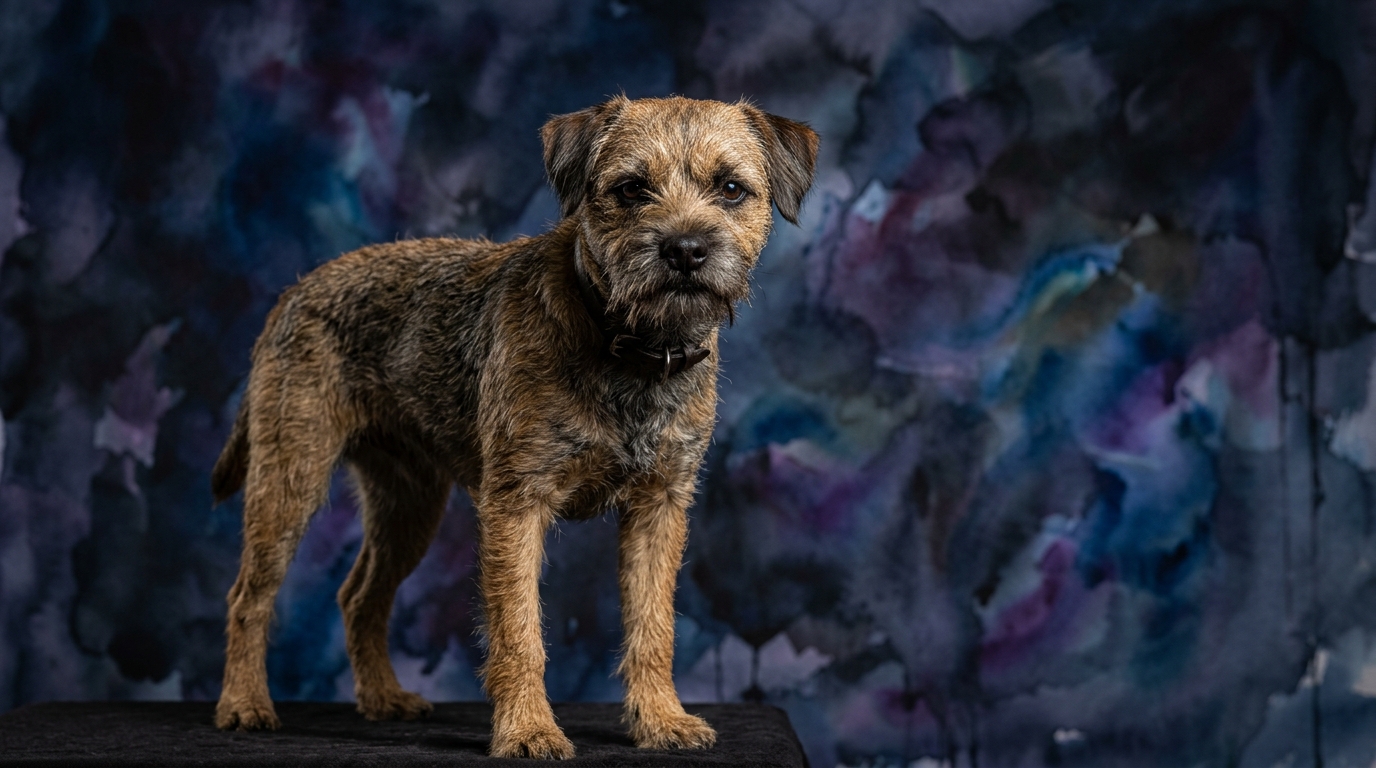
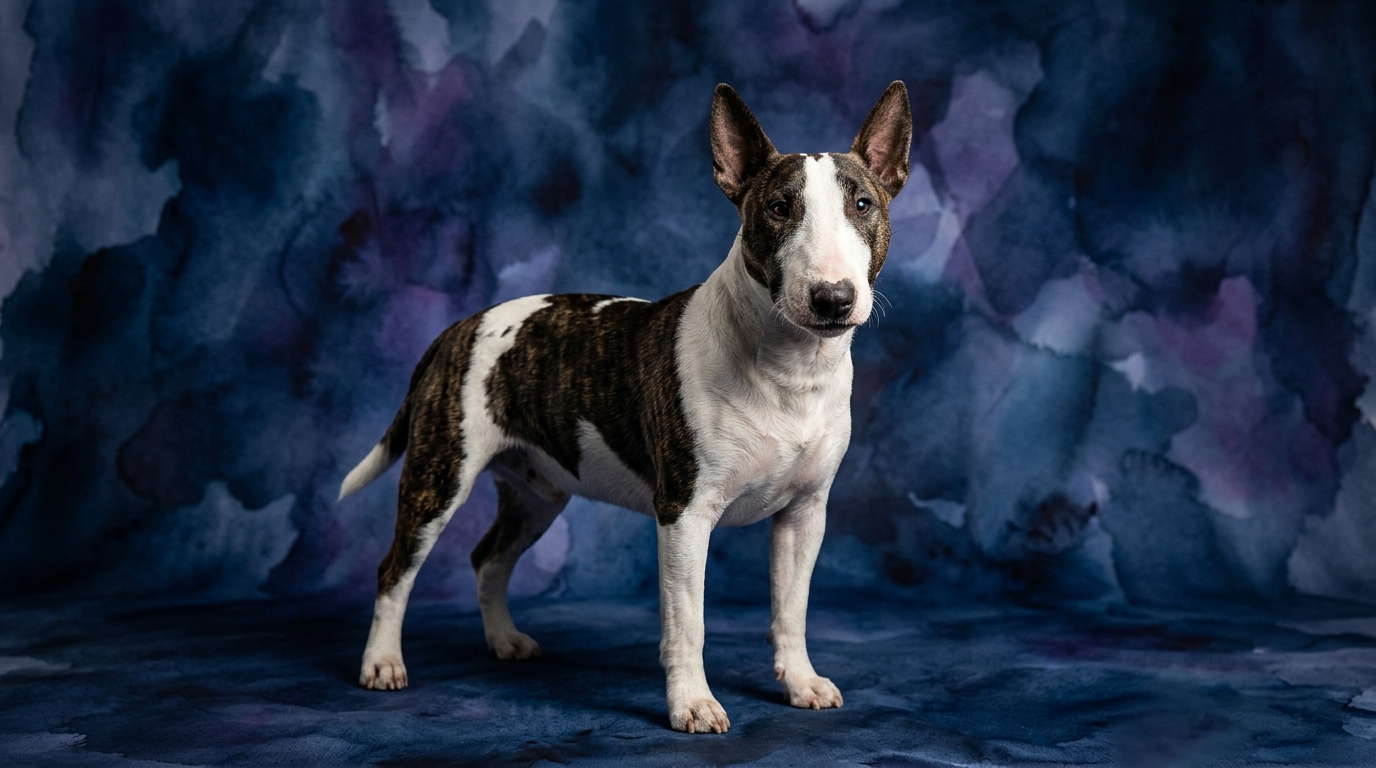
Side-by-Side Pet IQ Profile
Within The Cosmic Pet Pet IQ Lab framework, the Border Terrier exhibits a robust cognitive profile, starting with Problem Solving at 4/5. This indicates a dog highly adept at independently deciphering novel situations, such as figuring out how to bypass an obstacle to reach a desired object or mastering complex sequences in interactive puzzle toys. Their Training Speed, also rated 4/5, signifies a remarkable capacity to absorb new commands and routines with efficiency, often requiring fewer repetitions than many breeds to achieve mastery. Social Intelligence, at 3/5, suggests a competent understanding of basic human and canine social cues, though they might not always interpret the most subtle nuances of complex interactions. An Instinctive Drive of 3/5 points to a moderate but present inherent motivation for traditional terrier activities like chasing small prey or digging, which is generally manageable with consistent guidance. Finally, their Memory, rated 4/5, allows them to retain learned behaviors, past experiences, and routines with impressive consistency over extended periods.
The Miniature Bull Terrier presents a more consistent, yet still capable, cognitive profile. Their Problem Solving score of 3/5 indicates a practical intelligence, enabling them to learn established routines and solve straightforward, concrete problems effectively, without necessarily seeking out or thriving on highly abstract or complex mental challenges. A Training Speed of 3/5 suggests they learn at a steady, reliable pace, requiring clear, consistent methods and sufficient repetition to ingrain new commands, but they are not unusually difficult to teach. Social Intelligence, also at 3/5, means they generally understand and respond to fundamental social cues from humans and other dogs, tending towards a more direct and less overtly sensitive interpretation of complex social dynamics. Their Instinctive Drive, rated 3/5, reflects a moderate, typical terrier inclination for activities like chasing and exploring, which is usually controllable within a structured environment. Lastly, a Memory score of 3/5 indicates a sufficient capacity to recall commands and routines, though perhaps without the exceptional long-term precision seen in breeds with higher scores.
Where the Border Terrier Wins Cognitively
The Border Terrier distinctly outshines the Miniature Bull Terrier in several cognitive domains, particularly in problem-solving, training speed, and memory, all rated 4/5 compared to the Mini Bull's 3/5. A Border Terrier's elevated problem-solving ability means they are more likely to independently figure out how to open a gate, retrieve a hidden toy, or navigate a complex agility course without extensive guidance. This cognitive agility translates into a dog that actively engages with its environment, often seeking out mental stimulation rather than passively waiting for instruction. Their superior training speed means new commands are often grasped with fewer repetitions, making the initial stages of obedience training feel more fluid and rewarding. Furthermore, their stronger memory allows them to retain a vast repertoire of commands, routines, and experiences over longer periods, leading to more reliable recall and consistent behavior even after a break from training.
Where the Miniature Bull Terrier Wins Cognitively
While the Miniature Bull Terrier doesn't boast higher numerical scores, its consistent 3/5 ratings across all dimensions suggest a cognitive profile that offers unique advantages for certain owners. Its 3/5 problem-solving means it’s less likely to actively seek out complicated puzzles or devise elaborate schemes to get into mischief, potentially leading to a more straightforward and less demanding household companion. This isn't a deficit but rather a temperament that values consistency over constant novelty and can be more content with established routines. Similarly, a 3/5 in social intelligence, while indicating less nuanced interpretation of subtle cues, often translates to an uncomplicated, direct social style, less prone to overthinking interactions or exhibiting anxiety over ambiguous signals. For owners seeking a companion with a robust, unpretentious disposition, this directness can be a significant 'win,' fostering a clear and predictable bond without the constant need to decipher complex canine communication.
Which is Easier to Train and Why
Based on their respective 'Training Speed' scores, the Border Terrier (4/5) generally presents as an easier dog to train compared to the Miniature Bull Terrier (3/5). A Border Terrier's quicker grasp of concepts means it requires fewer repetitions to solidify a command, often showing enthusiasm for learning new tasks and responding more readily to positive reinforcement. Their higher problem-solving and memory also contribute to this ease, allowing them to connect actions with consequences more efficiently and recall learned behaviors consistently. This translates to a more fluid and often faster training progression, making them a satisfying choice for owners who enjoy teaching complex sequences or participating in dog sports.
In contrast, the Miniature Bull Terrier, with its 3/5 training speed, demands more patience and consistency from its trainer. While capable of learning, they may require more repetitions and a highly engaging, varied approach to maintain focus and motivation. Their strong, independent terrier spirit, combined with a slightly slower cognitive processing speed for training, means that owners must be prepared for a more deliberate and persistent training journey, focusing on clarity and reward-based methods to achieve reliable results. Their training might be a marathon rather than a sprint, rewarding dedication with a well-behaved companion.
Which Suits Active Owners vs. Relaxed Owners
The cognitive profiles of these two terriers suggest distinct fits for different owner lifestyles. The Border Terrier, with its 4/5 in problem-solving and training speed, thrives with active owners who enjoy mental challenges as much as physical ones. These dogs benefit from regular training sessions that introduce new tricks, puzzle toys, and activities like agility or earthdog trials, which engage their keen minds. Their moderate instinctive drive means they appreciate a good hunt for vermin or a vigorous outdoor adventure, making them excellent companions for hikers, runners, or those involved in dog sports who can provide consistent intellectual stimulation.
Conversely, the Miniature Bull Terrier, while still a terrier requiring daily exercise, might appeal more to owners who appreciate a dog with a robust, less 'needy' intellectual disposition. Its consistent 3/5 scores across the board suggest a companion that is content with clear routines and predictable interactions, rather than constantly seeking out complex mental tasks. While they still require physical activity to manage their instinctive drive and prevent boredom, their cognitive profile might be a better match for owners who prefer a strong, playful companion without the intense demand for constant, varied mental stimulation that a Border Terrier often seeks, valuing reliability and straightforward companionship.
The Verdict
Choose the Border Terrier if you seek a highly trainable, mentally agile companion eager to learn new tasks and engage in complex problem-solving activities consistently.
Choose the Miniature Bull Terrier if you prefer a robust, straightforward companion with a predictable temperament, valuing consistency and direct interaction over constant intellectual novelty.
🧠 Find Your Pet's IQ Score
Our Pet IQ Lab assessment covers 25+ tests across 5 cognitive dimensions — personalized to your breed.
Take the Full IQ Test →Frequently Asked Questions
Is the Border Terrier better at learning tricks?
Yes, with a training speed of 4/5 and problem-solving at 4/5, Border Terriers typically learn new tricks more quickly and are adept at figuring out novel commands or sequences compared to Miniature Bull Terriers. Their keen memory also aids in retaining these learned behaviors over time.
How do their social skills compare?
Both breeds score 3/5 in social intelligence, indicating a similar baseline for understanding social cues. Neither is exceptionally nuanced, but both are generally competent in interactions; the Miniature Bull Terrier's directness might be perceived as less complex socially, leading to straightforward relationships.
Do Miniature Bull Terriers need less mental stimulation?
While all terriers need mental engagement, the Miniature Bull Terrier's 3/5 problem-solving score suggests they might be content with less complex mental challenges than a Border Terrier (4/5). They still benefit from routine enrichment and play, but may not constantly seek out intricate puzzles or novel intellectual tasks with the same intensity.