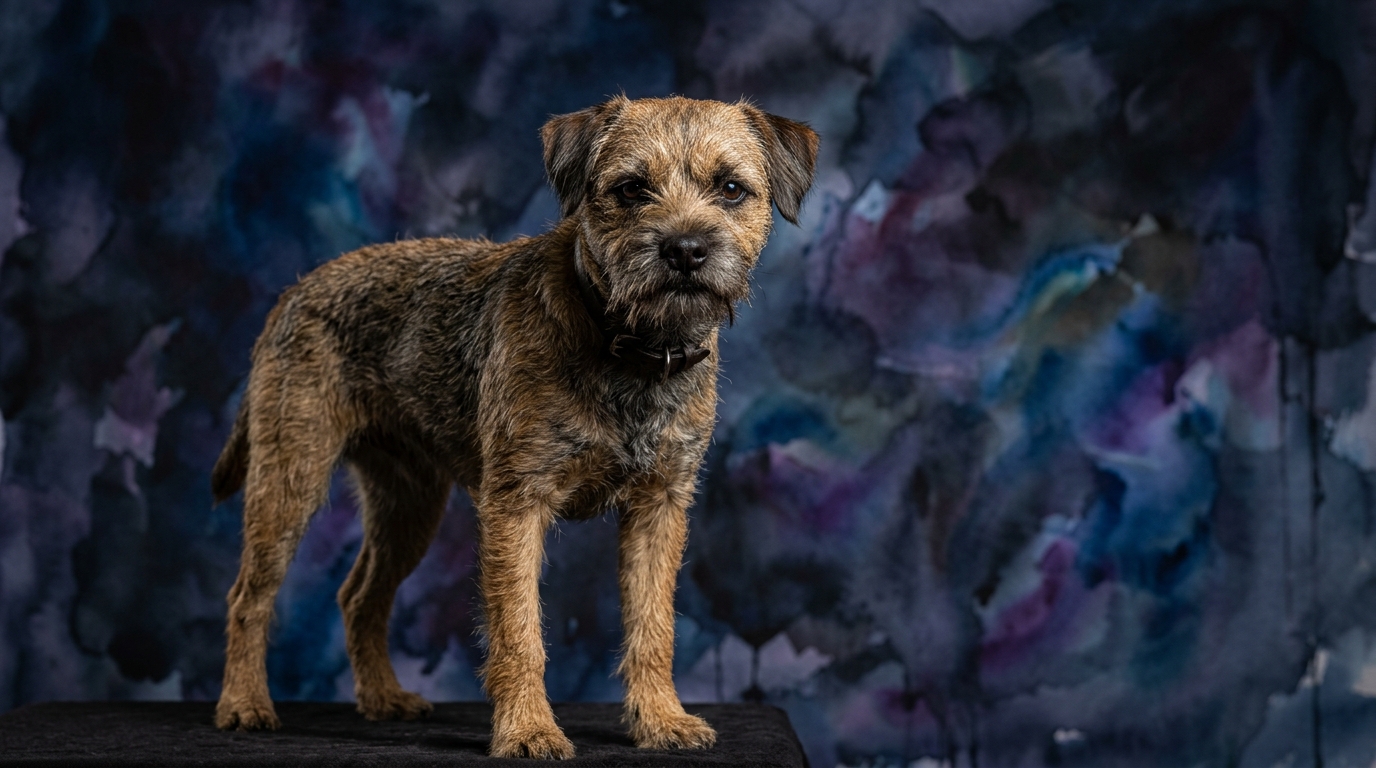
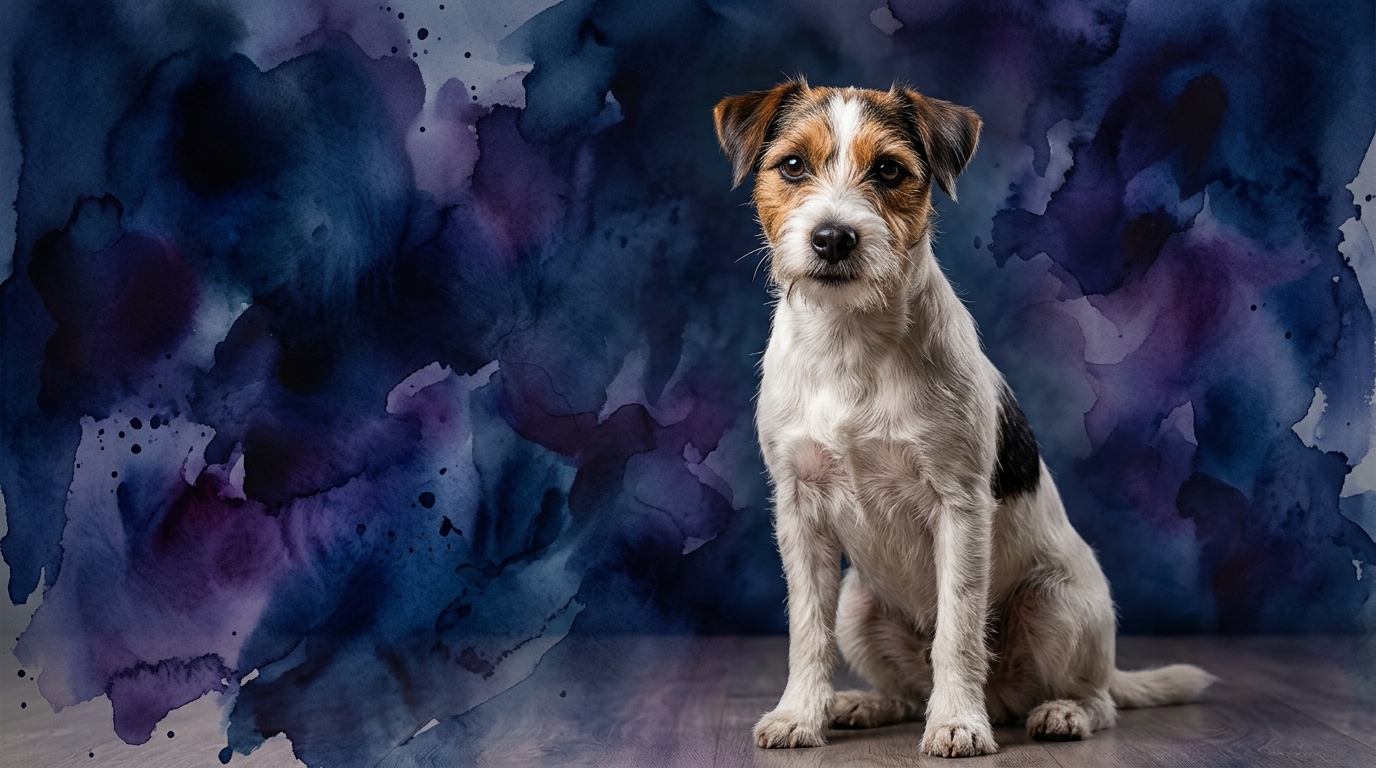
Side-by-Side IQ Profile: Border Terrier vs. Parson Russell Terrier
At The Cosmic Pet Pet IQ Lab, we assess canine intelligence across five key dimensions, offering a granular view of a breed's cognitive strengths. For the Border Terrier, ranked #30 by Coren, and the unranked Parson Russell Terrier, these scores illuminate their unique mental landscapes.
The Border Terrier (Coren rank #30) presents a well-rounded cognitive profile. Its Problem Solving is rated at 4/5, indicating a strong capacity for independent thought and creative solutions to obstacles, whether it's navigating complex environments or figuring out how to access a desired item. Training Speed also scores 4/5, suggesting these dogs pick up new commands and routines with impressive efficiency, often eager to engage and associate actions with positive outcomes. Social Intelligence stands at 3/5, showing a solid ability to interpret human cues and interact appropriately within a family setting, forming strong bonds without excessive emotional intensity. Instinctive Drive is rated 3/5, reflecting their working heritage with a moderate, yet distinct, desire to chase, dig, and explore, which is generally manageable. Finally, Memory is a strong 4/5, demonstrating excellent recall for learned commands, routines, and past experiences, contributing significantly to their training progress and reliability.
The Parson Russell Terrier, while not Coren-ranked, possesses a distinct terrier intelligence. Its Problem Solving is rated 3/5, indicating practical abilities often characterized by persistence and tenacity rather than intricate planning, sometimes preferring relentless effort over nuanced strategies. Training Speed is 3/5, meaning these terriers learn at a steady pace, but their independent nature often requires consistent, engaging guidance to maintain focus and accelerate learning. Social Intelligence is 3/5, similar to the Border Terrier, allowing them to read basic human cues and form strong attachments, though their independent streak means their own inclinations can sometimes override immediate human direction. Instinctive Drive is 3/5, a robust score reflecting their powerful heritage for hunting and chasing, which is a core part of their identity and requires consistent outlets. Memory is rated 3/5, showing decent retention for consistently reinforced commands and routines, though occasional refreshers or stronger initial conditioning may be needed, particularly if tasks lack immediate reward.
Where the Border Terrier Wins Cognitively
The Border Terrier truly shines in areas demanding cognitive flexibility and efficient learning. Their superior Problem Solving (4/5) means they are often quicker to grasp complex tasks, such as puzzle toys or multi-step obedience sequences, demonstrating an innate ability to reason through novel situations. Furthermore, their higher Training Speed (4/5) and Memory (4/5) scores indicate a breed that not only absorbs new information rapidly but also retains it with remarkable consistency, making advanced training and habit formation a more streamlined process. This combination allows them to adapt to new environments and routines with greater ease, often anticipating expectations rather than merely reacting to commands.
Where the Parson Russell Terrier's Cognitive Profile Offers Distinct Advantages
While the Parson Russell Terrier's scores are generally a point lower, their cognitive profile offers distinct advantages, particularly in situations demanding sheer tenacity and independent action. Their Problem Solving (3/5) might be less about intricate planning and more about persistent, determined effort, making them formidable in tasks requiring relentless pursuit or overcoming physical obstacles through sheer will. This breed's strong instinctive drive, combined with their practical intelligence, means they excel in pursuits that tap into their natural terrier instincts, often demonstrating an unshakeable focus when engaged in activities like earthdog trials or agility courses where their independent spirit is an asset rather than a challenge. Their cognitive strength lies in their unwavering focus on a goal once engaged, pushing through challenges where others might give up.
Which Is Easier to Train and Why
Comparing their trainability, the Border Terrier generally presents as the easier student due to its higher Training Speed (4/5) and Memory (4/5). Their quicker grasp of commands and better retention mean fewer repetitions are often needed, and they are typically more inclined to please their handler. A Border Terrier's solid social intelligence, coupled with their moderate instinctive drive, allows for a more focused and cooperative training experience. In contrast, the Parson Russell Terrier, with a Training Speed and Memory of 3/5, requires more patience and consistency. Their strong independent streak and robust instinctive drive can sometimes override the desire to comply, meaning trainers must be exceptionally engaging, making training sessions feel like a game rather than a chore. While both breeds are capable of learning, the Border Terrier's cognitive makeup leans towards a more amenable and efficient training journey, whereas the Parson Russell demands a more persistent and creative approach to harness its spirited intelligence.
Which Suits Active Owners vs. Relaxed Owners
Both breeds are terriers, implying a certain level of activity, but their cognitive profiles suggest nuances in their ideal owner match. The Border Terrier, with its balanced instinctive drive (3/5) and higher problem-solving aptitude, thrives with active owners who enjoy engaging them in various structured activities like obedience, agility, or long hikes. Their capacity for learning makes them excellent companions for owners who want to teach tricks or participate in dog sports. For owners seeking a more relaxed pace, the Border Terrier can adapt, provided their cognitive and physical needs are met through regular, stimulating walks and interactive play. The Parson Russell Terrier, however, with its equally strong instinctive drive (3/5) and a more independent problem-solving style, is unequivocally suited for highly active owners. Their relentless energy and unwavering determination demand consistent physical exercise and mental stimulation that taps into their working heritage. A relaxed owner might find themselves overwhelmed by a Parson Russell's need for engagement and outlet, as their cognitive makeup pushes them to be constantly exploring and 'working,' making them better suited for dynamic, experienced handlers.
The Verdict
Choose the Border Terrier if you seek a highly trainable companion with strong problem-solving skills and reliable memory, ideal for owners who enjoy structured activities and a slightly more adaptable energy level.
Opt for the Parson Russell Terrier if you are a highly active, experienced owner prepared for a tenacious, independent spirit that thrives on relentless engagement and challenging, instinct-driven activities.
🧠 Find Your Pet's IQ Score
Our Pet IQ Lab assessment covers 25+ tests across 5 cognitive dimensions — personalized to your breed.
Take the Full IQ Test →Frequently Asked Questions
Do Border Terriers or Parson Russell Terriers make better family pets?
Both can be wonderful family pets, but their suitability depends on the family's lifestyle. Border Terriers are generally more adaptable and slightly easier to manage due to their quicker training speed, while Parson Russells require a family prepared for their higher energy and independent nature, needing consistent engagement.
Which breed is more prone to digging or chasing?
Both breeds possess strong terrier instincts for digging and chasing due to their working heritage. However, the Parson Russell Terrier's robust instinctive drive, combined with its tenacious problem-solving approach, might lead to more persistent and determined efforts in these activities compared to the Border Terrier, which often shows a slightly more manageable drive.
How important is mental stimulation for these terrier breeds?
Mental stimulation is critically important for both, but for different reasons. The Border Terrier's higher problem-solving and memory scores mean they benefit greatly from puzzles and learning new tasks to prevent boredom, while the Parson Russell Terrier's independent and persistent nature requires constant mental engagement to channel its formidable energy and prevent destructive behaviors.