Side-by-Side Cognitive Profiles
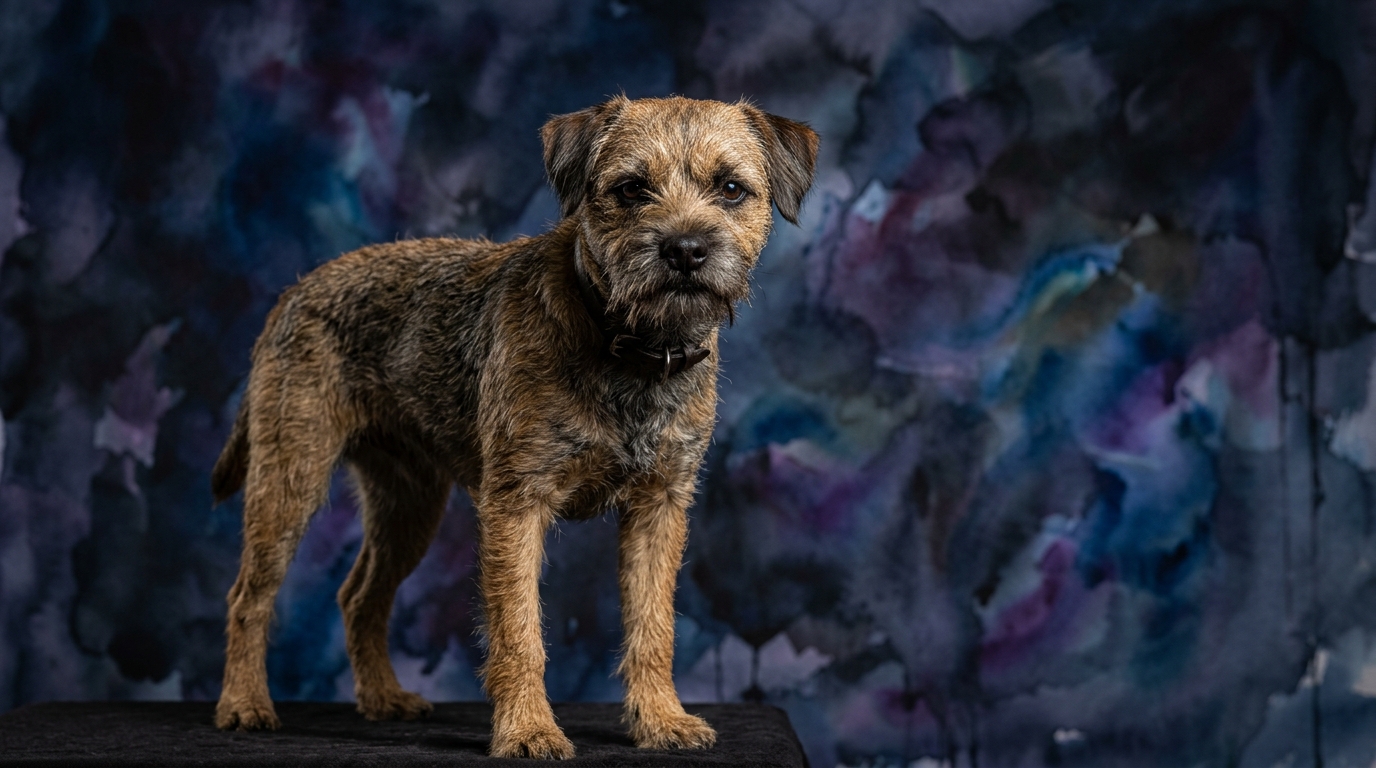
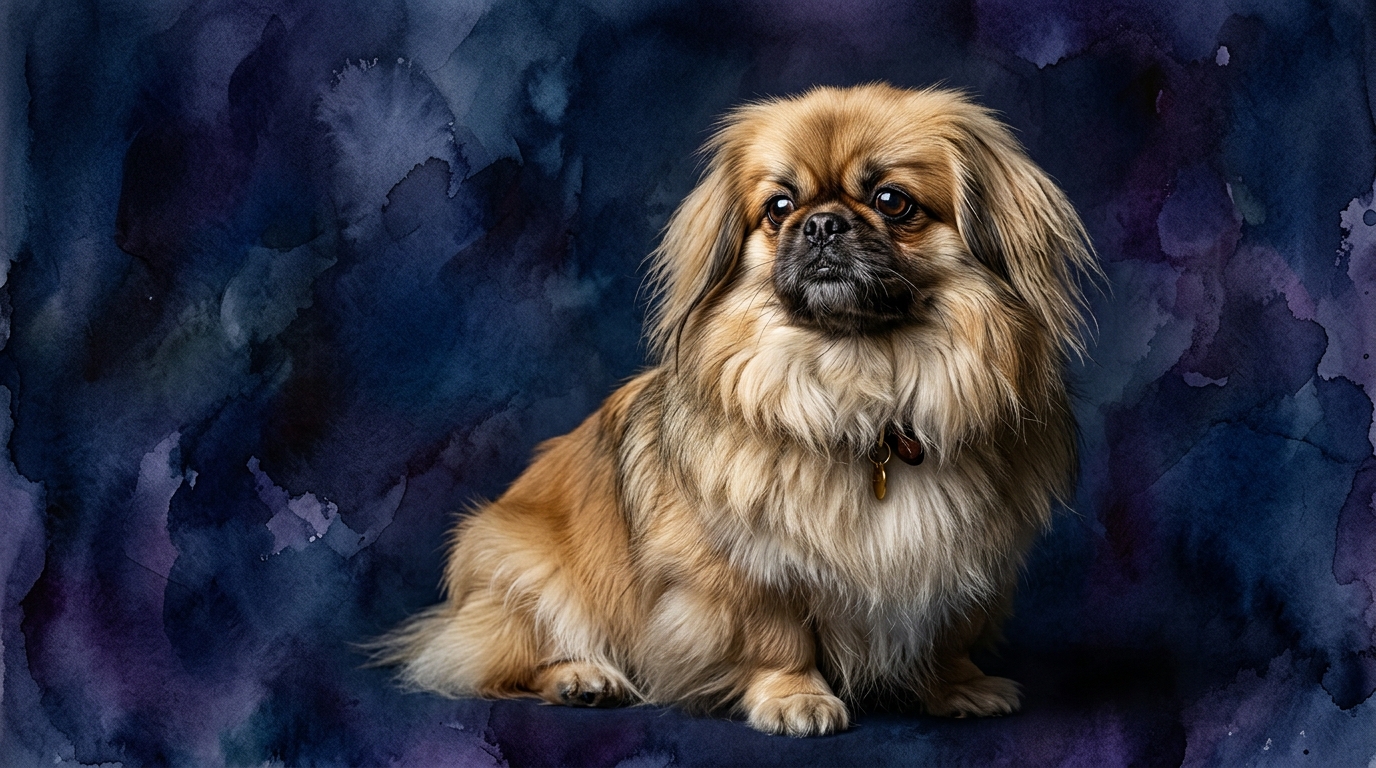
To understand the intellectual fabric of these two breeds, we examine five key dimensions of canine intelligence as measured by The Cosmic Pet Pet IQ Lab. The Border Terrier, with a Coren ranking of #30, presents a profile reflecting its working heritage, while the Pekingese, ranked #77, showcases an intelligence tailored to its historical role as a companion.
The Border Terrier demonstrates strong capabilities across several cognitive domains. Its Problem Solving is rated at 4/5, indicating a dog that is adept at navigating novel situations and figuring out solutions to environmental challenges. Training Speed also scores 4/5, suggesting a quick uptake of new commands and routines. Social Intelligence stands at 3/5, meaning they are capable of understanding human cues but perhaps not overly demonstrative in their social interactions. Instinctive Drive is 3/5, retaining a degree of their ancestral working instincts, and Memory is a robust 4/5, allowing them to recall information and experiences with precision.
The Pekingese offers a different cognitive blueprint. Its Problem Solving is rated 3/5, indicating a capacity for learning and adaptation, though perhaps with less independent initiative in complex tasks. Training Speed is also 3/5, meaning they can learn, but often require more patience and tailored motivation. Social Intelligence matches the Border Terrier at 3/5, reflecting their ability to form strong bonds and interpret human moods. Instinctive Drive is 3/5, manifesting as a strong companion and occasionally protective instinct rather than a working drive. Memory is 3/5, allowing them to remember routines and familiar faces, though possibly with less detail retention than the Border Terrier.
Where the Border Terrier Demonstrates Cognitive Strengths
The Border Terrier's cognitive profile highlights several areas where its intellectual aptitudes shine, particularly when compared to the Pekingese. Its Problem Solving score of 4/5 speaks to a breed that isn't content to wait for solutions; they actively seek them out. This manifests in their ability to independently figure out how to access a desired toy hidden in a puzzle, or to navigate a complex new environment with confidence and curiosity. They are the dogs who might surprise you by opening a gate they've observed you manipulate, or by devising a strategy to retrieve a ball stuck under furniture.
The Border Terrier's 4/5 Training Speed is another significant advantage. This breed typically grasps new commands and concepts in fewer repetitions, making them highly responsive to structured training. This quick learning curve means they can progress rapidly through obedience classes, excel in canine sports like agility or earthdog trials, and master a wide repertoire of tricks. Their intrinsic motivation to engage and work alongside their human partners fuels this rapid acquisition of skills. Their superior Memory (4/5) further enhances their training efficiency, ensuring that once a command or routine is learned, it is retained for the long term, reducing the need for constant refreshers and building a solid foundation for advanced learning.
Distinctive Pekingese Cognitive Traits
While the Pekingese's individual cognitive scores might be numerically lower or equal to the Border Terrier's, their intelligence is uniquely adapted to their historical role as revered companions. Their cognitive strengths lie in nuances often overlooked in task-oriented assessments, focusing instead on social finesse and domestic resourcefulness.
The Pekingese's Social Intelligence, at 3/5, manifests as a sophisticated understanding of subtle human cues and emotional states. They are adept at using their charm, and sometimes their stubbornness, to communicate their desires or secure comfort. This isn't a boisterous social intelligence, but a refined ability to read their human's mood, discerning who is 'theirs' and who is a potential disruptor to their serene existence. Their Problem Solving (3/5) often centers on navigating their domestic environment to optimize personal comfort and access to human attention. This might involve strategically positioning themselves for optimal sunbeams, or employing a specific vocalization to prompt a desired action from their owner, demonstrating a distinct form of environmental and social manipulation.
Their Instinctive Drive (3/5) is less about physical exertion and more about their role as a devoted, if sometimes demanding, companion and home guardian. This drive fosters a profound bond and a sense of territoriality over their chosen human and living space. While their Training Speed (3/5) might require more patience and creative motivation, the Pekingese, once a habit is ingrained, can exhibit remarkable consistency. Their Memory (3/5) ensures they remember their routines, their preferred human's schedule, and who provides the best belly rubs, solidifying a predictable and comforting daily life.
Ease of Training: Border Terrier vs. Pekingese
When considering ease of training, the Border Terrier generally presents a more straightforward experience due to its higher Training Speed (4/5) and inherent eagerness to engage. Their working background means they are often motivated by tasks and derive satisfaction from performing duties alongside their human. This translates into a dog that typically picks up new commands quickly, responds well to positive reinforcement, and enjoys the mental stimulation that training provides. Their cooperative nature and focus make them excellent candidates for various dog sports and advanced obedience.
The Pekingese, with a Training Speed of 3/5, requires a different approach. They are often described as independent and can be less motivated by the desire to 'please' in the traditional sense, focusing instead on their own comfort and preferences. Training a Pekingese demands significant patience, consistency, and a deep understanding of what truly motivates them, often food or comfort. They may not respond to repetitive drills with enthusiasm and can appear stubborn if they don't see the immediate benefit. However, with gentle, positive reinforcement methods and by making training feel like a game or a pathway to a desired reward, Pekingese can learn and integrate commands into their routines effectively, albeit at a slower pace.
Matching Cognitive Profiles to Lifestyles
The cognitive profiles of these two breeds naturally align with different owner lifestyles. The Border Terrier, with its higher problem-solving abilities (4/5) and robust memory (4/5), thrives with active owners who enjoy providing mental and physical challenges. They are well-suited for individuals or families who engage in outdoor adventures, hiking, long walks, or participate in canine sports like agility, earthdog, or obedience. Their need for intellectual engagement means they benefit from puzzle toys, training sessions that introduce new concepts, and opportunities to explore varied environments. An owner who can channel their terrier instincts into constructive activities will find a highly rewarding partnership.
Conversely, the Pekingese, with its intelligence geared towards companionship and comfort, is an ideal match for more relaxed owners. They are content with a less physically demanding lifestyle, preferring shorter, leisurely strolls and plenty of indoor companionship. Their social intelligence (3/5) and focus on their human's presence make them excellent lapdogs and devoted companions for those who appreciate a calm, yet opinionated, presence. Owners who are willing to appreciate their subtle communications, provide a comfortable home, and engage in gentle, consistent training will find a loyal and affectionate friend in the Pekingese. They thrive on emotional presence and a predictable routine, rather than constant high-energy activities.
The Verdict
Choose the Border Terrier if you seek an active, quick-learning, and highly engaged partner for outdoor adventures, canine sports, and consistent training challenges.
Choose the Pekingese if you desire a devoted, independent, and discerning companion who thrives on a relaxed lifestyle, abundant affection, and a patient, understanding approach to their unique intellect.
🧠 Find Your Pet's IQ Score
Our Pet IQ Lab assessment covers 25+ tests across 5 cognitive dimensions — personalized to your breed.
Take the Full IQ Test →Frequently Asked Questions
Is the Pekingese difficult to train due to its lower training speed score?
While the Pekingese has a 3/5 training speed, indicating they learn at a slower pace than some breeds, they are certainly trainable. Success requires patience, consistency, and finding the right motivators, often food or comfort, rather than relying on a strong desire to please.
Do Border Terriers require a lot of mental stimulation?
Absolutely. With a 4/5 problem-solving score and strong memory, Border Terriers thrive on mental challenges. Providing puzzle toys, varied training, and opportunities to explore and learn new things is crucial to prevent boredom and ensure a well-adjusted companion.
How does social intelligence manifest differently between these two breeds despite the same score?
For the Border Terrier, 3/5 social intelligence often means they understand cues and bond well, but might be less overtly demonstrative. For the Pekingese, 3/5 social intelligence translates to a nuanced understanding of human emotions and subtle communication, using their charm and sometimes their stubbornness to influence their environment and secure comfort from their chosen human.