Side-by-Side Pet IQ Lab Profile
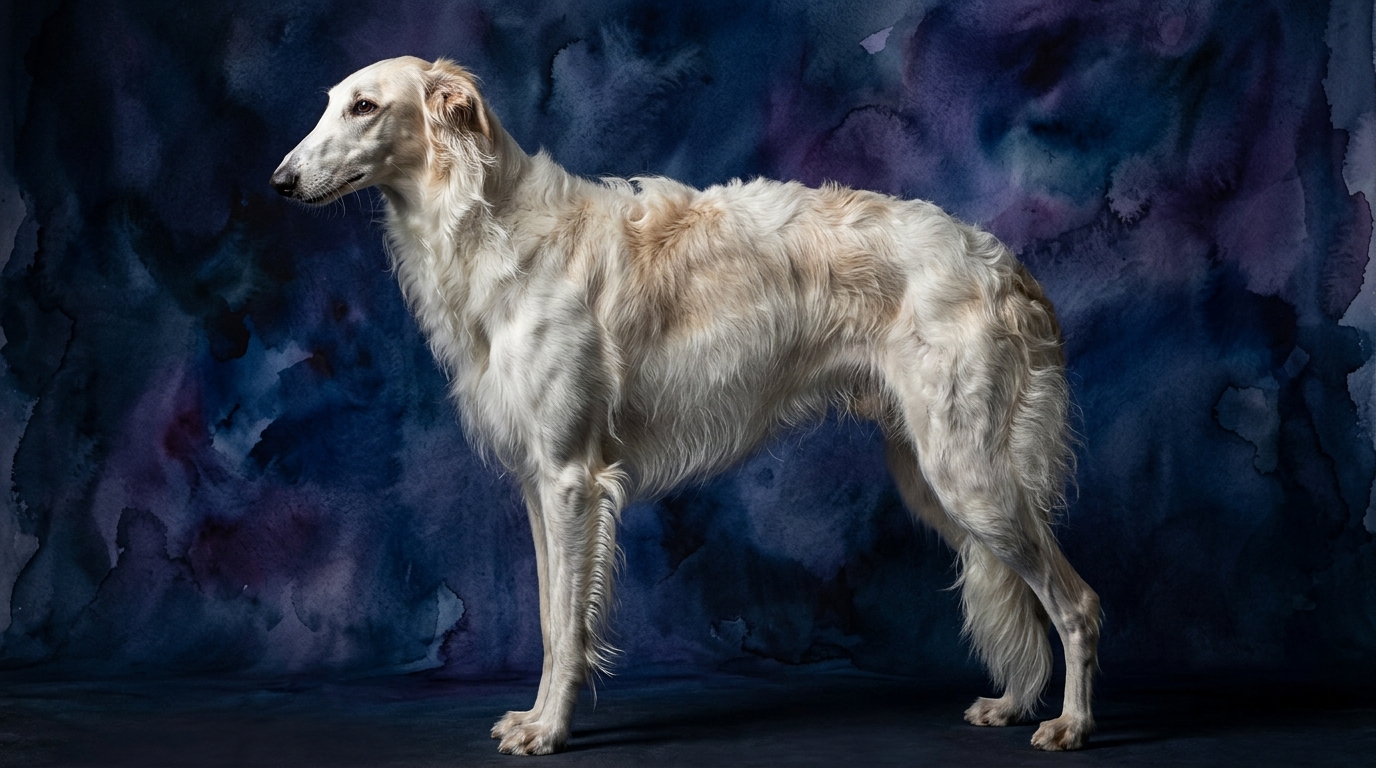
**Borzoi (Coren Rank #75):** The Borzoi, a sighthound, typically displays a Problem Solving score of 3/5, manifesting in strategic pursuit. They rapidly assess movement, distance, and terrain to calculate optimal interception paths during a chase. Their Training Speed, also 3/5, reflects an independent spirit; they learn efficiently but often on their own terms, valuing intrinsic motivation. Social Intelligence at 3/5 means they are observant and discerning, forming deep bonds with chosen humans but reserved with strangers. An Instinctive Drive of 3/5 points to their strong prey drive and need for expansive physical outlets. Finally, their Memory at 3/5 allows them to recall complex hunting patterns, familiar routes, and human habits.
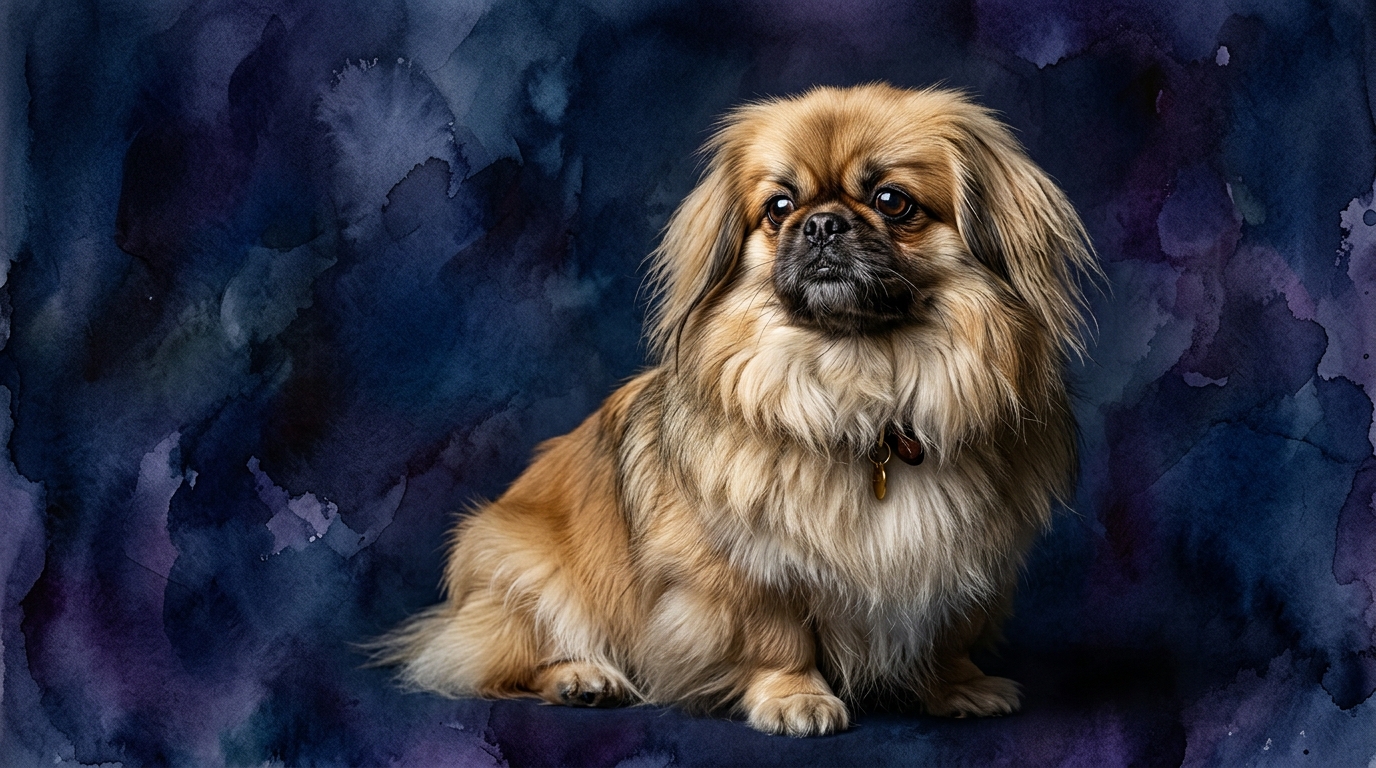
**Pekingese (Coren Rank #77):** The Pekingese, a companion to royalty, shares the 3/5 Problem Solving score, though applied differently. Their problem-solving involves cleverly manipulating environment or humans for comfort or attention, demonstrating a keen understanding of household dynamics. A Training Speed of 3/5 indicates they are capable learners, yet their self-assured nature requires patient, positive reinforcement, disliking perceived coercion. Their Social Intelligence at 3/5 is expressed in discerning loyalty and reading subtle human cues, forming intense bonds within family while remaining aloof with strangers. An Instinctive Drive of 3/5 manifests as strong territoriality and self-preservation regarding comfort. Their Memory, also 3/5, enables recall of routines, preferred spots, and key individuals.
Where the Borzoi Excels Cognitively
Despite identical numerical scores, the Borzoi's cognitive strengths shine in domains requiring independent thought and physical prowess in open, dynamic environments. Their 3/5 Problem Solving is uniquely geared towards rapid, real-world challenges, such as calculating the fastest interception path for a moving object over varied terrain. This involves applying quick, instinct-driven decisions in fluid, high-stakes situations that demand immediate execution. Their capacity to process visual information at speed and make split-second adjustments is a distinct cognitive advantage. Furthermore, their 3/5 Instinctive Drive, deeply intertwined with their physical design, means they excel in activities that tap into their sighthound heritage. This drive manifests as focused determination and endurance when pursuing a perceived “prey” item, whether a lure or a thrown toy. This deep-seated cognitive motivation, channeled appropriately, allows for a remarkable display of applied intelligence in their naturalistic pursuits, demonstrating sustained mental and physical engagement.
Where the Pekingese Excels Cognitively
The Pekingese, while physically diminutive, possesses a distinct cognitive edge in areas of subtle social navigation and environmental mastery within a domestic setting. Their 3/5 Problem Solving, for instance, is often expressed through a sophisticated understanding of household hierarchies, human moods, and established routines, enabling them to strategically position themselves for maximum comfort or attention. A Pekingese might “problem-solve” by figuring out how to get a preferred treat from a specific family member or how to claim the most comfortable spot on the sofa, displaying a nuanced grasp of their immediate environment. This involves careful assessment of opportunities and consequences within their social sphere. Their 3/5 Social Intelligence is particularly acute in recognizing and responding to the emotional states of primary caregivers, offering quiet companionship or demanding reassurance. This capacity for intricate social bonding and subtle, non-verbal communication within their chosen family unit is a hallmark of their cognitive strengths.
Trainability: Nuances Behind the Scores
When considering ease of training, the identical 3/5 Training Speed scores for both breeds belie significant behavioral differences. The Borzoi, as a sighthound, often learns quickly when tasks align with natural instincts, like chasing, or offer immediate, tangible rewards. However, their independent spirit means they can bore with repetitive drills and may choose not to comply if no immediate benefit or a more interesting stimulus presents itself. Training requires creativity, patience, and understanding their desire for self-direction, making tasks engaging. The Pekingese, also with 3/5 Training Speed, often presents a different challenge due to inherent self-importance and occasional stubbornness. They respond best to positive reinforcement and gentle guidance, but will resist perceived commands they deem unnecessary or undignified. Their training requires consistent, respectful interaction, focusing on collaboration and appealing to their comfort. Neither is “easier” conventionally; they require different philosophies respecting their distinct temperaments and motivations.
Matching Breeds to Lifestyles: Active vs. Relaxed Owners
The Borzoi, with its 3/5 Instinctive Drive and coursing hound heritage, is unequivocally better suited for active owners. They require significant daily exercise, ideally in a secure, expansive area where they can stretch their legs, engage natural running instincts, and satisfy their innate desire to chase. Owners who enjoy long walks, jogging, or lure coursing will find a Borzoi a willing and capable companion. Their physical and mental needs for movement are substantial; unmet exercise can lead to restlessness. Conversely, the Pekingese is an ideal match for more relaxed owners. While they enjoy short, leisurely strolls, their exercise requirements are modest. Their 3/5 Instinctive Drive manifests more as a desire for comfort, companionship, and territorial awareness within the home, rather than strenuous outdoor activity. They thrive in a calm, predictable household enjoying laps, soft beds, and consistent human presence, perfect for those seeking a loyal, low-impact pet content with indoor living.
The Verdict
Choose a Borzoi if you are an active individual or family seeking an elegant, independent companion who thrives on expansive outdoor activities and appreciates a discerning, loyal bond. Be prepared to engage their unique problem-solving and instinctive drives through appropriate outlets.
Opt for a Pekingese if you desire a regal, devoted companion content with a relaxed indoor lifestyle, valuing close companionship and a keen, albeit subtle, understanding of household dynamics. Their unique charm suits owners who appreciate a dog with a strong personality and modest exercise needs.
🧠 Find Your Pet's IQ Score
Our Pet IQ Lab assessment covers 25+ tests across 5 cognitive dimensions — personalized to your breed.
Take the Full IQ Test →Frequently Asked Questions
Do Borzoi and Pekingese have similar levels of trainability?
While both breeds score 3/5 in Training Speed, their approaches to learning differ significantly. Borzoi respond to tasks that engage their hunting instincts, while Pekingese require patient, positive reinforcement to overcome their independent nature. Both are trainable but need understanding of their distinct motivations.
How does a Borzoi's problem-solving compare to a Pekingese's?
Both score 3/5, but their problem-solving manifests differently. Borzoi excel at dynamic, physical problem-solving related to pursuit and navigation in open spaces, whereas Pekingese demonstrate their 3/5 problem-solving through clever social manipulation and optimizing their comfort within a home environment.
Are Borzoi and Pekingese good with strangers, given their social intelligence scores?
Both score 3/5 in Social Intelligence, meaning neither is typically exuberant with strangers. Borzoi are often reserved and discerning, forming strong bonds with their family. Pekingese are similarly selective, preferring the company of their chosen few and often being aloof or watchful around unfamiliar individuals.