Side-by-Side Cognitive Profiles
Our Cosmic Pet Pet IQ Lab analysis offers a granular look at the cognitive strengths and tendencies of these two distinct breeds.
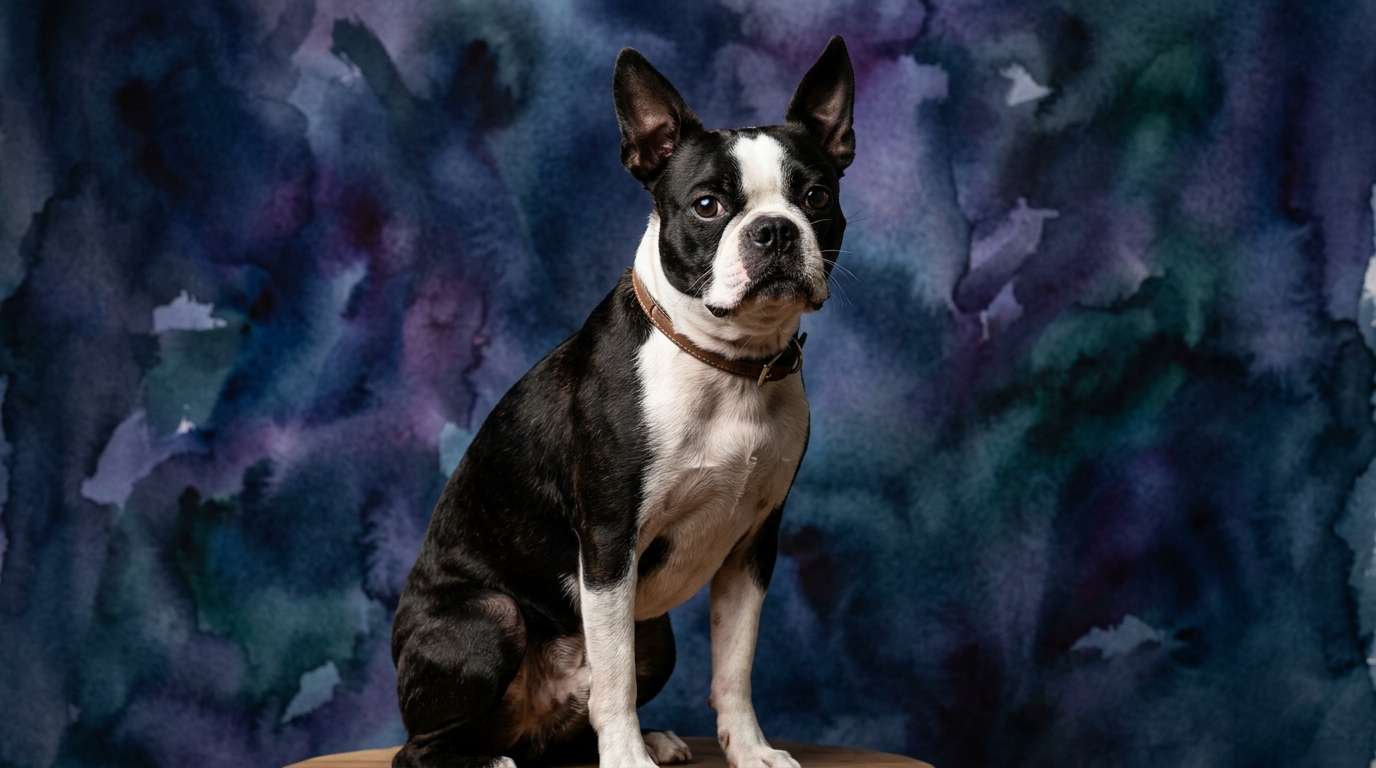
Boston Terrier (Non-Sporting Group, Coren Rank #54): Problem Solving 3/5 - Boston Terriers demonstrate a moderate capacity for navigating novel challenges, often employing learned behaviors rather than complex abstract reasoning. They can figure out simple puzzles or how to get a desired toy, but might not excel at multi-step problem-solving. Training Speed 3/5 - Their training speed is moderate, meaning they can learn new commands and routines at a steady pace, but require consistent, engaging methods to maintain focus and motivation. Repetition with positive reinforcement yields solid results. Social Intelligence 4/5 - This breed truly shines in social understanding. Boston Terriers are adept at reading human cues, interpreting emotions, and adjusting their behavior to foster harmonious interactions, making them highly attuned companions. Instinctive Drive 2/5 - With a low instinctive drive, Boston Terriers typically exhibit minimal inclination towards traditional working dog behaviors like hunting, herding, or guarding beyond basic territorial alerts. Their motivations are more centered on companionship. Memory 3/5 - Their memory is average, allowing them to retain learned commands, routines, and associations with people and places reliably over time. They won't forget their training easily, but might not recall intricate details from long past events.
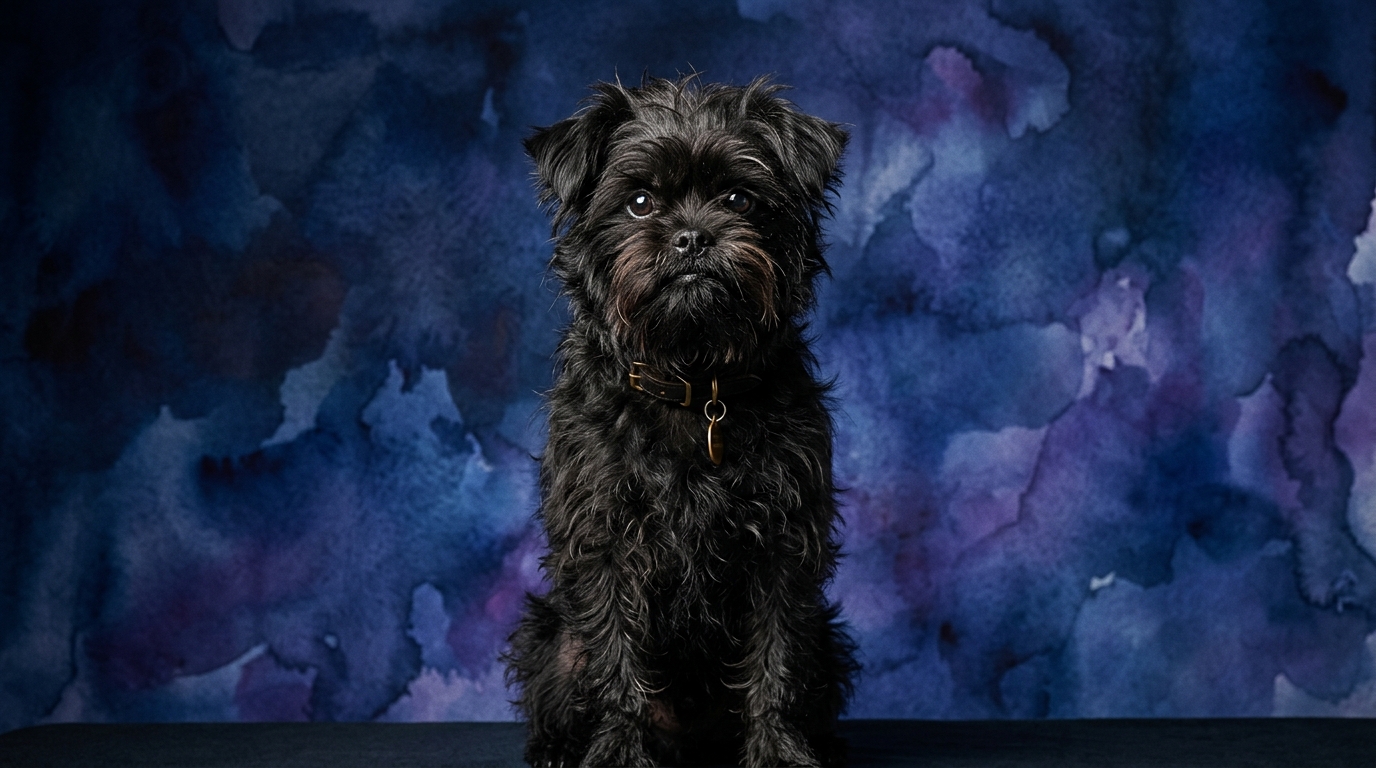
Affenpinscher (Toy Group, Not Coren-Ranked): Problem Solving 3/5 - Affenpinschers share a similar moderate problem-solving aptitude, capable of tackling straightforward tasks and learning from experience. They can figure out how to manipulate objects to their advantage but may not be naturally inclined towards elaborate strategic thinking. Training Speed 3/5 - Their training speed is also moderate, indicating they are receptive to learning but benefit from patient, consistent instruction. Their independent streak can sometimes require creative motivation techniques. Social Intelligence 3/5 - Affenpinschers possess a moderate level of social intelligence, capable of forming strong bonds and understanding basic human intentions. While affectionate, they might be less overtly attuned to subtle emotional shifts compared to some breeds. Instinctive Drive 3/5 - With a moderate instinctive drive, Affenpinschers retain some terrier-like inclinations such as curiosity, a propensity for chasing small critters, and an assertive nature, which can manifest as a watchful demeanor. Memory 3/5 - Their memory is also average, enabling them to recall commands, routines, and significant past experiences. They are capable of building a consistent repertoire of learned behaviors and recognitions.
Where the Boston Terrier Excels Cognitively
The Boston Terrier's standout cognitive advantage lies squarely in its superior social intelligence, rated at 4/5 compared to the Affenpinscher's 3/5. This higher score indicates an exceptional ability to interpret and respond to human social cues, emotions, and intentions. Boston Terriers are often described as deeply empathetic companions, capable of sensing a change in their owner's mood and adjusting their demeanor accordingly, perhaps offering a comforting nudge or a playful distraction. This heightened social awareness contributes to their reputation as “people pleasers” and makes them remarkably responsive to their human family's dynamics. While both breeds are companion animals, the Boston Terrier's innate sensitivity allows for a more nuanced and reciprocal emotional connection, making them particularly adept at forming strong, harmonious bonds within a household. Their understanding extends beyond simple commands; they often grasp the underlying context of a situation, making them intuitive participants in daily life.
Where the Affenpinscher Shows Cognitive Strength
The Affenpinscher demonstrates a distinct cognitive edge in its instinctive drive, scoring 3/5 against the Boston Terrier's 2/5. This moderate instinctive drive translates to a more pronounced curiosity, a greater propensity for independent exploration, and a stronger inclination towards traditional dog behaviors like alert barking or a keen interest in small, moving objects. While not a working breed, the Affenpinscher retains a trace of its terrier heritage, manifesting as a spirited watchfulness and a readiness to investigate its surroundings with a certain self-assured determination. This higher drive suggests they might be more self-motivated to explore and engage with their environment on their own terms, rather than solely relying on human direction. This can make them more tenacious in pursuing a scent or attempting to “catch” a perceived intruder, showcasing a more robust inherent drive to interact with the world around them.
Training Dynamics: Which Breed is Easier?
When it comes to training ease, both breeds share an identical 3/5 rating for training speed, suggesting they learn at a comparable, moderate pace. However, the Boston Terrier's superior social intelligence (4/5 vs. Affenpinscher's 3/5) gives it a subtle but significant advantage in practical training scenarios. Boston Terriers are generally more motivated by pleasing their human companions and are quicker to pick up on subtle cues from their trainer, making them more cooperative and less prone to independent streaks during sessions. Their inherent desire for harmonious interaction means they often strive to understand and comply with commands to maintain a positive social dynamic. In contrast, while the Affenpinscher is certainly trainable, its moderate social intelligence and slightly higher instinctive drive mean it might occasionally prioritize its own curiosity or independent will over immediate compliance. An Affenpinscher might require more creative motivation and patience to overcome its occasional stubbornness or distraction, whereas a Boston Terrier is often already looking to its owner for direction and approval, streamlining the learning process.
Matching Breeds to Lifestyles: Active vs. Relaxed Owners
The choice between these two breeds for active versus relaxed owners largely hinges on their instinctive drives and overall demeanor. The Boston Terrier, with its lower instinctive drive (2/5), is generally a better fit for more relaxed owners. While they enjoy play and walks, their energy levels are typically moderate, and they are content with shorter bursts of activity followed by ample cuddle time on the couch. Their primary motivation is companionship, and they adapt well to a comfortable indoor lifestyle, making them excellent apartment dwellers or companions for those who prefer a less demanding exercise routine. In contrast, the Affenpinscher, possessing a moderate instinctive drive (3/5), leans slightly more towards owners who appreciate a dog with a bit more zest and independent spirit. While still a small companion dog, their terrier-like curiosity and watchfulness mean they thrive on varied stimulation, including regular walks, puzzle toys, and opportunities to explore safely. They might enjoy short hikes or more engaging play sessions than a typical Boston Terrier, making them a better match for moderately active owners who enjoy incorporating their dog into daily adventures beyond just casual strolls.
The Verdict
Opt for a Boston Terrier if you prioritize a deeply socially attuned companion who excels at reading your moods and thrives on harmonious interaction, fitting seamlessly into a relaxed home environment.
Select an Affenpinscher if you appreciate a spirited, curious companion with a touch more independent zest and moderate instinctive drive, suitable for a moderately active household.
🧠 Find Your Pet's IQ Score
Our Pet IQ Lab assessment covers 25+ tests across 5 cognitive dimensions — personalized to your breed.
Take the Full IQ Test →Frequently Asked Questions
Are Boston Terriers good with children?
Boston Terriers' high social intelligence often makes them patient and adaptable companions for children, especially when properly socialized and supervised. They tend to be gentle and enjoy being part of family activities.
Do Affenpinschers bark a lot?
Affenpinschers can be prone to alert barking due to their moderate instinctive drive and watchful nature, particularly when sensing strangers or unusual sounds. Consistent training can help manage this tendency.
Which breed is more prone to separation anxiety?
While both can develop it, Boston Terriers, with their higher social intelligence and strong bond focus, might be marginally more prone to separation anxiety if left alone for extended periods without proper training. They deeply value human companionship.