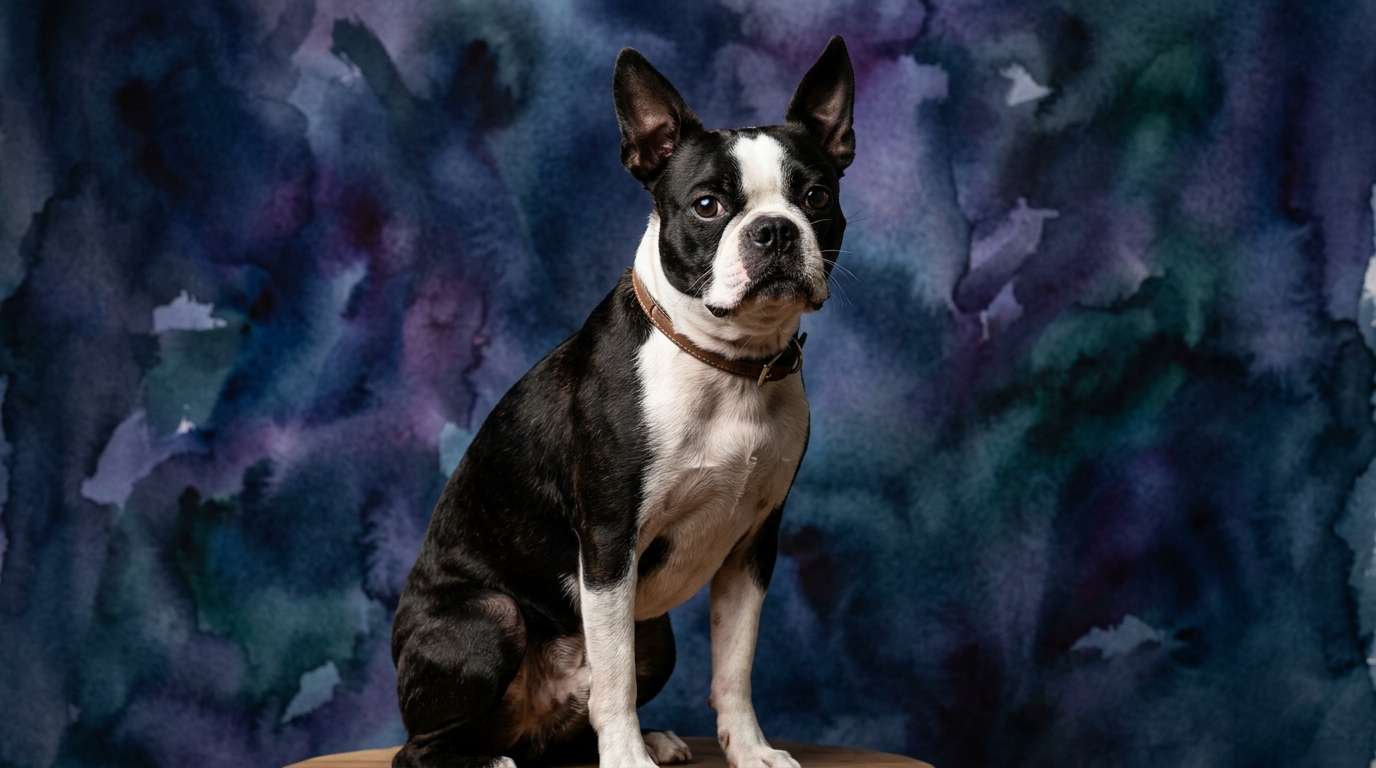
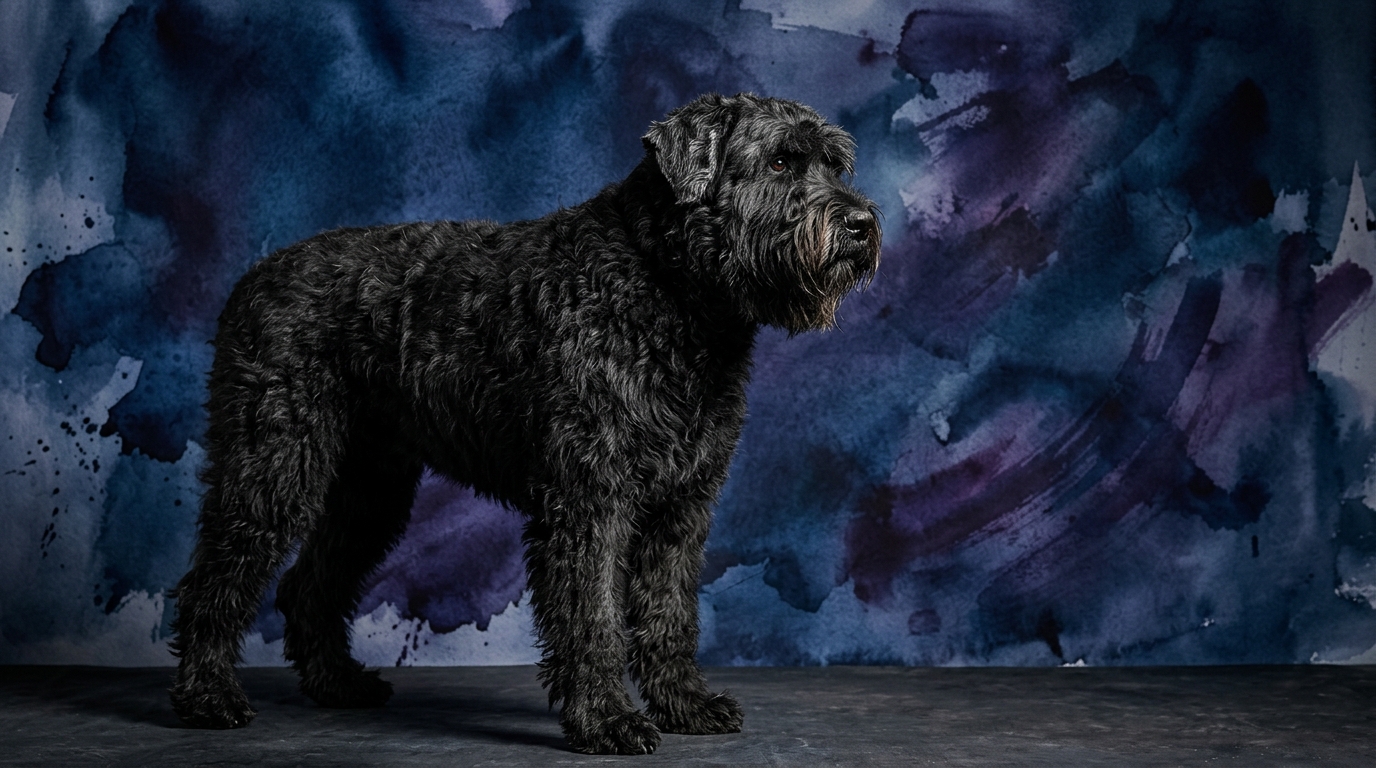
Side-by-Side IQ Profile: Boston Terrier vs. Bouvier des Flandres
For both the Boston Terrier and Bouvier des Flandres, a 3/5 in Problem Solving indicates a solid capacity to navigate common canine challenges. They can typically figure out how to access a treat puzzle that requires a few steps, or learn to manipulate simple latches. This isn't the groundbreaking ingenuity of a border collie, but it’s certainly not a blank slate; they're capable of learning routines and adapting to minor environmental changes without excessive frustration. They might not invent new solutions to complex problems, but they can apply learned patterns effectively.
A 3/5 in Training Speed suggests both breeds are responsive to consistent instruction, neither exceptionally quick nor particularly slow. They will grasp commands with repetition and positive reinforcement, typically requiring a moderate number of sessions to solidify new behaviors. Owners should expect steady progress, not instant mastery, and be prepared for a patient, encouraging approach. They are generally willing participants in training, but require clear communication and consistent expectations.
Here we see a notable divergence in Social Intelligence. The Boston Terrier's 4/5 highlights a keen ability to read human cues and adapt their behavior to fit social situations. They often excel at understanding subtle changes in tone or body language, making them highly attuned companions who seek to integrate smoothly into family life. The Bouvier des Flandres, at 3/5, possesses adequate social understanding, capable of forming strong bonds and recognizing familiar faces, but might be less inclined to interpret nuanced human emotions or adjust their demeanor as readily as the Boston. Their social interactions tend to be more straightforward and purposeful, rather than subtly adaptive.
This dimension reflects inherent, hardwired behaviors, and again, the breeds differ significantly in Instinctive Drive. The Boston Terrier's 2/5 indicates a relatively low predisposition towards ancestral tasks like hunting, herding, or guarding. While they may chase a squirrel, it's typically for play rather than a deep, ingrained prey drive. This lower drive contributes to their adaptability as urban companions. The Bouvier des Flandres, with a 3/5, carries a stronger echo of its working heritage. Their instinctive drive manifests in a natural inclination towards guarding, herding, or protection, requiring thoughtful management and appropriate outlets to channel these tendencies constructively. They have a built-in purposefulness that the Boston often lacks.
Both breeds score 3/5 in Memory, indicating a solid capacity to retain learned commands, routines, and experiences over time. They won't forget their basic obedience cues if practiced regularly, nor will they quickly forget a positive or negative encounter. This level of memory supports their training speed and problem-solving abilities, allowing them to build a repertoire of knowledge and apply past lessons to new situations. They are capable of remembering complex sequences of events or specific people and places, contributing to their reliability as companions.
Where the Boston Terrier Wins Cognitively
The Boston Terrier's primary cognitive advantage lies in its superior social intelligence (4/5). This means they are often more adept at reading and responding to human emotions and intentions. A Boston Terrier might more readily pick up on a change in an owner's mood, offering comfort or seeking to engage in a calming activity. Their strong desire to be part of the family unit translates into a greater willingness to cooperate for social reward, making them highly responsive to praise and interaction. This keen social awareness also makes them generally more adaptable to various household dynamics and social settings, often showing greater flexibility in adjusting their behavior to avoid conflict or seek affection. Their lower instinctive drive (2/5) also means fewer ingrained behaviors might compete with human-directed learning, allowing their social intelligence to shine more brightly in domestic contexts.
Where the Bouvier des Flandres Wins Cognitively
The Bouvier des Flandres' cognitive strengths stem from its robust instinctive drive (3/5), a trait rooted in its herding and guarding lineage. While both breeds share similar problem-solving and training speed scores, the Bouvier's drive provides a powerful internal motivation that the Boston Terrier typically lacks. This drive translates into an inherent persistence and purposeful approach to tasks. A Bouvier might demonstrate greater focus and endurance when engaged in a job, whether it's navigating a complex agility course or monitoring its 'flock' (family members). Their instincts provide a framework for their intelligence, often making them more resilient and determined in achieving a goal. This cognitive structure, coupled with their equal memory and problem-solving abilities, allows them to apply their intellect to more demanding, sustained activities, often with a greater sense of duty or purpose.
Which Is Easier to Train and Why?
Determining which breed is 'easier' to train depends heavily on the owner's approach and desired outcomes. The Boston Terrier, with its higher social intelligence (4/5) and lower instinctive drive (2/5), often presents as easier for the average companion owner seeking basic obedience and a well-mannered house dog. Their eagerness to please and sensitivity to human cues mean they respond well to positive reinforcement, often motivated by praise and attention. They are typically less prone to strong independent urges that might conflict with training goals, making them generally more compliant in a typical home environment.
The Bouvier des Flandres, while scoring identically in training speed (3/5) and problem-solving (3/5), possesses a stronger instinctive drive (3/5). This drive, while a cognitive strength, can also introduce training challenges if not properly managed. A Bouvier might be more independent or persistent in pursuing its own interests, requiring a confident and consistent trainer who can channel that drive into desired behaviors. They might learn commands at the same pace as a Boston, but their internal motivation might be less about pleasing and more about understanding the 'job' or the 'rules.' Owners must establish clear leadership and provide engaging, purposeful training to keep a Bouvier mentally stimulated and cooperative, otherwise, their strong-willed nature can emerge. Therefore, while both are trainable, the Boston often requires less finesse in motivation, making it 'easier' for a novice.
Which Suits Active Owners vs. Relaxed Owners?
The Boston Terrier, with its moderate energy levels and lower instinctive drive (2/5), generally suits owners seeking a more relaxed companion, though they certainly enjoy playtime. Their social intelligence (4/5) means they thrive on human companionship and interaction within the home, making them excellent choices for apartment dwellers or those who prefer indoor activities. While they need regular walks and mental enrichment, their overall cognitive profile doesn't demand constant, high-intensity engagement. They are content to observe and participate in family life, fitting seamlessly into a quieter, more predictable routine.
Conversely, the Bouvier des Flandres, with its stronger instinctive drive (3/5) and herding background, is a far better match for active owners. Their cognitive makeup demands purposeful engagement and physical activity. They excel in dog sports like agility, obedience, or protection work, where their problem-solving, memory, and drive can be fully utilized. An owner who understands and caters to their working dog heritage will find a highly dedicated and fulfilled companion. Without sufficient mental and physical outlets, a Bouvier can become bored and potentially destructive, as their robust intelligence and drive seek an outlet. Therefore, the Bouvier's cognitive needs align perfectly with an owner committed to an active, structured lifestyle that includes regular training and 'work.'
The Verdict
Choose the Boston Terrier if you seek a highly socially attuned companion who thrives on human interaction and adapts readily to a more relaxed, family-centric lifestyle.
Opt for the Bouvier des Flandres if you are an active owner prepared to provide consistent, purposeful training and engage their robust working instincts in demanding activities.
🧠 Find Your Pet's IQ Score
Our Pet IQ Lab assessment covers 25+ tests across 5 cognitive dimensions — personalized to your breed.
Take the Full IQ Test →Frequently Asked Questions
Can a Boston Terrier excel in dog sports?
While their instinctive drive is lower, Boston Terriers can certainly enjoy and excel in dog sports like agility or obedience, especially those that leverage their social intelligence and eagerness to please. Success often hinges on the owner's dedication and the dog's individual personality rather than deep-seated breed instincts.
How do Bouvier des Flandres handle living in urban environments?
Bouvier des Flandres can adapt to urban living, but it requires a dedicated owner who can fulfill their significant exercise and mental stimulation needs. Regular, purposeful outings, training, and engaging activities are crucial to prevent boredom and channel their strong working drive constructively, even without a farm to herd.
Are there significant differences in trainability for complex tasks?
For complex tasks requiring sustained focus and an understanding of purpose, the Bouvier's inherent drive might give it an edge, making it more resilient in training. The Boston Terrier, while capable, might rely more on social motivation and could become disengaged if the task lacks immediate human interaction or reward, especially over extended periods.