A Side-by-Side Look at Cognitive Profiles
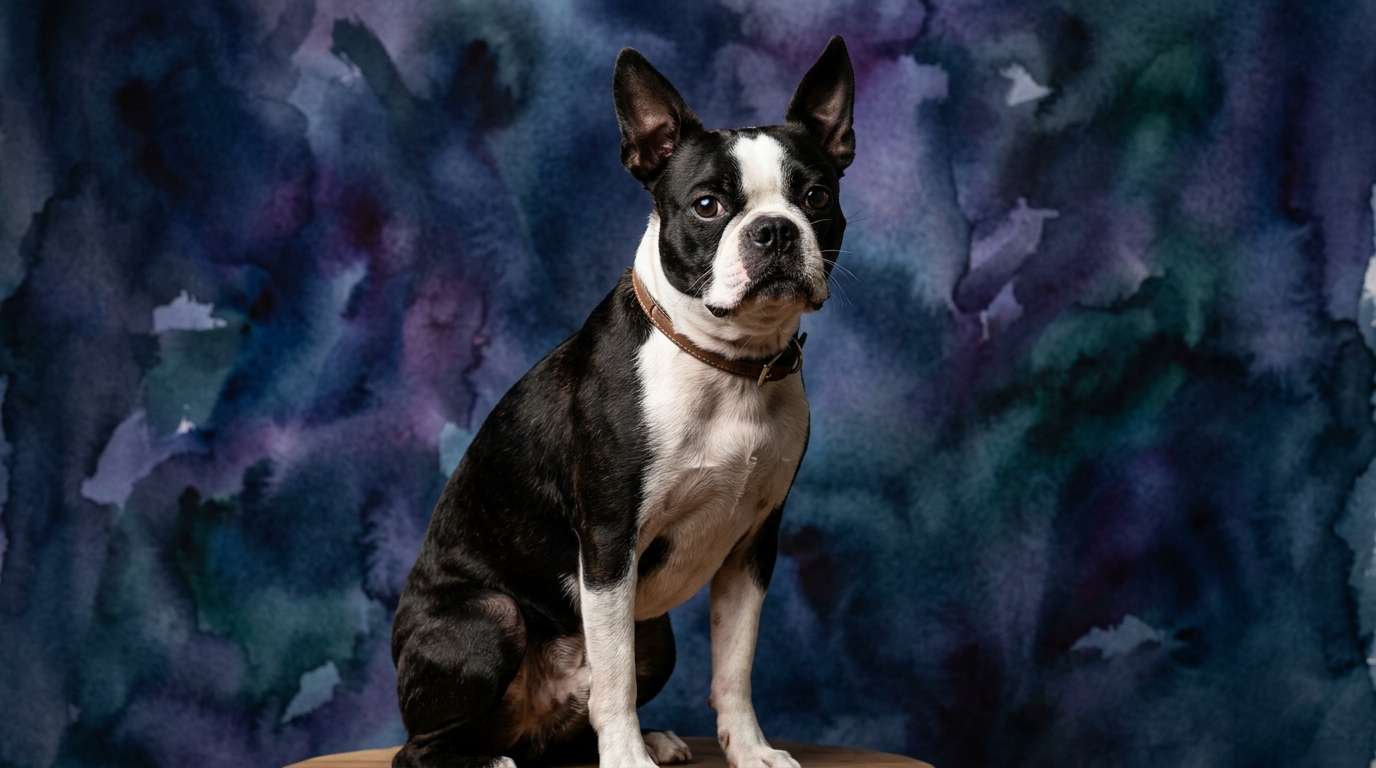
**Boston Terrier (Coren Rank #54):** This energetic companion exhibits a balanced cognitive toolkit. Its **Problem Solving (3/5)** suggests a moderate capacity for navigating novel challenges, often relying on learned behaviors rather than intricate deduction. **Training Speed (3/5)** indicates a steady learning pace for commands, benefiting from consistent, positive reinforcement. Where the Boston Terrier truly shines is its **Social Intelligence (4/5)**, demonstrating a keen awareness of human emotions and social cues, making them highly responsive and interactive. Their **Instinctive Drive (2/5)** is relatively low, focusing more on companionship than strong predispositions for tasks like guarding or hunting. Finally, their **Memory (3/5)** allows them to retain learned commands and experiences over time, contributing to their adaptability.
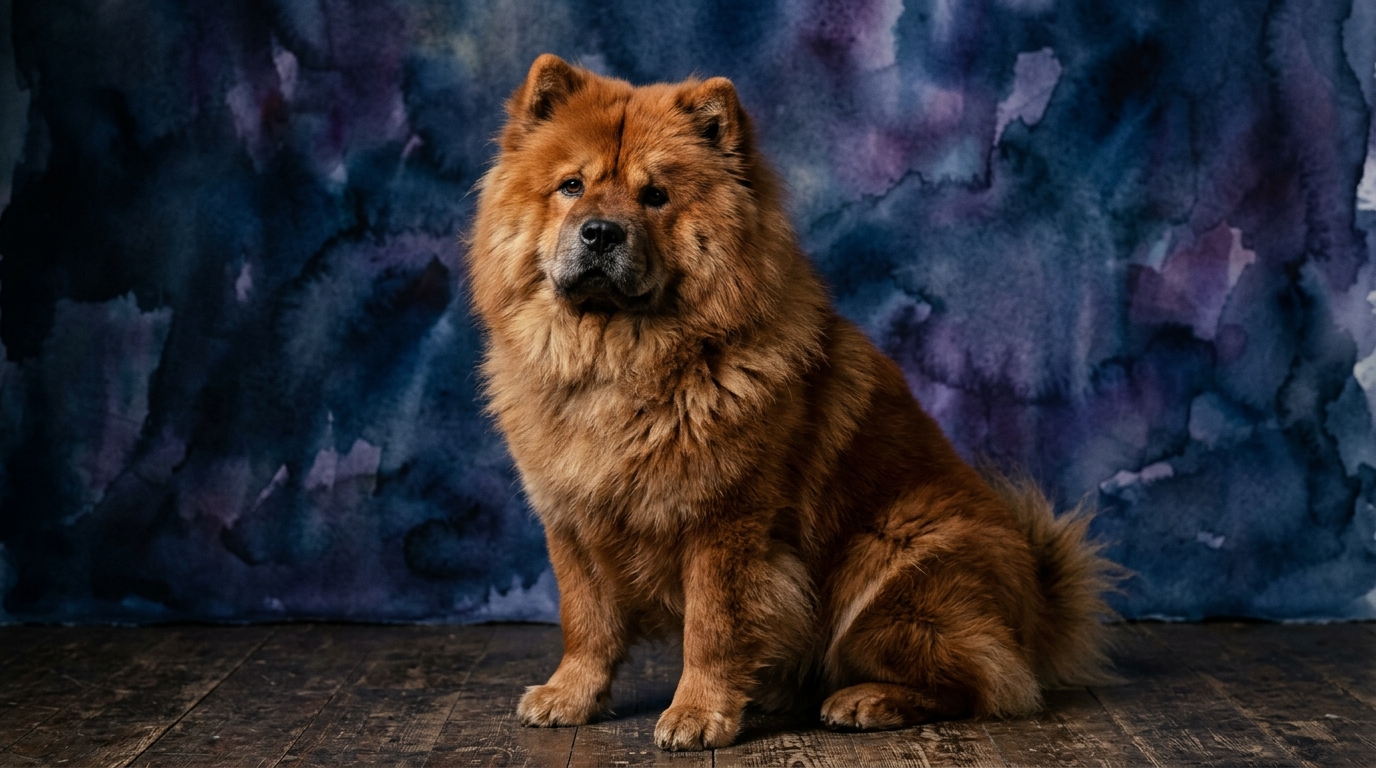
**Chow Chow (Coren Rank #76):** The dignified Chow Chow presents a different cognitive blueprint, often reflecting its more independent nature. Like the Boston Terrier, its **Problem Solving (3/5)** is moderate, capable of learning routines but perhaps less inclined to complex, independent strategizing. Similarly, **Training Speed (3/5)** implies a consistent learning rate, though their independent streak can sometimes influence their willingness to comply. Their **Social Intelligence (3/5)**, while present, is less outwardly expressive than the Boston Terrier's; Chows are observant but typically form deep bonds with a select few, showing less overt engagement with strangers. A notable aspect is their **Instinctive Drive (3/5)**, which is slightly higher, often manifesting as a protective instinct towards their family and territory. Their **Memory (3/5)** is also solid, enabling them to remember past interactions and training, though consistency is key for desired behaviors.
Where the Boston Terrier Excels Cognitively
The Boston Terrier's primary cognitive advantage lies in its elevated **Social Intelligence (4/5)**. This attribute means they are exceptionally attuned to human communication, including subtle body language, vocal inflections, and emotional states. This perceptiveness allows them to anticipate their owner's needs and moods, fostering a deeply empathetic bond. When an owner expresses frustration, a Boston Terrier is more likely to pick up on that cue and adjust its behavior, whereas a Chow Chow might process it differently. This superior social acumen also contributes to their adaptability in diverse social settings, making them generally more comfortable with new people and experiences once properly socialized. Their lower **Instinctive Drive (2/5)** means they are less preoccupied with primal urges like guarding or patrolling, making them more pliable and focused on human interaction during training and daily life. This less driven nature means fewer independent motivations conflict with an owner's wishes, allowing smoother integration into a family's routine.
Distinct Cognitive Strengths of the Chow Chow
The Chow Chow's cognitive strengths often stem from its more self-reliant and watchful nature. While their **Problem Solving (3/5)** and **Training Speed (3/5)** mirror the Boston Terrier's, their slightly higher **Instinctive Drive (3/5)** is a key differentiator. This drive often manifests as a strong sense of territoriality and protection, allowing them to be naturally vigilant guardians of their home and family. This isn't about aggression, but rather a deep-seated instinct to observe and, if necessary, deter perceived threats, a cognitive trait that has been historically valued. Their **Social Intelligence (3/5)**, while rated lower than the Boston Terrier's, is characterized by a discerning observation of their environment and a selective, yet profound, loyalty to their chosen family members. They process social information with a sense of quiet dignity, often choosing to observe rather than overtly participate, which can be interpreted as aloofness but is more accurately described as a thoughtful independence. This combination allows them to make independent judgments based on environmental observations, rather than solely relying on human direction.
Trainability: A Tale of Two Temperaments
When it comes to trainability, the differences between these two breeds become quite apparent, despite their identical **Training Speed (3/5)** and **Problem Solving (3/5)** scores. The Boston Terrier, with its higher **Social Intelligence (4/5)** and lower **Instinctive Drive (2/5)**, is generally considered easier to train. Their eagerness to please and their sensitivity to human cues mean they are often highly motivated by positive reinforcement and praise. They thrive on interaction and view training as a collaborative activity, quickly picking up on what their human wants. A Boston Terrier is less likely to challenge an instruction because its core motivation is connection and social harmony. In contrast, the Chow Chow's moderate **Social Intelligence (3/5)** and higher **Instinctive Drive (3/5)** create a different training dynamic. While capable of learning, their independent and often reserved nature means they may require more patience and consistency. They are not necessarily stubborn, but rather have a strong sense of self and may not see the immediate 'why' behind every command. Training a Chow Chow involves understanding their desire for mutual respect, convincing them commands are worthwhile, often by appealing to their practical intelligence and avoiding overly repetitive drills. Their guarding instincts can also mean they are less amenable to strangers, requiring careful socialization from a young age to ensure they are comfortable in various situations.
Matching Breeds to Lifestyles: Active vs. Relaxed Owners
The cognitive profiles of the Boston Terrier and Chow Chow strongly influence their compatibility with different owner lifestyles. The Boston Terrier, with its moderate energy levels and high **Social Intelligence (4/5)**, is a versatile companion suitable for a range of owners. While they enjoy play and walks, their primary drive is to be with their people, making them adaptable to both moderately active and more relaxed households, as long as they receive consistent attention and mental engagement. Their eagerness to participate in family activities and their responsiveness to social cues make them excellent choices for owners who desire a highly interactive and affectionate canine presence. They are content to curl up or fetch, suitable for urban living and owners appreciating seamless integration into daily life.
The Chow Chow, on the other hand, with its more independent nature and slightly higher **Instinctive Drive (3/5)**, often thrives with owners who appreciate a dignified, self-possessed companion. While they benefit from regular walks and mental stimulation, they are not typically high-energy dogs seeking constant engagement. Their moderate **Social Intelligence (3/5)** means they form deep bonds but may not express affection as overtly as a Boston Terrier. They are better suited for relaxed owners who understand and respect their independent streak, providing consistent guidance without expecting constant fawning. Owners who enjoy quiet companionship and are prepared for a dog that sometimes prefers to observe rather than participate in every activity will find a Chow Chow rewarding. Their protective instincts make them excellent guardians, fitting owners who appreciate a dog with purpose and territory.
The Verdict
Choose a Boston Terrier if you seek an intensely social, responsive companion eager to engage in family life and adapt to various activities with a cheerful demeanor. Their strong social intelligence makes them highly receptive to human interaction and training.
Opt for a Chow Chow if you value a dignified, independent companion with a watchful nature, offering quiet loyalty and a profound bond once earned. Their self-possessed character suits owners who appreciate a less overtly demanding yet deeply devoted presence.
🧠 Find Your Pet's IQ Score
Our Pet IQ Lab assessment covers 25+ tests across 5 cognitive dimensions — personalized to your breed.
Take the Full IQ Test →Frequently Asked Questions
Is a Boston Terrier better with children than a Chow Chow?
A Boston Terrier's higher social intelligence and generally eager-to-please nature often make them more naturally adaptable and patient with children, provided both are properly socialized and supervised. A Chow Chow can be good with children in their own family, but their independent and sometimes reserved nature means they may prefer quieter interactions and require more careful management around boisterous play.
Do Chow Chows require more mental stimulation than Boston Terriers?
While both breeds benefit from mental enrichment, the Chow Chow's independent nature and moderate problem-solving ability mean they appreciate tasks that engage their minds without constant human direction. Boston Terriers often prefer mental stimulation that involves interaction with their owners, like trick training or interactive games, leveraging their social intelligence.
Which breed is more prone to separation anxiety based on their IQ profile?
Given its higher social intelligence and strong desire for companionship, a Boston Terrier might be more prone to exhibiting signs of separation anxiety if left alone for extended periods without adequate preparation. The Chow Chow's more independent nature generally makes them more tolerant of solitude, though they still thrive on family presence and consistent routine.