Side-by-Side Pet IQ Lab Profile
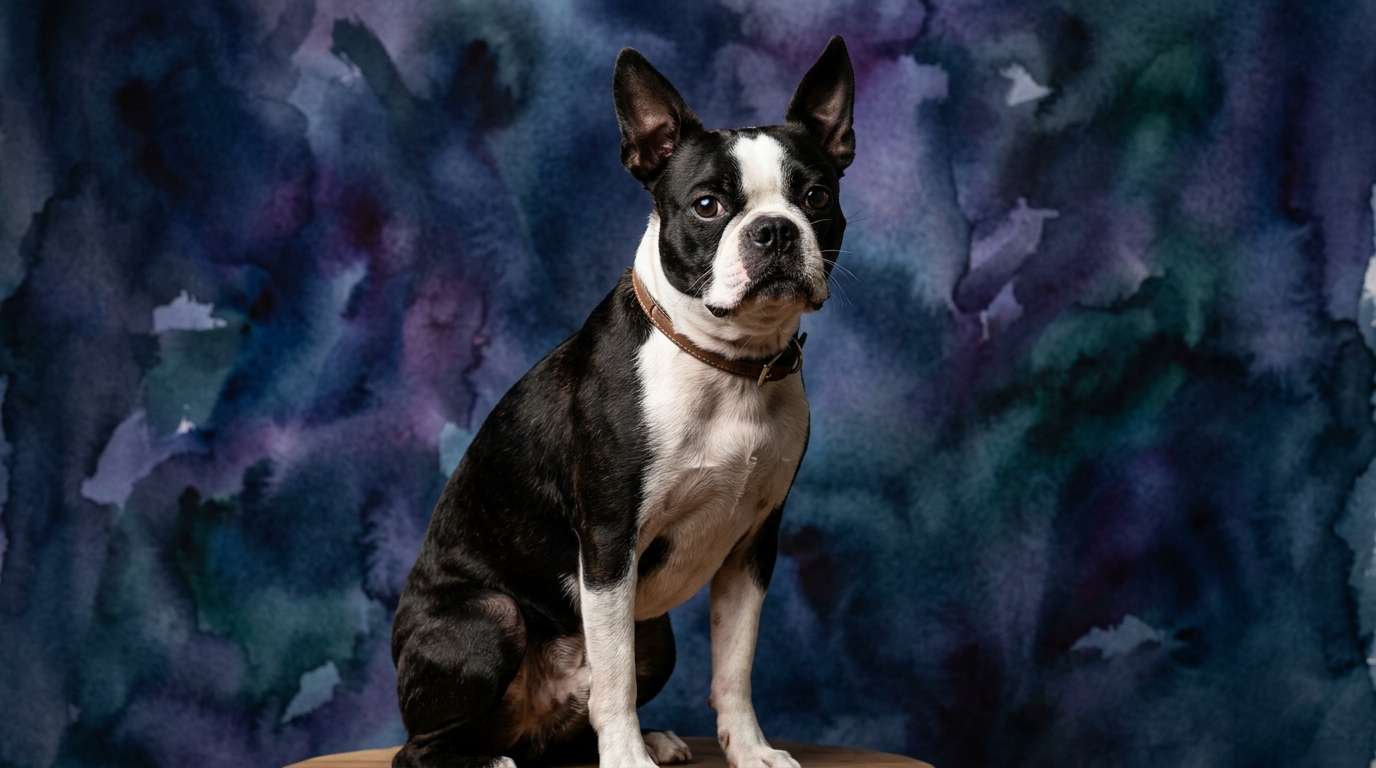
At The Cosmic Pet Pet IQ Lab, we dissect the unique cognitive strengths of various breeds, offering a granular view beyond mere anecdotes. The Boston Terrier, a proud Non-Sporting Group member and Coren-ranked #54, presents a profile reflecting its companion origins. Its Problem Solving score of 3/5 signifies a capacity to navigate routine challenges and figure out basic puzzles, demonstrating adequate cognitive flexibility. Training Speed also registers at 3/5, suggesting they grasp new commands moderately, thriving on consistency but occasionally exhibiting an independent streak. Where the Boston Terrier truly shines is in Social Intelligence, scoring an impressive 4/5; this breed is highly attuned to human emotions and household dynamics, making them exceptional at bonding and anticipating owner moods. Their Instinctive Drive is a modest 2/5, meaning a low prey drive and less inclination towards independent 'work,' preferring close companionship. Finally, their Memory at 3/5 ensures effective retention of learned commands and routines, contributing to their reputation as a manageable house pet.
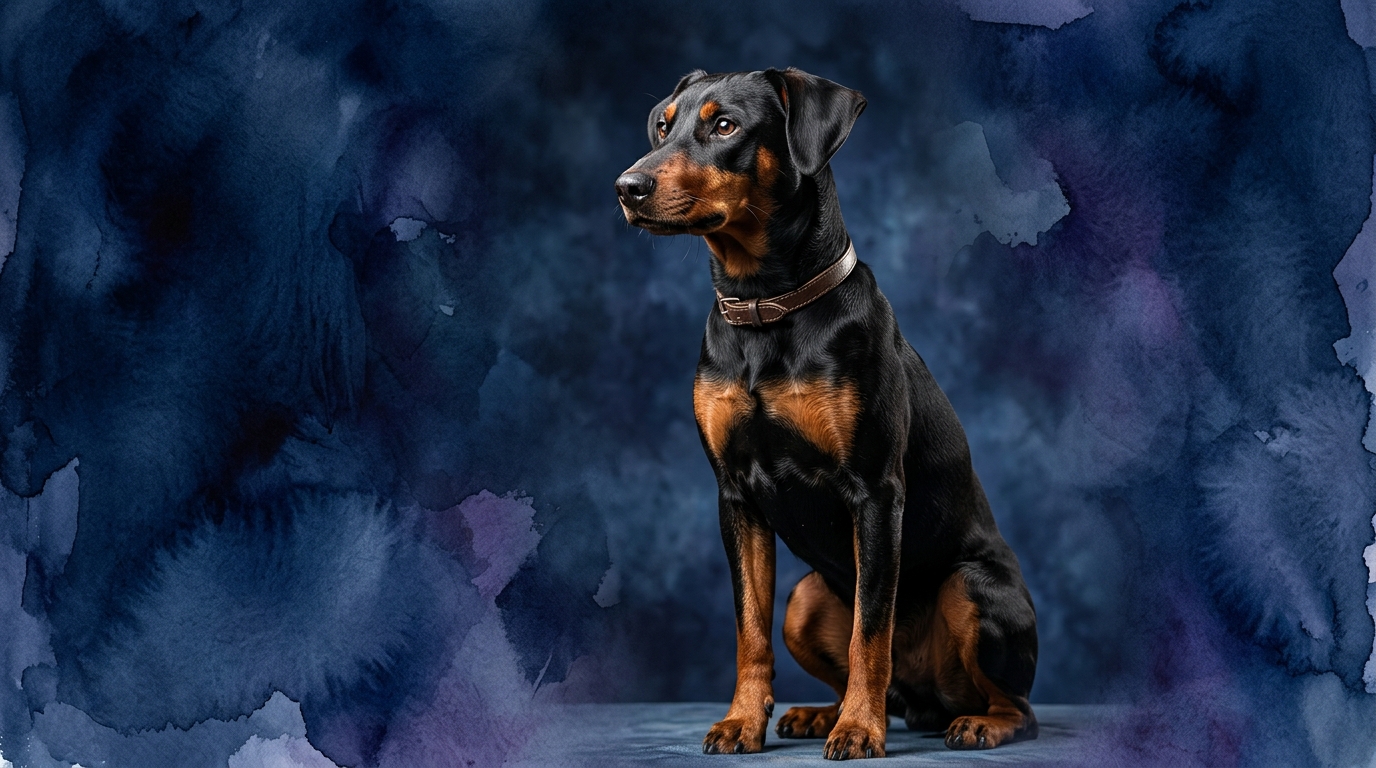
In contrast, the German Pinscher, a robust Working Group member, brings different cognitive priorities. Like the Boston Terrier, its Problem Solving ability is rated 3/5; they adeptly assess situations and find practical solutions, often through physical exploration. Their Training Speed also stands at 3/5, indicating they are intelligent, capable learners, but their inherent strong will necessitates a firm yet fair training hand for consistent compliance. The German Pinscher's Social Intelligence is rated 3/5, signifying a solid understanding of human communication, though perhaps with more emphasis on interpreting commands for action rather than purely emotional connection. Their Instinctive Drive, at 3/5, is notably higher than the Boston Terrier's, manifesting as keen vigilance, a moderate prey drive, and enjoyment of purposeful activities. This breed is naturally inclined to observe and react to its environment, often with a protective instinct. Memory for the German Pinscher is also 3/5, allowing recall of complex sequences and environmental layouts, essential for a breed with working aptitudes.
Where the Boston Terrier Wins Cognitively
The Boston Terrier’s undeniable cognitive advantage lies in its superior Social Intelligence, scoring 4/5 compared to the German Pinscher’s 3/5. This signifies a profound capacity for emotional attunement and seamless integration into a human family. A Boston Terrier intuitively picks up on subtle cues, like a shift in an owner's mood or unspoken household rules. They might more readily offer comfort or understand when quiet time is required, demonstrating empathetic responsiveness. This higher social acumen translates into a dog that feels deeply connected and responsive, adept at forming strong, reciprocal bonds and often anticipating needs for affection or play.
Where the German Pinscher Wins Cognitively
Conversely, the German Pinscher demonstrates a distinct cognitive edge in its Instinctive Drive, rated 3/5 against the Boston Terrier’s 2/5. This heightened drive speaks to a breed intrinsically motivated by purpose, vigilance, and engagement with its surroundings beyond mere companionship. For a German Pinscher, this means a natural inclination towards observing, patrolling, and reacting to environmental stimuli with gravitas. They possess a more pronounced desire for 'work,' whether tracking, agility, or guarding. This drive manifests in keen alertness and sustained focus on tasks, even without constant human prompting. They are more likely to initiate exploration and channel energy into activities satisfying their innate desire for engagement, offering a partnership built on shared purpose.
Which Is Easier to Train and Why
Both breeds share an identical Training Speed score of 3/5, yet the *experience* of training differs significantly due to their other cognitive dimensions. The Boston Terrier’s superior Social Intelligence (4/5) often makes them feel easier to train for the average owner. They are inherently motivated to please, making them highly responsive to positive reinforcement involving praise and social interaction. A Boston Terrier is more likely to maintain focus on the handler, eager for approval. While playful stubbornness might occur, their desire to be part of the family usually outweighs independent impulses, making them amenable to consistent, reward-based methods.
The German Pinscher, despite the same Training Speed, presents a different challenge. Their stronger Instinctive Drive (3/5) coupled with a slightly lower Social Intelligence (3/5) means they are often more independent and less overtly people-pleasing. Their intelligence is undeniable, but it's often directed towards their own perceived objectives or environmental assessments. Training a German Pinscher requires a confident, consistent, and engaging approach that appeals to their desire for purpose and challenge. They need to understand the 'why' behind a command, or perceive it as a worthwhile task. Their inherent vigilance and strong will can mean they are more easily distracted or might test boundaries. For the German Pinscher, training is less about seeking approval and more about mastering a task, requiring a handler who channels their drive and provides clear, consistent leadership.
Which Suits Active Owners vs. Relaxed Owners
The cognitive profiles of these breeds offer clear guidance for matching them with owner lifestyles. The Boston Terrier, with its high Social Intelligence (4/5) and lower Instinctive Drive (2/5), is remarkably adaptable, fitting well with owners who prefer a more relaxed pace. While enjoying walks, their primary fulfillment comes from companionship and interaction. They thrive on moderate daily exercise—short walks or indoor games—and being an integral, responsive family member. Their lower drive means less likelihood of destructive behavior if physical activity isn't intense, provided they receive ample social engagement.
The German Pinscher, conversely, with its higher Instinctive Drive (3/5) and innate vigilance, is unequivocally suited for active owners. This breed needs more than casual walks; they require consistent, structured physical activity and significant mental stimulation. Owners enjoying dog sports like agility, obedience, or advanced trick training will find a willing partner. Their cognitive makeup demands a 'job' or consistent outlet for their drive, making them less suitable for sedentary individuals. A German Pinscher thrives when its intelligence and physical prowess are regularly challenged, making them superb for those committed to an engaged, dynamic lifestyle.
The Verdict
Choose the Boston Terrier if you prioritize a deeply socially connected companion, one highly attuned to your emotions and adaptable to a more relaxed home environment, thriving on affection and interaction.
Opt for the German Pinscher if you seek a vigilant, purposeful partner who excels with consistent, challenging training and an active lifestyle that channels their inherent drives and protective instincts.
🧠 Find Your Pet's IQ Score
Our Pet IQ Lab assessment covers 25+ tests across 5 cognitive dimensions — personalized to your breed.
Take the Full IQ Test →Frequently Asked Questions
Are Boston Terriers good with children?
Their high social intelligence makes them generally adaptable and patient with children, often enjoying interactive play. Supervision is always key, but their natural inclination is towards amicable interaction and becoming a cherished family member.
Do German Pinschers bark a lot?
German Pinschers possess a moderate instinctive drive including vigilance, which can lead to alert barking at perceived threats or unfamiliar sounds. Consistent training from a young age is crucial to manage this natural tendency and teach appropriate vocalization.
How much exercise do these breeds need?
Boston Terriers are content with moderate daily walks and indoor play, thanks to their lower instinctive drive and focus on companionship. German Pinschers, with their higher drive, require more vigorous and structured exercise, including mental stimulation, to prevent boredom and maintain their well-being.