Side-by-Side Cognitive Profiles
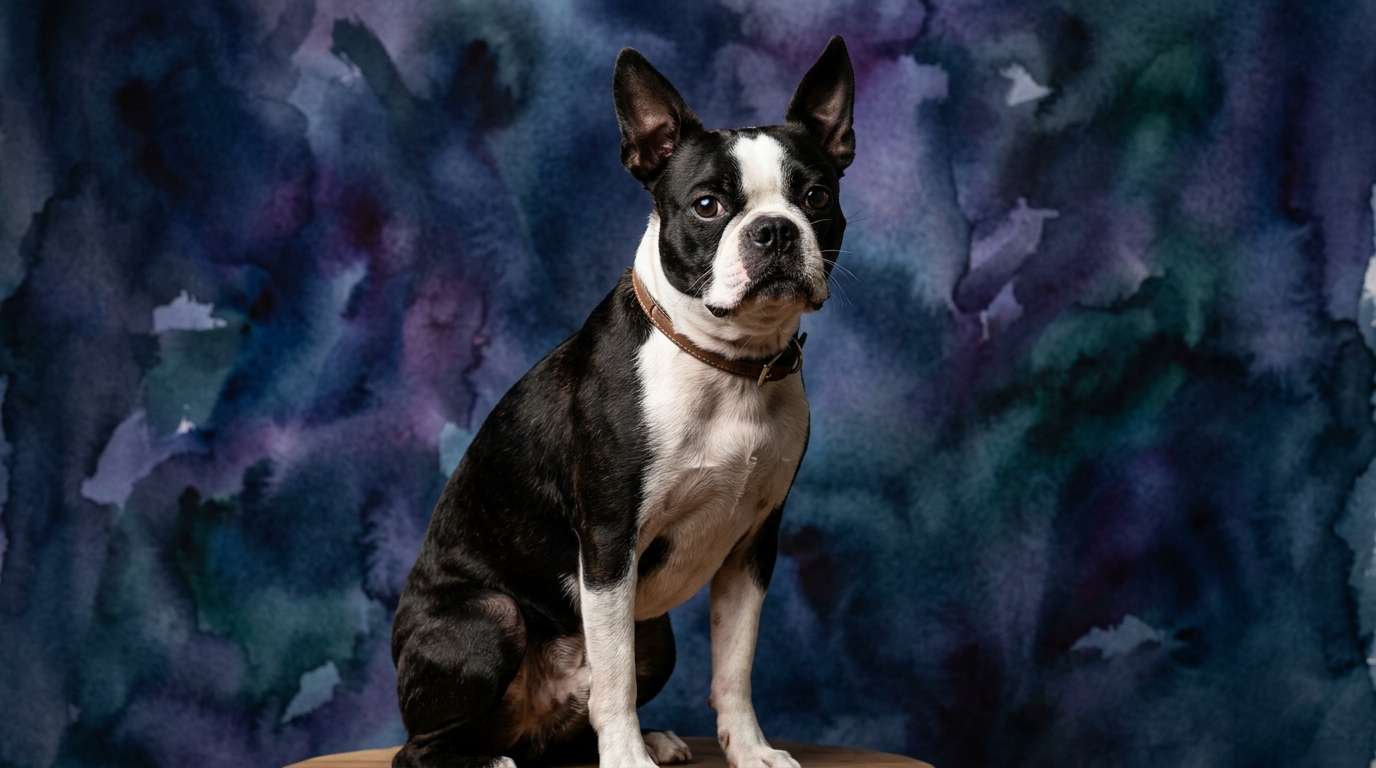
To understand the distinct mental landscapes of the Boston Terrier and the Sealyham Terrier, we examine their cognitive dimensions. The Boston Terrier, often called the 'American Gentleman,' holds a Coren rank of #54, indicating its aptitude in working and obedience tasks. Its problem-solving ability is rated 3/5, suggesting it can navigate common household puzzles but isn't necessarily a master strategist. Training speed is also 3/5, meaning it grasps commands at a steady, consistent pace, requiring diligent reinforcement. Social intelligence stands out at 4/5, reflecting a strong capacity for human-canine communication and a perceptive understanding of emotional cues. Its instinctive drive is 2/5, indicating a lower propensity for independent hunting or territorial behaviors. Memory is 3/5, allowing it to effectively retain learned behaviors and routines.
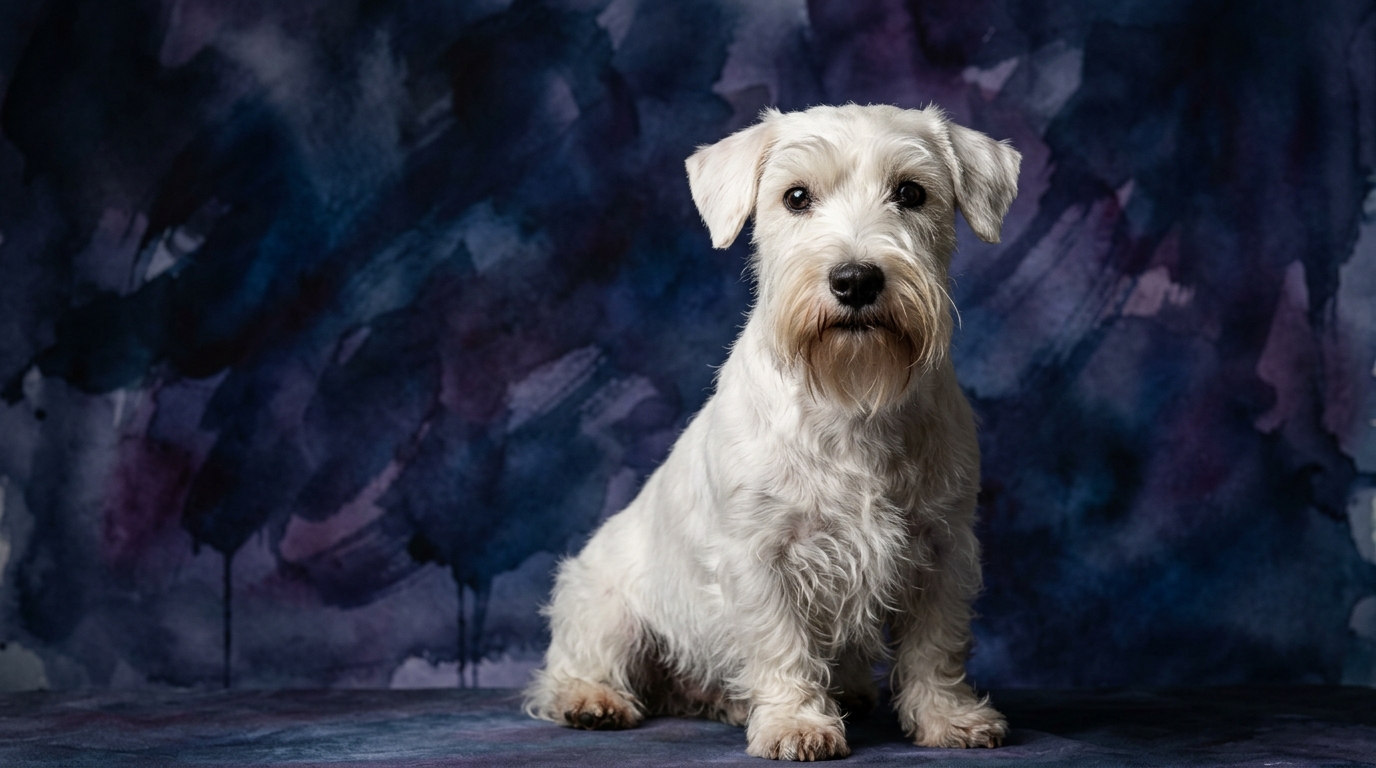
The Sealyham Terrier, a robust and determined earthdog, is not specifically listed in Coren's rankings, which doesn't diminish its cognitive capabilities but rather highlights a different focus in its historical evaluation. Its problem-solving ability matches the Boston at 3/5; these terriers are capable of overcoming obstacles, often through persistence and physical engagement rather than complex, abstract strategy. Training speed is 3/5, showing they learn at a steady pace but can exhibit an independent streak inherent to their terrier nature. Social intelligence is 3/5, indicating they form strong bonds and communicate effectively, though perhaps less overtly attuned to nuanced human signals compared to the Boston. Crucially, its instinctive drive is 3/5, reflecting an inherent desire to investigate, dig, and pursue, a direct legacy of its working heritage. Memory is 3/5, ensuring good recall for learned tasks, particularly those tied to routine or reward-based motivations.
Where the Boston Terrier Excels Cognitively
The Boston Terrier’s most pronounced cognitive advantage lies in its superior social intelligence, rated at 4/5. This elevated capacity suggests a deeper, more intuitive understanding of human social cues, making them highly responsive to subtle shifts in tone of voice, body language, and even emotional states. This translates into a remarkably fluid communicative partnership, where the Boston Terrier often appears to anticipate an owner's needs or moods, fostering a strong, empathetic bond. They frequently engage in 'checking in' behaviors, seeking reassurance or guidance, which is a hallmark of their social perceptiveness.
Furthermore, the Boston Terrier's lower instinctive drive (2/5) contributes positively to its domestic integration. With less cognitive energy diverted to independent hunting pursuits or territorial guarding, they are generally less prone to chasing small animals or exhibiting strong digging tendencies. This allows for greater focus on human interaction and adherence to household routines, making them less susceptible to 'selective deafness' when an enticing outdoor distraction, like a squirrel, appears. Their cognitive resources are more readily available for social learning and companionship, aligning perfectly with their role as a devoted house pet.
Where the Sealyham Terrier Shines Cognitively
The Sealyham Terrier’s cognitive strengths are rooted deeply in its working dog heritage, particularly its higher instinctive drive, rated at 3/5. This drive isn't merely a behavioral trait; it's a powerful cognitive engine that fuels a tenacious focus and unwavering persistence. This enables Sealyhams to meticulously follow a scent trail, investigate a burrow, or solve a physical puzzle until completion, especially if it engages their natural curiosity and desire to 'work.' While their problem-solving ability is rated 3/5, similar to the Boston, this drive often manifests as a more robust, independent, and physically engaged approach to overcoming environmental challenges.
This inherent drive also means the Sealyham Terrier is less likely to give up on a 'puzzle' or a task if it aligns with their natural inclinations. They possess a sturdy mental resilience, often approaching new situations with a bold, determined attitude. Their cognitive landscape is geared towards independent action and exploration, making them adept at tasks that require sustained effort and a certain degree of self-reliance. This tenacity, while sometimes challenging in training, is a significant cognitive asset when channeled appropriately, allowing them to excel in activities that require grit and focused application.
Training Dynamics: Boston vs. Sealyham
When it comes to ease of training, the Boston Terrier generally offers a smoother experience, primarily due to its superior social intelligence (4/5) and lower instinctive drive (2/5). Their keen perception of human cues means they are often more eager to please and quicker to understand what is being asked of them, responding particularly well to positive reinforcement and mirroring their owner's enthusiasm. They thrive on praise and connection, making them highly motivated to comply. Their lower drive also means fewer distractions from external stimuli like enticing scents or small animals, allowing for more consistent focus during training sessions, especially in varied environments.
The Sealyham Terrier, with its 3/5 social intelligence and 3/5 instinctive drive, can be trained effectively, but often requires a different approach. Their independent streak and higher drive mean they might not always be as intrinsically motivated by pleasing their owner alone. Training a Sealyham often necessitates more patience, consistency, and creative motivation that taps into their natural curiosity, persistence, and love for exploration. They learn best when tasks are engaging and offer a clear 'purpose' or reward that appeals to their terrier instincts. While both breeds have a 3/5 training speed, the Boston's social motivation often makes the process feel more intuitive and less demanding for the average owner, while the Sealyham benefits from an owner who understands and respects their working dog mentality.
Lifestyle Match: Active vs. Relaxed Owners
Matching a dog's cognitive profile to an owner's lifestyle is crucial for harmonious living. The Boston Terrier, with its moderate instinctive drive (2/5) and high social intelligence (4/5), is an excellent fit for relaxed to moderately active owners. They are content with regular walks and indoor play, without constantly seeking an independent 'job' or demanding intense physical exertion. Their cognitive needs are largely met through companionship, interaction, and participation in family activities. They thrive on being a central part of the household, adapting well to apartment living and a generally calmer pace of life, provided their need for consistent social engagement and communication is met. Their cognitive resources are heavily invested in understanding and interacting with their human family.
Conversely, the Sealyham Terrier, with its higher instinctive drive (3/5) and robust mental tenacity, suits moderately active owners who appreciate a dog with a purpose. They benefit significantly from activities that engage their natural curiosity, desire to explore, and inherent drive to investigate, such as scent work, earthdog trials (where appropriate), or vigorous walks with opportunities for safe, supervised off-leash exploration in secure areas. While adaptable to domestic life, they are less suited to a purely sedentary lifestyle, as their cognitive needs for engagement and an outlet for their drive might lead to boredom-driven behaviors like excessive digging or barking without proper mental and physical stimulation. Owners who enjoy channeling a dog's natural instincts will find the Sealyham a rewarding companion.
The Verdict
If you prioritize a highly communicative companion attuned to human social cues, enjoy a more relaxed pace, and seek a dog that integrates seamlessly into a family's daily routines with minimal independent drive to manage, the Boston Terrier is an excellent choice.
If you appreciate a dog with a tenacious spirit, a moderate independent drive that can be channeled into engaging activities, and value a companion that approaches challenges with sturdy persistence, the Sealyham Terrier will thrive with an owner who understands and nurtures its working heritage.
🧠 Find Your Pet's IQ Score
Our Pet IQ Lab assessment covers 25+ tests across 5 cognitive dimensions — personalized to your breed.
Take the Full IQ Test →Frequently Asked Questions
Are Boston Terriers good with other pets?
Thanks to their superior social intelligence (4/5) and lower instinctive drive (2/5), Boston Terriers often adapt well to living with other pets, including cats and other dogs. Early socialization is always beneficial to foster positive relationships.
Do Sealyham Terriers bark a lot?
Sealyham Terriers, with their terrier nature and 3/5 instinctive drive, can be alert barkers, especially when sensing something new or unusual in their environment. Consistent training and mental stimulation can help manage excessive barking.
How much exercise do these breeds need?
Boston Terriers require moderate daily exercise, typically 30-60 minutes of walks and playtime, to keep them physically and mentally content. Sealyham Terriers, with their higher drive, benefit from similar physical activity but also thrive on more mentally stimulating activities like scent games or puzzle toys to engage their tenacity.