Side-by-Side IQ Profile: Boston Terrier vs. Skye Terrier
The Cosmic Pet Pet IQ Lab employs a five-dimensional framework to assess canine intelligence, offering a granular view beyond generic notions of 'smartness.' Here’s how the Boston Terrier and Skye Terrier stack up:
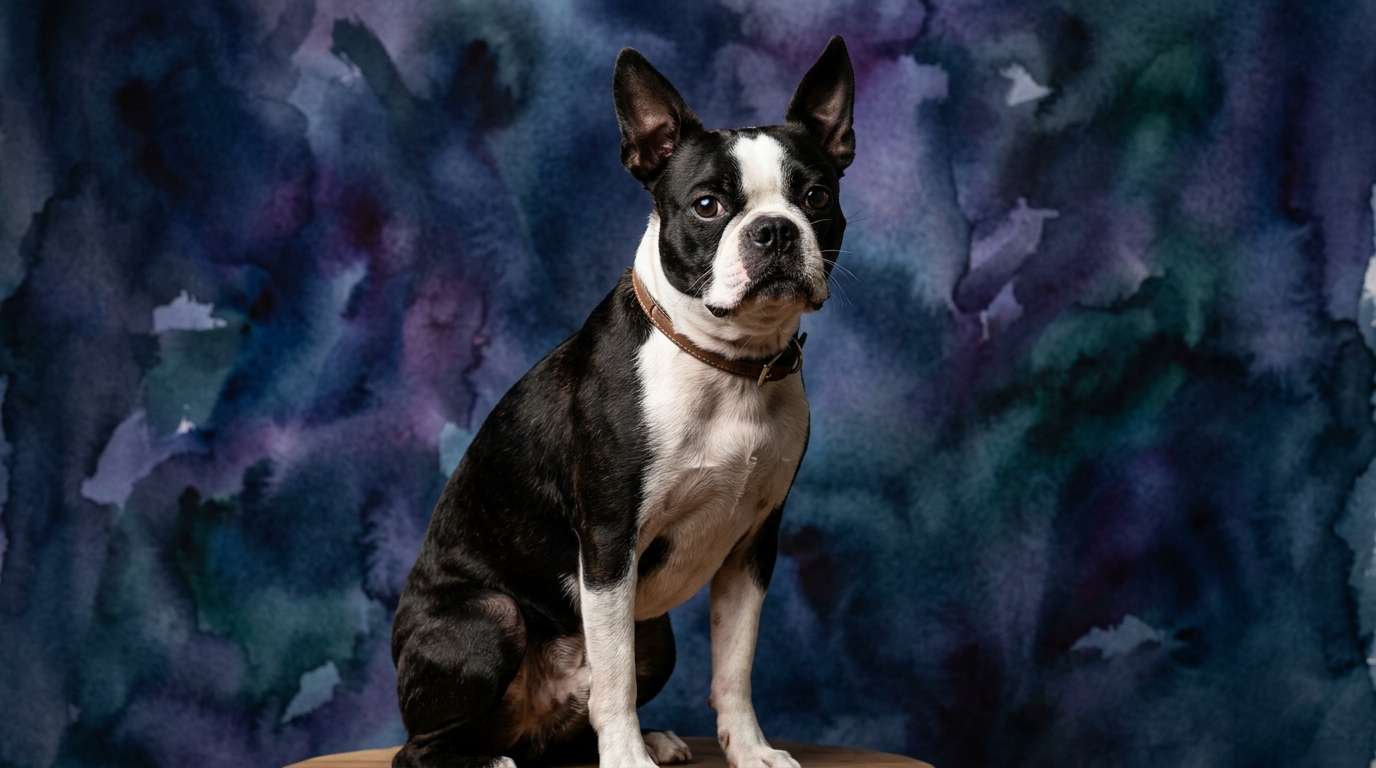
**Boston Terrier (Coren Rank #54)**: This charming companion breed, classified in the Non-Sporting Group, shows a balanced yet distinct cognitive profile. Its Problem Solving is rated 3/5, indicating a capacity for navigating puzzles and learning, but not always with groundbreaking innovation. Training Speed also sits at 3/5; they learn at a moderate pace, often requiring consistent, positive reinforcement due to an underlying independent streak. Where they truly shine is Social Intelligence, scoring an impressive 4/5, reflecting their exceptional attunement to human emotions and social cues, making them highly responsive companions. Their Instinctive Drive is notably low at 2/5, consistent with a breed primarily developed for companionship rather than working tasks. Memory is rated 3/5, meaning they retain learned commands and routines effectively, though less frequently practiced behaviors might need refreshers.
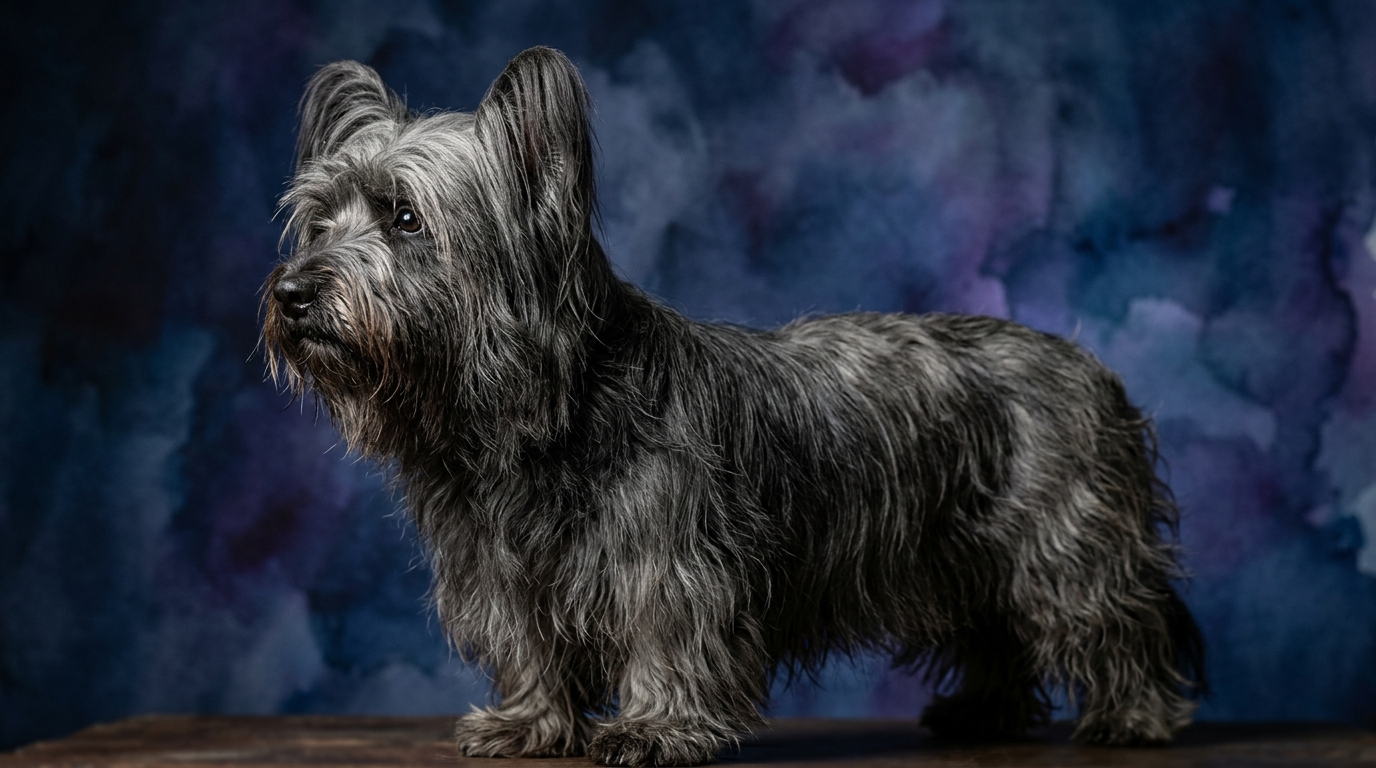
**Skye Terrier (Not Coren-ranked)**: Hailing from the rugged Isle of Skye and belonging to the Terrier Group, this breed presents a cognitive makeup deeply influenced by its working heritage. Its Problem Solving is 3/5, demonstrating a practical intelligence adept at finding ways to achieve goals, especially when it involves exploration or investigation. Training Speed is also 3/5; they learn steadily but their strong will can sometimes make them appear slower if motivation isn't perfectly pitched. Social Intelligence for the Skye Terrier is 3/5; they form deep, loyal bonds with their inner circle but can be reserved or discerning with strangers, often relying on their owners for social cues. Instinctive Drive scores 3/5, reflecting a robust terrier predisposition for hunting small vermin, digging, and exploring, a clear echo of their original purpose. Memory is 3/5, indicating a good capacity for recall, particularly concerning routines and territory-related experiences.
Where the Boston Terrier Wins Cognitively
The Boston Terrier’s standout cognitive advantage undeniably lies in its superior Social Intelligence, scoring a 4/5 compared to the Skye Terrier’s 3/5. This breed is exceptionally perceptive regarding human emotional states and social dynamics, making them highly responsive and empathetic companions. This acuity allows them to integrate seamlessly into family life, often anticipating needs or reacting appropriately to mood shifts, fostering a strong, intuitive bond. Their cognitive energy is largely directed towards understanding and engaging with their human family, making them excellent at reading the room and adapting their behavior accordingly.
Furthermore, their significantly lower Instinctive Drive (2/5 versus the Skye’s 3/5) presents another cognitive 'win' in a domestic setting. This means they are inherently less prone to behaviors rooted in strong hunting or territorial instincts. A Boston Terrier is less likely to become fixated on chasing small animals or engaging in extensive, unsupervised digging, simplifying management in urban or shared living spaces. Their focus is inherently more human-centric, reducing cognitive distractions from external environmental stimuli that might activate strong prey drives in other breeds, allowing them to remain more present and engaged with their human companions.
Where the Skye Terrier Wins Cognitively
The Skye Terrier’s cognitive strengths are deeply rooted in its working heritage, manifesting primarily in its Instinctive Drive. While the Boston Terrier was bred for companionship, the Skye’s 3/5 instinctive drive score indicates a robust genetic predisposition for independent problem-solving related to its original purpose: hunting vermin. This isn't just about chasing; it involves a cognitive process of tracking, strategizing, and persistence to achieve a goal, often requiring a degree of self-reliance and initiative that is highly valued in a working dog.
Their practical Problem Solving, though rated equally at 3/5, often expresses itself differently than in a Boston Terrier. A Skye might excel at figuring out how to bypass an obstacle to reach a specific scent or how to dig under a fence to investigate, demonstrating a tenacious, goal-oriented application of their intellect. This persistent drive, coupled with their more reserved social intelligence, means they often rely on their own wits and determination when faced with environmental challenges, rather than immediately seeking human guidance. This self-sufficiency is a cognitive asset for owners who appreciate a dog with a strong, independent streak and a natural inclination towards investigation.
Which is Easier to Train, and Why?
The Boston Terrier generally presents an easier and more straightforward training experience for most owners, primarily due to their higher social intelligence and lower instinctive drive. Their 4/5 social intelligence means they are inherently more inclined to please their human companions, keenly observing and responding to cues. This makes them highly receptive to positive reinforcement and eager to engage in cooperative learning. Their 2/5 instinctive drive also means fewer distractions from ingrained hunting behaviors; they are less likely to become fixated on scents or small movements during training sessions, allowing for better focus on the task at hand. While their training speed is 3/5, their social eagerness often compensates, making the process feel more intuitive and rewarding for both dog and owner.
In contrast, the Skye Terrier, with its 3/5 social intelligence and 3/5 instinctive drive, can be more challenging for the uninitiated. Their deep bond is typically reserved for a select few, and while they learn at a 3/5 pace, their strong-willed nature and independent streak mean they require a trainer who understands how to motivate them effectively without relying solely on a desire to please. Their natural inclination to pursue scents or investigate interesting sounds can easily divert their attention during training, demanding a patient, consistent approach that taps into their practical intelligence rather than just their compliance. Training a Skye often involves convincing them that cooperation is their idea, or that the reward is worth overriding their independent urges, requiring a more nuanced understanding of terrier psychology.
Suits Active Owners vs. Relaxed Owners
For relaxed owners seeking a devoted and adaptable companion, the Boston Terrier is often the more fitting choice. Their moderate instinctive drive and high social intelligence mean they are generally content with regular walks, indoor play, and ample cuddle time. While they appreciate activity, their cognitive profile doesn't demand constant strenuous engagement or intricate problem-solving tasks that stem from a strong working background. They thrive on human interaction and being an integral part of family life, making them excellent apartment dwellers or companions for those with a more leisurely lifestyle. Their cognitive needs are largely met through companionship and consistent routine, without the inherent restlessness that can accompany stronger working drives.
Active owners, particularly those who appreciate a dog with a robust sense of purpose and a more independent streak, might find the Skye Terrier a more engaging partner. While not requiring marathon runs, their 3/5 instinctive drive and practical problem-solving nature mean they benefit from activities that stimulate their innate terrier instincts—think scent work, supervised digging opportunities in a secure area, or exploring varied environments. They enjoy purposeful walks and mental challenges that allow them to exercise their tenacity and wit. Owners who enjoy engaging in structured training that respects a dog's independent thought, or who appreciate a companion with a discerning and somewhat reserved personality, will find the Skye Terrier’s cognitive makeup a rewarding match. They are not necessarily for high-intensity sports, but for owners who value a dog with a distinct personality and a drive to explore and investigate.
The Verdict
Choose the Boston Terrier if you prioritize a highly socially attuned companion eager to integrate into family life, requiring less management of strong instinctive behaviors, and thriving on consistent companionship.
Opt for the Skye Terrier if you appreciate a dog with an independent spirit and a robust working drive, are prepared for consistent, patient training that respects their discerning nature, and seek a loyal, protective companion for a more structured home.
🧠 Find Your Pet's IQ Score
Our Pet IQ Lab assessment covers 25+ tests across 5 cognitive dimensions — personalized to your breed.
Take the Full IQ Test →Frequently Asked Questions
Are Boston Terriers good with children?
Their high social intelligence (4/5) generally makes Boston Terriers excellent family dogs, often forming strong bonds with children and adapting well to household dynamics. Supervision is always recommended, but their perceptive nature helps them navigate interactions gently.
Do Skye Terriers require a lot of grooming?
Yes, Skye Terriers have a distinctive double coat that requires regular grooming to prevent matting and maintain its health. Their long, flowing hair needs consistent brushing and occasional professional care to keep them comfortable and looking their best.
Can Skye Terriers live in apartments?
While they are not overly energetic, Skye Terriers can live in apartments if their exercise needs, including stimulating walks and mental engagement, are consistently met. Their reserved nature with strangers and lower social intelligence (3/5) compared to some breeds means they appreciate a calm, structured environment.