A Side-by-Side Cognitive Profile
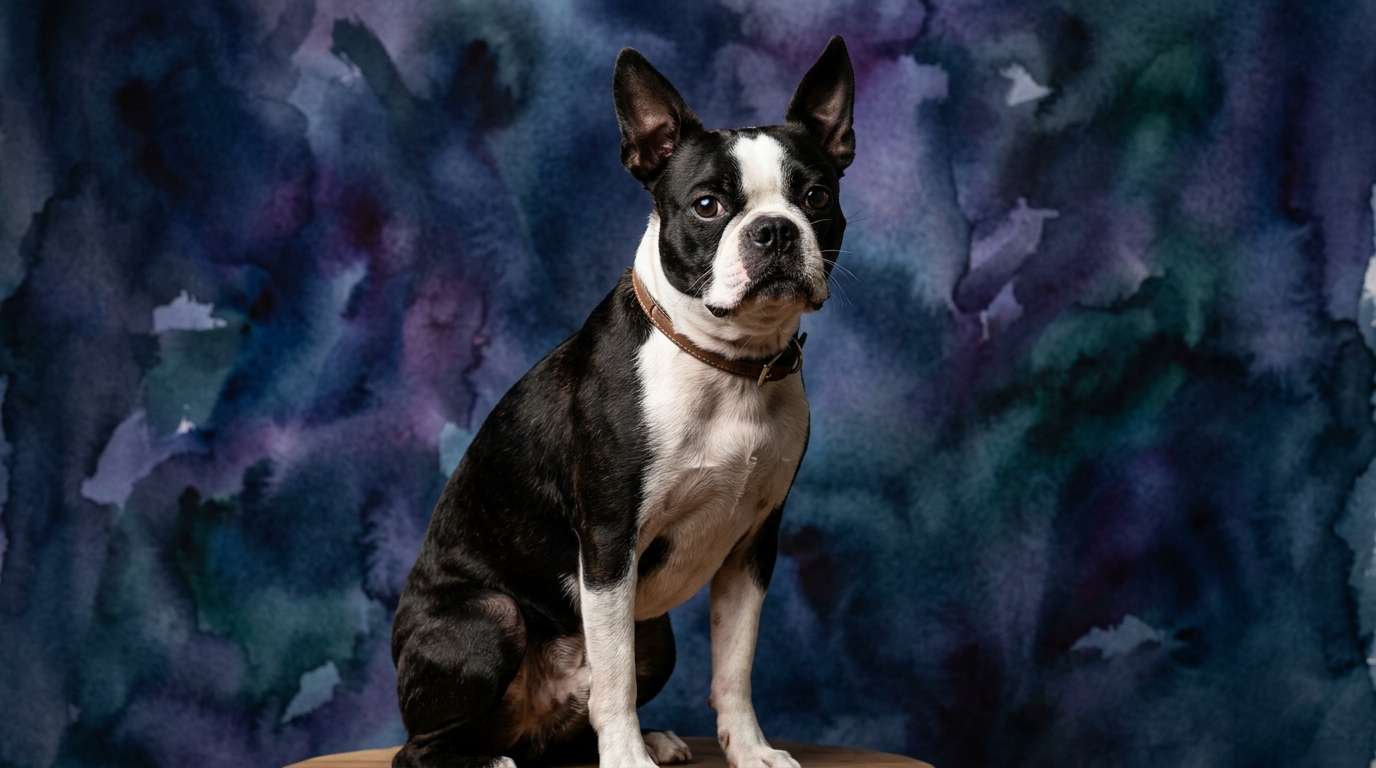
The Boston Terrier, a non-sporting breed ranked #54 by Coren, presents a unique blend of mental attributes. Their problem-solving ability is rated 3/5, suggesting they can navigate moderately complex challenges and learn routines effectively. Training speed also sits at 3/5, indicating they pick up commands at a steady, consistent pace, not exceptionally fast but reliably. Where they truly shine is in social intelligence, scoring 4/5, demonstrating a profound attunement to human emotions and social cues. Their instinctive drive is lower at 2/5, meaning minimal inherent working or prey drives, and memory is a solid 3/5, allowing them to retain learned behaviors and associations dependably.
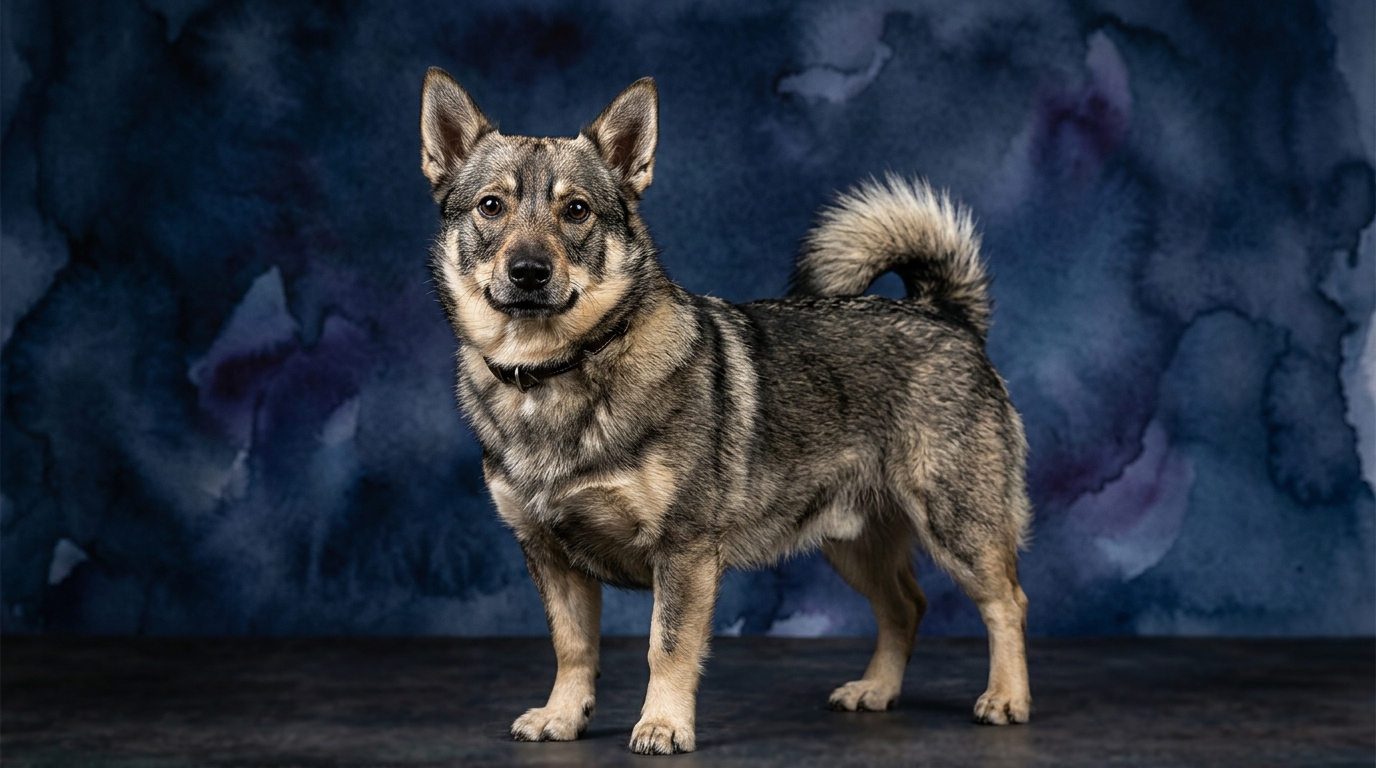
In contrast, the Swedish Vallhund, a herding breed not Coren-ranked, shows a more uniform cognitive spread, reflecting its versatile working heritage. Its problem-solving capacity matches the Boston Terrier at 3/5, capable of understanding and overcoming moderate obstacles, often through observation. Training speed is also 3/5, indicating a consistent learning curve that benefits from clear, structured instruction. Social intelligence for the Vallhund is 3/5, suggesting a good ability to read human signals but perhaps with a more independent focus compared to the Boston Terrier. Its instinctive drive is 3/5, reflecting a moderate herding inclination that requires outlets, and memory is also 3/5, ensuring reliable retention of training and experiences.
Where the Boston Terrier Excels Cognitively
The Boston Terrier's standout cognitive strength lies in its exceptional social intelligence, rated 4/5. This isn't merely about liking people; it signifies a heightened capacity to interpret subtle human moods, intentions, and non-verbal cues. A Boston Terrier often anticipates its owner's needs or desires, using this understanding to foster deep connections and seek attention or comfort proactively. Their problem-solving skills, while moderate, frequently manifest in navigating social situations – figuring out how to get a preferred treat from a specific person or initiating play at just the right moment. This profound social attunement makes them incredibly responsive and intuitive companions, often seeming to 'understand' their humans on a deeper level. Their lower instinctive drive (2/5) further enhances this, as they are less distracted by innate urges to hunt or herd, allowing their focus to remain intently on human interaction and companionship.
Where the Swedish Vallhund Excels Cognitively
The Swedish Vallhund's cognitive advantage stems from its moderate instinctive drive, scoring 3/5. This isn't just about physical energy; it signifies an inherent predisposition for structured activity, pattern recognition in movement, and a desire to manage or organize. Originating as a herding dog, the Vallhund naturally gravitates towards tasks that engage its working brain, often manifesting in a keen observational ability and a drive to complete objectives. Their problem-solving, while rated 3/5, often leans towards environmental navigation, strategic positioning, or task completion related to movement and control, making them adept at activities like agility or canine sports. This inherent drive provides a strong foundation for engagement and purpose, allowing them to thrive when given a 'job' to do, even if it's simply a complex game or a challenging hike. Their balanced cognitive profile across the board (mostly 3/5) suggests a robust adaptability for varied practical tasks, not solely social interaction.
Training Aptitude: Boston Terrier vs. Swedish Vallhund
Both breeds share a 3/5 rating for training speed, suggesting neither is inherently faster or slower to learn new commands. However, their distinct cognitive profiles dictate *how* they are best trained and what motivates them. The Boston Terrier's superior social intelligence (4/5) means they are primarily motivated by human approval and connection. They possess a strong desire to please their owners, making them highly receptive to positive reinforcement methods that involve praise, affection, and interactive rewards. Their lower instinctive drive also means fewer internal distractions from strong working urges, generally leading to more compliant behavior within a domestic setting. Consistency, coupled with an emphasis on the bond, yields excellent results for Boston Terriers.
The Swedish Vallhund, with its moderate instinctive drive (3/5), thrives on training that engages its natural herding instincts and provides a sense of purpose. While they appreciate connection, they are often equally motivated by the intrinsic reward of completing a task or mastering a skill. Training methods that incorporate structured activities, puzzle-solving, or even modified 'herding' games (like guiding toys) are highly effective. Clear, consistent commands and a sense of routine appeal to their working heritage. For a Vallhund, training isn't just about pleasing; it's about engaging their capable mind and body in a meaningful activity, making them responsive to methods that offer a job to do.
Lifestyle Match: Active vs. Relaxed Owners
For owners with a more relaxed lifestyle, the Boston Terrier often proves to be an ideal companion. Their high social intelligence and lower instinctive drive mean they are content with quality time spent with their humans, engaging in shorter bursts of play, and generally enjoying being an integrated part of daily domestic routines without demanding an intense 'job'. While they benefit from mental stimulation, their cognitive needs are often met through interactive play and social engagement rather than rigorous physical or task-oriented activities. They are excellent at adapting to an owner's pace, finding comfort in companionship.
Conversely, the Swedish Vallhund is better suited for active owners who can provide consistent mental and physical engagement. Their herding background and moderate instinctive drive mean they require regular opportunities to channel their energy and cognitive abilities into productive activities. They thrive in environments where they can participate in canine sports like agility, obedience, or even 'urban herding' games, as well as enjoy long, varied walks or hikes. An active owner can effectively channel the Vallhund's problem-solving and drive into stimulating pursuits, preventing boredom and fostering a well-adjusted, engaged partner.
The Verdict
Choose the Boston Terrier if you prioritize a deeply socially connected companion, thriving on human interaction and content with a less task-oriented daily life.
Opt for the Swedish Vallhund if you seek a resilient, engaged partner for activities, appreciating a dog with a clear sense of purpose and a moderate working drive.
🧠 Find Your Pet's IQ Score
Our Pet IQ Lab assessment covers 25+ tests across 5 cognitive dimensions — personalized to your breed.
Take the Full IQ Test →Frequently Asked Questions
Do Boston Terriers need a lot of mental stimulation?
Yes, while not driven by intense working instincts, Boston Terriers benefit significantly from mental engagement through puzzle toys and short, fun training sessions. These activities leverage their social intelligence and desire for interaction, preventing boredom and strengthening their bond with their owners.
How does a Swedish Vallhund's herding drive manifest in a home environment?
A Vallhund's moderate herding drive might lead them to gently 'herd' family members, especially children or other pets, by nudging or circling. Providing structured outlets like herding games, agility, or even trick training can help manage this instinct positively and keep them mentally satisfied.
Are either of these breeds good for first-time dog owners?
Both can be suitable, but with different considerations. Boston Terriers' eagerness to please and social nature can be forgiving for novices, while Swedish Vallhunds require a more consistent owner ready to engage their working mind and manage their natural drives through regular activity and training.