Side-by-Side IQ Profile: Unpacking Canine Cognition
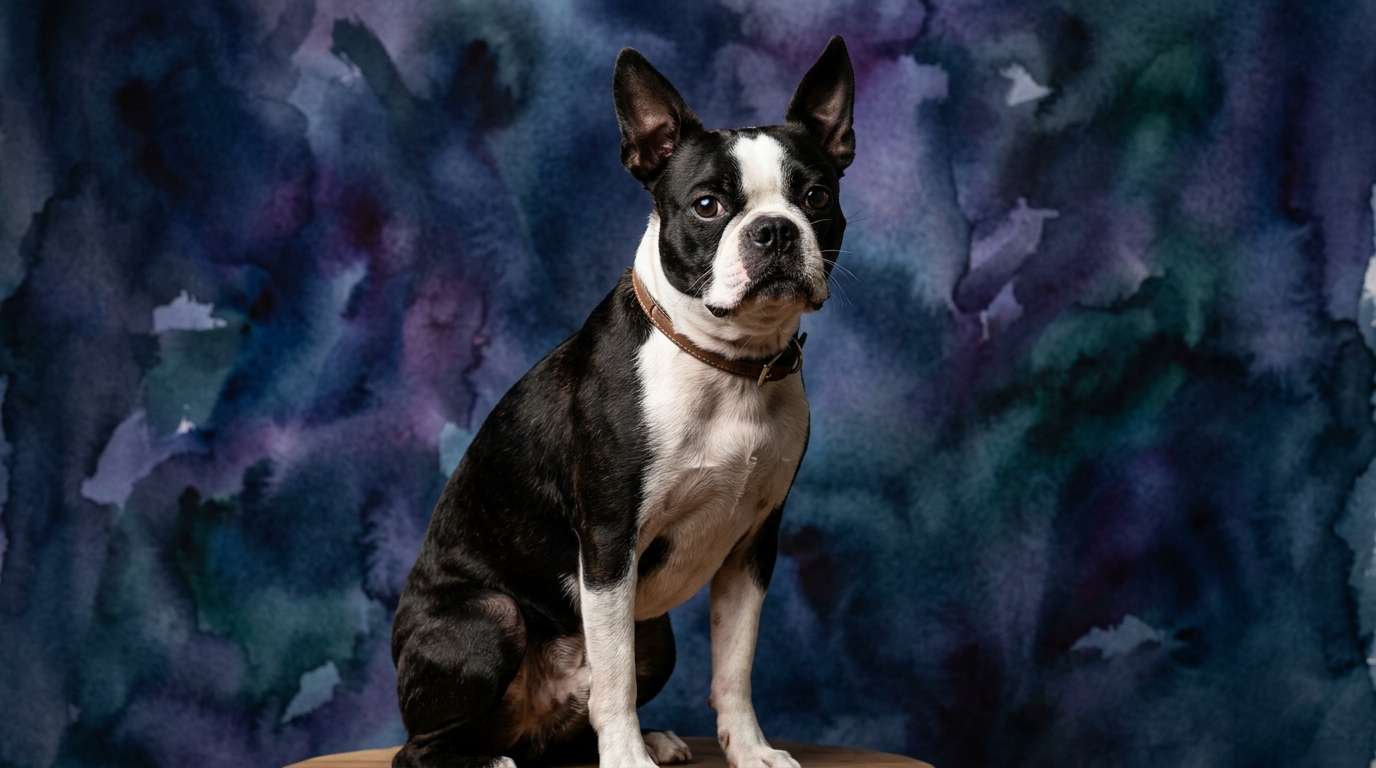
Boston Terrier (Coren Rank #54): This breed from the Non-Sporting group presents a balanced cognitive profile with a notable strength in social interaction. Their Problem Solving is rated 3/5, indicating an average capacity for navigating novel situations and figuring out puzzles, suggesting they can learn to open simple latches or understand cause-and-effect in their immediate environment. Training Speed also sits at 3/5, meaning they typically grasp new commands and routines at a moderate pace, neither exceptionally quick nor particularly slow. Where the Boston Terrier truly shines is in Social Intelligence, scoring an impressive 4/5; they are highly attuned to human emotions, body language, and social cues, making them empathetic and responsive companions. Their Instinctive Drive is lower at 2/5, meaning they generally have less innate drive for tasks like hunting, herding, or guarding, and are more geared towards companionship. Memory is rated 3/5, suggesting they retain learned behaviors and experiences adequately.
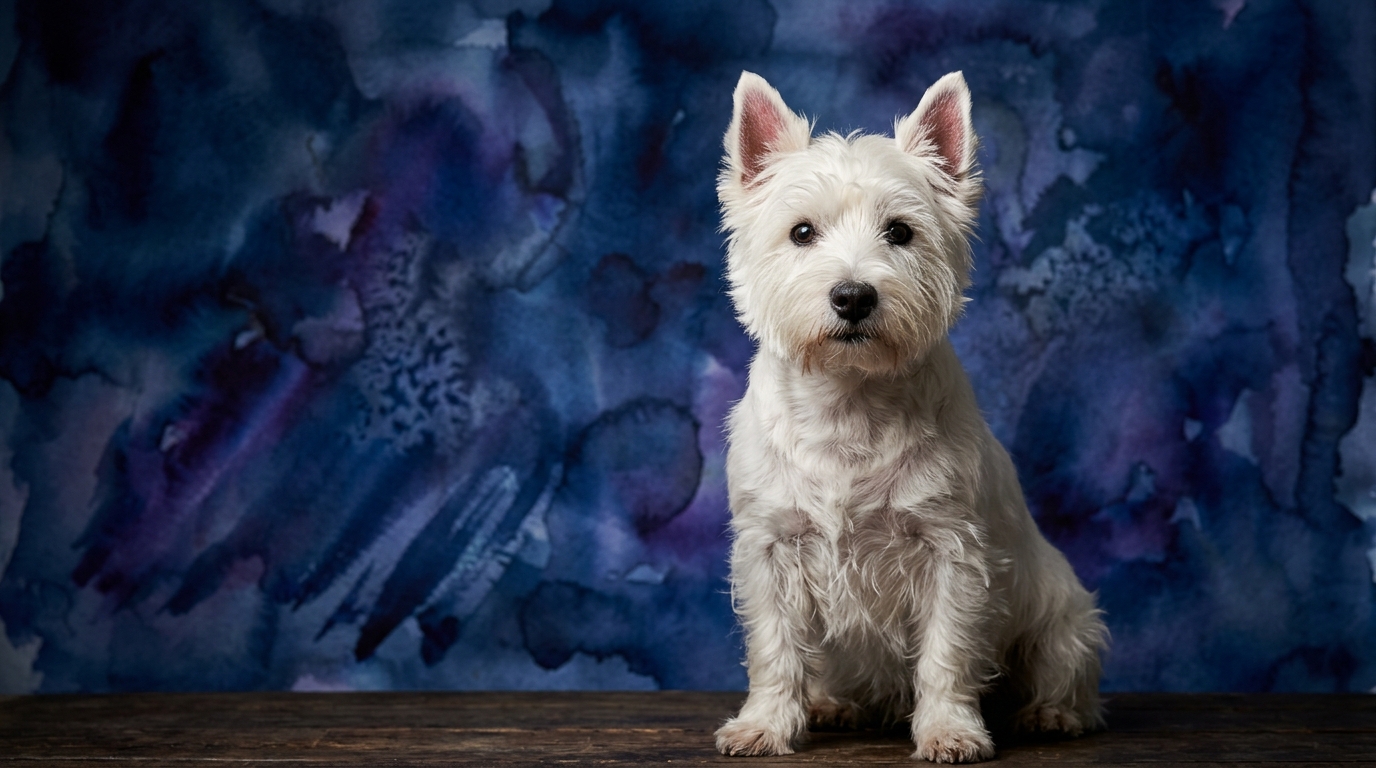
West Highland White Terrier (Coren Rank #47): Hailing from the Terrier group, the Westie's cognitive makeup reflects its working heritage, placing it slightly higher in the Coren ranking. Their Problem Solving is also 3/5, mirroring the Boston Terrier's capacity for independent thought in overcoming minor obstacles or figuring out how to get what they want within their environment. Training Speed is likewise 3/5, indicating a similar pace in acquiring new skills, though their application of these skills might differ due to other cognitive traits. In contrast to the Boston, their Social Intelligence is 3/5, which means they are generally responsive to human interaction but might not possess the same level of emotional sensitivity or desire to please. The Westie's Instinctive Drive is stronger at 3/5, reflecting a history of hunting and digging; this translates into a persistent, often independent streak and a natural inclination to explore and pursue. Their Memory is a standout at 4/5, suggesting a superior ability to recall events, commands, and routines over extended periods, making them apt at retaining both desired and unwanted behaviors.
Where the Boston Terrier Wins Cognitively: The Empathetic Companion
The Boston Terrier's clear cognitive advantage lies in their Social Intelligence, scoring 4/5 compared to the Westie's 3/5. This higher score means Boston Terriers are exceptionally adept at reading and responding to human emotional states. They often seem to anticipate their owner's needs or moods, offering comfort or initiating play at just the right moment. This superior social acumen makes them incredibly intuitive companions, fostering a deep, almost symbiotic bond. They are more likely to seek out human interaction and validation, making them highly receptive to positive reinforcement rooted in social praise and attention. This heightened sensitivity can also translate into a greater awareness of household dynamics, allowing them to adapt smoothly to changes in routine or environment, often without the independent stubbornness sometimes seen in breeds with lower social intelligence. Their inclination to please, driven by this strong social connection, can make them highly cooperative in daily life.
Where the West Highland White Terrier Wins Cognitively: The Persistent Investigator
The West Highland White Terrier distinguishes itself with a superior Memory (4/5) and a stronger Instinctive Drive (3/5) compared to the Boston Terrier. Their excellent memory means Westies are highly capable of retaining complex sequences of commands, remembering specific routes, or recalling past experiences, whether positive or negative. This can be a powerful asset in advanced training or for dogs involved in canine sports where remembering patterns is crucial. Coupled with their higher Instinctive Drive, Westies exhibit a persistent, often tenacious approach to tasks. This drive, rooted in their terrier heritage, means they are more inclined to follow their noses, dig, or pursue small prey, demonstrating an intrinsic motivation that isn't always tied to human direction. This combination of strong memory and drive makes them formidable problem-solvers when motivated, capable of sustained effort to achieve a goal they deem worthwhile, even if it's just finding the squeaker in a toy or digging under a fence.
Which is Easier to Train and Why: Nuances of Learning
Both breeds share a Training Speed score of 3/5, suggesting they learn new commands at a moderate pace. However, the *ease* of training can differ significantly due to their other cognitive traits. The Boston Terrier's higher Social Intelligence (4/5) makes them generally more eager to please and more responsive to human cues and emotional feedback. They thrive on positive reinforcement that includes praise and affection, often viewing training as a collaborative activity that strengthens their bond with their owner. This innate desire for social connection can make them more compliant and focused during training sessions, as they are motivated by the interaction itself.
The West Highland White Terrier, despite its good memory, presents a different training dynamic. While their 3/5 Training Speed means they *can* learn, their stronger Instinctive Drive (3/5) and slightly lower Social Intelligence (3/5) often translate into an independent streak. Westies can be highly persistent and may prioritize their own instincts (like sniffing out a scent or exploring) over immediate compliance. Their excellent memory means they will remember commands, but also that they will remember if certain undesirable behaviors led to a desired outcome for them. Training a Westie often requires more patience, consistency, and creative motivation to channel their drive into desired behaviors rather than relying solely on their desire to please. They respond well to reward-based training but might require more mental engagement and varied exercises to keep them interested and focused.
Which Suits Active Owners vs. Relaxed Owners: Lifestyle Harmony
The cognitive profiles of these two breeds offer distinct fits for different owner lifestyles. The Boston Terrier, with its higher Social Intelligence (4/5) and lower Instinctive Drive (2/5), is generally an adaptable companion well-suited for more relaxed owners or those living in urban environments. Their strong desire for human company means they are content with indoor activities and moderate daily walks, prioritizing cuddle time on the couch over extensive outdoor adventures. They are typically less prone to independent mischief driven by instinct, making them excellent apartment dwellers who thrive on companionship and consistent, calm interaction. Their adaptability means they can comfortably adjust to varying levels of activity as long as their need for social engagement is met.
The West Highland White Terrier, conversely, with its stronger Instinctive Drive (3/5) and excellent Memory (4/5), is a better match for active owners who can provide consistent mental and physical stimulation. Their terrier instincts mean they possess more energy and a greater need for purposeful activity, whether it's extended walks, vigorous play sessions, or engaging in canine sports like agility or earthdog trials. Owners who enjoy training and providing diverse challenges will find a willing, albeit sometimes opinionated, partner in a Westie. They flourish when given opportunities to use their nose and their intellect, and without sufficient outlets, their persistence and memory can manifest as boredom-driven behaviors like excessive digging or barking. They require owners who understand and appreciate their independent, spirited nature and are prepared to channel it productively.
The Verdict
Choose Boston Terrier if: You seek an emotionally attuned, highly social companion who prioritizes interaction and adapts well to a more relaxed, indoor-centric lifestyle, thriving on affection and human connection.
Choose West Highland White Terrier if: You're an active owner who appreciates a spirited, persistent, and independent dog, eager to engage in consistent training, outdoor adventures, and mental challenges that satisfy their strong instinctive drives.
🧠 Find Your Pet's IQ Score
Our Pet IQ Lab assessment covers 25+ tests across 5 cognitive dimensions — personalized to your breed.
Take the Full IQ Test →Frequently Asked Questions
Do Boston Terriers and Westies have similar problem-solving abilities?
Yes, both breeds share a Problem Solving score of 3/5, indicating a similar average capacity for figuring out novel situations and navigating their environment. While their motivations might differ, their intrinsic ability to approach and resolve simple challenges is comparable.
Why might a Westie seem more stubborn during training despite a similar training speed score?
A Westie's stronger Instinctive Drive and independent terrier nature can make them appear more stubborn, as they might prioritize their innate urges over human commands. While they learn at a similar speed, their motivation is often internal, requiring more consistent, engaging, and reward-based methods to channel their drive effectively.
Are these breeds suitable for first-time dog owners?
A Boston Terrier's high social intelligence and adaptable nature can make them a good fit for first-time owners seeking an affectionate and responsive companion. A West Highland White Terrier, while charming, might present more challenges for a novice due to their independent streak and higher instinctive drive, requiring a more committed approach to training and enrichment.