Side-by-Side Cognitive Profiles
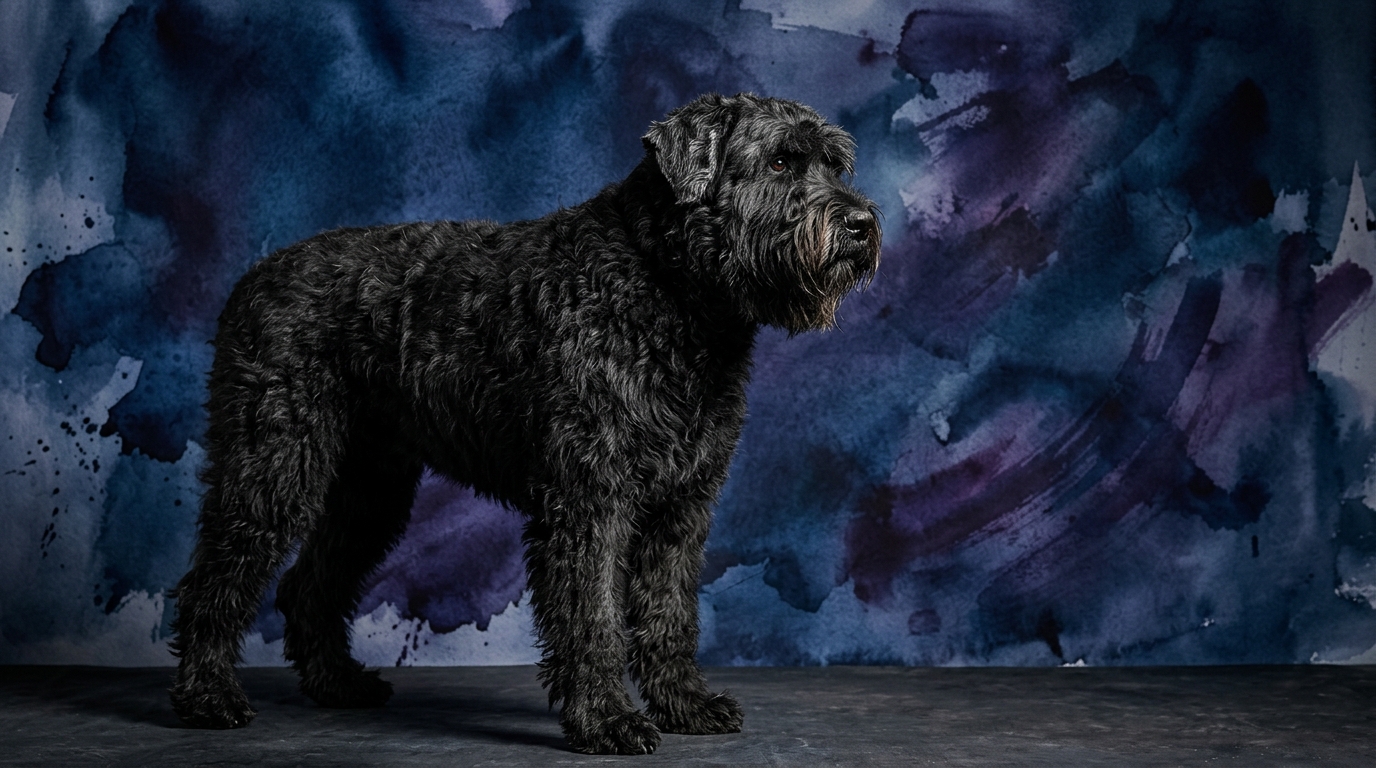
The Bouvier des Flandres, originating as a robust cattle drover and farm dog in Flanders, developed an independent and resilient intellect. Their Problem Solving score of 3/5 reflects a capacity to devise practical solutions in dynamic, often challenging, farm environments, such as strategically managing livestock or navigating complex terrain. Training Speed, also 3/5, indicates they are capable learners but often require consistent, patient guidance due to their independent nature and strong will. Social Intelligence at 3/5 means they are perceptive to human cues but may choose to interpret them through their own lens of utility and purpose, rather than immediate eagerness to please. Their Instinctive Drive, 3/5, is strongly rooted in herding, guarding, and territorial protection, manifesting as a persistent desire to manage their surroundings and occupants. Finally, a Memory score of 3/5 suggests they retain learned commands and experiences effectively, but their recall might be influenced by current environmental stimuli or their own assessment of a situation's importance.
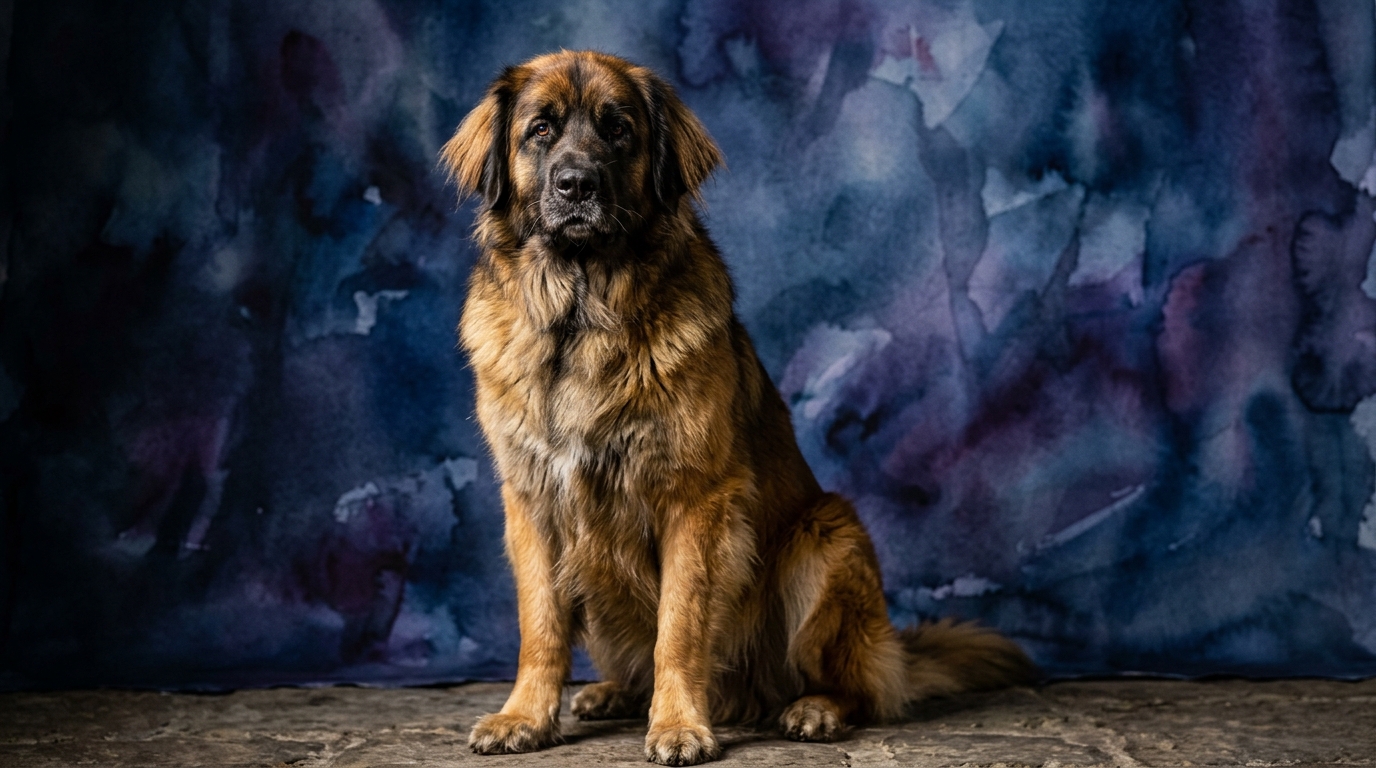
The Leonberger, a majestic breed from Germany, was developed as a versatile companion and working dog, often involved in guarding estates, pulling carts, and even water rescue. Their Problem Solving at 3/5 highlights an ability to assess situations and act, whether it's determining a safe path for a cart or responding to a perceived threat. Training Speed, also 3/5, signifies they are receptive to learning, often motivated by a desire for connection and positive reinforcement, though their immense size demands early and consistent training to manage effectively. Social Intelligence, 3/5, is evident in their reputation as sensitive companions, often attuned to the emotional states of their human family members, making them excellent therapy prospects. Instinctive Drive, 3/5, manifests as a strong protective instinct, coupled with a drive for companionship and a willingness to engage in tasks that benefit their family, such as watchful guarding or carrying items. Their Memory score of 3/5 ensures they remember their training and experiences, contributing to their reliability as family guardians and working partners.
Where the Bouvier des Flandres Wins Cognitively
The Bouvier des Flandres, with its heritage deeply rooted in herding and farm work, demonstrates a distinct cognitive edge in scenarios demanding autonomous decision-making and precise environmental management. Their Problem Solving (3/5) is particularly adept when faced with dynamic, unstructured problems, such as strategically positioning themselves to move livestock or identifying an errant animal. This isn't just about following commands; it's about initiating action based on observation and a pre-programmed understanding of control. Their Instinctive Drive (3/5) is a highly specialized form of intelligence, granting them an almost innate understanding of spatial relationships and the movement of other creatures, allowing them to anticipate and direct with minimal human intervention. This translates into a capacity for intricate, self-directed tasks where a Leonberger's more generalized working drive might seek human instruction first. For instance, a Bouvier might instinctively 'flank' a wandering child back towards the family, applying a subtle herding pressure, whereas a Leonberger might physically intervene or bark to alert. Their Memory (3/5) in this context is less about rote recall and more about remembering patterns of behavior and environmental layouts, crucial for effective patrolling and resource management.
Where the Leonberger Wins Cognitively
The Leonberger, developed as a versatile working and companion dog, excels cognitively in areas emphasizing social attunement, compassionate problem-solving, and a strong desire for cooperative engagement. Their Social Intelligence (3/5) shines in their ability to gauge human emotions and respond with appropriate comfort or protection, a trait that makes them exceptional therapy and family dogs. This isn't merely recognition; it's an empathetic processing that allows them to adjust their behavior to suit the emotional climate of their household. While their Problem Solving is also 3/5, it often manifests in scenarios requiring judgment that prioritizes safety and companionship, such as carefully navigating around small children or instinctively offering a paw to a distressed family member. Their Instinctive Drive (3/5) is geared towards protection and service, making them highly motivated by tasks that involve collaboration and benefit their human companions, like carrying groceries or patiently standing guard. Unlike the Bouvier's independent herding focus, the Leonberger's drive is often expressed through a deep desire to be an integral, contributing part of the human 'pack.' Their Memory (3/5) is robust in recalling social cues, routines, and the specific dynamics of their family, contributing to their consistent and reliable temperament within a domestic setting.
Training Dynamics: Which is Easier?
Both the Bouvier des Flandres and the Leonberger share a 3/5 rating for Training Speed, indicating they are capable learners but not necessarily instant responders. However, the approach to their training and the ease of achieving consistent results can differ based on their inherent behavioral tendencies. The Leonberger often presents as 'easier' to train for the average pet owner due to their social intelligence and strong desire to please their human companions. Their working heritage, centered on collaboration and companionship, means they typically respond well to positive reinforcement and bond-based training methods, viewing commands as opportunities for connection. Their large size necessitates early and consistent training, but their generally gentle and biddable nature facilitates this process. The Bouvier des Flandres, while equally capable of learning, can be more challenging. Their herding background imbues them with a strong sense of independence and an inclination to make their own decisions. This means they require a handler who is confident, consistent, and understands how to channel their problem-solving drive. They might 'test' boundaries more frequently, not out of malice, but because their cognitive framework encourages them to assess whether a command is truly necessary or if their own solution is superior. Training a Bouvier often involves proving the value and consistency of your leadership, whereas training a Leonberger often involves fostering a cooperative partnership built on mutual affection.
Lifestyle Match: Active vs. Relaxed Owners
The Bouvier des Flandres is unequivocally suited for active owners. Their heritage as working farm dogs means they possess a deep-seated need for physical exertion and, more importantly, mental engagement. An owner who can provide structured activities like advanced obedience, agility, herding trials, or even long, challenging hikes will find their Bouvier thrives. Without a 'job' or sufficient mental stimulation, their problem-solving intellect and instinctive drives can manifest as undesirable behaviors like excessive patrolling, digging, or trying to 'herd' family members. They require an owner who understands their need for purpose and is willing to invest time in channeling their considerable energy and independent thought.
The Leonberger, while a large and powerful working breed, can surprisingly adapt to a slightly more relaxed owner, provided they receive adequate daily exercise and mental stimulation. They are not couch potatoes by any means, needing regular walks, play sessions, and opportunities for interaction. However, their drive is often more centered around companionship and cooperative tasks rather than the relentless energy of a herding dog. A Leonberger might be content with a brisk walk followed by a long cuddle session, or a game of fetch in the yard, rather than needing to run for miles. They thrive on being an integral part of family life and will often be happy just 'being with' their people, even if the activity is low-key, as long as their fundamental needs for exercise and mental engagement are met. They are excellent choices for owners who enjoy regular, moderate activity but also appreciate a calm, affectionate presence in the home.
The Verdict
Choose the Bouvier des Flandres if you are an experienced, active owner seeking an independent, robust working partner eager to engage in structured tasks that challenge their problem-solving intellect and strong herding instincts.
Choose the Leonberger if you desire a gentle, devoted companion who thrives on social connection and cooperative tasks, suitable for owners who can provide consistent, bond-based training and moderate daily activity.
🧠 Find Your Pet's IQ Score
Our Pet IQ Lab assessment covers 25+ tests across 5 cognitive dimensions — personalized to your breed.
Take the Full IQ Test →Frequently Asked Questions
Are Bouvier des Flandres good with children?
Bouviers can be excellent family companions, but their strong herding instincts mean they might try to 'herd' children, especially younger ones, which requires supervision and early training to manage. With proper socialization and guidance, they are protective and loyal family members.
Do Leonbergers bark a lot?
Leonbergers are not typically excessive barkers; they tend to be watchful guardians who will bark to alert their family to perceived threats or unusual activity. Their deep bark is generally reserved for a purpose, rather than constant noise.
How much grooming do these breeds require?
Both breeds require significant grooming. The Bouvier des Flandres has a harsh, double coat that needs regular brushing and stripping or clipping to prevent matting. The Leonberger's long, dense double coat also requires frequent brushing, especially during shedding seasons, to maintain its condition and minimize loose hair.