
Side-by-Side Cognitive Profiles: Decoding the Nuances of a 3/5 Score
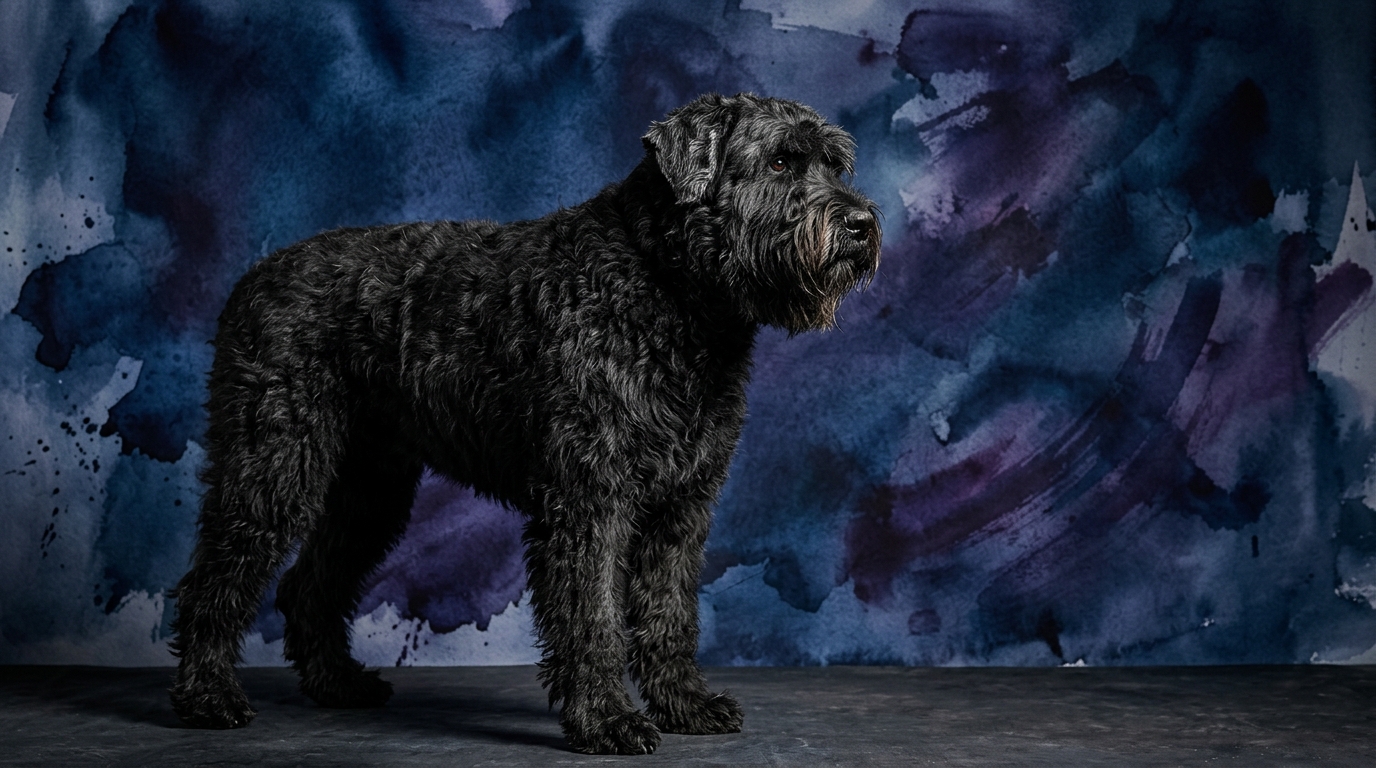
The Bouvier des Flandres, originating as a cattle drover and farm dog, exhibits a practical and adaptable problem-solving approach. Their 3/5 score reflects an ability to assess dynamic situations, such as guiding livestock or navigating varied terrain, and devise effective, real-time solutions. This isn't about abstract puzzles, but rather about managing complex, moving scenarios efficiently. Their 3/5 training speed is indicative of a dog that learns at a steady pace, often motivated by partnership and purpose. Bouviers typically grasp commands and routines with consistent instruction, benefiting from engaging, task-oriented training sessions that appeal to their working heritage. They are capable of learning complex sequences, though they appreciate clear expectations and a skilled handler.
A Bouvier's social intelligence, rated 3/5, is rooted in their herding and guardian roles. They possess a keen awareness of their family unit, often acting as a watchful "manager" of the household. They read human emotions and intentions well, responding with protective loyalty to their inner circle while maintaining a discerning, sometimes reserved, demeanor with strangers. The Bouvier's 3/5 instinctive drive is primarily focused on herding and protection. This manifests as a strong desire to keep their "flock" (family) together and safe, often expressed through watchful patrolling and a readiness to intervene if perceived threats arise. It's a purposeful, controlled drive, not merely a chase impulse. With a 3/5 memory score, Bouviers retain learned commands, routines, and experiences effectively. Their capacity to recall intricate tasks and complex environmental layouts is crucial for their working background, allowing them to perform consistent duties and remember specific details over time.
The Neapolitan Mastiff, bred for guarding estates, approaches problem-solving with a deliberate, watchful methodology. Their 3/5 score indicates a capacity to assess static situations, evaluate potential threats, and determine the optimal defensive posture or response within their territory. This is less about dynamic manipulation and more about strategic, often slow-burn, threat assessment and deterrence. A Neapolitan Mastiff's 3/5 training speed suggests they learn steadily, but often on their own terms and with a strong sense of self-preservation. They require patience, clear communication, and a motivational approach that appeals to their desire for comfort, food, or security. While capable of understanding commands, their independent streak means consistency and respect are paramount for effective learning.
The Neapolitan Mastiff's social intelligence, rated 3/5, is profoundly tied to their role as a devoted protector. They form deep, discerning bonds with their immediate family, reading their owners' moods and intentions with remarkable sensitivity. Towards outsiders, their intelligence manifests as a cautious, often aloof observation, distinguishing quickly between welcome guests and perceived intruders. The Neapolitan Mastiff's 3/5 instinctive drive is almost exclusively geared towards guarding and territorial defense. This manifests as a powerful, inherent need to protect their home and family, often expressed through an imposing presence and a readiness to act if a threat is deemed credible. It is a formidable, deep-seated protective impulse. With a 3/5 memory score, Neapolitan Mastiffs exhibit strong recall for people, established routines, and the specific layouts of their familiar environments. This reliable memory is essential for their role as guardians, enabling them to recognize friends, remember past interactions, and patrol their territory effectively.
Where the Bouvier des Flandres Triumphs Cognitively
While both breeds share identical 3/5 scores across the board, the Bouvier des Flandres often demonstrates a cognitive edge in dynamic, task-oriented environments. Their herding heritage has honed a specific kind of problem-solving: one that involves anticipating movement, coordinating actions with a handler, and adapting rapidly to changing variables. For instance, a Bouvier might more readily understand a multi-step fetch game that requires navigating obstacles and bringing specific items, due to their ingrained need to manage and direct.
This adaptability also extends to their social engagement. A Bouvier’s social intelligence, while protective, often comes with a higher degree of biddability and a more overt desire to engage in cooperative tasks with their human "flock." They are often quicker to pick up on subtle handler cues during complex activities, making them more responsive in situations requiring intricate teamwork or rapid decision-making in a fluid environment. Their memory serves to recall these complex sequences efficiently.
Where the Neapolitan Mastiff Excels Cognitively
Conversely, the Neapolitan Mastiff’s cognitive strengths shine brightest in situations demanding unwavering vigilance and a profound, measured assessment of their surroundings. Their 3/5 problem-solving manifests as a deliberate, almost strategic evaluation of potential threats within their established territory. They excel at discerning subtle changes in their environment or in the demeanor of strangers, processing this information with a calm, imposing gravity before reacting.
Their social intelligence, though equally rated at 3/5, is characterized by an exceptional depth of loyalty and a nuanced understanding of their immediate family's emotional states. They possess an almost psychic connection to their owners, often anticipating needs or moods without overt signals. This deep bond fuels their protective drive, allowing them to remain steadfast and formidable guardians, relying on their solid memory to recall who belongs and who is an interloper within their domain.
Ease of Training: A Question of Motivation and Temperament
Despite both breeds having a 3/5 training speed, the approach to training differs significantly. The Bouvier des Flandres, with its herding background, generally brings a cooperative spirit and a desire for partnership to training sessions. They often respond well to positive reinforcement, engaging readily in tasks that provide a sense of purpose and interaction. While they are independent thinkers, their drive to work alongside their handler can make them appear more amenable to learning new commands and behaviors with consistent, engaging methods.
The Neapolitan Mastiff, on the other hand, approaches training with a more independent and sometimes stoic mindset. Their 3/5 training speed means they are capable learners, but they require a handler who understands their need for clear, fair, and consistent leadership, coupled with strong motivation. They are not typically eager to please merely for the sake of it; instead, they weigh the value of compliance. Training a Neo demands patience, respect for their assertive nature, and methods that clearly demonstrate the benefit of cooperation, rather than expecting immediate, eager obedience.
Suiting Lifestyles: Active Engagement vs. Relaxed Vigilance
For active owners seeking a canine partner for diverse pursuits, the Bouvier des Flandres is often the more fitting choice. Their cognitive profile, marked by dynamic problem-solving and a cooperative spirit, aligns perfectly with activities like advanced obedience, agility, or even search and rescue. They thrive on having a "job" that engages both their physical energy and their mental acuity, making them excellent companions for owners who enjoy consistent activity and training challenges. Their moderate instinctive drive means they are ready for action but also settle well indoors after exercise.
Conversely, for relaxed owners who value a calm, steadfast presence and an imposing guardian, the Neapolitan Mastiff is an ideal match. Their cognitive strengths are geared towards observation and protection, rather than constant physical engagement. While they require regular, moderate exercise to maintain health, their primary "work" is often mental: patrolling their territory, assessing their environment, and being a watchful presence. They are content with a more sedentary lifestyle, provided they have a strong bond with their family and a clear understanding of their protective role.
The Verdict
Opt for the Bouvier if you desire an active, cooperative partner who thrives on engaging tasks and dynamic problem-solving, and you are prepared to channel their herding instincts into purposeful activities.
Select the Neapolitan Mastiff if you seek a deeply loyal, calm, and formidable guardian who excels at watchful territorial defense and whose primary mental engagement is focused on assessing and protecting their cherished family.
🧠 Find Your Pet's IQ Score
Our Pet IQ Lab assessment covers 25+ tests across 5 cognitive dimensions — personalized to your breed.
Take the Full IQ Test →Frequently Asked Questions
Are Bouvier des Flandres good with children?
Bouvier des Flandres generally possess a protective and watchful nature, making them good family companions, often exhibiting patience with children within their immediate "flock." Early socialization and proper training are essential to ensure they understand their role and interact appropriately with younger family members.
Do Neapolitan Mastiffs require a lot of exercise?
Neapolitan Mastiffs require moderate, consistent exercise to maintain their health and well-being, but they are not a high-energy breed. Daily walks and some yard time are usually sufficient, as their primary drive is not for extensive physical activity but for watchful presence.
Can a first-time dog owner manage either of these breeds?
Both breeds, due to their strong protective instincts and independent natures, are generally not recommended for first-time dog owners. They require experienced handlers who can provide consistent training, clear leadership, and extensive socialization to ensure they develop into well-adjusted and manageable adult dogs.