Side-by-Side Cognitive Profiles
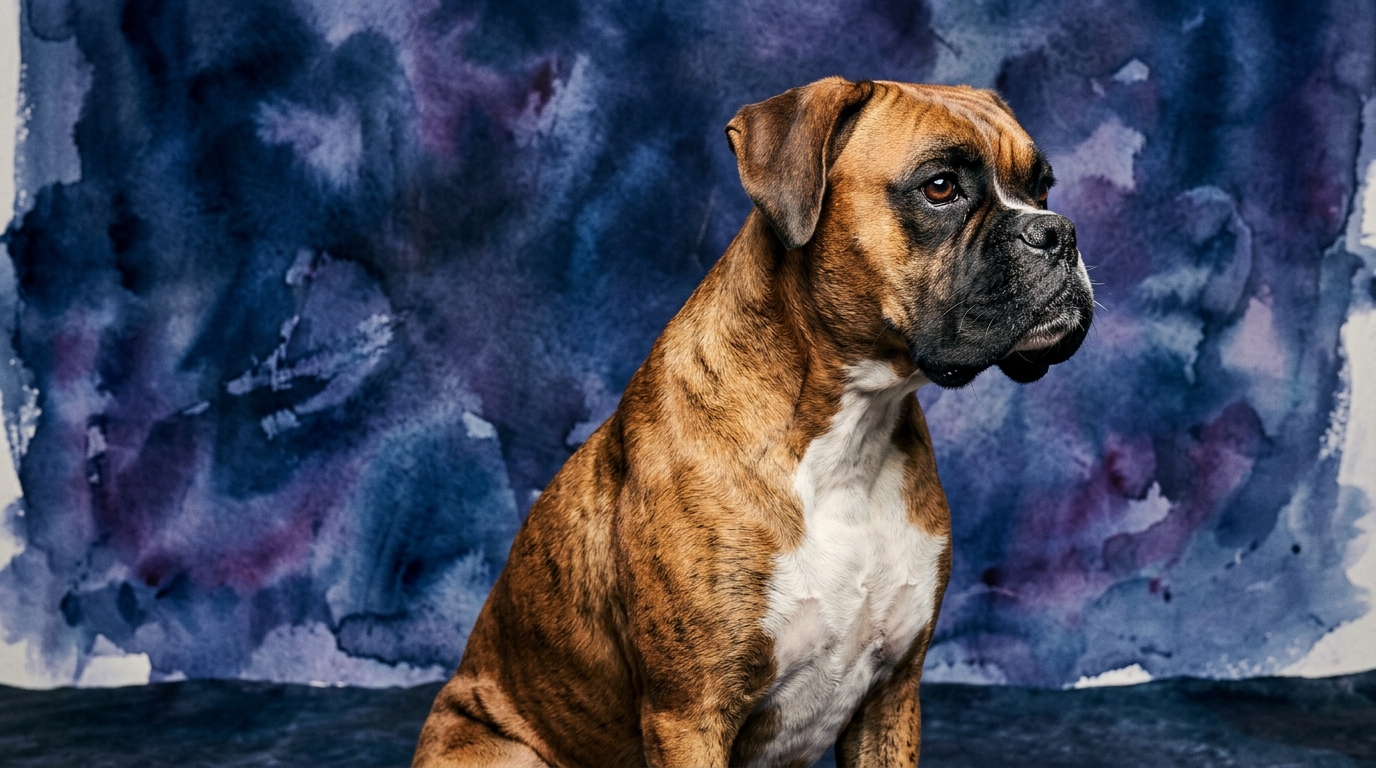
The Cosmic Pet Pet IQ Lab employs five key dimensions to map canine intelligence, offering a nuanced view beyond simplistic 'smart' labels. For the Boxer, a breed recognized for its working heritage, we observe a balanced set of scores with notable strengths. Their problem-solving ability registers at 3 out of 5, indicating a capacity for navigating new challenges and figuring out solutions to moderate complexity. Training speed, too, stands at 3 out of 5, suggesting they grasp new commands and routines at a respectable pace. Where the Boxer truly shines is in social intelligence, scoring a remarkable 5 out of 5; this reflects their profound capacity to understand human emotions, intentions, and social cues, fostering deep bonds and cooperative behavior. Their instinctive drive is strong at 4 out of 5, tapping into their natural protective and working inclinations, while memory is solid at 3 out of 5, allowing them to retain learned information and experiences effectively. This breed also holds a Coren rank of #48, placing it well within the average working intelligence category.
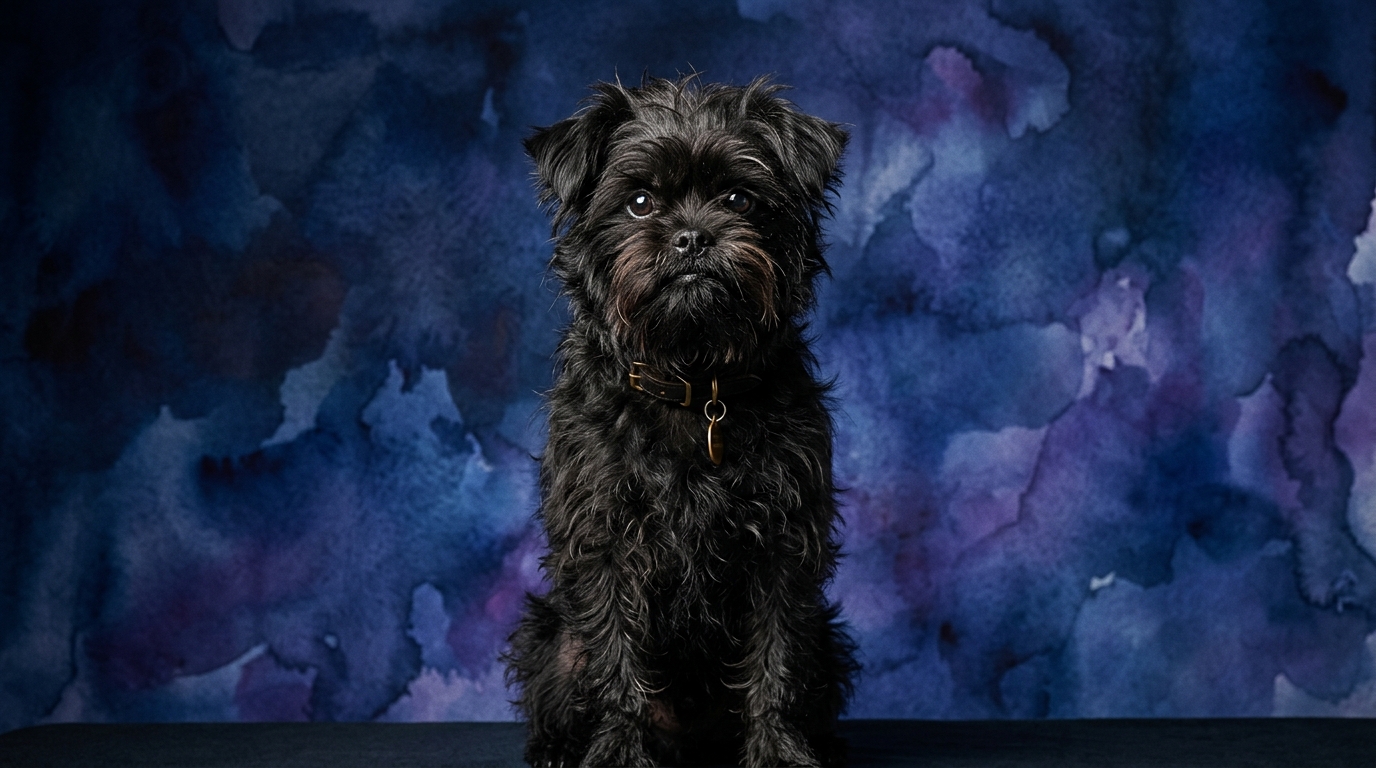
In contrast, the Affenpinscher, a spirited toy breed, presents a more uniform cognitive profile across the board. Their problem-solving ability is rated at 3 out of 5, showing they are capable of figuring things out, albeit perhaps without the intensity of a larger working breed. Training speed also comes in at 3 out of 5, indicating they can learn new behaviors at a comparable rate to the Boxer, though the motivations might differ. Social intelligence for the Affenpinscher is 3 out of 5, meaning they form good connections with their human companions and understand social dynamics, but perhaps without the Boxer's profound attunement. Their instinctive drive is 3 out of 5, suggesting a moderate level of natural urges, such as chasing or guarding, which are present but not overwhelmingly dominant. Memory, like the other dimensions, is 3 out of 5, allowing them to recall past events and learned behaviors. The Affenpinscher is not currently Coren-ranked, which is common for many toy breeds whose primary historical role wasn't obedience or working tasks.
Where the Boxer Shows Cognitive Edge
The Boxer's cognitive profile reveals distinct advantages, particularly in areas demanding profound social engagement and inherent drive. Their exceptional social intelligence, rated at 5 out of 5, means they are extraordinarily attuned to human communication, body language, and emotional states. This isn't merely about affection; it translates into a deep understanding of their human's expectations, making them highly responsive in cooperative tasks and intuitive companions. For instance, a Boxer might pick up on subtle cues of a handler's frustration during a training session and adjust their own behavior to re-engage, demonstrating a sophisticated awareness of the social dynamic. This high score also contributes to their renowned ability to integrate seamlessly into family life, often anticipating needs or comforting owners with remarkable sensitivity.
Furthermore, the Boxer's instinctive drive, at 4 out of 5, provides a powerful underlying motivation for engagement and purpose. This isn't just about raw energy; it's about a strong internal compass that guides them towards activity, protection, and interaction. This drive, when constructively channeled, makes them formidable partners in activities like protection sports, agility, or even complex scent work, where sustained focus and natural inclination are paramount. While their problem-solving and training speed scores are on par with the Affenpinscher, the Boxer's higher social intelligence and stronger instinctive drive mean they often approach these tasks with a greater intensity of focus and a deeper desire to collaborate, making their cognitive application more robust in certain contexts. Their Coren ranking of #48 also places them significantly higher in the capacity for understanding new commands compared to many breeds, underscoring their potential for complex learning when motivated by social interaction and purpose.
Where the Affenpinscher's Cognition Excels
While the Affenpinscher's cognitive scores are consistently balanced at 3 out of 5 across all dimensions, this uniformity itself represents a distinct advantage, particularly for owners seeking a companion with a manageable, yet engaging, mental landscape. The Affenpinscher's problem-solving ability, matching the Boxer's at 3 out of 5, is quite respectable for a toy breed. This means they are perfectly capable of figuring out how to open a treat puzzle or navigate a novel environment, but their approach might be characterized by a charming, tenacious independence rather than the Boxer's collaborative enthusiasm. Their solid training speed of 3 out of 5 further indicates a readiness to learn, suggesting they are not resistant to instruction, but rather approach it with a level of self-assurance that requires clear, consistent, and often playful methods.
The Affenpinscher's social intelligence at 3 out of 5, while not as intensely people-focused as the Boxer's, provides a perfectly adequate foundation for a strong, affectionate bond without the potential for overwhelming dependence. They enjoy companionship and interaction but are often content to observe or engage on their own terms, demonstrating a delightful self-possession. This moderate social drive means they are less likely to develop separation anxiety issues stemming from an overwhelming need for constant human interaction. Similarly, their instinctive drive at 3 out of 5 is present enough to make them curious and playful, but typically not so intense as to require extensive, highly structured outlets. This balanced cognitive profile makes the Affenpinscher a uniquely adaptable companion, offering sufficient mental engagement without demanding the high-octane cognitive channeling often required by breeds with more pronounced drives or intense social needs. Their cognitive strength lies in their well-rounded and self-contained intellect, perfectly suited for a life where companionship is valued over demanding work.
Training Dynamics: Boxer vs. Affenpinscher
When considering ease of training, the Boxer generally presents a more straightforward path for many owners, largely due to their exceptional social intelligence and strong instinctive drive. A Boxer's 5/5 social intelligence means they are inherently eager to please and deeply motivated by human approval and interaction. They often view training as a collaborative game, thriving on praise, physical contact, and the opportunity to work alongside their human. Their 4/5 instinctive drive can be effectively channeled into structured obedience, agility, or protection work, providing a natural inclination for consistent effort. For instance, a Boxer's desire to 'guard' can be directed into a 'stay' command, where their natural inclination to remain vigilant is paired with a specific behavior, making the learning process feel more natural and rewarding for the dog. While their training speed is 3/5, their high social drive makes them very receptive and resilient to the training process, often recovering quickly from mistakes and maintaining enthusiasm.
The Affenpinscher, with its consistent 3/5 across all cognitive dimensions, is certainly trainable but often requires a different approach. Their social intelligence, while solid at 3/5, doesn't carry the same intense motivation for human approval as the Boxer's. This means that while they enjoy interaction, they may not be as driven by the desire to 'please' as their primary motivator. Their 3/5 instinctive drive is present but less intense, so channeling it into highly structured tasks might require more creativity and consistent positive reinforcement. For example, an Affenpinscher might learn a 'stay' command, but their motivation might stem more from the anticipation of a high-value treat rather than the intrinsic reward of pleasing their owner or fulfilling a strong protective urge. They can be independent thinkers, sometimes appearing a bit stubborn, which isn't a lack of intelligence but rather a manifestation of their balanced, less intensely driven cognitive makeup. Effective training for an Affenpinscher often relies on short, engaging sessions, varied rewards, and a patient understanding of their charmingly self-possessed nature, rather than relying on their desire for constant collaborative work.
Matching Breeds to Lifestyles: Active vs. Relaxed Owners
The Boxer's cognitive and physical attributes make them an excellent match for active owners who can provide consistent engagement and structure. Their 5/5 social intelligence means they thrive on being an integral part of family activities, requiring significant interaction and companionship to feel fulfilled. An owner who enjoys daily walks, runs, or structured play sessions will find a willing and enthusiastic partner in a Boxer. Furthermore, their 4/5 instinctive drive means they benefit immensely from having a 'job' or regular mental challenges, whether it's advanced obedience, agility, or even retrieving games. Owners who can dedicate time to training, puzzle toys, and physical exercise will see the Boxer's cognitive abilities flourish, channeling their energy and focus constructively. Without sufficient outlets for their social and instinctive needs, a Boxer might invent their own forms of 'engagement,' which could manifest as undesirable behaviors.
Conversely, the Affenpinscher's balanced 3/5 cognitive profile across the board makes them wonderfully suited for more relaxed owners, or those living in smaller spaces, who still desire a mentally capable companion. While they benefit from regular walks and play, their instinctive drive at 3/5 means they typically don't demand the same intensity or duration of physical exertion as a Boxer. Their 3/5 social intelligence ensures they are affectionate and enjoy companionship, but they are often content with cuddles on the couch or observing household activities from a comfortable perch, without the constant need for intense one-on-one interaction. Owners who appreciate a dog with a charmingly independent streak, capable of entertaining themselves for periods, and who can provide consistent, gentle mental stimulation through short training sessions or interactive toys, will find the Affenpinscher a delightful fit. They are a good choice for individuals or families seeking a companion that offers a respectable cognitive presence without the demanding cognitive and physical requirements of a working breed.
The Verdict
Choose the Boxer if you are an active owner seeking a highly social, driven, and collaborative companion eager for consistent training and engagement in family life.
Opt for the Affenpinscher if you prefer a charmingly independent, mentally capable companion with a balanced cognitive profile that thrives in a more relaxed yet interactive home environment.
🧠 Find Your Pet's IQ Score
Our Pet IQ Lab assessment covers 25+ tests across 5 cognitive dimensions — personalized to your breed.
Take the Full IQ Test →Frequently Asked Questions
Is the Boxer a good choice for first-time dog owners?
Boxers can be suitable for first-time owners who are prepared for their energy, strong social needs, and commitment to consistent training. Their high social intelligence makes them receptive, but their instinctive drive requires guidance.
Do Affenpinschers require a lot of mental stimulation?
Affenpinschers benefit from regular mental stimulation through short training sessions, puzzle toys, and varied experiences. While not as demanding as some working breeds, their 3/5 problem-solving and memory scores mean they enjoy engaging their minds to stay content.
Which breed is better with children?
The Boxer's 5/5 social intelligence often makes them exceptionally patient and tolerant with children, thriving on being part of family dynamics. Affenpinschers, while generally good, may prefer older, more respectful children due to their smaller size and slightly more independent nature.