Side-by-Side Cognitive Profiles: Boxer vs. Afghan Hound
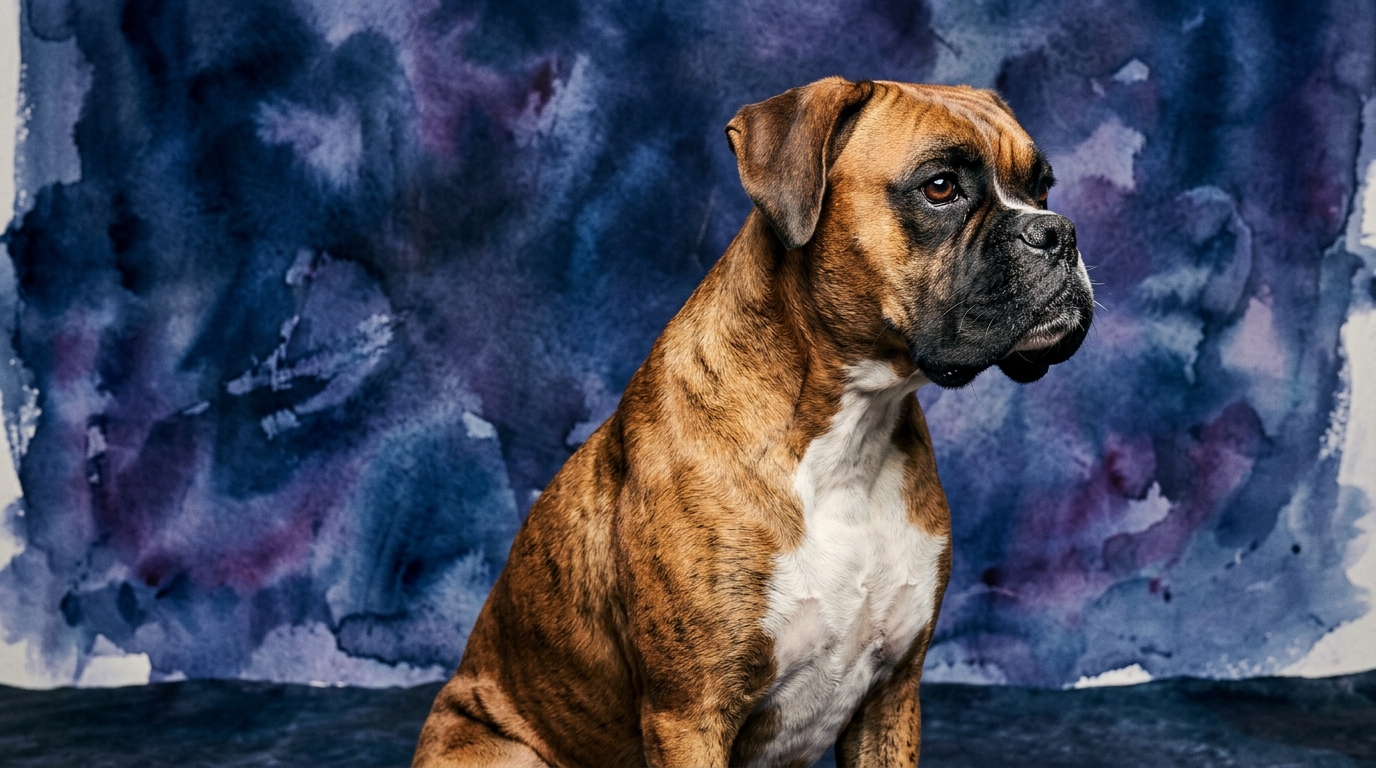
The Pet IQ Lab's five-dimensional framework provides a granular view into the minds of the Boxer and the Afghan Hound, illustrating their unique mental architectures. For the Boxer, a breed ranked #48 by Coren, its profile highlights a balanced and socially-oriented intellect. Its Problem Solving score of 3/5 indicates a dog capable of moderate independent thought, often figuring out puzzles or navigating new situations with a practical approach rather than pure instinct. Training Speed at 3/5 suggests a moderate pace of learning, requiring consistent, positive reinforcement to solidify commands and routines. Where the Boxer truly shines is in Social Intelligence, scoring a perfect 5/5, reflecting its profound attunement to human emotions, cues, and desires, making it an exceptionally communicative and responsive companion. Its Instinctive Drive at 4/5 points to a strong working heritage, needing outlets for physical activity and mental engagement, while Memory at 3/5 indicates an average capacity to recall learned behaviors and experiences.
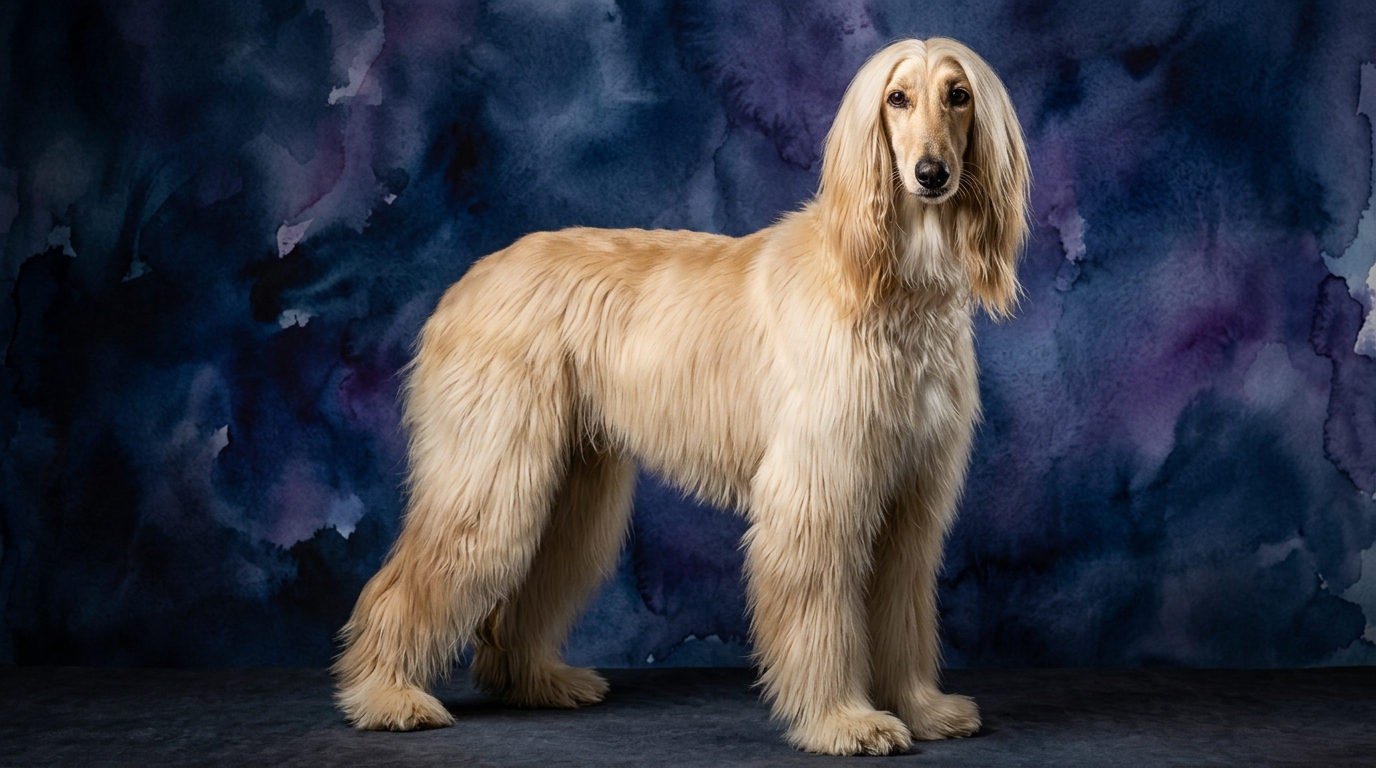
In contrast, the Afghan Hound, a breed listed at Coren Rank #79, presents a profile marked by striking independence and a powerful primary drive. Its Problem Solving score of 4/5 is noteworthy, signifying an above-average capacity for independent thought and strategic action, often solving problems on its own terms rather than seeking human direction. However, this independence significantly impacts its Training Speed, which registers a low 1/5; this breed is notoriously challenging to train due to its self-reliant nature and often perceived lack of motivation for human-directed tasks. Social Intelligence for the Afghan Hound is 2/5, indicating a more reserved and less overtly people-focused demeanor compared to many breeds, often showing affection selectively and subtly. Its Instinctive Drive is a commanding 5/5, rooted deeply in its sighthound heritage for hunting by sight, demanding extensive physical exercise and mental stimulation to satisfy this innate urge. Memory, like the Boxer, stands at 3/5, meaning it can retain information, but its willingness to act upon it is often contingent on its own motivations.
These contrasting profiles paint a clear picture: the Boxer is a cooperative, socially intelligent partner, eager to engage and please, while the Afghan Hound is a more autonomous, self-directed individual, guided by ancient instincts and a unique perspective on collaboration.
Where the Boxer Excels Cognitively
The Boxer's cognitive strengths lie predominantly in its remarkable social intelligence and its balanced approach to learning and interaction. With a top score of 5/5 in Social Intelligence, the Boxer demonstrates an unparalleled ability to read human body language, tone, and emotional states, making it an incredibly empathetic and responsive family member. This means a Boxer is highly likely to notice if you're feeling down and respond with comforting nudges, or pick up on subtle cues during a training session, often anticipating what you want before you even fully articulate it. This deep connection fosters a strong bond and makes them intuitive companions.
Furthermore, the Boxer's moderate scores in Problem Solving (3/5) and Training Speed (3/5), combined with its high social intelligence, translate into a dog that is generally eager to participate in shared activities and figure things out alongside its human. While it might not independently devise complex solutions to escape a yard, it will readily engage in puzzle toys or learn intricate sequences of commands when motivated by positive interaction and praise. This combination of social awareness and willingness to learn makes the Boxer a highly adaptable and engaging partner in a variety of household environments.
Where the Afghan Hound Shows Unique Cognitive Prowess
The Afghan Hound’s cognitive strengths are rooted in its profound independence and highly developed instinctive drive, particularly in problem-solving related to its ancestral purpose. Its 4/5 score in Problem Solving indicates a significant capacity for autonomous thought and strategic action. This breed is not waiting for human direction to navigate its world; rather, it often assesses situations and makes decisions based on its own internal logic and objectives, which historically would have involved spotting and pursuing prey over vast distances without human intervention.
The Afghan Hound's perfect 5/5 in Instinctive Drive further emphasizes its self-directed nature. This powerful drive is not merely about physical energy but also about a deep-seated cognitive mapping for chase and pursuit, an inherent understanding of terrain, speed, and target. While this makes them less inclined towards repetitive obedience, it means they possess a specialized form of intelligence geared towards independent hunting, endurance, and navigation, showcasing a mind built for self-sufficiency and strategic action in open environments. Their cognitive processes are often focused on observation and reaction within their environment, rather than on pleasing a human.
Trainability: A Tale of Two Temperaments
When it comes to ease of training, the Boxer and the Afghan Hound stand at opposite ends of the spectrum, largely due to their differing social intelligence and training speed scores. The Boxer, with its 5/5 Social Intelligence and 3/5 Training Speed, is generally considered much easier to train. Their innate desire to connect with and please their human companions means they are highly motivated by praise, attention, and positive reinforcement. They actively seek to understand what is being asked of them and are often eager to comply, making basic obedience and advanced tricks a rewarding experience for both dog and owner. Their moderate problem-solving skills also help them grasp new concepts efficiently when presented clearly.
The Afghan Hound, however, presents a significant challenge to trainers, reflected in its 1/5 Training Speed and lower 2/5 Social Intelligence. This breed's strong independence and self-reliant nature mean they are less inclined to perform tasks simply to please a human. Their high instinctive drive (5/5) often overrides any desire for human-directed obedience, as their minds are wired for independent action. Training an Afghan Hound requires immense patience, creativity, and a deep understanding of sighthound psychology, often relying on motivation that appeals to their natural instincts rather than strict command-and-control methods. They will learn, but they will often choose whether or not to execute a command based on their own assessment of the situation or their current mood, leading to a reputation for being 'stubborn' when in reality, they are simply highly independent thinkers.
Matching Breeds to Owner Lifestyles
Choosing between a Boxer and an Afghan Hound hinges significantly on an owner's lifestyle and expectations for a canine companion. The Boxer, with its high social intelligence and moderate instinctive drive, is an excellent fit for active owners and families who desire an engaged, playful, and deeply connected companion. They thrive on human interaction, enjoy participating in family activities, and require consistent mental and physical stimulation to channel their energy productively. Owners who enjoy daily walks, playtime, and perhaps dog sports like agility or obedience will find a willing and enthusiastic partner in a Boxer, who will joyfully integrate into the heart of the home.
The Afghan Hound, conversely, is best suited for very active, experienced owners who appreciate a dog with a distinct, independent personality and can provide extensive outlets for its extreme instinctive drive. Their 5/5 instinctive drive means they require ample space to run freely in a secure area, and their problem-solving ability often means they can outsmart less secure enclosures. They are not typically 'lap dogs' and may display a more aloof affection, preferring to bond on their own terms. Owners who understand and respect this independence, who are prepared for significant grooming demands, and who can dedicate time to long, vigorous exercise sessions will find a unique and regal companion in the Afghan Hound, one that offers a different kind of companionship based on mutual respect rather than overt eagerness to please.
The Verdict
Choose a Boxer if you seek an active, socially intelligent, and deeply connected companion eager to participate in family life and training activities. They thrive on interaction and offer a responsive, joyful presence.
Opt for an Afghan Hound if you are an experienced, highly active owner who appreciates an independent, somewhat aloof companion with a powerful instinctive drive requiring extensive exercise and a unique bond built on mutual respect.
🧠 Find Your Pet's IQ Score
Our Pet IQ Lab assessment covers 25+ tests across 5 cognitive dimensions — personalized to your breed.
Take the Full IQ Test →Frequently Asked Questions
Are Boxers good family dogs?
Yes, Boxers generally excel as family dogs due to their exceptional social intelligence (5/5) and playful nature. They form strong bonds with their human family members, are typically patient with children, and thrive on being an integral part of household activities, making them highly adaptable companions.
How much exercise does an Afghan Hound need?
Afghan Hounds require a substantial amount of exercise, driven by their 5/5 instinctive drive, which stems from their sighthound heritage. They need daily opportunities for vigorous running in a securely fenced area, often for an hour or more, in addition to regular walks to satisfy their natural urge to chase and explore.
Which breed is better for a first-time dog owner?
For a first-time dog owner, the Boxer is generally a more suitable choice due to its higher social intelligence and moderate training speed. Their eagerness to please and responsiveness make the training process more straightforward and rewarding, compared to the independent and challenging nature of the Afghan Hound.