Side-by-Side Cognitive Profiles
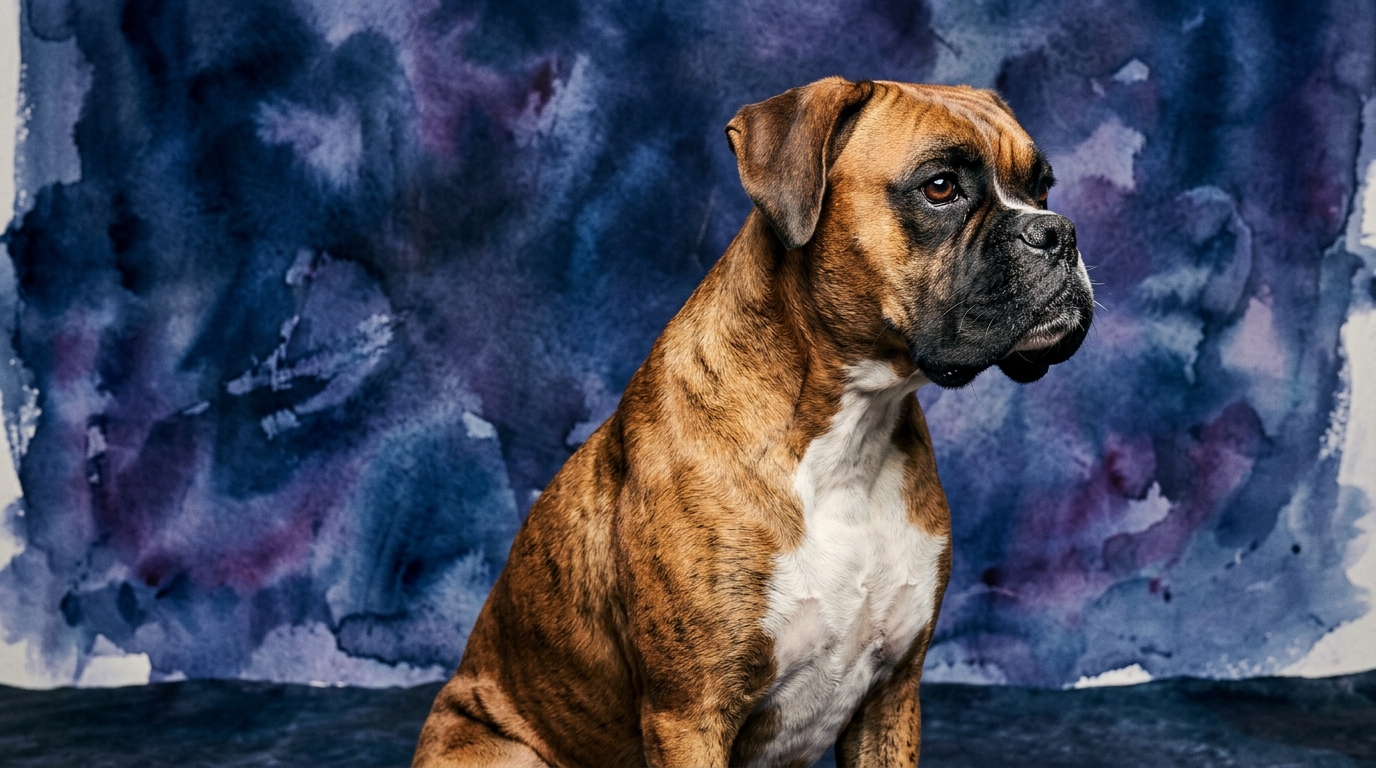
The Cosmic Pet Pet IQ Lab evaluates canine cognition across five critical dimensions, offering a detailed lens into each breed's mental landscape. For the Boxer, ranked #48 by Coren, we observe a Problem Solving score of 3/5, indicating a moderate capacity for independent thought in novel situations. Their Training Speed also stands at 3/5, suggesting a reasonable pace for acquiring new commands. Where the Boxer truly shines is in Social Intelligence, earning a perfect 5/5, reflecting their profound understanding of human cues and strong desire for interaction. Instinctive Drive is rated 4/5, showcasing a robust natural inclination towards specific actions, often related to their working heritage. Memory completes their profile at 3/5, a solid average for retaining learned information and experiences.
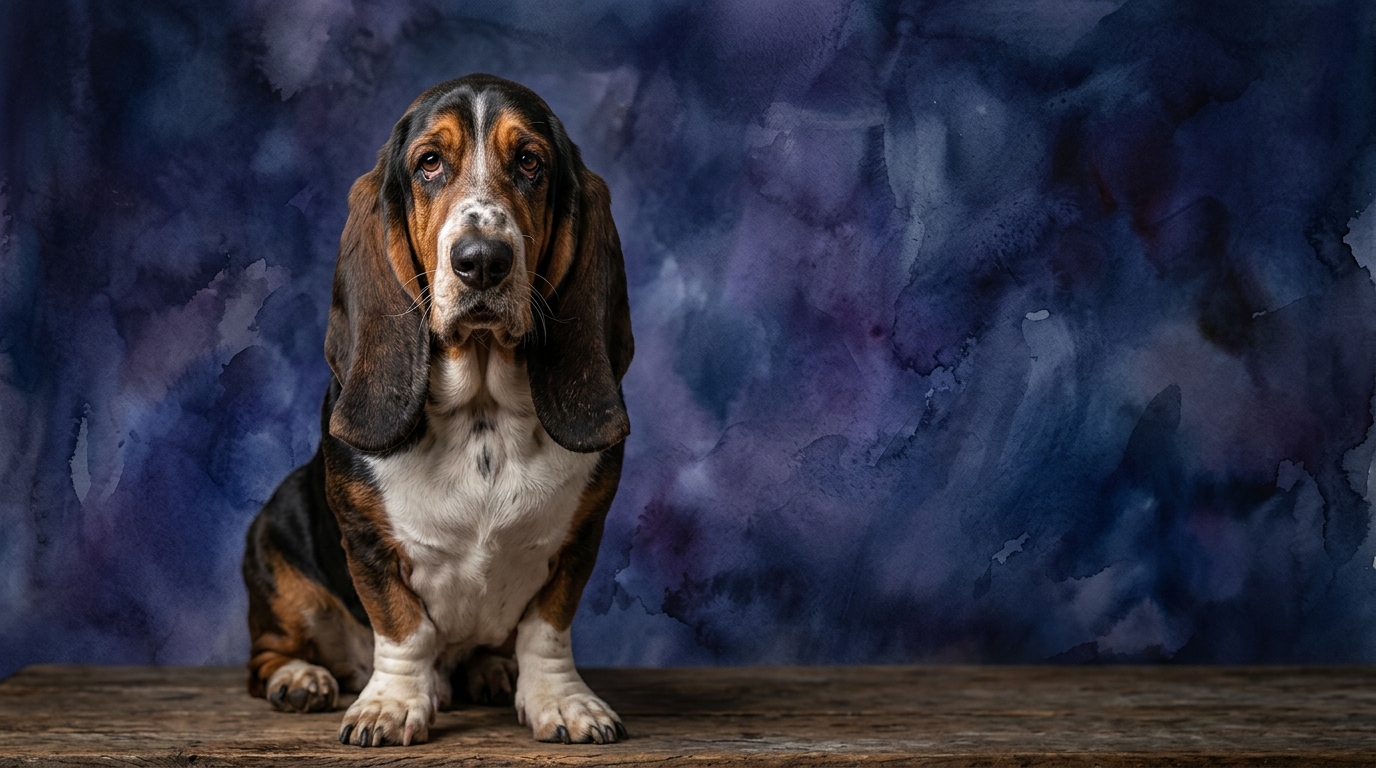
In contrast, the Basset Hound, holding Coren's rank #71, presents a different cognitive blueprint. Their Problem Solving ability matches the Boxer at 3/5, suggesting a similar baseline for tackling new challenges. Training Speed is also consistent at 3/5, indicating they learn at a comparable rate, though perhaps with different motivators. The most significant divergence appears in Social Intelligence, where the Basset scores 3/5, suggesting a more independent nature and less emphasis on human-centric communication compared to the Boxer. Their Instinctive Drive is 3/5, a moderate score that, for Bassets, is heavily skewed towards their incredible olfactory capabilities. Memory, like the Boxer, is 3/5, providing a reliable capacity for recall.
Where the Boxer Excels Cognitively
The Boxer's standout cognitive strength lies in their exceptional Social Intelligence, scoring a full 5 out of 5. This isn't merely about friendliness; it signifies a deep attunement to human emotion, intention, and communication. A Boxer can often anticipate a handler's next move or mood, making them remarkably responsive companions and effective partners in activities requiring close cooperation. Their 4/5 Instinctive Drive, coupled with this social acumen, means they are often highly motivated to engage in tasks alongside their human counterparts, channeling their natural vigor into directed activities like protection work, agility, or even simply playing fetch with intense focus. This combination makes them particularly adept at roles where understanding and reacting to human signals are paramount, fostering a strong, almost intuitive bond.
While their Problem Solving and Training Speed are average, their social intelligence amplifies their practical application. A Boxer might not independently devise a complex solution to open a treat jar, but they are highly likely to observe and learn from human demonstrations, or even 'ask' for help through sophisticated social cues. This collaborative cognitive style means they often perform better in structured environments where human guidance is a primary component, leveraging their innate desire to please and connect. Their capacity for deep social bonds makes them incredibly perceptive to subtle changes in their environment and human companions, translating into a dog that feels very 'in tune' with its family.
Where the Basset Hound Shows Unique Strengths
The Basset Hound's cognitive prowess, while not scoring higher in general metrics, is uniquely specialized, particularly in their Instinctive Drive (3/5) which is overwhelmingly dominated by their olfactory genius. This isn't merely about having a good nose; it's a sophisticated form of sensory intelligence. A Basset's brain is wired to process scent information with an unparalleled depth, allowing them to follow trails for miles, discriminate between faint odors, and maintain focus on a scent even amidst overwhelming distractions. This singular focus on scent is a form of problem-solving in itself, as they meticulously piece together an environmental puzzle through their nose, demonstrating incredible persistence and dedication to a task that is invisible to humans.
Their moderate Problem Solving (3/5) and Training Speed (3/5) scores, combined with a lower Social Intelligence (3/5), suggest an independent problem-solving approach. A Basset might take longer to 'figure things out' from a human perspective, but they often arrive at solutions through their own methodical, often scent-driven, exploration rather than seeking human direction. This independence, while sometimes perceived as stubbornness, is a testament to their self-reliance and deep engagement with their primary sensory world. Their memory (3/5) serves them well in remembering scent paths and locations of interest, reinforcing their ability to navigate complex olfactory landscapes with remarkable accuracy over time.
Training Dynamics: Boxer vs. Basset Hound
When it comes to training, the Boxer's superior Social Intelligence (5/5) and robust Instinctive Drive (4/5) generally make them more eager participants. Boxers thrive on interaction and positive reinforcement from their handlers, using their understanding of human cues to quickly grasp commands. While their Training Speed is 3/5, their strong desire to connect and please means they are often highly motivated to perform, making training sessions engaging and productive. Behavioral differences like their natural exuberance and tendency to 'lean in' to human interaction mean they are often looking for direction and approval, which are powerful tools in shaping behavior. Consistency and clear communication will yield a well-mannered Boxer, as they are naturally inclined to form strong working partnerships.
The Basset Hound, with its lower Social Intelligence (3/5) and highly specialized Instinctive Drive (3/5 focused on scent), presents a different training challenge. While their Training Speed is also 3/5, their independence and profound dedication to scent trails mean they can be easily distracted by an interesting odor, often tuning out human commands in favor of following their nose. This isn't defiance, but rather an overwhelming biological imperative. Training a Basset requires immense patience, creativity, and an understanding of their intrinsic motivations. Positive reinforcement must be exceptionally high-value to compete with a captivating scent. Behavioral traits like their persistent tracking and occasional 'selective hearing' mean that while they can learn, their application of commands in distracting environments can be inconsistent without extensive, patient conditioning. Early socialization and consistent, engaging training are crucial to harnessing their potential.
Lifestyle Match: Active vs. Relaxed Owners
For active owners seeking a dynamic partner, the Boxer is an excellent fit. Their 4/5 Instinctive Drive, combined with high energy levels and a perfect 5/5 Social Intelligence, means they thrive on regular physical activity and mental engagement alongside their human companions. Whether it's daily runs, engaging in dog sports like agility or obedience, or simply extensive playtime in the yard, Boxers require consistent outlets for their vigor. Owners who enjoy training and want a dog that is deeply involved in family activities will find the Boxer's enthusiastic nature and strong desire to participate incredibly rewarding. They are not content to be mere spectators; they want to be integral to the action, making them ideal for households that lead an active, interactive lifestyle.
Conversely, the Basset Hound leans towards a more relaxed ownership experience, though this doesn't mean they are sedentary. While their energy levels are lower than a Boxer's, their 3/5 Instinctive Drive (scent-focused) necessitates regular, albeit different, forms of engagement. Short, frequent walks where they can explore scents are essential, providing vital mental stimulation without requiring high-impact exercise. Owners who appreciate a calm, amiable presence and are willing to accommodate a dog's independent nature and strong olfactory pursuits will find the Basset a charming companion. They are well-suited for households that enjoy quiet evenings and leisurely strolls, but are also prepared to manage a dog that might occasionally follow its nose over human commands, requiring a securely fenced yard or leashed walks to prevent wandering.
The Verdict
Choose a Boxer if you desire a highly interactive, socially intelligent companion eager to participate in an active family life and thrive on cooperative training.
Opt for a Basset Hound if you appreciate an independent, calm presence, are prepared for patient, scent-aware training, and enjoy leisurely, sniff-filled explorations.
🧠 Find Your Pet's IQ Score
Our Pet IQ Lab assessment covers 25+ tests across 5 cognitive dimensions — personalized to your breed.
Take the Full IQ Test →Frequently Asked Questions
Are Boxers difficult to train?
Boxers generally respond well to training due to their high social intelligence and desire to please. While their training speed is moderate, their eagerness to interact with their handler makes them receptive to consistent positive reinforcement, resulting in a well-behaved companion.
Do Basset Hounds need a lot of exercise?
Basset Hounds require moderate exercise, primarily in the form of regular walks where they can engage their powerful sense of smell. While not needing intense physical exertion like some breeds, mental stimulation through scent work is crucial for their well-being and preventing boredom.
Which breed is better with children, Boxer or Basset Hound?
Both breeds can be good with children, but their approaches differ. Boxers, with their high social intelligence and playful nature, often form strong bonds and are active participants in family fun. Basset Hounds tend to be more placid and tolerant, often providing a calm, gentle presence, though their independent nature means they might not be as actively engaged in play.