
Side-by-Side Cognitive Profiles: Decoding Canine Minds
Boxer: Problem Solving (3/5) indicates a capacity for moderate complexity, capable of navigating new situations with some guidance but not always independently devising intricate solutions. Training Speed (3/5) suggests they absorb new commands at an average pace, requiring consistent, positive reinforcement rather than rapid-fire learning. Social Intelligence (5/5) is a standout trait, reflecting a profound ability to understand human emotions, social cues, and integrate seamlessly into family dynamics. Instinctive Drive (4/5) points to a strong internal motivation for activity, play, and engaging with their environment, often manifesting as a desire to chase or guard. Memory (3/5) implies a solid retention of learned behaviors and experiences, making training cumulative but not always instantaneous recall of past events.
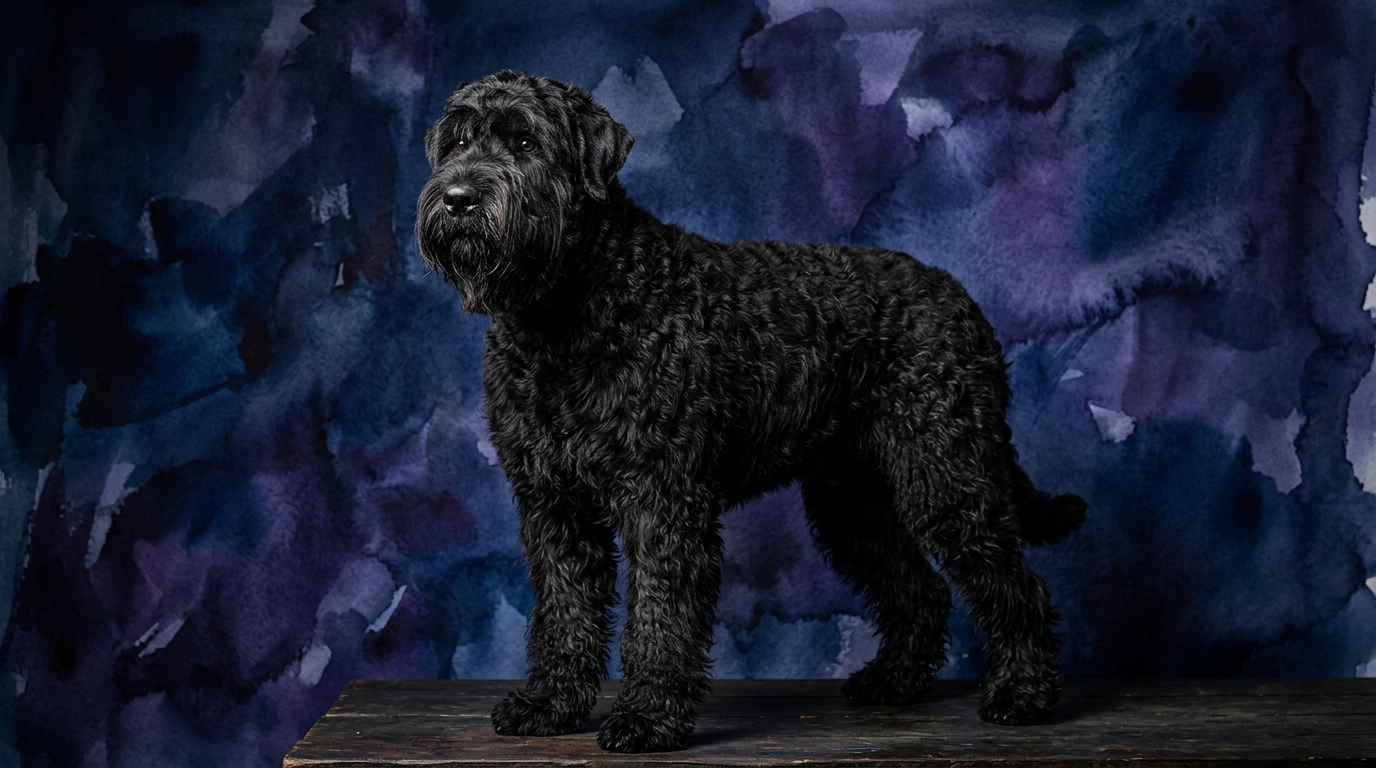
Black Russian Terrier: Problem Solving (3/5) aligns with the Boxer, indicating a practical capacity for addressing challenges but without exceptional innovative flair. Training Speed (3/5) mirrors the Boxer, suggesting a steady, methodical approach is best for teaching new skills. Social Intelligence (3/5) is notably lower than the Boxer, indicating a more reserved and less overtly demonstrative understanding of complex human social dynamics, often preferring a smaller, familiar circle. Instinctive Drive (3/5) suggests a moderate internal motivation for typical dog activities, present but not as intense or broad as some working breeds, often focused on their primary guarding role. Memory (3/5) indicates a reliable ability to remember commands and routines, forming a consistent foundation for their learned behaviors.
Where the Boxer's Cognitive Strengths Shine
The Boxer's impressive Social Intelligence score of 5/5 truly sets it apart, indicating an exceptional capacity for understanding and integrating into human social structures. This isn't merely about affection; it's a deep cognitive ability to read subtle cues, interpret human moods, and adapt their behavior accordingly, making them highly attuned family companions. Their expressive faces and responsive body language are direct manifestations of this cognitive strength, allowing for nuanced communication with their human counterparts. This level of social acumen enables them to thrive in environments where close human interaction and emotional reciprocity are paramount, often anticipating needs or reacting sensitively to distress.
Furthermore, the Boxer's Instinctive Drive at 4/5, combined with their social intelligence, gives them an edge in activities requiring enthusiastic engagement and a desire to work alongside humans. This drive fuels their playful nature and their readiness to participate in various dog sports or tasks that leverage their natural athleticism and desire for interaction. While not always the most complex problem-solvers, their eagerness to engage and their strong bond with their handlers often translate into effective task execution, especially when the task involves collaboration or a clear social reward. This drive is often channeled into protective instincts for their family, not just territory, making them vigilant companions deeply invested in their human pack.
Unpacking the Black Russian Terrier's Unique Cognitive Advantages
While the Black Russian Terrier's individual cognitive scores might appear lower or equal to the Boxer in direct comparison, their unique combination creates a distinct set of advantages, particularly in their intended role. Their Social Intelligence at 3/5, while not as outwardly demonstrative as the Boxer's, translates into a more discerning and reserved nature. This isn't a deficit in understanding but rather a cognitive preference for a smaller, trusted social circle, leading to an unwavering loyalty and focus on their immediate family. This reserved social approach means they are less likely to be distracted by strangers or external stimuli, making them exceptionally reliable in roles requiring steadfast attention and protection. Their cognitive energy isn't dispersed broadly but concentrated on their core responsibilities and primary relationships.
The Black Russian Terrier's consistent 3/5 across Problem Solving, Training Speed, Instinctive Drive, and Memory suggests a balanced, methodical, and resilient cognitive processing. This consistency means they are less prone to impulsive decisions or high-strung reactions. Their instinctive drive, while moderate, is often channeled with great purpose, especially when it comes to guarding. This isn't a dog driven by broad playfulness, but by a focused, inherent sense of duty. Their memory, coupled with their steady learning pace, ensures that once a command or boundary is established, it is retained with considerable fortitude, contributing to their reputation as dependable and serious working dogs. Their cognitive profile is geared towards steadfastness and quiet competence rather than exuberant social engagement.
Training Dynamics: Boxer's Eagerness vs. BRT's Steadfastness
When it comes to training, both breeds share a Training Speed score of 3/5, suggesting neither is a rapid-fire learner, but rather benefits from consistency. However, their differing Social Intelligence significantly impacts the training dynamic. The Boxer's 5/5 Social Intelligence means they are often highly motivated by human praise, attention, and the desire to please. Their sensitivity to human cues makes them responsive to positive reinforcement and encourages a cooperative spirit, even if the learning process itself is steady. They are more likely to offer behaviors and engage in problem-solving attempts if it means earning a favorable reaction from their trainer. This social attunement often makes the training experience feel more like a collaborative effort, with the Boxer actively seeking to understand and comply.
In contrast, the Black Russian Terrier's 3/5 Social Intelligence, coupled with their moderate Instinctive Drive (3/5), means their motivation in training often stems more from a desire for structure, consistency, and a clear understanding of their role, rather than overt eagerness to please. While they are capable learners, they may require a more firm, consistent, and patient approach, focusing on clear commands and boundaries. Trainers might find that BRTs are less inclined to "guess" or offer many behaviors in anticipation of a reward, preferring to wait for precise instructions. Their training success relies heavily on establishing a strong, respectful bond and presenting tasks as a clear expectation rather than a game. Their cognitive focus is often on understanding the task itself and its necessity, rather than the social reward of pleasing their handler.
Cognitive Fit: Active Engagement vs. Purposeful Calm
For active owners seeking a canine partner for diverse engagements, the Boxer's cognitive profile aligns well with a lifestyle rich in social interaction and varied activities. Their high Social Intelligence (5/5) means they thrive on being central to family life, participating in outings, and engaging in games that involve human interaction. Their Instinctive Drive (4/5) fuels a desire for physical activity and mental stimulation, making them suitable for dog sports like agility, obedience, or even as enthusiastic jogging partners, where their cognitive strengths contribute to a joyful, collaborative experience. They are dogs who actively seek to understand and participate in their human's world, requiring owners who can meet this need for connection and engagement.
Conversely, the Black Russian Terrier's cognitive makeup is better suited for owners who appreciate a more purposeful and reserved companion, often thriving in environments where their innate guarding instincts can be appropriately managed. Their moderate Social Intelligence (3/5) means they are content with a smaller, trusted inner circle and are less likely to seek constant external validation or broad social interactions. Their consistent 3/5 in Instinctive Drive means they have energy but often channel it into specific tasks, particularly protection, rather than general exuberance. Relaxed owners, in this context, are those who prioritize a calm, dependable presence and are prepared to provide consistent structure and clear leadership, rather than constant high-energy social play. While they need exercise, their cognitive satisfaction often comes from fulfilling their role and maintaining order within their perceived domain, making them excellent, albeit serious, companions for those who understand their inherent purpose.
The Verdict
Choose the Boxer if you desire a highly socially attuned companion eager to participate in all family activities, thrives on human interaction, and offers an expressive, playful presence.
Opt for the Black Russian Terrier if you seek a steadfast, discerning protector with unwavering loyalty to their inner circle, valuing calm competence and clear, consistent leadership over broad social engagement.
🧠 Find Your Pet's IQ Score
Our Pet IQ Lab assessment covers 25+ tests across 5 cognitive dimensions — personalized to your breed.
Take the Full IQ Test →Frequently Asked Questions
Is one breed significantly "smarter" than the other based on these profiles?
Our Cosmic Pet IQ Lab profiles suggest neither breed holds a significant overall advantage in raw cognitive scores. Instead, their intelligence manifests differently, with the Boxer excelling in social understanding and the Black Russian Terrier in focused, consistent application of their abilities. It's about different types of cognitive strengths rather than a hierarchy.
How does the Boxer's high social intelligence impact their behavior?
The Boxer's 5/5 social intelligence translates into a dog that is exceptionally attuned to human emotions and social cues. They often seek to please, are highly responsive to family dynamics, and thrive on interactive play and close companionship, making them very expressive and engaging family members.
What does the Black Russian Terrier's lower social intelligence mean for ownership?
A Black Russian Terrier's 3/5 social intelligence indicates a more reserved and discerning nature. They form deep bonds with their immediate family but are typically aloof with strangers, requiring owners who understand and respect their need for a smaller, trusted social circle and who can provide consistent, clear leadership.