
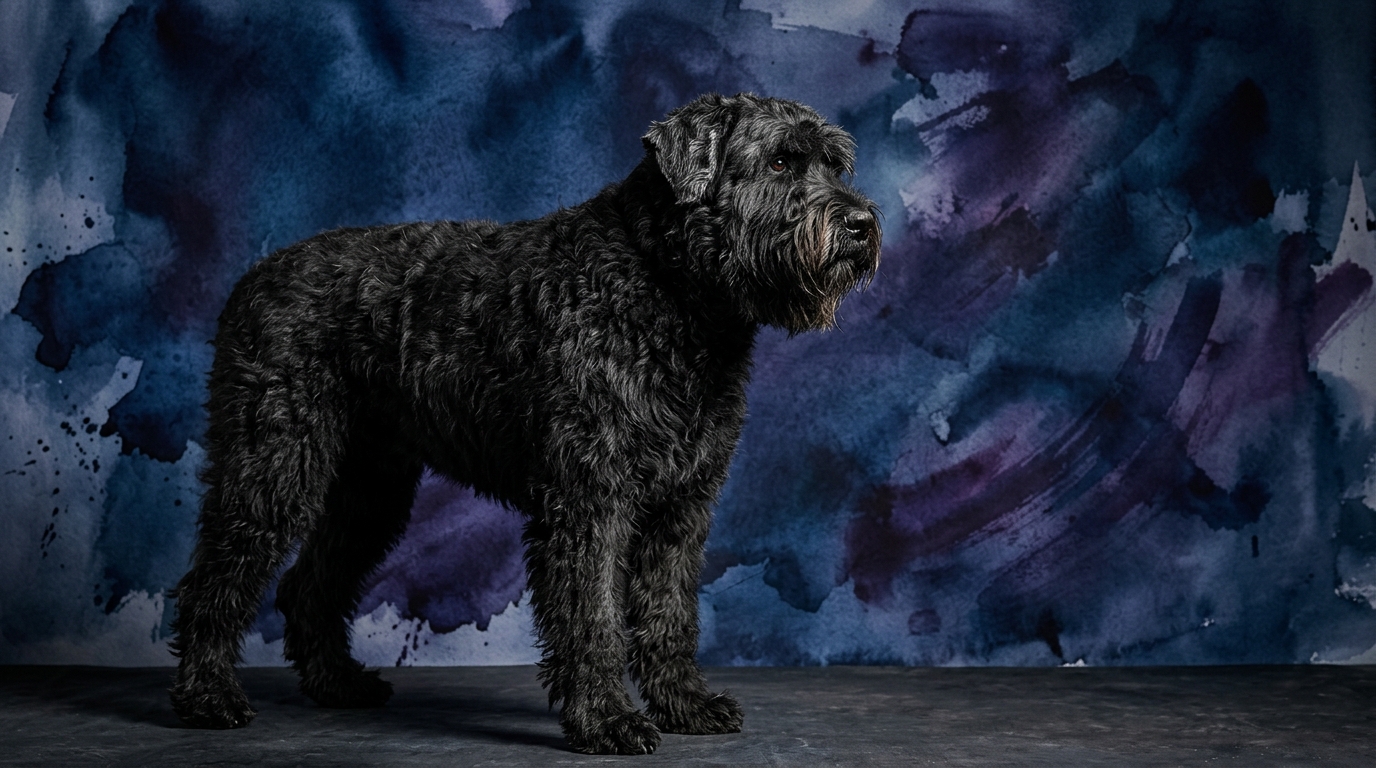
Side-by-Side Cognitive Profiles: Boxer vs. Bouvier des Flandres
The Cosmic Pet Pet IQ Lab's assessment provides a granular view of each breed's cognitive strengths and tendencies, moving beyond generalized notions to specific intellectual dimensions. Understanding these profiles is key to appreciating their individual brilliance.
For the **Boxer (Working Group)**, our analysis shows a Coren rank of #48, indicating a solid foundation for learning. Their cognitive breakdown includes: **Problem Solving (3/5)**: Boxers are capable of navigating moderate challenges, often employing a trial-and-error approach, especially when physical manipulation or interactive engagement is involved. They are not typically master strategists but can figure out how to achieve desired outcomes. **Training Speed (3/5)**: These dogs respond well to consistent, positive reinforcement, grasping new commands at a moderate pace. Their energetic and sometimes playful nature means that engaging, varied methods are crucial to maintain focus and prevent boredom during training sessions. **Social Intelligence (5/5)**: This is a hallmark of the Boxer's cognitive makeup. They excel at reading human cues, understanding social dynamics within a family, and forming profound, intuitive bonds. Their expressive communication fosters remarkable empathy and often allows them to anticipate needs or moods. **Instinctive Drive (4/5)**: Boxers possess a robust prey drive and a strong inclination for protection and companionship. This drive is frequently channeled into vigorous play, safeguarding their family, and participating in activities that demand physical exertion and a partnership with their human. **Memory (3/5)**: They reliably retain commands and routines, particularly those frequently reinforced. While they remember people and places with clarity, intricate learned behaviors may require regular refreshing to remain sharp.
The **Bouvier des Flandres (Herding Group)**, though not Coren-ranked, presents a distinct cognitive blueprint: **Problem Solving (3/5)**: Similar to the Boxer, the Bouvier demonstrates a moderate capacity for problem-solving. They approach tasks with a steady, methodical mindset, often relying on learned patterns or a calm assessment rather than impulsive action. They can untangle moderate puzzles but are typically not innovative in their solutions. **Training Speed (3/5)**: Matching the Boxer, the Bouvier learns at a similar pace, but with a different cognitive underpinning. Bouviers are thoughtful learners who might take a moment longer to process new information. However, once a concept is understood, it tends to be deeply ingrained. Consistency and clear expectations are paramount, as they are independent thinkers. **Social Intelligence (3/5)**: The Bouvier exhibits a more reserved social profile. While profoundly loyal and devoted to their family, they generally do not display the same overt expressiveness or immediate understanding of subtle human emotional nuances as a Boxer. Their bonds are deep but often expressed with quiet dignity and a watchful demeanor rather than exuberant interaction. **Instinctive Drive (3/5)**: Their drive is deeply rooted in their herding heritage – an inherent desire to gather, protect, and maintain order. This manifests as a strong territorial instinct and a need for purpose, often directed towards family members or their perceived flock. It is a drive for responsibility and oversight, less about boisterous play and more about vigilant dedication. **Memory (3/5)**: Like the Boxer, their memory is solid for routines and commands, especially those tied to their protective or working roles. They reliably recall experiences and learned tasks, though complex, multi-step sequences benefit from consistent practice.
Where the Boxer Cognitively Excels
The Boxer's standout cognitive advantage lies unequivocally in their exceptional **Social Intelligence (5/5)**. This profound aptitude allows them to understand and respond to human emotional states with remarkable precision, making them extraordinarily attuned companions. This superior social acumen facilitates seamless integration into family dynamics, often enabling them to anticipate moods or needs with uncanny accuracy. Their ability to decipher subtle cues, from shifts in voice tone to nuanced body language, cultivates a level of intuitive connection that sets them apart. This isn't merely about affection; it represents a deep cognitive processing of social information, empowering them to adapt their behavior to maintain harmony and engagement within their human pack. For individuals seeking a dog that feels like an emotional extension of the family, profoundly connected on a visceral level, the Boxer’s social brilliance is a clear differentiator. Their capacity for expressive communication, both vocal and physical, further amplifies this bond, rendering their intentions and feelings remarkably transparent.
Where the Bouvier des Flandres Cognitively Excels
While the Bouvier des Flandres scores a 3/5 for instinctive drive compared to the Boxer's 4/5, the *nature* of this drive is where the Bouvier truly shines in specific cognitive applications. Their herding background imbues them with a deep-seated desire for order, vigilance, and protective oversight, translating into a cognitive advantage in roles requiring sustained focus and independent judgment. This drive is less about impulsive action and more about thoughtful, deliberate task execution. They excel at assessing situations, maintaining boundaries, and taking initiative in a calm, responsible manner, making them formidable guardians and capable workers. This cognitive strength is evident in their ability to patrol, manage, and protect without constant human direction, relying on their inherent sense of duty and environmental awareness. Their moderate social intelligence score compared to the Boxer doesn't imply a lack of loyalty; rather, it indicates their cognitive processing prioritizes purposeful action and watchful dedication over overt emotional displays, leading to a distinct, reliable form of guardianship. This makes them particularly adept at tasks demanding a steady, self-assured presence and a methodical approach to their surroundings.
Training Dynamics: Which is Easier and Why?
Despite both breeds sharing a 3/5 rating for training speed, the underlying cognitive and behavioral factors influencing their trainability diverge significantly. The Boxer, with its exceptional social intelligence (5/5) and strong instinctive drive for interaction (4/5), typically approaches training with enthusiasm and a keen desire to please its human companion. They are highly motivated by positive reinforcement and social praise, making them generally responsive to engaging, varied training sessions. Their playful nature and boundless energy, however, can sometimes lead to a shorter attention span or bouts of joyful distraction, necessitating trainers to be consistent and keep sessions stimulating and concise. The Boxer’s cognitive process thrives on dynamic interaction, making them eager participants when the training feels like a game or a shared activity.
In contrast, the Bouvier des Flandres, though equally capable of learning, approaches training with a more independent and methodical mindset. Their moderate social intelligence (3/5) means they might not be as overtly eager to impress, and their herding drive, while providing purpose, can also manifest as a tendency to think for themselves and question commands if they perceive them as illogical or unnecessary. This means they might take a moment longer to process a new command, but once they understand its purpose and logic, they tend to retain it with remarkable consistency and reliability. For the Bouvier, training needs to be exceptionally clear, fair, and consistent, appealing to their sense of duty and order rather than relying solely on exuberant social engagement. Therefore, while both are trainable, the Boxer might *appear* "easier" due to their eagerness, social responsiveness, and capacity for joyfully engaging in repetitive tasks, whereas the Bouvier requires a more patient, structured, and understanding approach to harness their thoughtful independence and ensure deep comprehension and compliance.
Lifestyle Match: Active Owners vs. Relaxed Owners
The choice between a Boxer and a Bouvier des Flandres largely hinges on an owner's lifestyle and their preferred level of interactive engagement with their canine companion. Boxers, with their high social intelligence and energetic instinctive drive, are quintessential companions for active owners who thrive on constant interaction and shared adventures. Their cognitive makeup demands regular, vigorous physical exercise coupled with ample social engagement; they need to be integral to family activities, whether it's energetic play in the park, jogging, or simply being present and involved during daily routines. A relaxed owner might find the Boxer's consistent need for connection and their energetic outbursts overwhelming, as their cognitive processing thrives on dynamic interaction and purposeful engagement within their human pack.
Conversely, the Bouvier des Flandres, while also requiring significant activity, caters to a different kind of active owner. Their herding drive and methodical problem-solving suggest a preference for purposeful work and structured activities, such as long hikes, agility, or obedience training that appeals to their sense of duty and independent thought. They are less about boisterous, spontaneous play and more about consistent, goal-oriented engagement. While deeply loyal, their moderate social intelligence means they are content with a more reserved companionship, making them suitable for active owners who appreciate a dog with a strong work ethic and a calm, watchful presence, rather than a constant, exuberant social overture. A truly relaxed owner, however, might struggle with the Bouvier's inherent need for mental and physical stimulation, as their cognitive well-being depends on having a 'job' to do, even if it's just patrolling the yard or accompanying their owner on a brisk, purposeful walk.
The Verdict
Choose the Boxer if you desire a profoundly socially intelligent companion who thrives on energetic interaction, thrives within a family's emotional landscape, and offers an expressive, joyful presence. They excel with owners who can provide consistent social engagement and channel their robust physical and interactive drives into shared activities.
Opt for the Bouvier des Flandres if you seek a steadfast, purposeful companion who values structure, possesses a strong sense of responsibility, and excels in roles requiring independent judgment and vigilant oversight. They are ideal for active owners who appreciate a reserved yet deeply loyal partner for structured activities and guarding roles.
🧠 Find Your Pet's IQ Score
Our Pet IQ Lab assessment covers 25+ tests across 5 cognitive dimensions — personalized to your breed.
Take the Full IQ Test →Frequently Asked Questions
Are Boxers stubborn during training?
While Boxers possess a 3/5 training speed, their playful exuberance and moderate attention span can sometimes be perceived as stubbornness. They respond best to positive reinforcement, short, engaging sessions, and trainers who understand their need for social interaction and fun, making training feel like a collaborative game.
Does the Bouvier des Flandres' lower social intelligence mean they aren't affectionate?
Not at all. A Bouvier's 3/5 social intelligence indicates a more reserved and dignified expression of affection compared to the highly demonstrative Boxer. They form deep, loyal bonds with their family, often expressed through watchful presence, quiet devotion, and a strong protective instinct, rather than constant overt cuddles or exuberant greetings.
Can a Bouvier des Flandres live in an apartment?
While adaptable, a Bouvier des Flandres requires significant daily exercise and mental stimulation due to its working heritage and 3/5 instinctive drive. An apartment lifestyle might be challenging unless an owner is committed to providing ample structured outdoor activity, comprehensive training, and a 'job' to satisfy their cognitive needs, beyond just short walks.