Side-by-Side IQ Profile
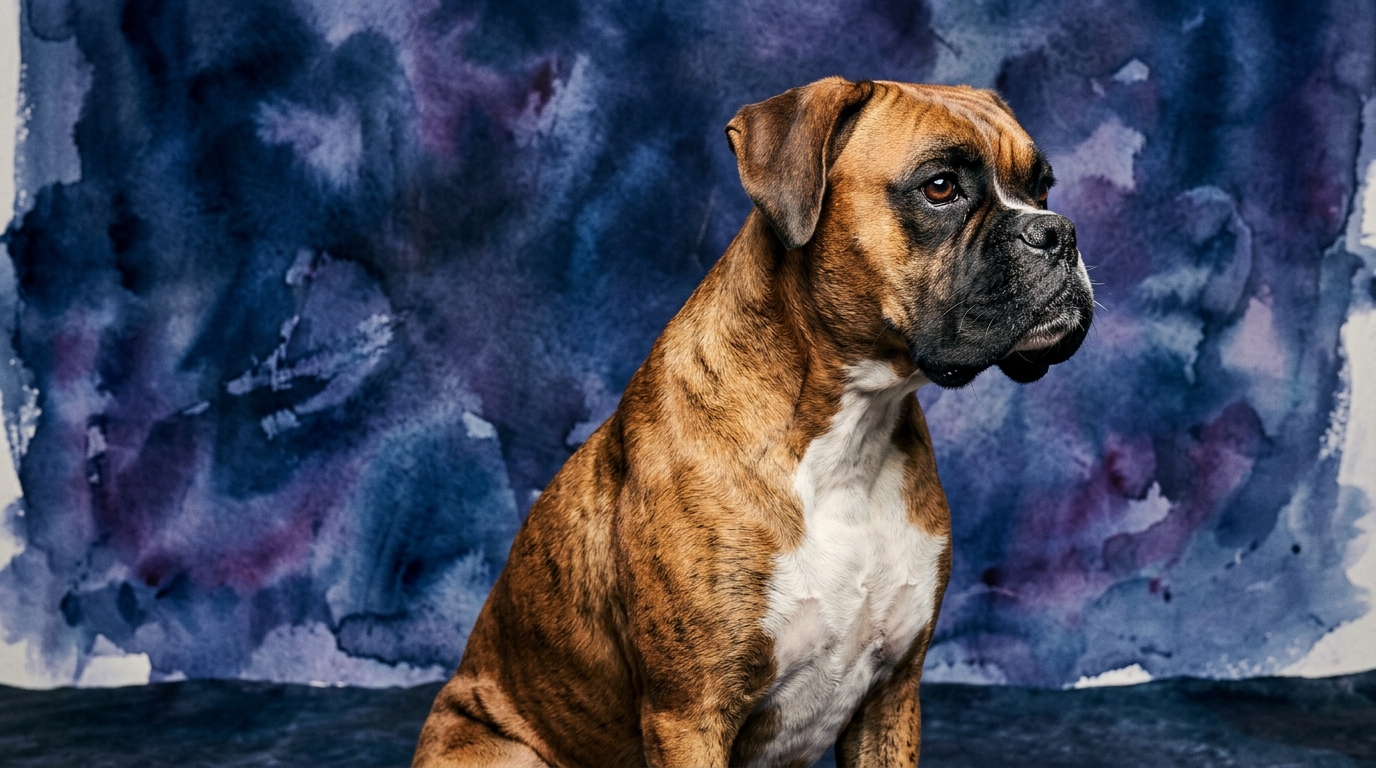
**Boxer (Working Group, Coren Rank #48)**: Boxers display a moderate capacity for independent thought and figuring out novel situations, scoring 3/5 in Problem Solving. They can navigate complex environments and learn from experience, though they might not always seek the most direct solution without guidance. This breed processes and retains new commands at a steady, average pace (Training Speed 3/5); while not the quickest to grasp every concept, their consistency means they are receptive to structured training methods over time. A standout trait, Boxers exhibit exceptional ability to read human cues and adapt their behavior accordingly, earning a perfect 5/5 in Social Intelligence. They form strong bonds and are highly attuned to their family's emotions and social dynamics. Boxers possess a robust natural inclination for activity, play, and engaging with their environment, reflected in their 4/5 Instinctive Drive. Their strong drive means they thrive on purpose-driven tasks and require outlets for their physical and mental energy. Their recall abilities are solid, allowing them to remember learned commands, routines, and experiences (Memory 3/5); they retain training well, provided it's reinforced, and can recall past interactions with people and places.
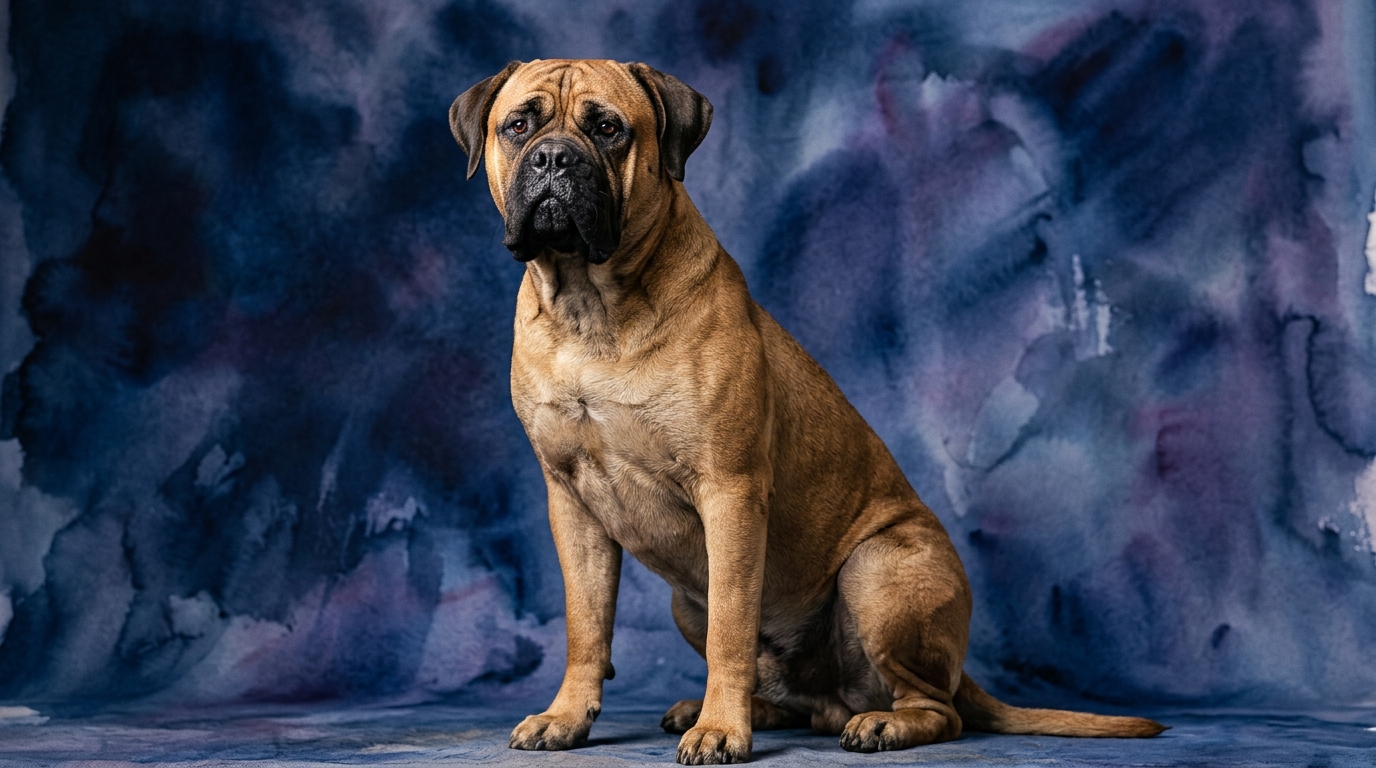
**Bullmastiff (Working Group, Coren Rank #69)**: Bullmastiffs share a moderate problem-solving aptitude with Boxers, capable of understanding and responding to new challenges (Problem Solving 3/5). They approach issues with a thoughtful, often deliberate, rather than impulsive, mindset. Similar to Boxers, Bullmastiffs learn new commands at an average rate (Training Speed 3/5); their progress is consistent but requires patience and positive reinforcement, as they can sometimes be more ponderous in their learning approach. Bullmastiffs show a moderate level of social perceptiveness, understanding their human companions' basic intentions and moods (Social Intelligence 3/5). While affectionate with their family, they tend to be more reserved and less overtly expressive in social interactions compared to some breeds. Their natural drives are moderate, leaning towards a protective instinct without the same high-octane need for constant engagement seen in some working breeds (Instinctive Drive 3/5). They appreciate routine and purposeful activity but don't constantly seek out high-intensity tasks. Bullmastiffs demonstrate good memory for their training and experiences, remembering what they've learned and the people they've encountered (Memory 3/5); their recall is reliable, contributing to their generally dependable nature once a behavior is established.
Where Boxer Wins Cognitively
The Boxer's distinct cognitive edge lies primarily in its exceptional social intelligence and robust instinctive drive. With a perfect 5/5 in social intelligence, Boxers possess an unparalleled ability to interpret human body language, vocal tones, and emotional states. This makes them incredibly responsive companions, often anticipating their owner's desires or reacting empathetically to moods. This high social IQ translates into a dog that not only understands commands but also seems to truly grasp the *context* of interactions, fostering a deeper, more intuitive bond.
Furthermore, the Boxer's 4/5 instinctive drive means they naturally seek engagement and purpose. This isn't just about physical energy; it's a cognitive inclination to interact with their environment and participate in activities. They are inherently curious and motivated to explore, play, and work alongside their humans. This higher drive can make them more eager to initiate interaction and more persistent in tasks that capture their interest, providing a dynamic cognitive partner for owners who enjoy active collaboration. Their moderate problem-solving and memory, combined with this drive, means they are consistently ready to apply their cognitive skills in varied scenarios.
Where Bullmastiff Wins Cognitively
While the Bullmastiff's individual cognitive scores may not reach the Boxer's peak in every dimension, their overall profile creates a unique strength rooted in deliberate processing and unwavering focus on their primary role. Their consistent 3/5 across problem-solving, training speed, instinctive drive, and memory, paired with a moderate social intelligence, paints a picture of a dog that is reliable and thoughtful rather than impulsive. Their problem-solving, though moderate, is often characterized by a calm, observant approach, allowing them to assess situations before reacting, which can be a significant cognitive asset in a guardian breed.
The Bullmastiff's cognitive advantage often manifests in its steadfastness and commitment to established routines. They might not be as quick to pick up new tricks, but once a behavior is learned and deemed important, their memory and moderate instinctive drive for protection ensure a consistent application. Their social intelligence, while not as expressive as a Boxer's, is sufficient for forming deep, loyal bonds, and they are adept at discerning threats or unusual circumstances within their familiar social circle. This cognitive profile means they excel in roles requiring quiet vigilance and dependable adherence to learned boundaries, making them exceptionally stable and predictable companions once their training foundation is solid.
Which is Easier to Train and Why
When it comes to ease of training, the Boxer generally holds a slight advantage, primarily due to its superior social intelligence and higher instinctive drive. A Boxer's 5/5 social intelligence means they are inherently more motivated to please their human companions and are quicker to pick up on subtle cues, even before formal commands are fully established. They thrive on interaction and positive feedback, making them highly responsive to training efforts. Their 4/5 instinctive drive also means they have a natural zest for activity and learning, often viewing training as an engaging game rather than a chore. This enthusiasm translates into a more eager participant in training sessions, potentially accelerating the learning process for new behaviors, even with their 3/5 training speed.
In contrast, the Bullmastiff, with its 3/5 in both social intelligence and instinctive drive, requires a more patient and consistent approach. While they possess a solid 3/5 training speed, their learning curve can feel more deliberate. Bullmastiffs are not as inherently driven by the desire to please or by a constant need for engagement. They respond well to clear, firm, and positive reinforcement, but may take longer to decide that a new command is worth their full attention. Their tendency towards independent thought, even with moderate problem-solving, means they might question the necessity of a command if it doesn't align with their perceived purpose. Owners will find success by making training a predictable, rewarding routine, understanding that the Bullmastiff values consistency and a clear understanding of expectations over rapid-fire learning.
Which Suits Active Owners vs Relaxed Owners
For active owners seeking a dynamic and highly interactive canine partner, the Boxer is typically the more suitable choice. Their 4/5 instinctive drive means they possess a natural exuberance and a strong desire for physical and mental engagement. They thrive on activities like agility, obedience trials, long runs, or extensive play sessions. Their 5/5 social intelligence makes them excellent companions for owners who enjoy constant interaction, cooperative games, and a dog that is deeply attuned to their presence and moods. Boxers are at their best when given a "job" to do, whether it's accompanying their owner on adventures or participating in structured training. Neglecting their need for stimulation can lead to boredom and potentially undesirable behaviors, making them a better fit for households ready to commit to their energetic lifestyle.
Conversely, the Bullmastiff's cognitive profile aligns better with more relaxed owners who appreciate a calm, steadfast presence. Their moderate instinctive drive (3/5) means they are content with regular, purposeful walks and moderate play, rather than demanding constant high-intensity activity. While they still require exercise to stay healthy, their mental disposition is less geared towards constant stimulation and more towards quiet companionship. Their moderate social intelligence means they form deep bonds but are not as overtly demanding of attention or as prone to boisterous displays of affection. They are often described as "couch potatoes" once their exercise needs are met, making them ideal for owners who enjoy a tranquil home environment and a loyal, protective presence without the constant need for high-octane interaction.
The Verdict
Choose a Boxer if you desire an exceptionally socially intelligent, highly interactive, and energetic companion who thrives on engagement and shared activities.
Opt for a Bullmastiff if you seek a calm, steadfast, and protective presence, valuing reliability and a more deliberate, less overtly demanding companion.
🧠 Find Your Pet's IQ Score
Our Pet IQ Lab assessment covers 25+ tests across 5 cognitive dimensions — personalized to your breed.
Take the Full IQ Test →Frequently Asked Questions
Are Boxers good at learning tricks?
Boxers, with their moderate training speed and strong social intelligence, are quite capable of learning a variety of tricks. Their desire to engage with their owners and their playful nature makes them enthusiastic participants in trick training, especially when positive reinforcement is used.
How do Bullmastiffs handle new people or situations?
Bullmastiffs typically approach new people and situations with a measured, observant demeanor due to their moderate social intelligence and problem-solving. They are not usually impulsive but will assess the situation calmly, often displaying a reserved acceptance rather than immediate enthusiasm, especially with strangers.
Which breed is more prone to separation anxiety based on their IQ profile?
Given the Boxer's exceptionally high social intelligence (5/5), they are often more prone to developing separation anxiety if not properly socialized and trained for alone time. Their deep attunement to their human family means they can struggle more when separated, while the Bullmastiff's more independent nature might make them less susceptible.