
Side-by-Side Cognitive Profiles
The Coren ranking, a general measure of working and obedience intelligence, places the Cavalier King Charles Spaniel slightly ahead at #44, with the Boxer at #48. However, a deeper dive into specific cognitive dimensions offers a more nuanced understanding of their individual strengths, painting a picture far richer than a single number.
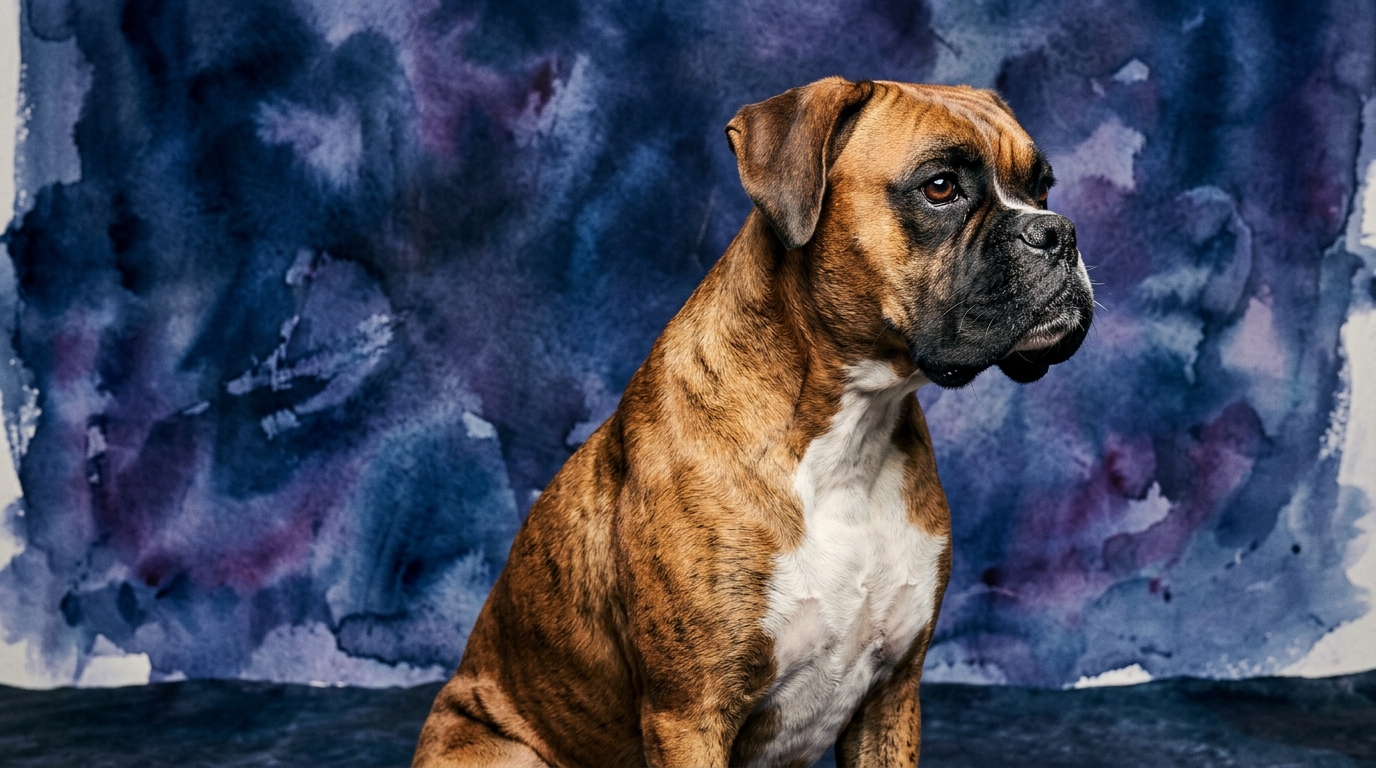
For the **Boxer**, their Problem Solving ability rates 3/5, indicating they are adequately resourceful for practical tasks but not typically inclined towards complex strategic thinking, often relying on their physical capabilities. Their Training Speed also stands at 3/5, suggesting they grasp commands with consistency and engaging methods, requiring repetition to solidify new behaviors. Social Intelligence is a standout at 5/5, reflecting an exceptional capacity to attune to human emotions, bond deeply, and understand family dynamics. An Instinctive Drive of 4/5 highlights their strong intrinsic motivation for purposeful activity, often tied to protection, play, and physical exertion rooted in their working heritage. Finally, their Memory is 3/5, meaning they retain learned behaviors and experiences reasonably well, though less frequently practiced skills might benefit from refreshers.
The **Cavalier King Charles Spaniel** shares a Problem Solving score of 3/5, capable of figuring out routine puzzles or finding comfort, but generally not driven by complex cognitive challenges. Their Training Speed is also 3/5, indicating they learn at a moderate pace, responding favorably to positive reinforcement and gentle guidance. Mirroring the Boxer, their Social Intelligence is an outstanding 5/5, showcasing an innate ability to connect deeply with humans, displaying high empathy and sensitivity to moods. A lower Instinctive Drive of 3/5 means they are primarily motivated by companionship and comfort, with a moderate prey drive and less emphasis on demanding working tasks. Their Memory, like the Boxer's, is 3/5, allowing good recall for beloved routines and people, but also requiring reinforcement for less common tasks.
Where the Boxer Excels Cognitively
The Boxer's distinct cognitive edge lies primarily in their more robust Instinctive Drive, rated 4/5 compared to the Cavalier's 3/5. This isn't merely about physical energy; it signifies a stronger intrinsic motivation for purposeful activity and sustained engagement with their environment. Boxers exhibit a greater cognitive impulse to 'do' things, whether it's through vigorous play, protective vigilance, or participating in structured physical tasks. Their working dog heritage means their problem-solving (3/5) and memory (3/5) are often applied in contexts requiring more physical endurance and focused determination, making them excel in roles that demand consistent application of effort and a persistent drive to achieve a goal.
Where the Cavalier King Charles Spaniel Shines Cognitively
While many scores are similar, the Cavalier King Charles Spaniel's cognitive strengths are found in the application of their abilities within their specific breed purpose. Their marginally higher Coren rank at #44 compared to the Boxer's #48 suggests a subtle advantage in general obedience intelligence, potentially indicating a quicker grasp of foundational commands in a structured, low-distraction setting. Crucially, their 5/5 Social Intelligence, combined with their lower 3/5 Instinctive Drive, means their problem-solving (3/5) and training speed (3/5) are often geared towards social solutions and pleasing their human companions. This translates into an exceptional capacity for empathetic connection and adapting seamlessly to quiet, intimate human environments, where their cognitive efforts are directed towards emotional attunement and fostering comfort rather than overcoming physical obstacles.
Training Aptitude: Boxer vs. Cavalier
Both breeds share a 3/5 rating for Training Speed, indicating a moderate pace of learning, but their underlying behavioral differences significantly influence the training experience. The Boxer's 4/5 Instinctive Drive means they require engaging, often play-based training methods to channel their energy and focus. They can be prone to 'clowning around' if not adequately stimulated or if training becomes monotonous, demanding an owner who can consistently provide clear direction and make learning enjoyable. Their strong social intelligence (5/5) means they respond well to positive reinforcement and bond-based motivation, but their physical exuberance requires firm, consistent guidance to prevent boisterousness from becoming a distraction.
Conversely, the Cavalier King Charles Spaniel's lower 3/5 Instinctive Drive and outstanding 5/5 Social Intelligence make them highly motivated by pleasing their human and seeking companionship. They are generally less prone to independent thinking or high-energy distractions during training sessions. Cavaliers respond exceptionally well to gentle, positive, reward-based methods, thriving on praise and affection. For a novice owner, the Cavalier might *feel* easier to train due to their biddable nature, smaller size, and less demanding physical presence, as they typically require less management of robust physical drives compared to the Boxer, leading to a smoother initial training journey.
Lifestyle Suitability: Active vs. Relaxed Owners
The distinct cognitive and physical profiles of these breeds make them suitable for vastly different owner lifestyles. The Boxer, with its 4/5 Instinctive Drive and robust physique, thrives with active owners who can provide regular, vigorous exercise and consistent mental stimulation. They excel in activities like agility, obedience, and extended play sessions, demanding engagement that matches their intelligence and physical capabilities. An owner who enjoys outdoor adventures, structured training, and has the time to channel a Boxer's substantial energy will find a deeply rewarding partnership.
In contrast, the Cavalier King Charles Spaniel is an ideal companion for more relaxed owners. Their 3/5 Instinctive Drive and profound 5/5 Social Intelligence mean they are content with moderate daily walks and abundant cuddle time, valuing close human interaction above intense physical exertion. Cavaliers do not require complex cognitive challenges or demanding physical outlets to be content; their happiness is often derived from simply being near their people. For individuals or families seeking a gentle, affectionate presence that seamlessly integrates into a quieter, more home-centric lifestyle, the Cavalier is an excellent choice.
The Verdict
Choose a Boxer if you are an active owner seeking a robust, engaging companion for outdoor adventures and structured training, appreciating a dog with strong protective instincts and a playful, determined presence.
Opt for a Cavalier King Charles Spaniel if you desire a gentle, affectionate companion content with a more relaxed pace, valuing deep emotional connection and a dog that thrives on close human interaction and comfort.
🧠 Find Your Pet's IQ Score
Our Pet IQ Lab assessment covers 25+ tests across 5 cognitive dimensions — personalized to your breed.
Take the Full IQ Test →Frequently Asked Questions
Do Boxers or Cavaliers learn tricks faster?
Both breeds share a 3/5 training speed rating, suggesting a moderate pace for learning new tricks. While the Boxer's higher instinctive drive might make them more enthusiastic for physically engaging tricks, the Cavalier's eagerness to please often makes them highly receptive to positive reinforcement in trick training.
How does social intelligence differ between these two breeds?
Both breeds score 5/5 in social intelligence, indicating exceptional empathy and attunement to human emotion. The Boxer often expresses this through loyal guardianship and boisterous affection, whereas the Cavalier typically manifests it as gentle companionship and a desire for close, comforting interaction.
Are Boxers or Cavaliers better for first-time dog owners?
The choice depends on the owner's lifestyle and experience with managing dog energy. Cavaliers are often considered more manageable for first-time owners due to their lower exercise needs and generally biddable nature, while Boxers require a more active and consistent approach to training and exercise.