
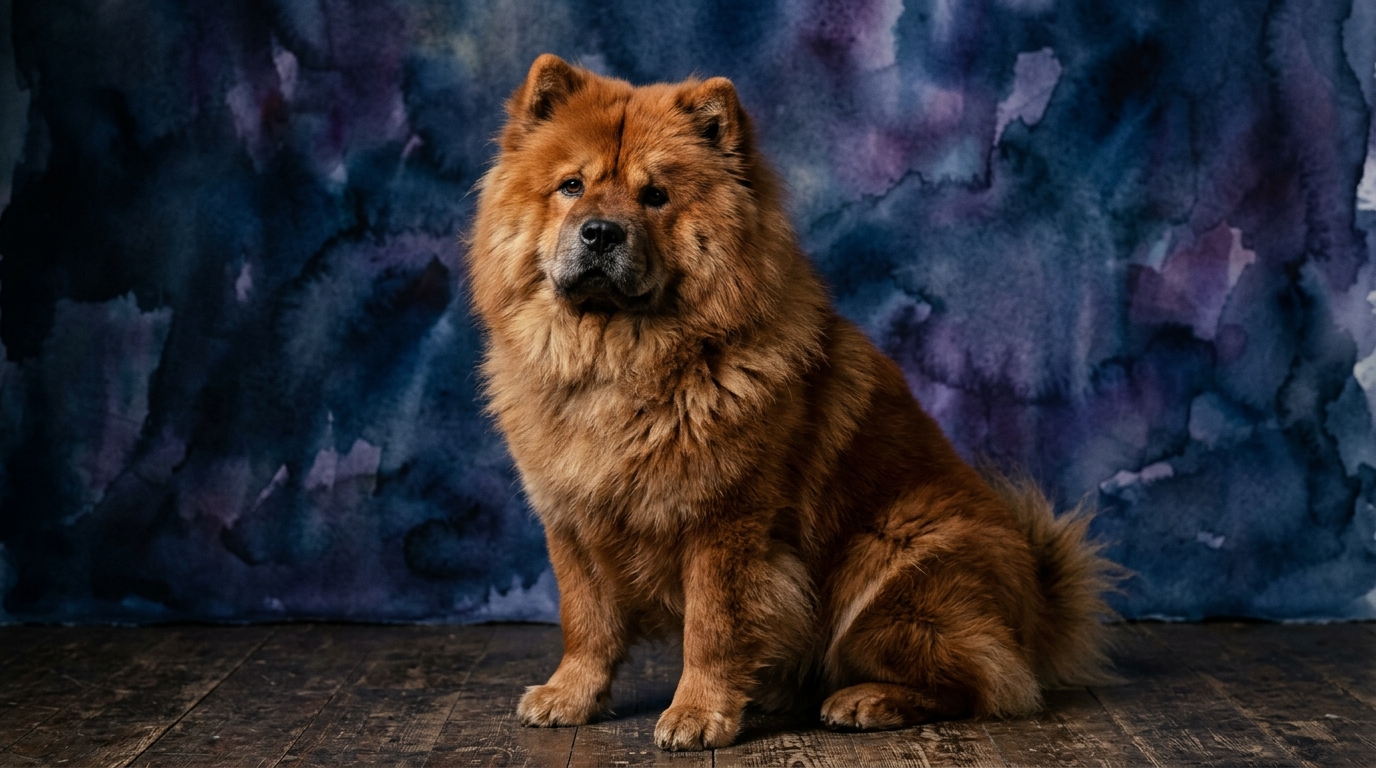
Side-by-Side IQ Profile: Boxer vs. Chow Chow
The Cosmic Pet Pet IQ Lab employs five core dimensions to evaluate canine intelligence, offering a detailed snapshot of each breed's cognitive strengths. For the Boxer, a Working group dog with a Coren rank of #48, we observe a Problem Solving score of 3/5, indicating a moderate ability to navigate novel challenges and figure out solutions independently. Their Training Speed is also 3/5, suggesting a reasonable pace for learning new commands and routines. Where the Boxer truly shines is in Social Intelligence, scoring an impressive 5/5, reflecting a profound understanding of human communication and a strong desire for interaction. Instinctive Drive, rated at 4/5, points to a natural inclination for purposeful activity and task fulfillment, while Memory is a solid 3/5, allowing them to retain learned information effectively.
Conversely, the Chow Chow, a Non-Sporting breed with a Coren rank of #76, presents a different cognitive blueprint. Their Problem Solving ability matches the Boxer at 3/5, indicating a similar capacity for independent thought in new situations. Training Speed is also 3/5, meaning they can learn at a comparable rate, though the *method* of training may differ significantly due to other factors. Social Intelligence for the Chow Chow is 3/5, suggesting a more reserved approach to human interaction and a lesser reliance on constant social cues. Instinctive Drive stands at 3/5, implying less inherent motivation for task-oriented work compared to breeds bred for specific jobs. Memory is rated at 3/5, allowing them to recall experiences and training, much like the Boxer.
Where the Boxer Wins Cognitively
The Boxer's distinct cognitive advantages are most evident in their exceptional Social Intelligence and robust Instinctive Drive. A 5/5 in Social Intelligence means Boxers possess a remarkable capacity to read human emotions, understand vocal inflections, and interpret body language with precision. This deep understanding translates into a highly responsive and engaged companion who actively seeks to participate in family life and anticipates their owner's needs. They are adept at forming strong emotional bonds, often displaying empathy and a desire to please, which fundamentally shapes their interactions and learning experiences.
Furthermore, the Boxer's 4/5 Instinctive Drive fuels their enthusiasm for activities that involve purpose and engagement. Originating as working dogs, they inherently enjoy tasks that provide mental and physical stimulation, whether it's playing fetch, participating in obedience trials, or accompanying their owners on hikes. This drive makes them highly motivated to engage in structured play and training, not just for rewards, but for the inherent satisfaction of 'doing' something alongside their human. This combination of high social intelligence and strong drive makes them profoundly interactive and adaptable to various family dynamics and activities.
Where the Chow Chow Excels Cognitively
While the Chow Chow's scores might appear lower in some areas, their cognitive strengths lie in their self-sufficiency and independent problem-solving approach, traits that are highly valued by specific types of owners. Their 3/5 in Problem Solving, matching the Boxer, indicates a capable mind that can independently assess situations and devise solutions without constant human intervention. This isn't about a lack of intelligence, but rather a different expression of it, one that prioritizes autonomy over immediate social compliance. They are perfectly capable of navigating their environment and making choices based on their own understanding.
The Chow Chow's 3/5 Social Intelligence and 3/5 Instinctive Drive, while lower than the Boxer's, contribute to a distinct cognitive profile that emphasizes independence. They are not as driven by the need to please or to perform tasks for human validation, which means they are less prone to separation anxiety and more content with their own company. This self-contained nature allows them to process information and make decisions based on their own internal logic, often appearing thoughtful and deliberate. Their cognitive independence means they don't constantly seek direction, making them excellent companions for those who appreciate a more reserved and less demanding canine presence, capable of entertaining themselves and making sound judgments within their established boundaries.
Which is Easier to Train and Why?
When it comes to ease of training, the Boxer generally holds an advantage, primarily due to their significantly higher Social Intelligence and robust Instinctive Drive. A Boxer's 5/5 Social Intelligence means they are acutely attuned to their owner's desires, eager to understand cues, and motivated by positive reinforcement and social praise. They learn quickly because they are actively seeking to cooperate and engage, finding satisfaction in shared activities and pleasing their human companions. Their 4/5 Instinctive Drive further supports this, as they possess an inherent desire to work and participate, making them responsive to commands that channel their energy and purpose.
The Chow Chow, with a 3/5 in both Social Intelligence and Instinctive Drive, presents a different training challenge. Their independence means they are less inherently driven to please or to perform tasks on command. Training a Chow Chow often requires immense patience, consistency, and a deep understanding of their self-reliant nature. They are capable of learning, as indicated by their 3/5 Training Speed and Problem Solving, but they may not always see the immediate 'point' of a command if it doesn't align with their own perceived needs or comfort. Owners must employ positive, reward-based methods, focusing on building trust and making training a mutually beneficial experience, rather than expecting eager obedience.
Which Suits Active Owners vs. Relaxed Owners?
For active owners seeking a highly engaged and interactive companion, the Boxer is typically the more suitable choice. Their high Social Intelligence (5/5) means they thrive on constant interaction, shared activities, and being an integral part of family outings. The Boxer's 4/5 Instinctive Drive translates into a need for purposeful activity, whether it's vigorous play, long walks, or participating in dog sports. They possess a boundless energy and enthusiasm that aligns perfectly with a dynamic lifestyle, requiring consistent physical and mental stimulation to prevent boredom and channel their natural exuberance. An active owner will find a willing and joyful partner in a Boxer, ready for adventure at a moment's notice.
Conversely, the Chow Chow is often a better fit for more relaxed owners who appreciate an independent and dignified companion. Their lower Social Intelligence (3/5) means they are content with less intense interaction and do not constantly demand attention. While they enjoy companionship, they are not typically 'velcro dogs' and can be quite self-sufficient, happy to observe rather than actively participate in every activity. Their 3/5 Instinctive Drive suggests they have moderate exercise needs that can be met with regular, but not necessarily vigorous, walks. Owners who value a calm presence, a reserved demeanor, and a dog that can entertain itself for periods will find the Chow Chow's cognitive makeup aligns well with a quieter, more independent lifestyle, provided they are prepared for their unique training approach.
The Verdict: When to Choose Each Breed
The Verdict
Choose a Boxer if you seek a highly interactive, socially astute, and driven companion eager to participate in an active family life and engage in purposeful activities. Their cognitive profile makes them highly trainable and responsive to human connection.
Opt for a Chow Chow if you prefer an independent, dignified, and self-sufficient companion who thrives in a more relaxed environment and appreciates a less demanding social dynamic. Be prepared for a training journey that respects their autonomous nature.
🧠 Find Your Pet's IQ Score
Our Pet IQ Lab assessment covers 25+ tests across 5 cognitive dimensions — personalized to your breed.
Take the Full IQ Test →Frequently Asked Questions
Are Boxers good family dogs?
Yes, Boxers generally excel as family dogs due to their high social intelligence and affectionate nature. They typically form strong bonds with all family members and are known for their playful demeanor, making them excellent companions for children when properly socialized and trained.
Do Chow Chows require extensive grooming?
Chow Chows possess a dense double coat that requires regular grooming to prevent matting and maintain skin health. Weekly brushing is essential, with more frequent sessions during shedding seasons, making them a commitment for owners prepared for consistent coat care.
Can Chow Chows be trained for advanced obedience?
While Chow Chows can learn advanced obedience commands, their independent nature means training requires exceptional patience and consistency. They respond best to positive reinforcement and a strong bond of trust, rather than expecting eager compliance, making the process a rewarding challenge.