Side-by-Side IQ Profile: Boxer vs. Curly-Coated Retriever
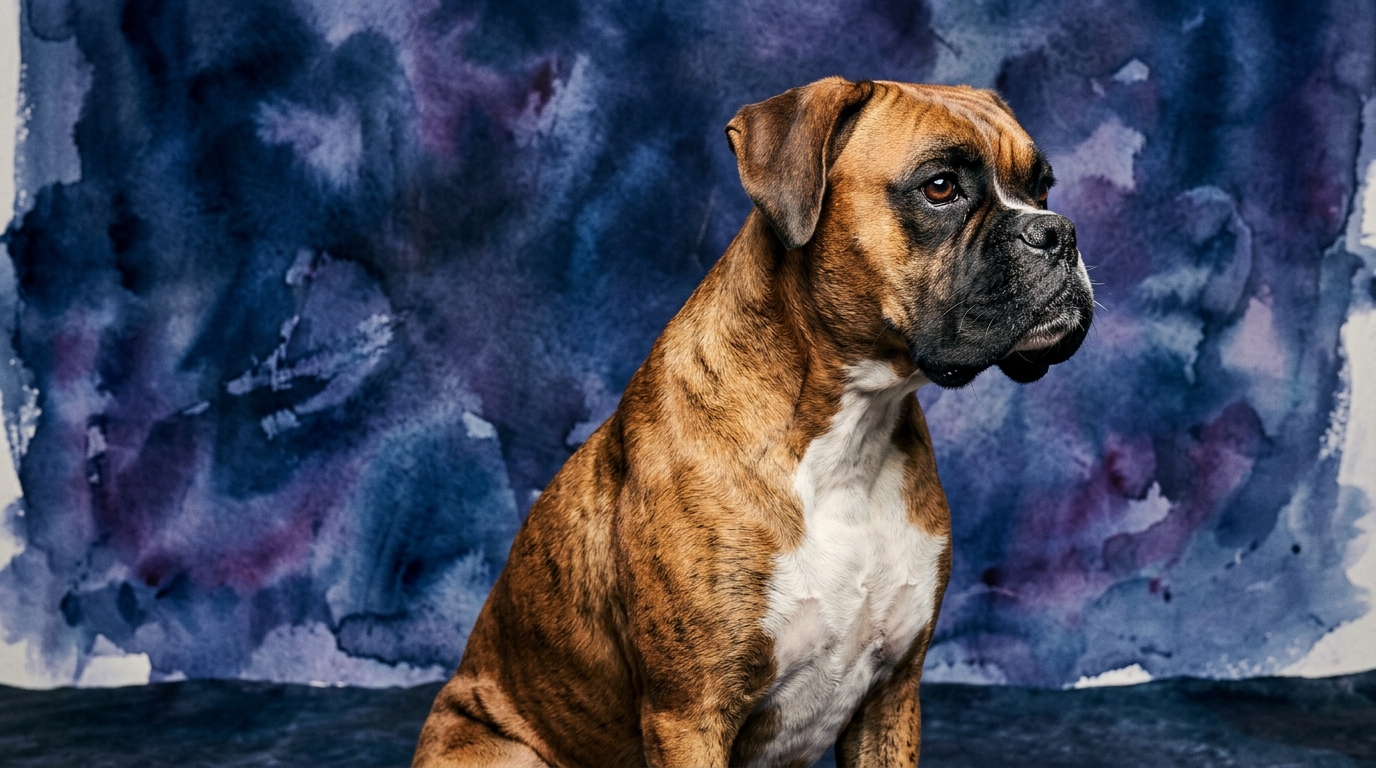
To truly understand these breeds, we must delve into their specific cognitive scores. The Boxer, a member of the Working Group with a Coren rank of #48, presents a balanced yet distinctly people-centric cognitive profile. Its Problem Solving ability stands at a respectable 3/5, indicating an average capacity for navigating novel challenges and figuring out solutions independently. Training Speed also registers at 3/5, suggesting they grasp new commands at a moderate pace. However, the Boxer truly shines in Social Intelligence, scoring an exceptional 5/5, reflecting an innate talent for understanding human cues and forming deep bonds. Instinctive Drive is strong at 4/5, fueling their characteristic exuberance and desire for purpose, while Memory is rated at 3/5, meaning they retain learned information at an average rate.
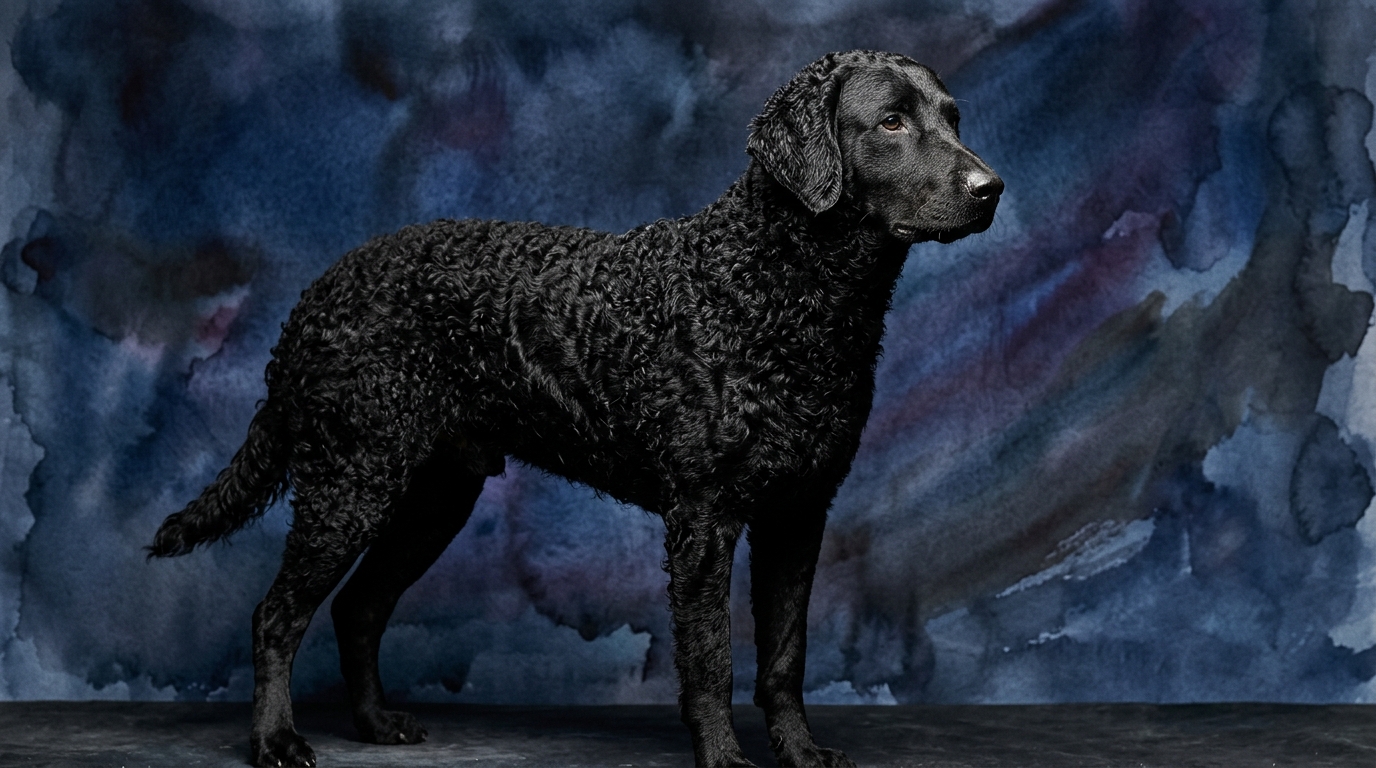
In contrast, the Curly-Coated Retriever, a Sporting Group dog with a higher Coren rank of #41, offers a different set of cognitive strengths. Like the Boxer, its Problem Solving ability is rated 3/5, demonstrating a similar average aptitude for independent thought when faced with new puzzles. Its Training Speed also mirrors the Boxer's at 3/5, suggesting an equivalent moderate pace for acquiring new behaviors. However, the Curly-Coated Retriever’s Social Intelligence is a more moderate 3/5, indicating they are less overtly people-focused than the Boxer, often displaying a more independent streak. Their Instinctive Drive is also rated 3/5, reflecting a solid but not overwhelming natural inclination for their retrieving tasks. Where the Curly-Coated Retriever truly distinguishes itself is in Memory, scoring an impressive 4/5, which points to a superior ability to recall past experiences and learned commands over time.
Where the Boxer Cognitively Excels
The Boxer’s standout cognitive advantage lies unequivocally in its Social Intelligence, earning a perfect 5/5. This isn't merely about being friendly; it signifies an exceptional ability to read and interpret human emotions, intentions, and subtle body language. A Boxer is highly attuned to its owner's mood and desires, often anticipating commands or responding intuitively to non-verbal cues. This makes them incredibly responsive and cooperative in social settings, eager to participate in family life and form strong, reciprocal relationships. Their high social cognition translates into a dog that often feels like it's 'in on the joke' or understands complex social dynamics within a household, making them highly adaptable companions in diverse social environments.
Furthermore, the Boxer's Instinctive Drive, rated at 4/5, provides another cognitive edge. This drive manifests as a robust motivation for engagement, whether it's through play, protection, or specific tasks. While not always directed at retrieving like a sporting breed, this strong innate motivation means Boxers are often eager to work alongside their human companions, channeling their energy into structured activities or interactive games. This higher drive, combined with their social intelligence, means they are often self-motivated to seek interaction and purpose, making them dynamic partners for owners who appreciate an enthusiastic and engaged canine presence.
Where the Curly-Coated Retriever Cognitively Excels
The Curly-Coated Retriever's primary cognitive strength lies in its Memory, earning a score of 4/5, which surpasses the Boxer's 3/5. This superior recall capability means a Curly is generally more adept at retaining learned commands, routines, and experiences over longer periods. Once a Curly-Coated Retriever has mastered a skill or a sequence of behaviors, that knowledge tends to stick, making them exceptionally reliable in situations where consistent performance is key. For activities requiring complex sequences or a large repertoire of commands, such as advanced obedience, agility, or field work, this heightened memory is a significant asset, allowing them to build upon their learning without frequent re-teaching.
Another subtle but important advantage for the Curly-Coated Retriever is its slightly higher Coren rank (#41 compared to the Boxer's #48). While both breeds share a 3/5 Training Speed score, the Coren ranking primarily reflects 'working and obedience intelligence,' which includes how quickly a dog understands a new command and how consistently it obeys on the first attempt. This suggests that, on average, a Curly-Coated Retriever might grasp the *concept* of a new command a touch faster or require slightly fewer repetitions to achieve initial understanding, contributing to their overall perceived trainability in structured environments, even if the learning *process* feels similar to a Boxer.
Training Dynamics: Which is Easier and Why?
When it comes to ease of training, both the Boxer and the Curly-Coated Retriever share a 3/5 score for Training Speed, implying they learn new commands at an average pace. However, the 'ease' of training extends beyond mere speed and is significantly influenced by their differing cognitive strengths. The Boxer's exceptional Social Intelligence (5/5) means they are highly motivated by human interaction, praise, and the desire to please their owner. This eager-to-please nature can make training feel 'easier' for an owner, as the Boxer is often highly engaged and responsive to the trainer's emotional state and direction. They thrive on positive reinforcement and will often try hard to understand what is asked of them to maintain that social connection, making them very cooperative students.
Conversely, the Curly-Coated Retriever's superior Memory (4/5) contributes to its training ease in a different way. While they might not be as overtly eager to please as the Boxer due to their more moderate Social Intelligence (3/5), once a Curly understands and learns a command, they are far more likely to retain it reliably over time. This means less need for refreshing previously learned behaviors, allowing for more efficient progression to advanced concepts. An owner training a Curly might find the initial learning phase similar to a Boxer, but the long-term retention and consistency of trained behaviors will likely be a significant advantage, making them a highly dependable partner once skills are solidified. Their more moderate Instinctive Drive (3/5 versus Boxer's 4/5) might also mean fewer self-directed distractions during training sessions, allowing for more focused learning.
Matching Breeds to Lifestyles: Active vs. Relaxed Owners
The cognitive profiles of the Boxer and Curly-Coated Retriever offer clear guidance for owners with different lifestyle preferences. The Boxer, with its outstanding Social Intelligence (5/5) and robust Instinctive Drive (4/5), is an ideal match for highly active and socially engaged owners. These dogs crave constant interaction and purpose, thriving in environments where they are an integral part of daily family activities. Owners who enjoy frequent, vigorous play sessions, group outings, and who can dedicate significant time to social engagement will find the Boxer to be an incredibly rewarding companion. Their need for mental and physical stimulation is substantial, and without it, their high drive can lead to boredom and potentially undesirable behaviors. They are not content to be background pets; they want to be involved.
The Curly-Coated Retriever, while still an active sporting breed, might suit owners who are active but perhaps seek a slightly more independent or task-oriented companion. Their strong Memory (4/5) makes them excellent for owners interested in structured dog sports like obedience, agility, or field work, where consistent performance and reliable recall are paramount. They need regular exercise to satisfy their sporting instincts, but their more moderate Social Intelligence (3/5) means they might not demand the same level of constant human interaction as a Boxer. They can be content with a good run or a training session, and then settle down, rather than constantly seeking social engagement. Owners who appreciate a dog that is intelligent, capable, and retains its learning well, and who can provide consistent, purposeful activity without necessarily being 'on' 24/7 in a social sense, would find a Curly-Coated Retriever to be a fulfilling partner.
The Verdict
Choose the Boxer if you prioritize a highly social, emotionally intelligent companion who thrives on constant interaction and eager-to-please cooperation in all aspects of life. They are best for owners ready to engage them frequently in high-energy play and social activities.
Opt for the Curly-Coated Retriever if you value a dog with exceptional memory and reliability for structured tasks, such as dog sports or consistent routines, and appreciate a partner who is capable and retains learning well, even if slightly more independent in social demands.
🧠 Find Your Pet's IQ Score
Our Pet IQ Lab assessment covers 25+ tests across 5 cognitive dimensions — personalized to your breed.
Take the Full IQ Test →Frequently Asked Questions
Do Boxers and Curly-Coated Retrievers learn new commands at the same rate?
Based on their Training Speed score of 3/5 for both breeds, they are expected to learn new commands at a similar, moderate pace. However, the Boxer's social intelligence might make them more eager to cooperate, while the Curly's memory ensures better long-term retention of those commands.
Which breed is better at understanding human emotions?
The Boxer, with its 5/5 Social Intelligence score, is significantly better at understanding human emotions and cues compared to the Curly-Coated Retriever's 3/5. This makes Boxers exceptionally attuned to their owners' moods and intentions.
Is one breed more prone to independent problem-solving than the other?
Both the Boxer and the Curly-Coated Retriever share a Problem Solving score of 3/5, suggesting similar average capacities for independent thought when faced with novel situations. Neither breed stands out as exceptionally independent in this specific cognitive dimension.