
Side-by-Side IQ Profile: Boxer vs. Finnish Spitz
The Boxer, ranked #48 by Coren for working and obedience intelligence, presents a compelling cognitive blueprint. Their Problem Solving is rated at 3/5, indicating a moderate ability to figure out novel situations and adapt to new challenges. Training Speed also sits at 3/5, suggesting a steady, consistent pace in acquiring new commands and behaviors. Where the Boxer truly excels is in Social Intelligence, scoring an exceptional 5/5; this reflects a profound capacity for understanding human cues, emotions, and intentions, fostering deep, interactive bonds. Their Instinctive Drive is a robust 4/5, providing strong internal motivation for activity and engagement, while Memory holds steady at 3/5, allowing for reliable recall of learned experiences and routines.
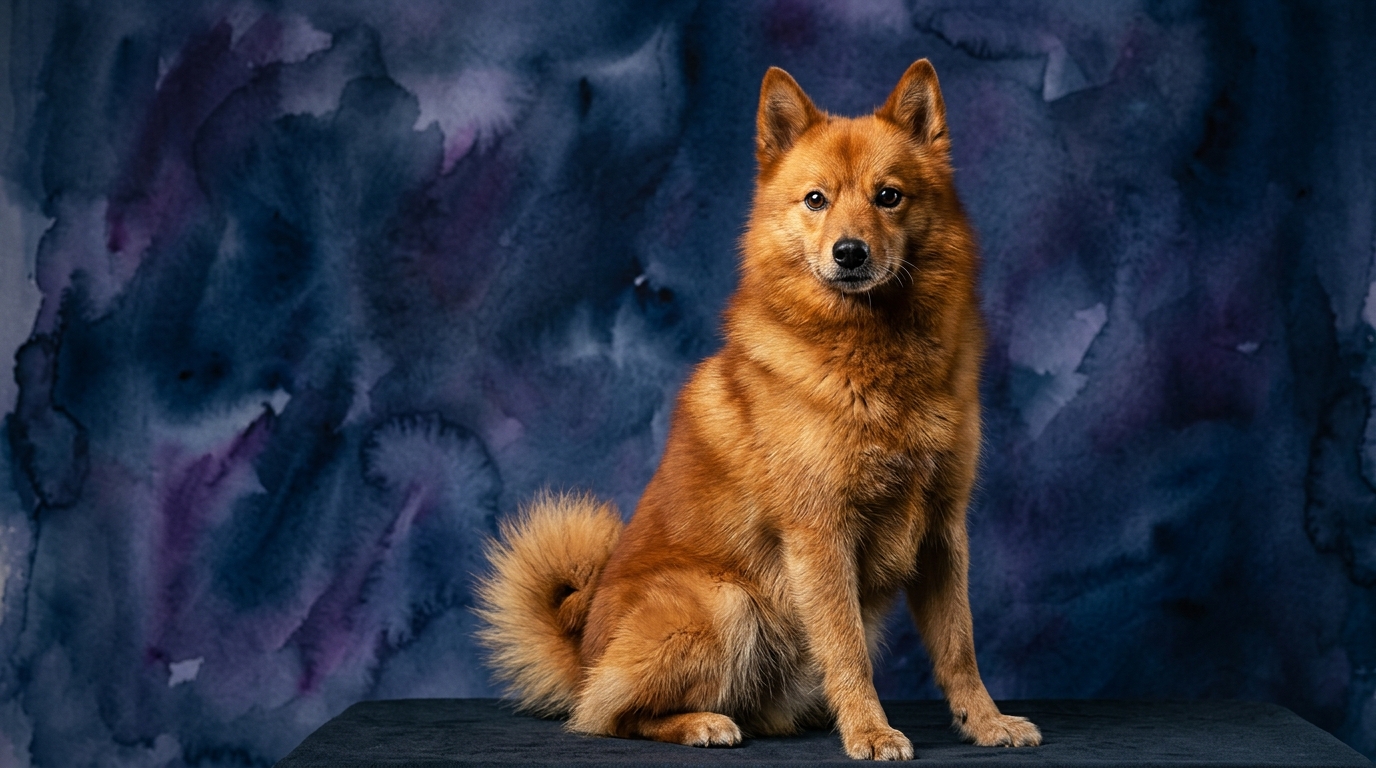
In contrast, the Finnish Spitz, a breed not included in Coren's ranking, exhibits a more uniform cognitive profile across all five dimensions. Their Problem Solving is 3/5, indicating a moderate ability to tackle new problems, often with a degree of independence. Training Speed matches the Boxer at 3/5, suggesting they learn at a comparable pace, though perhaps with different motivators. Social Intelligence is rated at 3/5, pointing to a more reserved or selective sociability compared to the Boxer, where interactions are valued but not constantly sought after. Instinctive Drive also stands at 3/5, reflecting a moderate motivation that is often directed towards their traditional roles as barking bird dogs. Lastly, their Memory is 3/5, providing a consistent capacity for retaining information and experiences.
Where the Boxer Wins Cognitively
The Boxer's distinct cognitive strengths truly shine in the realms of social intelligence and instinctive drive. With a perfect 5/5 in social intelligence, Boxers possess an extraordinary capacity to understand and respond to human emotions, intentions, and communication. This translates into a profound bond with their families, often anticipating needs and reacting with empathy. They excel in environments where close human interaction and clear social structures are paramount, making them highly attuned companions who thrive on collaboration. This isn't merely about affection; it's a sophisticated ability to interpret subtle cues, making them exceptionally responsive to their handlers and excellent participants in activities requiring synchronized effort, such as obedience or agility.
Their elevated instinctive drive, rated at 4/5, further complements this, providing a strong internal motivation to engage in activities, pursue tasks, and maintain a playful, energetic demeanor. This drive makes them persistent and eager to participate in structured activities, harnessing their natural zest for life in a directed manner. Unlike breeds with lower drives, a Boxer's inherent enthusiasm for action can be readily channeled into productive training and interactive play, making them particularly adept at tasks requiring sustained effort and engagement, especially when those tasks are intertwined with human companionship.
Where the Finnish Spitz Wins Cognitively
While the Finnish Spitz may not boast numerically higher scores in any single cognitive dimension compared to the Boxer, its unique cognitive profile presents a different kind of strength, particularly in self-reliance and environmental awareness. Their consistent 3/5 across all categories points to a balanced and independent intellect, rather than a deficiency. This breed's lower social intelligence (3/5 compared to Boxer's 5/5) doesn't signify a lack of affection, but rather a greater degree of self-sufficiency and less reliance on constant human direction. This translates into an ability to entertain themselves and remain content without continuous direct human interaction, which can be a significant advantage for owners who appreciate a dog with a strong sense of self.
Furthermore, their moderate instinctive drive (3/5) is often channeled into their ancestral purpose as a barking bird dog, indicating a specialized form of intelligence geared towards keen observation and vocal communication within their environment. This specific drive, while not as broadly applicable as a Boxer's, represents a highly refined cognitive skill for their intended function, requiring acute sensory perception and the judgment to alert. Their independent problem-solving at 3/5 means they are capable of navigating situations on their own terms, often employing their own methods rather than strictly adhering to human-prescribed solutions. This autonomy can be a "win" for owners seeking a companion that offers a unique blend of companionship and independence, thriving on its own terms while still appreciating its human family.
Which is Easier to Train and Why
When evaluating ease of training, the Boxer generally presents a more straightforward path for most owners, primarily due to its exceptional social intelligence and robust instinctive drive. A Boxer's 5/5 social intelligence means they are inherently motivated to please their human companions, keenly observing and interpreting cues, making them highly receptive to positive reinforcement and eager to collaborate. This strong desire for human approval acts as a powerful training accelerant, as they actively seek to understand and comply with commands to maintain that social connection. Their 4/5 instinctive drive translates into a natural enthusiasm for activity and learning, providing the sustained energy and focus needed for repeated training sessions. They often view training as an engaging game played with their beloved humans, making the process enjoyable and efficient.
In contrast, the Finnish Spitz, with its 3/5 social intelligence and 3/5 instinctive drive, approaches training with a more independent and self-directed mindset. While certainly capable of learning, their motivation stems less from a profound desire to please and more from an assessment of what benefits them or aligns with their interests. This means that while they are intelligent, they may require more creative and patient training methods, as they might question the necessity of a command or choose to follow their own instincts if a more compelling environmental stimulus presents itself. Their training often involves appealing to their prey drive and using their natural vocalizations, requiring an owner to understand and work with their intrinsic "Spitz-ness" rather than against it. Therefore, for an owner seeking a dog that is highly biddable and thrives on structured cooperative learning, the Boxer typically offers a less challenging and more immediately rewarding training experience.
Which Suits Active Owners vs. Relaxed Owners
The cognitive profiles of the Boxer and Finnish Spitz offer clear indicators for suitability with different owner lifestyles. The Boxer, with its 4/5 instinctive drive and high social intelligence, is an ideal match for active owners who relish consistent engagement and structured activity. Their inherent energy and desire to participate make them excellent partners for jogging, hiking, dog sports like agility or flyball, and extended play sessions. They thrive on having a "job," even if that job is simply being an active family member involved in daily routines and adventures. Their social intelligence means they crave interaction and can become bored or exhibit undesirable behaviors if left without sufficient mental and physical stimulation, or if their human companionship is limited. They need an owner who is not only active but also willing to integrate them deeply into their social life.
Conversely, the Finnish Spitz, with its more moderate 3/5 instinctive drive and pronounced independence (implied by its 3/5 social intelligence), can be a better fit for owners who appreciate a dog with a strong sense of self, even if they are still active. While they certainly enjoy activity and benefit from regular exercise, their drive is often more self-directed and less reliant on constant human initiation. They might be content with brisk walks, exploring a secure yard, or engaging in their natural barking and hunting instincts in a controlled environment, rather than demanding intense, human-led workouts daily. A relaxed owner, or one with a more independent approach to pet ownership, might find the Finnish Spitz's self-sufficient nature appealing, as they are less prone to separation anxiety and can occupy themselves. However, "relaxed" doesn't mean sedentary; it means an owner who understands and respects the Finnish Spitz's unique blend of energy, independence, and vocal expression, providing opportunities for mental stimulation that align with their breed's heritage without necessarily requiring intense, continuous human-directed activity.
The Verdict
Choose the Boxer if you desire a deeply loyal, highly interactive companion who thrives on social connection and cooperative activities, making training a rewarding, collaborative journey.
Opt for the Finnish Spitz if you appreciate an independent, self-reliant dog with a unique vocal expression, seeking a companion who balances affection with a strong sense of autonomy.
🧠 Find Your Pet's IQ Score
Our Pet IQ Lab assessment covers 25+ tests across 5 cognitive dimensions — personalized to your breed.
Take the Full IQ Test →Frequently Asked Questions
Is the Boxer generally more attentive to commands than the Finnish Spitz?
Yes, the Boxer's higher social intelligence (5/5) and strong desire to please typically make them more attentive and responsive to human commands. They are inherently motivated by positive interaction and approval from their owners, making them keen learners in structured training environments.
Do Finnish Spitz require less mental stimulation than Boxers?
Not necessarily less, but different types. While Boxers thrive on interactive, human-led mental challenges, Finnish Spitz benefit from opportunities to engage their natural instincts, such as scent work or allowing them to "bark out" their observations in a controlled setting, appealing to their independent and observational nature.
How does the Coren ranking apply to this comparison?
The Coren ranking places Boxers at #48, indicating above-average working and obedience intelligence, while the Finnish Spitz is not ranked, suggesting a more independent nature that doesn't always align with traditional obedience metrics. This difference highlights the Boxer's biddability versus the Finnish Spitz's self-directed intelligence.