Side-by-Side Cognitive Profile
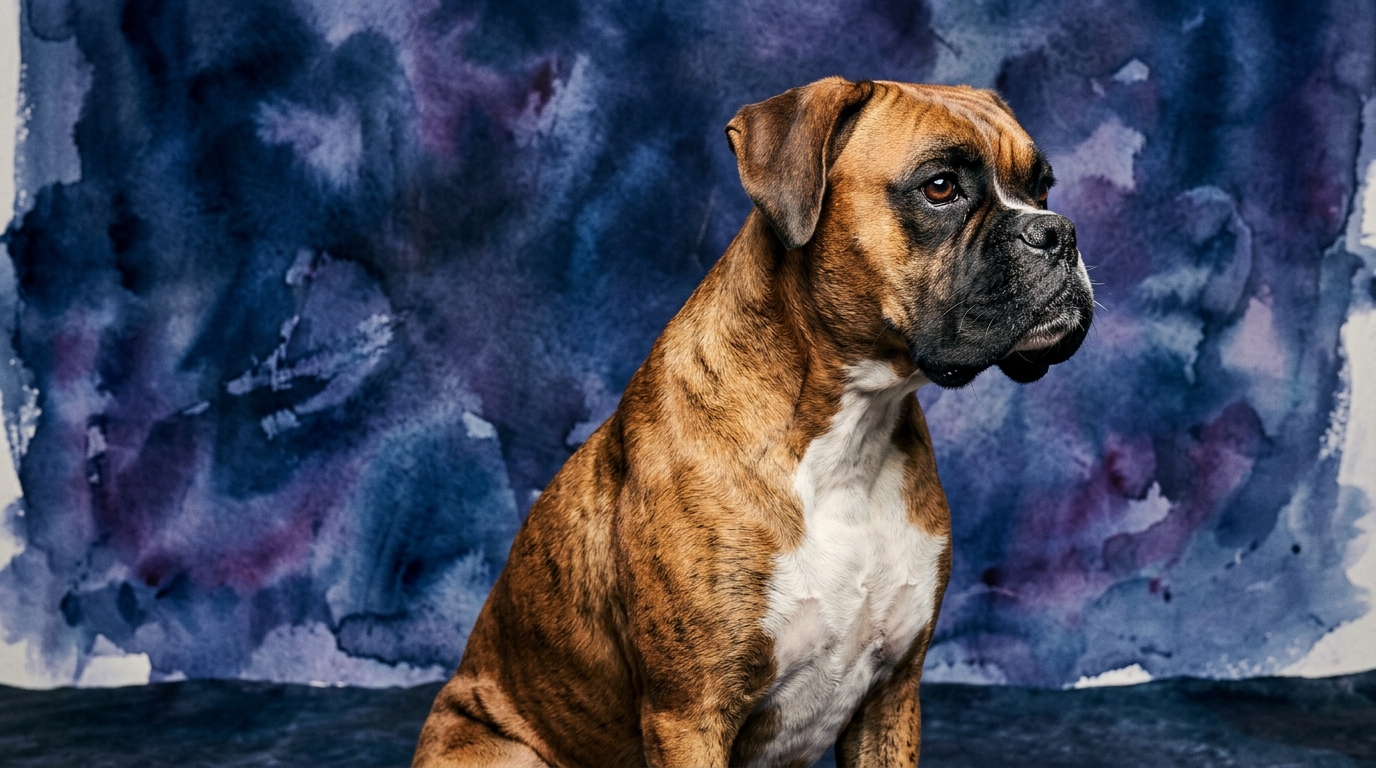
**Boxer (Working Group, Coren Rank #48):** This breed demonstrates moderate problem-solving abilities (3/5), suggesting they navigate novel situations with some effort and guidance. Their training speed is also moderate (3/5), meaning they learn new commands at a steady pace, benefiting from consistent, positive reinforcement. Where the Boxer truly shines is in social intelligence (5/5), indicating an exceptional capacity to understand human cues, form strong bonds, and adapt to social dynamics. Their instinctive drive (4/5) is robust, reflecting their heritage as working dogs with a strong desire for engagement and purpose, often expressed through play or protection. Memory (3/5) for the Boxer is average, meaning they retain learned information adequately but may require occasional refreshers.
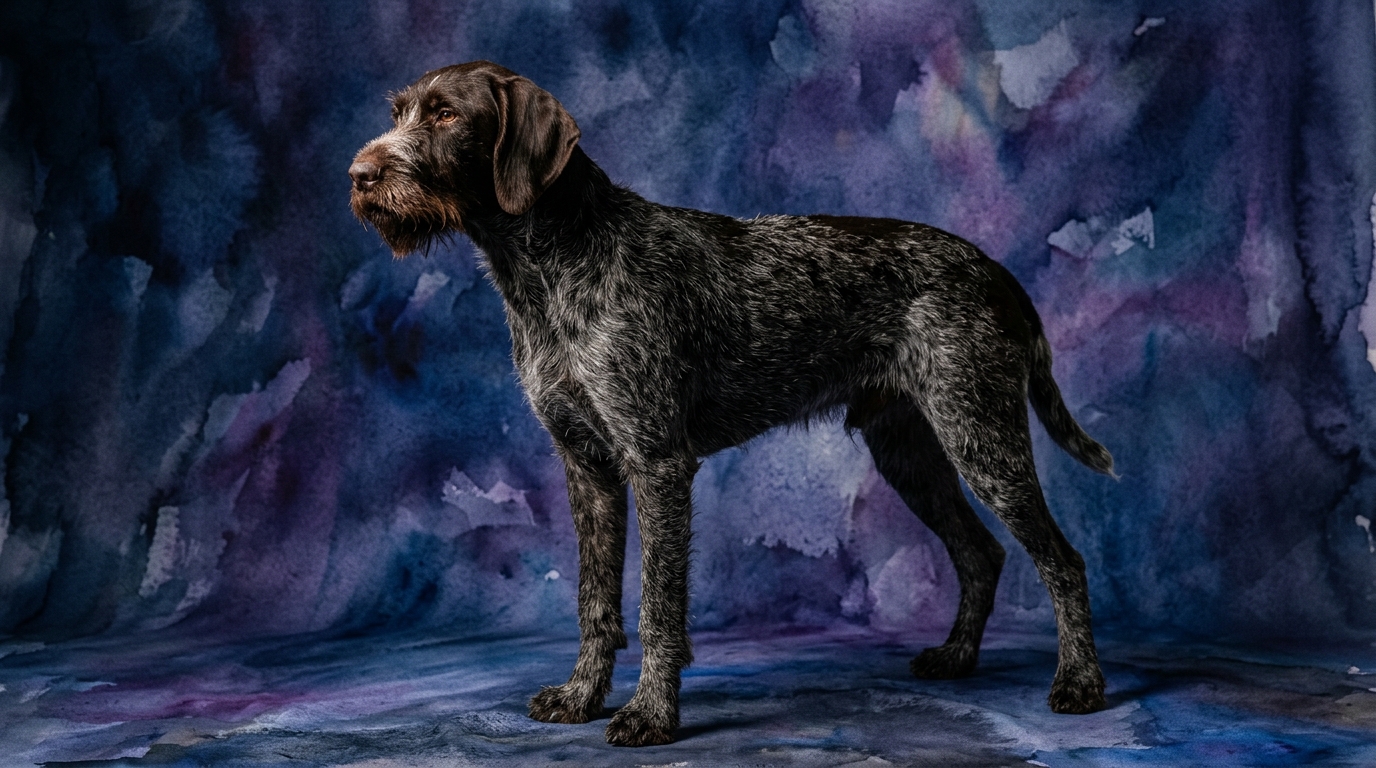
**German Wirehaired Pointer (Sporting Group, Coren Rank #28):** The GWP exhibits a higher aptitude for problem-solving (4/5), suggesting a keen ability to figure out solutions independently, a trait valued in hunting scenarios. Their training speed is notably quicker (4/5), allowing them to grasp new concepts with fewer repetitions. In contrast, their social intelligence (3/5) is more moderate; while they form bonds, their primary focus might lean more towards tasks or independent exploration. The GWP's instinctive drive (3/5) is also moderate, geared towards their sporting heritage of scent work and retrieving, but less overtly expressive than the Boxer's general working drive. Their memory (4/5) is strong, enabling them to recall complex sequences and learned behaviors over long periods.
Where the Boxer Excels Cognitively
The Boxer's standout cognitive advantage lies unequivocally in their social intelligence, rated a perfect 5/5. This signifies a profound ability to interpret human body language, tone of voice, and emotional states, allowing them to form exceptionally deep, empathetic connections with their families. This high social acumen means a Boxer is often more attuned to their owner's moods, making them remarkably intuitive companions. Furthermore, their robust instinctive drive (4/5) translates into a powerful desire for interaction and purpose, which, when channeled appropriately, can make them incredibly dedicated partners in activities involving shared goals, like protection training or active family games. This drive, combined with their social insight, makes them highly cooperative when they understand their role within the family unit.
Where the German Wirehaired Pointer Excels Cognitively
The German Wirehaired Pointer demonstrates a clear cognitive edge in areas critical for independent work and rapid learning. Their problem-solving capacity (4/5) means they are adept at navigating complex environments and figuring out solutions to challenges, a trait honed by generations of fieldwork where quick thinking is paramount. This breed often excels at tasks requiring initiative. Complementing this is their superior training speed (4/5) and strong memory (4/5). A GWP typically picks up new commands and routines with fewer repetitions and retains that knowledge over extended periods, making initial training often more efficient. This combination allows them to build a large repertoire of learned behaviors and apply them effectively, whether tracking game or mastering advanced obedience. Their cognitive profile points to a dog that learns quickly and remembers well, ready to apply that knowledge in varied situations.
Ease of Training: A Comparative Look
Assessing which breed is "easier" to train depends heavily on the owner's approach and goals. Objectively, the German Wirehaired Pointer, with its higher training speed (4/5) and memory (4/5), will likely absorb new commands and skills more quickly and retain them for longer. This means fewer repetitions and less frequent refreshers, which can feel "easier" for an owner focused on teaching a broad range of commands. Their problem-solving ability also means they might independently figure out how to perform a task. However, the Boxer's exceptional social intelligence (5/5) offers a different kind of "ease." While their training speed and memory are moderate (3/5), their intense desire to please and deep understanding of human cues can make them highly motivated to cooperate. Training a Boxer often feels like a true partnership, where their responsiveness to praise can overcome a slightly slower learning curve. They thrive on positive reinforcement and work diligently for a smile or kind word. Therefore, for rapid skill acquisition, the GWP might be more straightforward. For a deep, communicative training relationship, the Boxer's social acumen can be deeply rewarding.
Matching Breeds to Lifestyles: Active vs. Relaxed Owners
Both breeds possess significant energy and benefit from active lifestyles, but their specific needs diverge. The Boxer, with its robust instinctive drive (4/5) and high social intelligence (5/5), thrives on being an integral part of family activities. They need physical exertion and mental engagement that involves their human companions. An active owner who enjoys daily walks, runs, or interactive play sessions like fetch, and wants a dog constantly by their side, would find a Boxer a fulfilling match. They are less suited for owners looking for a dog to simply "run off energy" independently; Boxers want to run *with* you, play *with* you, and often even relax *with* you.
The German Wirehaired Pointer also demands significant physical activity, especially given its sporting heritage and problem-solving aptitude (4/5), often channeling this energy into more task-oriented pursuits. They excel in activities like hunting, field trials, agility, or extensive hiking where they can use their keen senses and independent thinking. An active owner who enjoys outdoor adventures, dog sports, or requires a canine partner for specific tasks would appreciate the GWP's drive and endurance. They are capable of sustained physical effort and can be more independent in exploration once trained. Neither breed is well-suited for a truly "relaxed" or sedentary owner. However, the Boxer might adapt slightly better to a less structured, but still active, family life, while the GWP often flourishes with a more purpose-driven routine.
The Verdict
Choose the Boxer if you prioritize an exceptionally socially attuned companion who thrives on deep personal connection and interactive play, and you are prepared for a steady, positive training journey.
Opt for the German Wirehaired Pointer if you seek a quick-learning, independently thinking partner for task-oriented activities, outdoor adventures, and appreciate efficient skill acquisition.
🧠 Find Your Pet's IQ Score
Our Pet IQ Lab assessment covers 25+ tests across 5 cognitive dimensions — personalized to your breed.
Take the Full IQ Test →Frequently Asked Questions
Are Boxers good at learning tricks?
Boxers can certainly learn tricks, though their training speed is moderate. Their high social intelligence means they are often eager to please and highly responsive to positive reinforcement, making the learning process a rewarding shared experience. Consistency and patience are key to teaching them a repertoire of commands.
Do German Wirehaired Pointers require a lot of mental stimulation?
Yes, German Wirehaired Pointers absolutely require significant mental stimulation. Their strong problem-solving abilities and quick learning mean they become bored quickly without engaging tasks, leading to potential behavioral issues. Activities like scent work, puzzle toys, and advanced obedience are vital.
Which breed is better for a first-time dog owner?
Neither breed is typically recommended for a completely novice owner due to their energy levels and distinct needs. However, if a first-timer is committed to consistent training, socialization, and providing ample activity, a Boxer's strong desire to please and social intelligence might make the bond-building and training process feel more intuitive, provided they can manage the energy.