Side-by-Side IQ Profile: Boxer vs. Greyhound
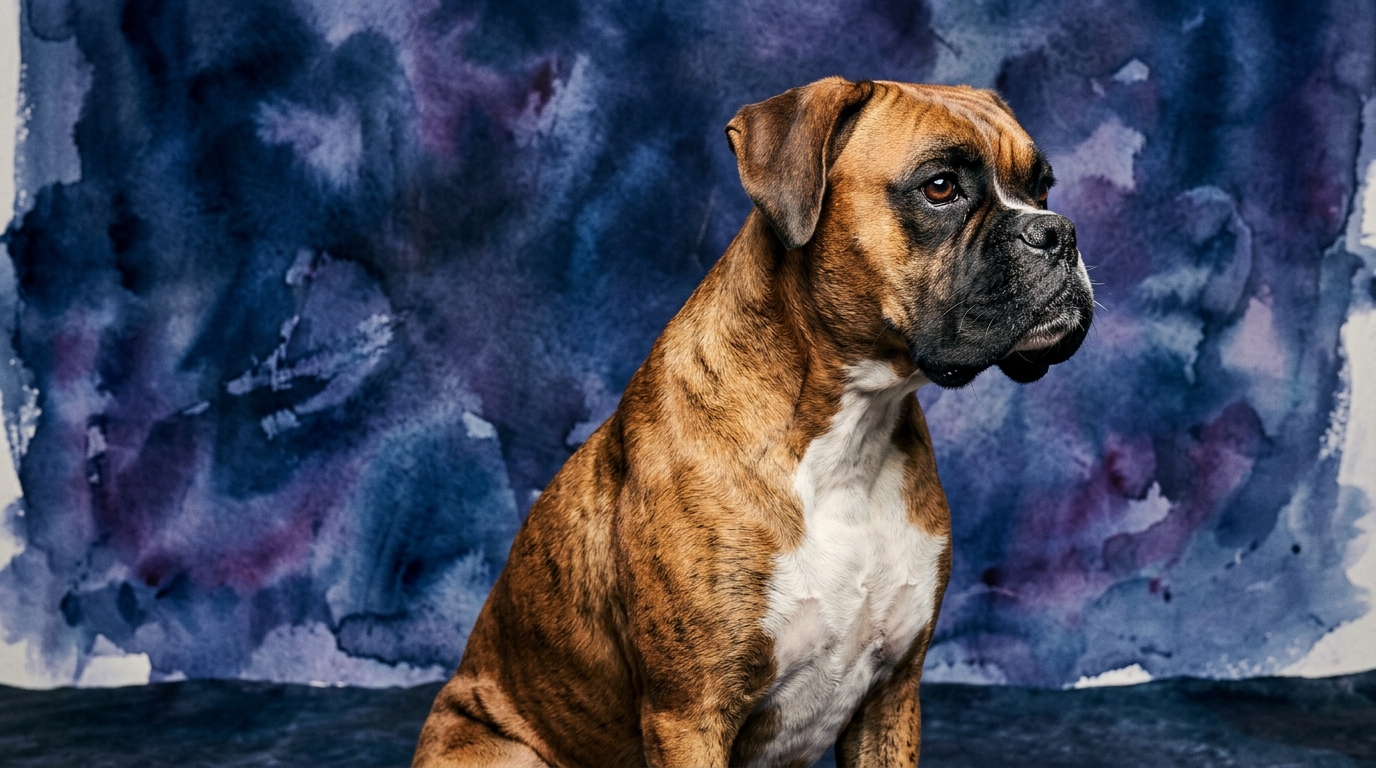
The Boxer, a Working group dog with a Coren rank of #48, presents a balanced yet socially focused cognitive profile. Their Problem Solving is rated 3/5, indicating a moderate capacity to figure out novel situations and overcome obstacles. Training Speed stands at 3/5, suggesting they learn new commands and routines at a respectable pace. Where Boxers truly shine is in Social Intelligence, earning a perfect 5/5; they are exceptionally attuned to human emotions and social cues, making them highly interactive companions. Their Instinctive Drive is 4/5, reflecting a strong inherent motivation for play, protection, and engagement, while Memory is 3/5, allowing for reliable recall of learned behaviors and associations.
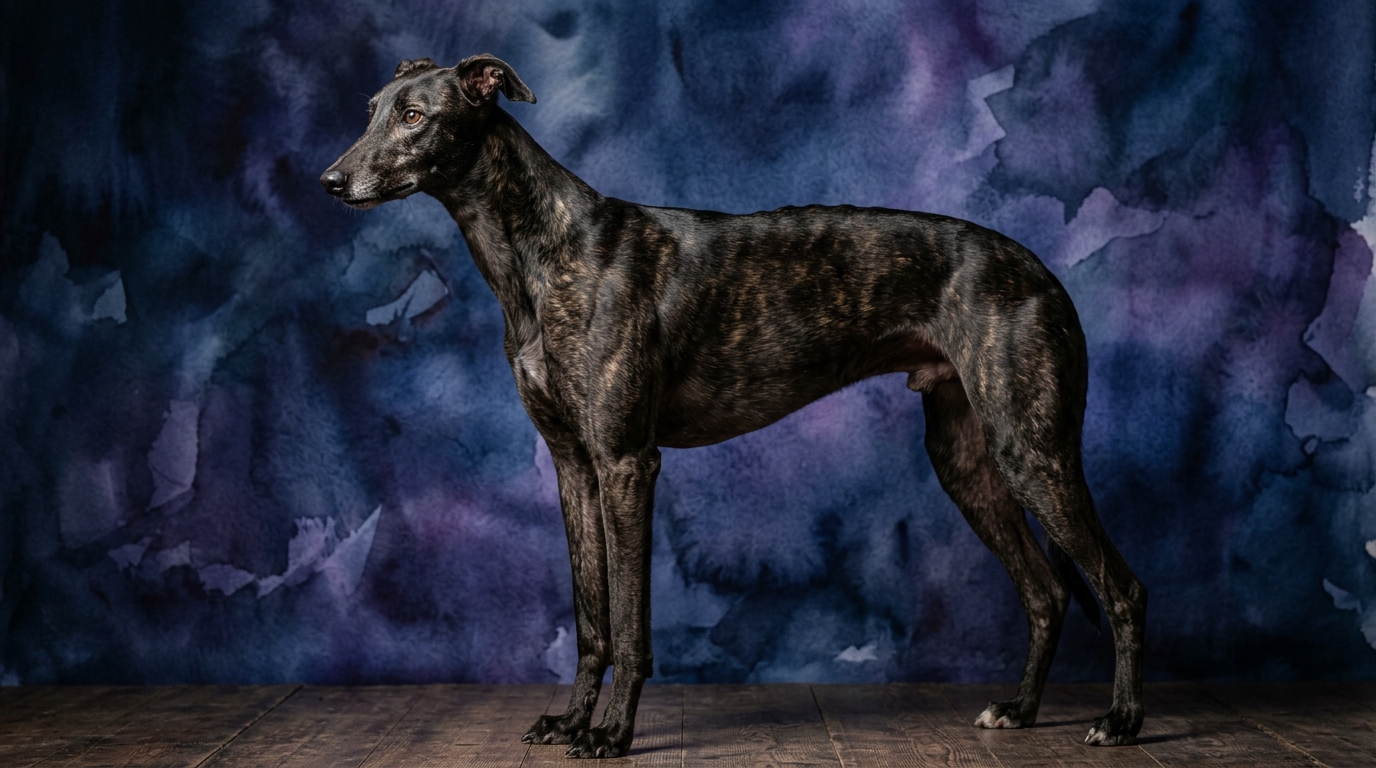
The Greyhound, a Hound group dog with a slightly higher Coren rank of #46, showcases a different set of cognitive strengths, primarily driven by their specialized heritage. Their Problem Solving also rates 3/5, indicating a comparable ability to navigate moderate mental challenges. However, their Training Speed is 2/5, meaning they typically require more repetition and patience to master new commands. Social Intelligence for the Greyhound is 3/5; while friendly and affectionate, they are generally less overtly focused on human interaction compared to Boxers. Their Instinctive Drive is a commanding 5/5, epitomizing their powerful prey drive and unmatched desire to chase. Memory for Greyhounds is also 3/5, ensuring they retain learned information consistently.
Where the Boxer Wins Cognitively
The Boxer's primary cognitive advantage lies in their exceptional Social Intelligence, scoring a perfect 5/5. This means they possess an inherent ability to read and respond to human emotions and intentions with remarkable accuracy. In a home environment, a Boxer is often more intuitive about their owner's mood, offering comfort or initiating play at appropriate times, making them deeply empathetic family members. This strong social acumen also contributes to their adaptability in varied social settings, allowing them to integrate smoothly into diverse family dynamics and interact appropriately with guests or children. Their 3/5 Training Speed, combined with this high social intelligence, means they are often more motivated by human approval and interaction, making them quicker to respond to social cues and cooperative learning efforts than their sighthound counterpart.
Where the Greyhound Wins Cognitively
The Greyhound's undeniable cognitive strength resides in their Instinctive Drive, achieving a top score of 5/5. This reflects a profound, innate compulsion for pursuit and speed, a specialization honed over centuries for coursing. While this drive translates to an immediate, powerful reaction to movement, it's a cognitive asset that defines their breed purpose and physical prowess. This extreme focus on the chase means that when a Greyhound's prey drive is activated, their cognitive resources are almost entirely dedicated to that single, compelling objective. This specialized drive, while needing careful management in domestic settings, represents a unique form of cognitive efficiency, allowing them to excel in bursts of high-speed activity and demonstrating a singular dedication to their inherent purpose.
Training Dynamics: Responsiveness vs. Independence
When it comes to ease of training, the Boxer generally holds an advantage due to their higher Training Speed (3/5) and superior Social Intelligence (5/5). Boxers are often eager to please and highly responsive to human feedback, making positive reinforcement a very effective tool. Their deep understanding of social cues means they are more likely to engage with their handler and actively participate in training sessions, viewing it as a cooperative activity. This responsiveness translates into a quicker grasp of commands and a greater desire to comply, even amidst distractions, because their social bond with their owner is a strong motivator.
Greyhounds, with a Training Speed of 2/5 and Social Intelligence of 3/5, tend to be more independent learners. While they are affectionate, their motivation often stems more from their own comfort or intrinsic reward rather than solely from human approval. Training a Greyhound typically requires greater patience, consistency, and a clear understanding of what motivates them, often food or short, engaging play sessions. Their powerful instinctive drive means that if a compelling chase opportunity arises, such as a squirrel darting across the yard, it can easily override their learned responses, necessitating robust recall training and secure environments.
Matching Canine Cognition to Owner Lifestyles
For active owners seeking a deeply interactive and engaged companion, the Boxer's cognitive profile is often a better fit. Their high social intelligence means they thrive on being an integral part of family activities, whether it's hiking, playing games, or simply lounging nearby. Their moderate problem-solving and training speed make them amenable to learning new tricks, participating in dog sports like agility, or even advanced obedience. They require consistent mental stimulation and social interaction to prevent boredom and channel their considerable energy and drive constructively, making them ideal for owners who enjoy daily engagement and varied routines.
Relaxed owners who appreciate a dog with bursts of intense activity followed by long periods of quiet contentment might find the Greyhound more suitable. While they possess an unparalleled instinctive drive for sprinting, Greyhounds are often known as '45 mph couch potatoes' in the home. Their lower social intelligence and training speed mean they may not constantly seek interaction or be as eager for complex mental tasks as a Boxer. They are content with their periods of intense exercise, followed by significant downtime, making them excellent companions for individuals or families who can provide a secure space for their sprints but also appreciate a calm, independent presence indoors. Owners must, however, be prepared to manage their powerful prey drive in public spaces.
The Verdict
Choose a Boxer if you seek a highly interactive, socially attuned companion eager to participate in family life and learn new skills with enthusiasm. They thrive on deep connection and varied engagement.
Opt for a Greyhound if you appreciate an independent, calm home presence punctuated by thrilling sprints, and are prepared to manage their powerful chase instinct responsibly. They offer a unique blend of athleticism and tranquility.
🧠 Find Your Pet's IQ Score
Our Pet IQ Lab assessment covers 25+ tests across 5 cognitive dimensions — personalized to your breed.
Take the Full IQ Test →Frequently Asked Questions
Are Boxers good at learning tricks?
Yes, Boxers possess a Problem Solving score of 3/5 and a Training Speed of 3/5, combined with high Social Intelligence. This makes them quite capable and often enthusiastic learners for various tricks and commands, especially when motivated by positive human interaction.
Do Greyhounds need a lot of mental stimulation?
Greyhounds require sufficient physical outlet for their powerful Instinctive Drive, but their need for constant, complex mental stimulation is generally lower than a Boxer's. They are often content with periods of rest and less intricate cognitive challenges in their daily routine, though basic training is still important.
Which breed is better with children?
Boxers, with their 5/5 Social Intelligence, are often highly adaptable and intuitive with family members, including children, making them excellent family dogs when properly socialized. Greyhounds are gentle and can be good with children, but their 3/5 Social Intelligence means they might be less overtly engaged or intuitive in social interactions compared to a Boxer, requiring more supervision with very young children.