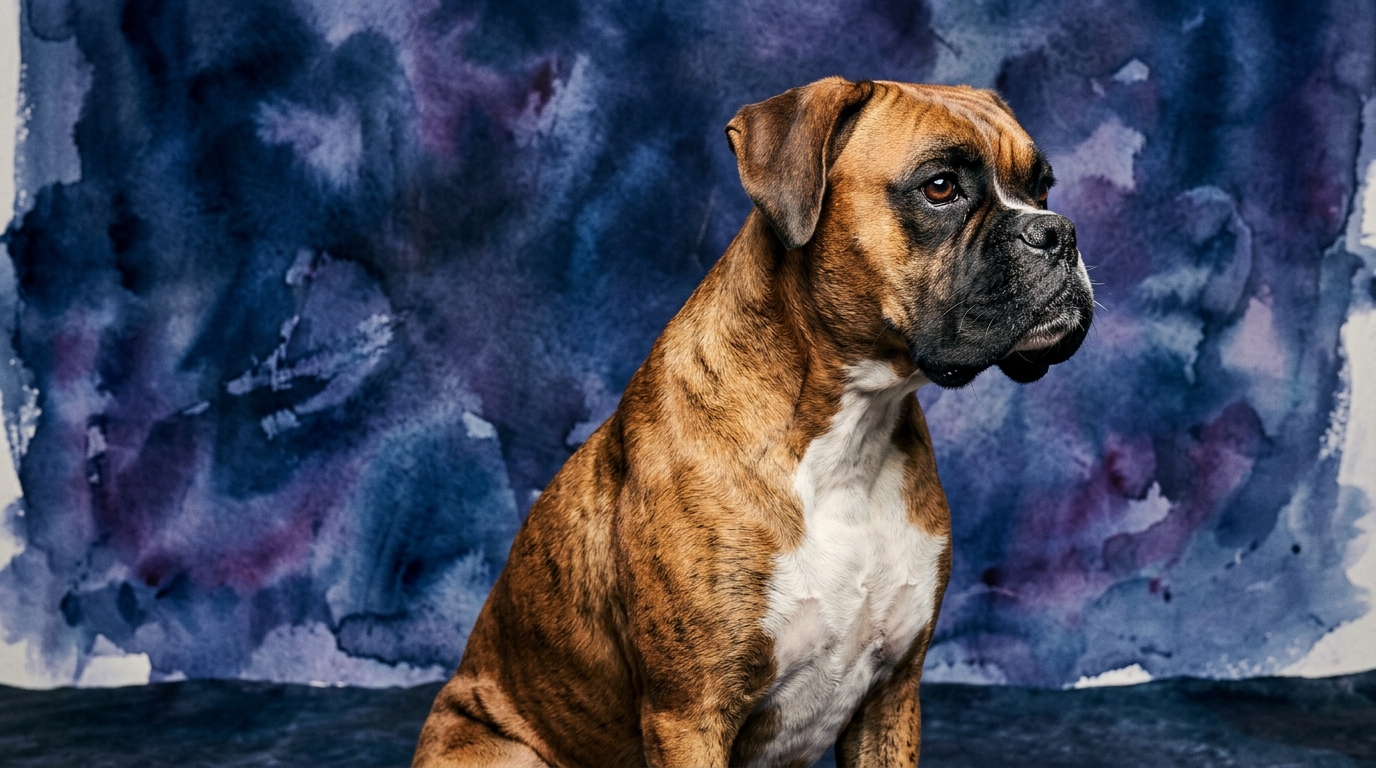
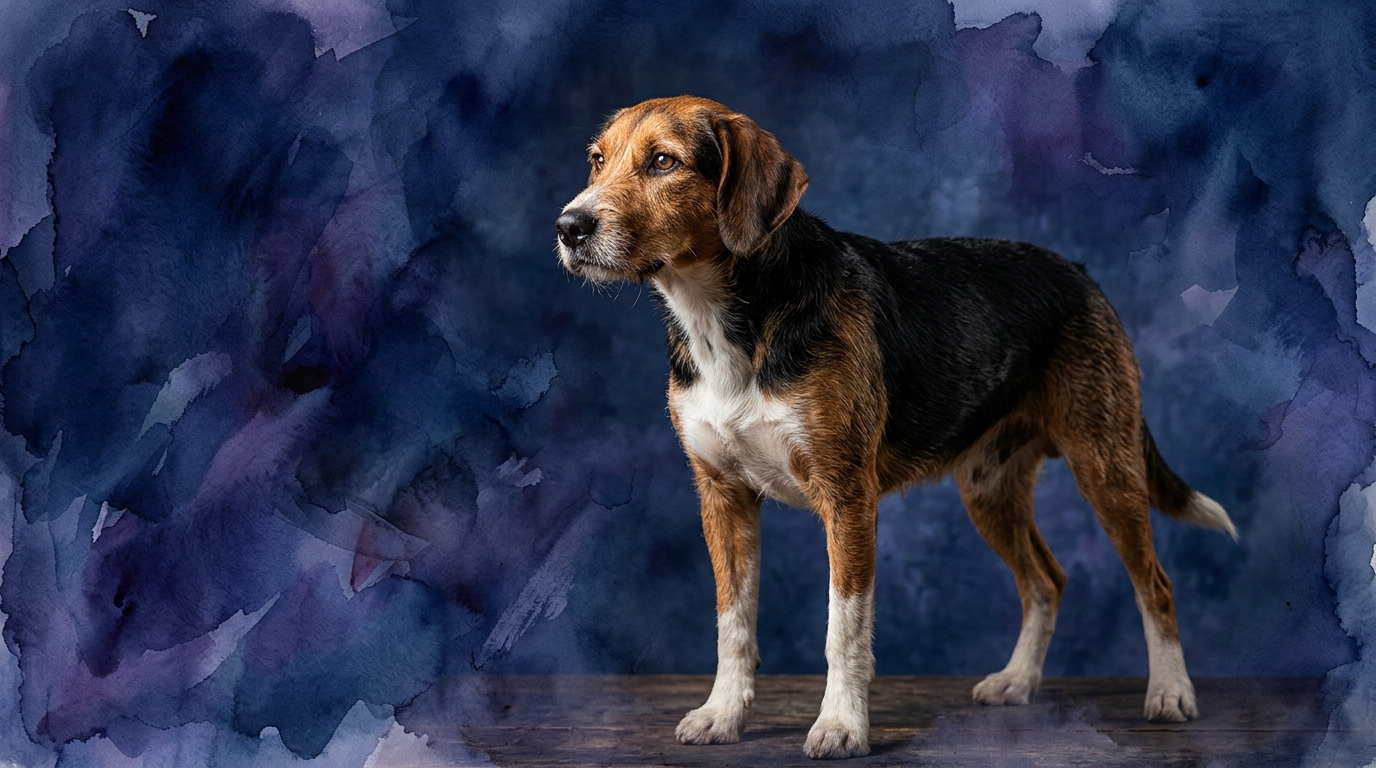
Side-by-Side IQ Profile: Boxer vs. Harrier
At The Cosmic Pet Pet IQ Lab, we evaluate canine intelligence across five key dimensions. For the Boxer, a Coren-ranked #48 Working breed, these scores reflect a balanced and socially-oriented intellect. Their Problem Solving is rated 3/5, indicating a practical capacity for navigating familiar challenges and learning established routines effectively. Training Speed also stands at 3/5; Boxers learn new commands at a moderate pace, often displaying an eagerness to please that can make them appear quicker, though consistent repetition is crucial for solidifying behaviors. Social Intelligence is a standout strength at 5/5, showcasing an exceptional ability to interpret human body language and emotional states, forming deep, empathetic connections. Their Instinctive Drive is 4/5, providing a strong internal motivation for engaging in tasks, while Memory is 3/5, demonstrating reliable retention of learned commands and experiences.
The Harrier, a traditional Hound breed not included in Coren's ranking, presents a cognitive profile profoundly shaped by its scent-hunting heritage. Harriers also score 3/5 for Problem Solving, but their intelligence is primarily honed for navigating complex outdoor environments and deciphering intricate scent trails independently. Their Training Speed is 3/5; they learn new behaviors at a moderate rate, though their independent nature often requires a more patient and persistent training approach. Social Intelligence is 3/5; while affectionate with family, their social focus leans more towards pack dynamics than nuanced human emotional understanding. Their Instinctive Drive is 3/5, overwhelmingly rooted in their profound scenting ability and enduring stamina for tracking. Finally, Memory is 3/5, commendable for routines and critically, for the intricacies of scent patterns and geographical layouts encountered during a chase.
Where the Boxer Wins Cognitively
Boxers possess a distinct cognitive advantage in social intelligence, scoring an impressive 5/5. This translates into a remarkable capacity for empathy and understanding of human emotional states, making them exceptionally intuitive and responsive companions. A Boxer often seems to 'read' its owner's mood, offering comfort or initiating play with uncanny timing, which fosters incredibly deep, reciprocal bonds. This profound social attunement means they excel in environments where close human interaction and understanding are paramount. Furthermore, their higher instinctive drive (4/5) compared to the Harrier means they are often more intrinsically motivated to engage in tasks that involve collaboration with their human partners. This combination of social aptitude and a strong drive to work alongside people makes Boxers particularly adept at activities requiring a close partnership, from advanced obedience to competitive dog sports, where their cognitive framework is designed for collaborative success.
Where the Harrier Wins Cognitively
While not outscoring the Boxer in general cognitive dimensions, the Harrier's intelligence offers unique strengths perfectly tailored to its purpose. Their problem-solving (3/5) and instinctive drive (3/5) are profoundly specialized for scent discrimination and relentless tracking, a cognitive niche where they excel. A Harrier demonstrates an unparalleled ability to analyze complex scent information, follow a faint trail over vast and varied terrains for extended periods, and make independent tactical decisions based purely on olfactory data. This sustained, single-minded focus on a scent, often overriding human directives, is a testament to their highly evolved cognitive specialization. Their memory (3/5), while numerically equivalent, is particularly acute for scent patterns and the geography of their hunting grounds, enabling them to re-engage with lost trails and recall successful hunting strategies with precision. This independent, scent-driven intellect represents a profound cognitive win for tasks demanding singular focus and olfactory mastery.
Which is Easier to Train and Why
Despite both breeds receiving a 3/5 for Training Speed, the Boxer is generally perceived as more straightforward to train, primarily due to its superior social intelligence (5/5) and higher instinctive drive (4/5). Boxers are inherently eager to please their human companions and derive significant motivation from social interaction and praise, making them highly attentive students. Their strong desire for connection translates into a greater willingness to engage in cooperative learning and follow human direction, facilitating smoother and often more rapid acquisition of commands. In stark contrast, the Harrier's social intelligence (3/5) is less human-centric, and their instinctive drive (3/5) is powerfully oriented towards independent scent work. While perfectly capable of learning, their independent nature and the overwhelming allure of olfactory stimuli mean Harriers often demand more patience, creative motivation, and persistent consistency from their trainers. A Harrier's natural inclination to prioritize a compelling scent over a recall command necessitates a dedicated and engaging training approach to overcome their hardwired hunting instincts.
Suitability for Active vs. Relaxed Owners
The Boxer, with its balanced instinctive drive (4/5) and exceptional social intelligence (5/5), aligns well with active owners who seek an interactive and engaged companion for outdoor adventures like hiking, jogging, or participation in dog sports. They thrive on having a 'job' and regular mental and physical stimulation alongside their human family, but their strong bond means they are often content to relax indoors once their needs are met, making them adaptable for owners with periods of high activity interspersed with quieter family time. The Harrier, conversely, with its specialized instinctive drive (3/5) for endurance and scent work, is unequivocally suited for highly active, dedicated owners. These dogs possess immense stamina and a relentless desire to follow their noses, demanding extensive daily exercise that frequently involves long runs, challenging hikes, or participation in scent work and tracking sports. A less active owner will quickly encounter challenges, as the Harrier's profound and persistent independent drive for exploration and scenting requires consistent, robust outlets to prevent frustration and undesirable behaviors.
The Verdict
Choose a Boxer if you desire a deeply socially intelligent companion, eager to partner in activities and profoundly attuned to your emotions, thriving on collaborative engagement and a balanced active lifestyle.
Choose a Harrier if you are a highly active, dedicated owner prepared to channel a profound, independent scenting drive into extensive daily exercise and specialized activities, appreciating a dog whose cognitive strength lies in its relentless, focused pursuit of scent.
🧠 Find Your Pet's IQ Score
Our Pet IQ Lab assessment covers 25+ tests across 5 cognitive dimensions — personalized to your breed.
Take the Full IQ Test →Frequently Asked Questions
How does the Boxer's social intelligence impact its behavior with children?
A Boxer's 5/5 social intelligence often translates into a patient, protective, and highly intuitive demeanor with children, making them exceptional family dogs. They are generally adept at understanding the boundaries and playful energy of younger family members, forming strong, gentle, and responsive bonds within the household.
Can a Harrier be trained for non-hunting tasks, given its strong scent drive?
Absolutely. While their instinctive drive is powerful and primarily scent-focused, Harriers can be successfully trained for various non-hunting tasks, particularly those that engage their superior olfactory senses, such as scent detection work, competitive tracking, or even advanced obedience with consistent, highly motivating methods.
What kind of mental enrichment is best for each breed based on their IQ profiles?
For a Boxer, mental enrichment should focus on interactive puzzles, advanced obedience training, and games that reinforce their strong social bond, leveraging their high social intelligence and desire to please. For a Harrier, activities that stimulate their powerful nose, like advanced scent games, tracking exercises, and exploring new, scent-rich environments, are paramount to satisfying their specialized cognitive needs and preventing boredom.