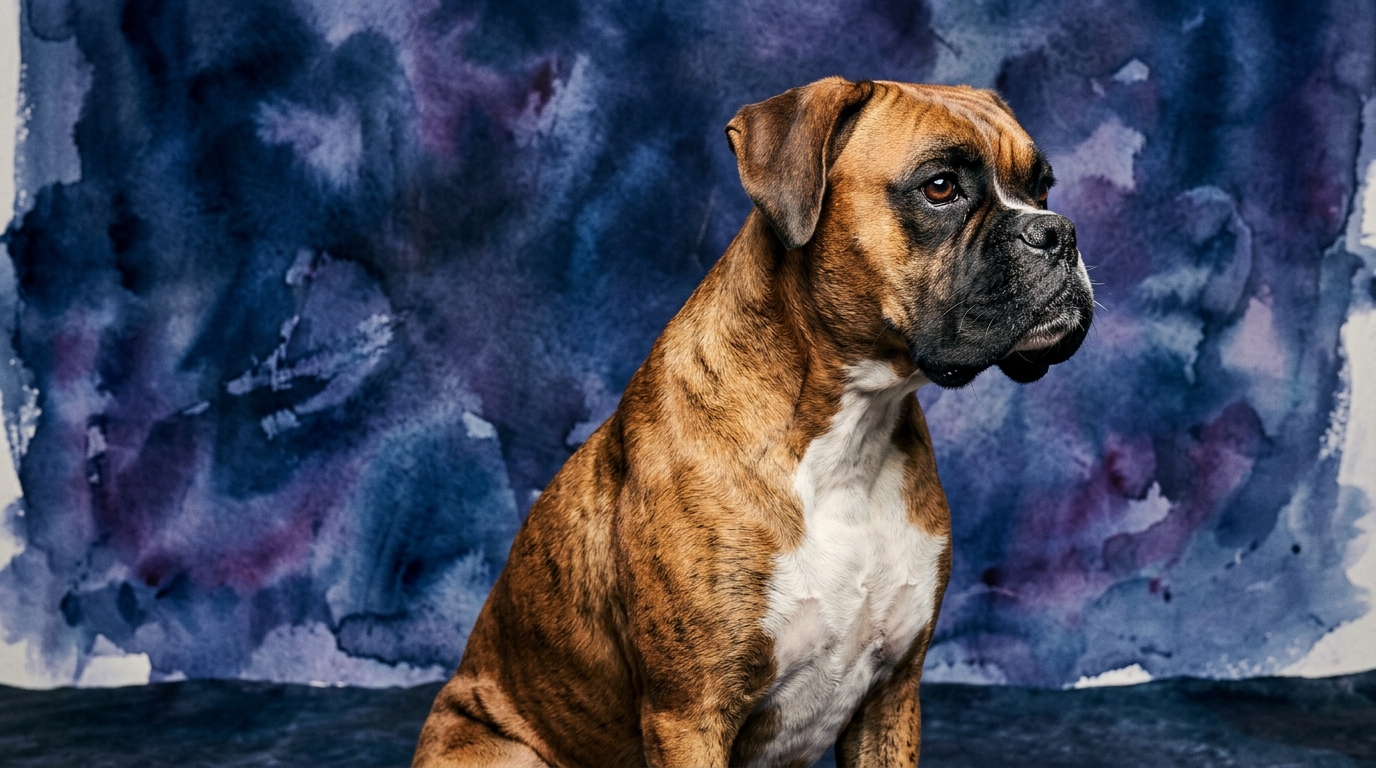
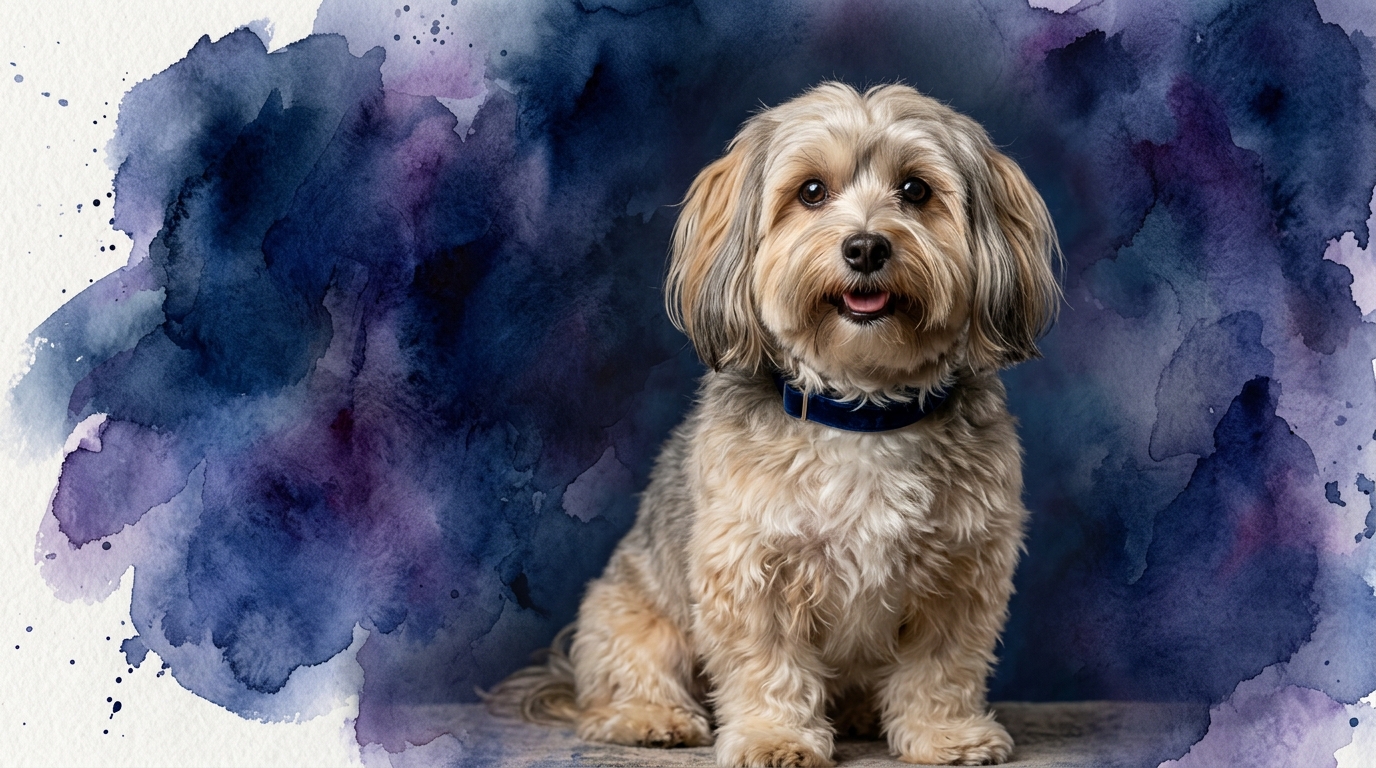
Side-by-Side IQ Profile: Boxer vs Havanese
The Boxer, a robust member of the Working Group, presents a distinct cognitive profile according to The Cosmic Pet's IQ Lab. Their Problem Solving ability is rated 3/5, indicating they can navigate challenges and learn solutions, though often preferring direct action over intricate thought. This means they'll learn to open a simple latch with practice, but might not devise a complex strategy for a multi-stage puzzle on their first attempt. Their Training Speed is also 3/5; while they absorb commands, their energetic nature and occasional stubborn streak necessitate patient, consistent, and engaging training methods to maintain their focus. Where Boxers truly shine is in Social Intelligence, scoring a perfect 5/5. They are profoundly attuned to human emotions and intentions, forming deep, empathetic bonds with their families and often demonstrating a remarkable ability to read the room. Their Instinctive Drive is a strong 4/5, reflecting their heritage as working dogs with a clear purpose; this translates to a natural inclination for guarding, chasing, and vigorous play. Finally, their Memory is 3/5, suggesting they retain learned behaviors and routines effectively with regular reinforcement, but may not have photographic recall for infrequent tasks.
In contrast, the Havanese, a charming Toy Group companion, exhibits a cognitive makeup that emphasizes different strengths. Their Problem Solving ability matches the Boxer at 3/5; they are capable of learning how to manipulate objects or navigate small obstacles through repetition and observation, but are not typically known for groundbreaking ingenuity in novel situations. Their Training Speed also stands at 3/5, indicating a moderate pace of learning. While often eager to please and less physically imposing, they still require consistency and positive reinforcement to solidify commands and behaviors. The Havanese also scores a stellar 5/5 in Social Intelligence, making them exceptionally responsive and sensitive companions. They are highly adept at understanding human moods and desires, often anticipating needs and seeking to integrate themselves seamlessly into family life, earning them the moniker "velcro dog." Their Instinctive Drive, however, is a lower 2/5. This means they possess less intense prey drive or guarding tendencies, generally preferring companionship over independent "work" or vigorous outdoor pursuits. Their Memory is 3/5, allowing them to remember routines and commands reliably when consistently practiced within their home environment.
Where the Boxer Wins Cognitively
The Boxer's cognitive edge largely stems from its robust Instinctive Drive (4/5) and the physical tenacity that often accompanies it. This translates into a sustained, focused motivation for tasks requiring endurance, such as prolonged scent tracking, repetitive retrieving games, or structured protection work. A Boxer isn't just playing fetch; they're engaging their innate drive to pursue and bring back, often with an intensity and stamina that a Havanese simply doesn't possess. This drive, when properly channeled, makes them formidable partners in activities demanding consistent effort and purpose, allowing them to push through mental and physical fatigue towards a goal.
Furthermore, while their Problem Solving score is shared, the Boxer's physical capabilities often grant them a different approach to obstacles. Faced with a physical barrier, a Boxer is more likely to leverage its strength and determination to push, dig, or jump over it, rather than seeking a purely intellectual solution. This "can-do" physical problem-solving, rooted in their working heritage, means they can overcome environmental challenges through sheer force of will and body, a trait less pronounced in the more delicate Havanese. This tenacity can be an asset in certain scenarios, like navigating complex outdoor environments or retrieving objects from challenging locations.
Where the Havanese Wins Cognitively
The Havanese's distinct advantage lies in its remarkably low Instinctive Drive (2/5), which paradoxically becomes a cognitive strength in specific contexts. This lower drive means they are less prone to exhibiting behaviors driven by strong prey instincts, territorial urges, or independent "work" ethics that often require significant management in other breeds. A Havanese is generally content with a less structured environment and fewer "jobs" to perform, making them exceptionally adaptable to diverse living situations, particularly urban apartments, without the same risk of boredom-induced destructive behaviors or constant need for intense mental stimulation as a high-drive dog.
Additionally, while both breeds score 5/5 in Social Intelligence, the Havanese's role as a dedicated companion dog has refined this trait in a unique way. Their smaller stature and history of close human proximity often cultivate an exquisite sensitivity to the most subtle shifts in human emotion and body language. They might pick up on a slight sigh or a change in facial expression and respond with comforting nuzzles or playful antics, demonstrating an almost intuitive understanding of their owner's inner state. This fine-tuned social radar makes them exceptionally empathetic companions, often appearing to anticipate needs before they are even verbally expressed.
Which is Easier to Train and Why?
Both Boxers and Havanese share a 3/5 score in Training Speed, suggesting they learn commands at a moderate pace, yet the *experience* of training them can differ significantly due to their other cognitive and behavioral traits. For the Boxer, training often requires an owner who can match their robust energy and channel their 4/5 Instinctive Drive. Their high play drive and potential for exuberance mean that sessions need to be highly engaging, consistent, and often incorporate movement to maintain their focus. Distractions in the environment can easily pull a Boxer's attention, demanding a more structured and patient approach to solidify learned behaviors. Their protective instincts, if not properly guided, can also lead to reactivity that requires careful behavioral modification.
Conversely, the Havanese, with its lower 2/5 Instinctive Drive, generally presents fewer challenges related to overwhelming environmental distractions or ingrained working urges. While they learn at a similar pace, their inherent desire for companionship (5/5 Social Intelligence) and their smaller, more manageable physical presence can make the training process feel smoother for many owners. They are typically eager to please and respond well to positive reinforcement, thriving on the one-on-one attention that training provides. However, their small size and sometimes sensitive nature mean that house training can occasionally be a prolonged effort, as they may prefer the comfort of indoors over venturing out in less-than-ideal weather, requiring meticulous consistency from their human.
Suitability for Active vs. Relaxed Owners
The Boxer, with its substantial 4/5 Instinctive Drive and energetic disposition, is an ideal match for active owners who relish outdoor adventures and structured engagement. These dogs thrive on consistent, vigorous exercise, whether it's long runs, challenging hikes, or participation in dog sports like agility or obedience trials. Their robust physical capabilities demand an owner who can reliably provide outlets for their boundless energy and innate desire to "work," preventing boredom and potential destructive behaviors. A Boxer needs more than just a walk around the block; they require an active lifestyle partner who embraces their zest for life and provides ample opportunities for both physical exertion and mental stimulation.
In stark contrast, the Havanese, with its modest 2/5 Instinctive Drive and profound 5/5 Social Intelligence, is perfectly suited for more relaxed owners seeking a devoted, adaptable companion. While they certainly enjoy daily walks and gentle play, their exercise requirements are significantly lower than a Boxer's, making them excellent choices for apartment dwellers or individuals with a less strenuous lifestyle. Their primary need is consistent human companionship and interaction; they are content to be a shadow, following their owner from room to room, or cuddling on the couch. This breed excels in environments where close social bonds are prioritized over intense physical demands, offering unwavering affection and a calm presence.
The Verdict
Opt for a Boxer if you lead an active lifestyle, are prepared for consistent, engaging training, and desire a loyal, protective companion who will thrive on vigorous physical and mental challenges.
Select a Havanese if you seek a highly social, adaptable companion for a more relaxed home environment, valuing close companionship and manageable exercise needs above intense physical activity.
🧠 Find Your Pet's IQ Score
Our Pet IQ Lab assessment covers 25+ tests across 5 cognitive dimensions — personalized to your breed.
Take the Full IQ Test →Frequently Asked Questions
Do Boxers and Havanese learn tricks at the same rate?
While both breeds score 3/5 in training speed, the Havanese might *appear* to learn quicker in a home setting due to their eagerness to please and less distracting instinctive drives. Boxers can learn complex tricks but often require more structured, high-energy sessions to maintain focus.
Which breed is more likely to excel in dog sports?
Boxers, with their 4/5 instinctive drive and robust physique, are generally better suited for high-impact dog sports like agility, obedience, or protection work, where endurance and focused drive are crucial. Havanese can participate in lower-impact activities like rally or trick training, but their lower drive makes them less inclined towards intense athletic competition.
Does the Coren ranking difference impact their daily life significantly?
The Boxer's Coren rank of #48 places them in the "average working/obedience intelligence" category, suggesting a solid baseline for learning. The Havanese not being ranked doesn't imply lower intelligence, but rather that they weren't extensively represented in those specific obedience trials; their high social intelligence and problem-solving abilities (both 3/5) still make them capable, adaptable companions in a home environment.