Side-by-Side IQ Profile: Boxer vs. Irish Terrier
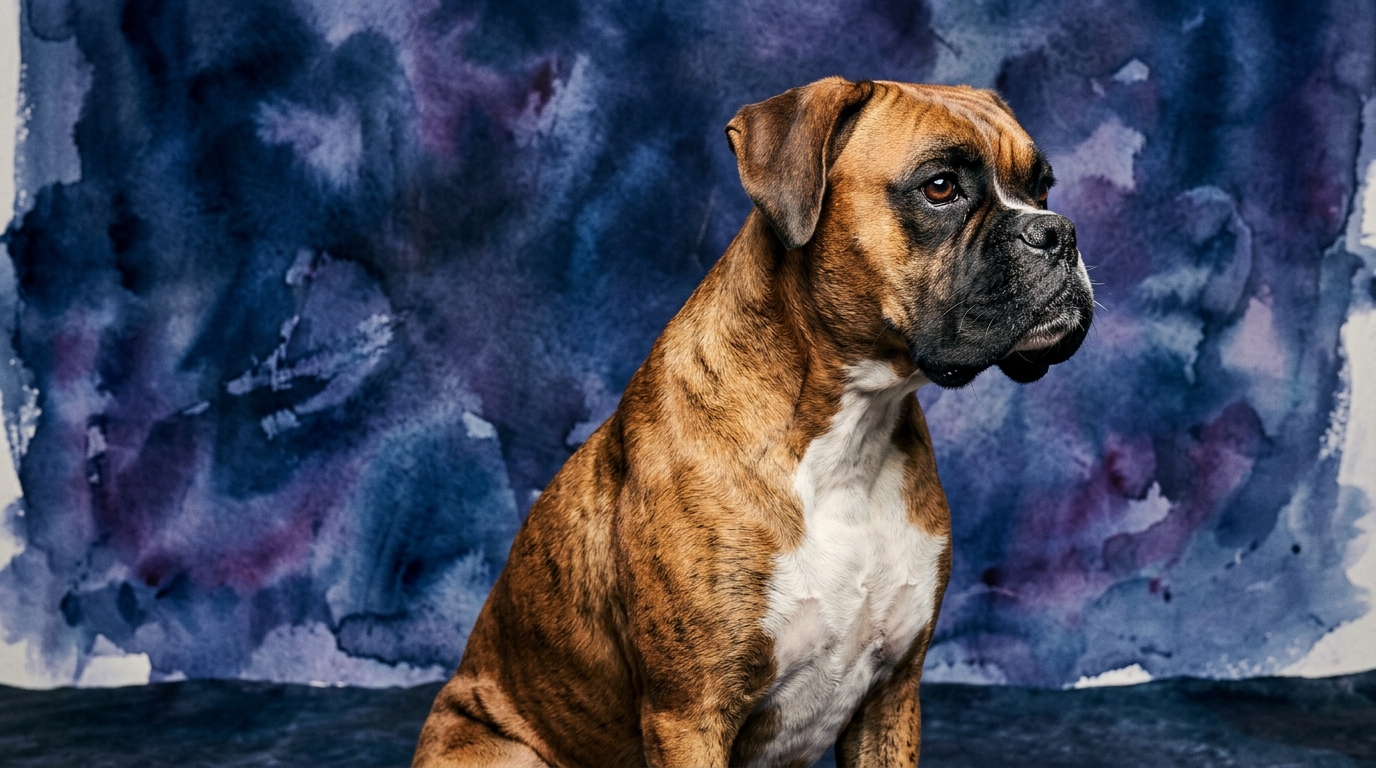
The Boxer, a robust member of the Working Group, registers at Coren rank #48, indicating a solid capacity for learning and obedience. Our IQ Lab data reveals a Problem Solving score of 3/5, suggesting they can navigate moderately complex challenges with some persistence, often relying on learned patterns rather than novel solutions. Their Training Speed also stands at 3/5, meaning they grasp new commands at an average pace, requiring consistent and engaging methods to maintain focus.
Where the Boxer truly stands out is in Social Intelligence, scoring an impressive 5/5. This reflects an exceptional ability to understand human cues, emotional states, and social hierarchies, making them highly attuned companions. Their Instinctive Drive is rated 4/5, indicative of their historical roles in guarding and working, manifesting as a strong desire to engage in purposeful activities. Memory, at 3/5, suggests they retain learned information adequately, benefiting from regular reinforcement.
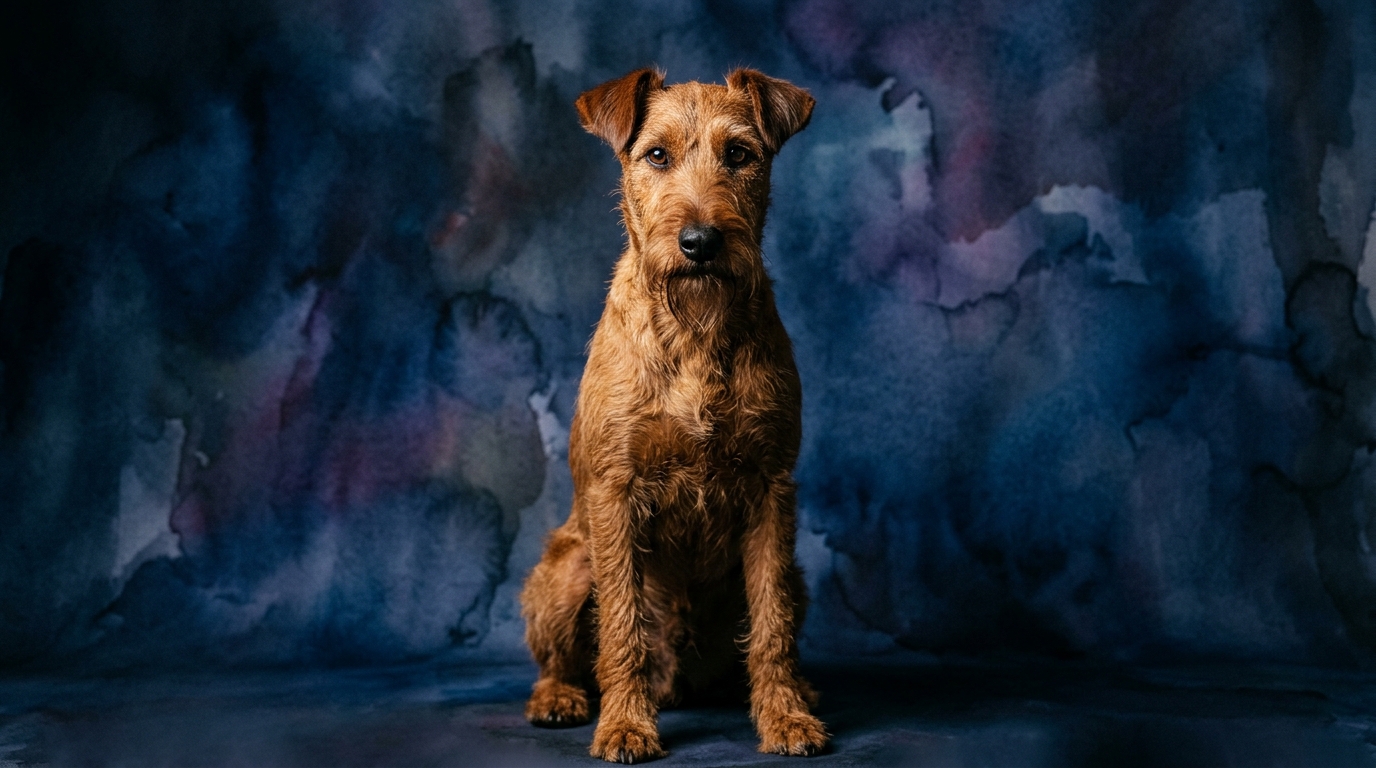
The Irish Terrier, a spirited representative of the Terrier Group, is not listed on Coren's traditional ranking, but our IQ Lab provides a clear cognitive blueprint. They share the Boxer's Problem Solving score of 3/5, demonstrating an average capacity to work through obstacles, though often with a characteristic terrier independent streak that can influence their approach. Their Training Speed also aligns at 3/5, implying they can pick up new tasks, but their independent nature might necessitate more patience and creative reinforcement strategies.
In contrast to the Boxer, the Irish Terrier scores 3/5 in Social Intelligence, indicating a competent but less overtly people-focused understanding of social dynamics. While affectionate, they might not be as keenly attuned to subtle human emotions or social expectations as a Boxer. Their Instinctive Drive is 3/5, reflecting a moderate prey drive and typical terrier tenacity, geared towards independent exploration and hunting. Memory, like the Boxer, is 3/5, suggesting a reliable ability to recall learned behaviors and experiences over time.
Where the Boxer Wins Cognitively
The Boxer's clear cognitive advantage lies in its profound Social Intelligence, marked at 5/5 compared to the Irish Terrier's 3/5. This isn't merely about being 'friendly'; it signifies a deeper, more nuanced understanding of human communication, emotional states, and social structures within a household. A Boxer is often more adept at reading its owner's mood, anticipating commands based on body language, and seamlessly integrating into a family's daily rhythm, often seeking out and thriving on human interaction and approval. This heightened social awareness contributes significantly to their role as empathetic companions and effective working partners.
Furthermore, the Boxer's Instinctive Drive, rated 4/5 against the Irish Terrier's 3/5, gives it an edge in tasks requiring sustained purpose and collaboration. This drive, rooted in their working heritage, translates into a greater intrinsic motivation to perform tasks for a handler, whether it's protection, sports, or complex obedience sequences. Their drive is often channeled towards cooperative goals, making them more inclined to engage in structured activities that involve a human partner.
Where the Irish Terrier Wins Cognitively
While the Irish Terrier doesn't outscore the Boxer in any single category, its cognitive profile, particularly its balanced scores across the board, speaks to a distinct advantage in adaptability and self-reliance within its own domain. Their 3/5 for Instinctive Drive, while lower than the Boxer's, is perfectly suited to their terrier heritage of independent hunting and problem-solving without constant human direction. This means they are often more self-sufficient in navigating their environment and pursuing their own interests, rather than constantly seeking human guidance or approval for motivation.
Their moderate Social Intelligence (3/5) coupled with average Problem Solving (3/5) means they possess sufficient cognitive tools to thrive in environments where they are expected to make independent decisions. They may not be as 'tuned in' to human emotions, but this can translate into a robust psychological resilience, less prone to anxiety from subtle human stress or changes in routine. They are capable of assessing situations and acting with a degree of independence that might challenge a more socially dependent Boxer.
Which is Easier to Train and Why
When considering ease of training, the Boxer generally presents a smoother path due to its exceptional Social Intelligence and higher Instinctive Drive. Their 5/5 Social Intelligence means they are inherently motivated to please their human companions and are quicker to understand what is being asked of them through subtle cues, not just verbal commands. This deep desire for connection and cooperation translates into a more willing student, eager to engage in training sessions that reinforce their bond with their owner. Their 4/5 Instinctive Drive further supports training, as they possess a natural inclination for purposeful activity, making them receptive to tasks that provide mental stimulation and a sense of 'job' completion.
The Irish Terrier, with its 3/5 in both Training Speed and Social Intelligence, requires a different approach. While capable of learning, their independent terrier spirit means they are less inherently driven by human approval and more by their own motivations. Training an Irish Terrier often involves more creativity, patience, and making the training feel like a game or a challenge they choose to engage with, rather than a command to be obeyed. Their more moderate instinctive drive is often channeled into self-directed exploration or prey drive, which can sometimes divert their attention from formal training unless it is made exceptionally rewarding and engaging for them.
Which Suits Active Owners vs. Relaxed Owners
For active owners seeking a highly engaged and cooperative partner in their adventures, the Boxer is often an ideal match. Their 4/5 Instinctive Drive means they thrive on structured activities, whether it's advanced obedience, agility, or long hikes, where they can work alongside their human. Their strong social intelligence makes them excellent companions for family outings, always keen to participate and connect. They require consistent physical and mental engagement to prevent boredom, making them suited for owners who enjoy integrating their dog into a dynamic lifestyle.
The Irish Terrier, while certainly an active breed, suits owners who appreciate a dog with a more independent and spirited approach to activity. Their 3/5 Instinctive Drive means they enjoy exploration and physical exercise, but they might be content with self-directed play or shorter, more intense bursts of activity, rather than prolonged, cooperative tasks. They can be excellent companions for owners who enjoy outdoor pursuits but also value a dog that can entertain itself or explore independently, without constantly needing human direction. Their resilience and self-reliance make them a good fit for those who prefer a dog with a robust, less overtly needy personality.
The Verdict
Choose a Boxer if you desire a deeply socially intelligent companion, eager to engage in cooperative activities and highly attuned to your emotional state, thriving on shared purpose and connection.
Opt for an Irish Terrier if you appreciate a spirited, self-reliant companion with a robust, independent streak, capable of entertaining itself and navigating the world with charming tenacity.
🧠 Find Your Pet's IQ Score
Our Pet IQ Lab assessment covers 25+ tests across 5 cognitive dimensions — personalized to your breed.
Take the Full IQ Test →Frequently Asked Questions
Do Boxers need a lot of mental stimulation?
Yes, Boxers, with their 4/5 Instinctive Drive and 3/5 Problem Solving, benefit significantly from mental engagement. Their desire for purposeful activity means puzzles, training games, and consistent learning opportunities are crucial to keep their minds occupied and prevent boredom-related behaviors.
Are Irish Terriers good with other pets?
Irish Terriers, having a 3/5 Social Intelligence and 3/5 Instinctive Drive, can coexist with other pets, especially if socialized from a young age. However, their terrier instincts mean they might have a higher prey drive towards smaller animals, so careful introductions and supervision are always recommended.
How does Coren's ranking relate to the IQ Lab scores?
Coren's ranking primarily assesses 'working and obedience intelligence' based on training speed and command retention, which aligns with our 'Training Speed' dimension. The Cosmic Pet IQ Lab offers a broader, multi-dimensional view, including aspects like Social Intelligence and Instinctive Drive, providing a more holistic cognitive profile beyond just trainability.