
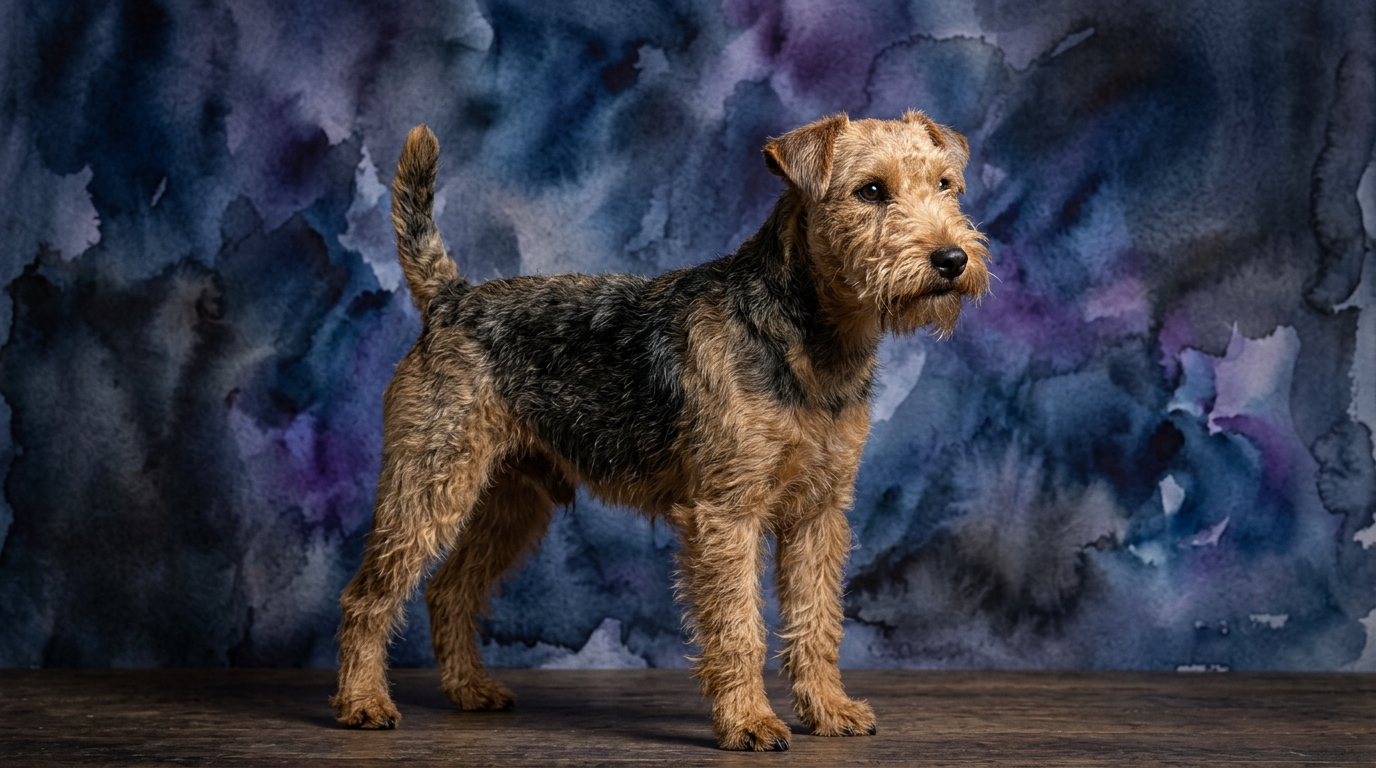
Side-by-Side Cognitive Profiles: Boxer vs. Lakeland Terrier
To understand the unique intellectual landscape of these two breeds, The Cosmic Pet Pet IQ Lab employs five key dimensions of canine intelligence. These dimensions provide a nuanced view beyond simple obedience, exploring how each dog perceives, learns, and interacts with its world.
**Boxer (Working Group, Coren Rank #48):** This breed’s cognitive makeup reflects its historical role as a companion and protector, emphasizing interaction and physical engagement.
**Problem Solving (3/5):** Boxers demonstrate a moderate capacity for navigating novel situations and figuring out solutions, often relying on their physical prowess and social cues rather than complex strategic thinking. Their approach to challenges is typically direct and energetic.
**Training Speed (3/5):** These dogs possess a moderate aptitude for learning new commands and routines, often requiring consistent, positive reinforcement to solidify behaviors. Their enthusiasm can be a distraction, yet their desire to please aids the process.
**Social Intelligence (5/5):** A standout trait, Boxers excel in understanding human emotions and social dynamics, making them highly attuned to their family's moods and intentions. This exceptional social awareness contributes to their strong bond with owners and their ability to integrate seamlessly into family life.
**Instinctive Drive (4/5):** With a significant drive to protect and engage, Boxers exhibit strong natural instincts for guardianship and play. This translates into a powerful motivation for activities that align with their inherent desires for interaction and physical exertion.
**Memory (3/5):** Boxers have a solid, average memory for learned tasks and social interactions, capable of retaining commands and routines over time with regular reinforcement. Their recall of past experiences is reliable, though not extraordinarily detailed.
**Lakeland Terrier (Terrier Group, Not Coren-ranked):** The Lakeland Terrier’s cognitive profile is shaped by its heritage as a small game hunter, highlighting independence and tenacity.
**Problem Solving (3/5):** Lakelands show a moderate ability to tackle new problems, often employing a tenacious and persistent approach. Their solutions tend to be practical and rooted in their independent nature, rather than seeking human assistance immediately.
**Training Speed (3/5):** Similar to Boxers, Lakelands learn at a moderate pace, requiring patience and a consistent training regimen. Their independent streak can make them appear less eager, demanding engaging methods to capture their attention.
**Social Intelligence (3/5):** Lakelands possess a moderate understanding of social cues, capable of forming strong bonds with their primary caregivers but often displaying a more reserved or selective approach to strangers and other animals. Their social interactions are typically direct and less effusive than some breeds.
**Instinctive Drive (3/5):** Bred for hunting small game, Lakelands exhibit a moderate, yet focused, instinctive drive for chasing and exploring. This manifests as a keen interest in scents and movement, driving independent explorations.
**Memory (3/5):** Lakelands have a reliable, average memory for commands, routines, and significant events, which supports their ability to retain training and navigate their environment. Consistent review solidifies learning.
Where the Boxer Shows Cognitive Advantage
The Boxer's most pronounced cognitive advantage lies in its exceptional Social Intelligence, scoring a perfect 5/5. This isn't merely about friendliness; it's a deep-seated capacity to interpret and respond to human emotions, intentions, and body language with remarkable accuracy. A Boxer can often anticipate an owner's mood, offering comfort or initiating play at just the right moment, demonstrating a sophisticated understanding of interpersonal dynamics. This high social acumen makes them incredibly responsive to training methods that leverage positive reinforcement and human connection, as they genuinely thrive on cooperative interaction and approval. Their strong Instinctive Drive (4/5) also contributes to this advantage, manifesting as a profound desire to engage with and protect their human family. This drive isn't just about physical activity; it underpins their dedication to 'working' alongside their owners, whether that's through obedience, sport, or simply being a vigilant companion. In a multi-dog household, their social intelligence often allows them to navigate complex pack dynamics with relative ease, fostering harmony through their innate understanding of social hierarchy and play etiquette. Highly adaptable to varied social settings, they are always attuned to the human element.
Where the Lakeland Terrier Excels Cognitively
While the Lakeland Terrier's individual scores might not outshine the Boxer's in sheer numerical terms, their cognitive strengths are profoundly shaped by their terrier heritage, manifesting in a unique blend of tenacity and independent problem-solving. Their Problem Solving score of 3/5, combined with their Instinctive Drive of 3/5, paints a picture of a dog that, when faced with a challenge, prefers to meticulously work through it on its own terms. Unlike the Boxer, who might look to an owner for guidance, the Lakeland is more inclined to persist with a task, driven by an innate curiosity and a strong sense of purpose, particularly when it involves exploring or 'hunting' in their environment. This isn't just about physical digging; it extends to figuring out how to access a hidden toy or navigate a new scent trail with unwavering focus. Their moderate Social Intelligence (3/5) means they are less swayed by external social pressures, allowing them to maintain concentration on a task even in distracting environments. This independent cognitive style, while sometimes perceived as stubbornness in training, is a significant asset for owners who appreciate a dog with self-directed initiative and a robust, unyielding spirit in tackling environmental puzzles. Their memory, while average, retains intricate details of investigative exploits.
Training Aptitude: Which Breed Offers an Easier Path?
When considering ease of training, the Boxer generally presents a more straightforward path for the average owner, primarily due to their superior Social Intelligence (5/5). Boxers inherently crave human interaction and approval, making them highly motivated by praise, play, and positive reinforcement from their owners. This strong desire to please translates into a greater willingness to comply with commands and a faster uptake of new behaviors when the training is framed as a cooperative activity. Their moderate Training Speed (3/5) is bolstered by social acumen; they actively try to understand human cues, making communication clearer.
In contrast, the Lakeland Terrier, also with a 3/5 Training Speed, often requires a different approach. Their Instinctive Drive (3/5) and more independent nature mean they are less inherently focused on pleasing their owner and more driven by their own internal motivations, such as exploring scents or pursuing perceived prey. This independence, while a cognitive strength for self-directed tasks, can manifest as selective hearing during training sessions. Lakelands thrive on engaging, varied training that appeals to their natural curiosity and desire to work, often requiring owners to be more creative and persistent in making training sessions rewarding and stimulating. While both breeds benefit from consistency, the Boxer's inherent social eagerness often leads to quicker and more enthusiastic responses to standard obedience commands, while the Lakeland demands a trainer who can cleverly harness their tenacious spirit.
Matching Breeds to Owner Lifestyles
The Boxer, with its robust Instinctive Drive (4/5) and moderate Problem Solving (3/5), is a natural fit for active owners who can channel their boundless energy and playful spirit into structured activities. These dogs thrive on regular physical exercise such as brisk walks, runs, and interactive games, which also provide mental stimulation. Their high Social Intelligence (5/5) means they excel in activities that involve their human family, from agility and obedience trials to simply accompanying owners on outdoor adventures. Boxers are not content to be couch potatoes; they need outlets for physical and cognitive energy, ideal for active individuals or families wanting a dog deeply involved in routines.
The Lakeland Terrier, while possessing an Instinctive Drive (3/5) that necessitates regular exercise, can potentially suit a slightly broader range of owners, including those who appreciate a dog with periods of intense activity interspersed with independent downtime. Their moderate social intelligence (3/5) means they can be content with less constant human-centric interaction than a Boxer, provided their needs for exploration and mental engagement are met. They are excellent companions for owners who enjoy structured walks, puzzle toys, and allowing their dog to engage in supervised 'terrier work' like digging in a designated area or scent games. While they need activity, their independent streak means they might be less demanding of constant human-initiated play than a Boxer, making them suitable for active owners who also value a dog capable of entertaining itself for periods, perhaps through exploring a secure yard or solving a treat puzzle. A truly relaxed owner might struggle with either, but the Boxer's intense social needs make it less forgiving of a purely relaxed lifestyle.
The Verdict
Opt for a Boxer if you desire a highly social, demonstrably affectionate companion who thrives on deep human connection, actively participates in family life, and will eagerly engage in cooperative training and energetic play.
Select a Lakeland Terrier if you appreciate an independent, tenacious companion with a strong will, a keen investigative mind, and a preference for self-directed problem-solving, provided you can offer consistent, engaging training and outlets for their natural drives.
🧠 Find Your Pet's IQ Score
Our Pet IQ Lab assessment covers 25+ tests across 5 cognitive dimensions — personalized to your breed.
Take the Full IQ Test →Frequently Asked Questions
Are Boxers good family dogs, given their high social intelligence?
Yes, Boxers are typically excellent family dogs due to their exceptional social intelligence, which allows them to form strong bonds with all family members and understand complex social dynamics. They often display remarkable patience and playfulness with children, making them adaptable and loving companions in a bustling household environment.
How does a Lakeland Terrier's independence affect their suitability for first-time dog owners?
A Lakeland Terrier's independence, while charming, can present challenges for first-time dog owners who might be unprepared for their self-willed nature and need for consistent, creative training. Their moderate social intelligence means they might not be as overtly eager to please as some other breeds, requiring an owner who understands how to motivate a dog with a strong individualistic spirit.
What kind of mental stimulation do these breeds need to prevent boredom?
Boxers benefit from interactive games, advanced obedience training, and puzzle toys that leverage their social intelligence and desire to work with their owner, while Lakelands thrive on scent work, digging opportunities, and problem-solving toys that appeal to their instinctive drive for exploration and independent investigation. Both require mental engagement to prevent boredom, but the type of engagement differs significantly based on their cognitive profiles.