Side-by-Side Cognitive Profiles
The Cosmic Pet Pet IQ Lab employs a comprehensive five-dimensional framework to assess canine intelligence, moving beyond simple obedience to encompass a dog's full cognitive spectrum. Let's examine how the Boxer and Miniature Bull Terrier measure up.
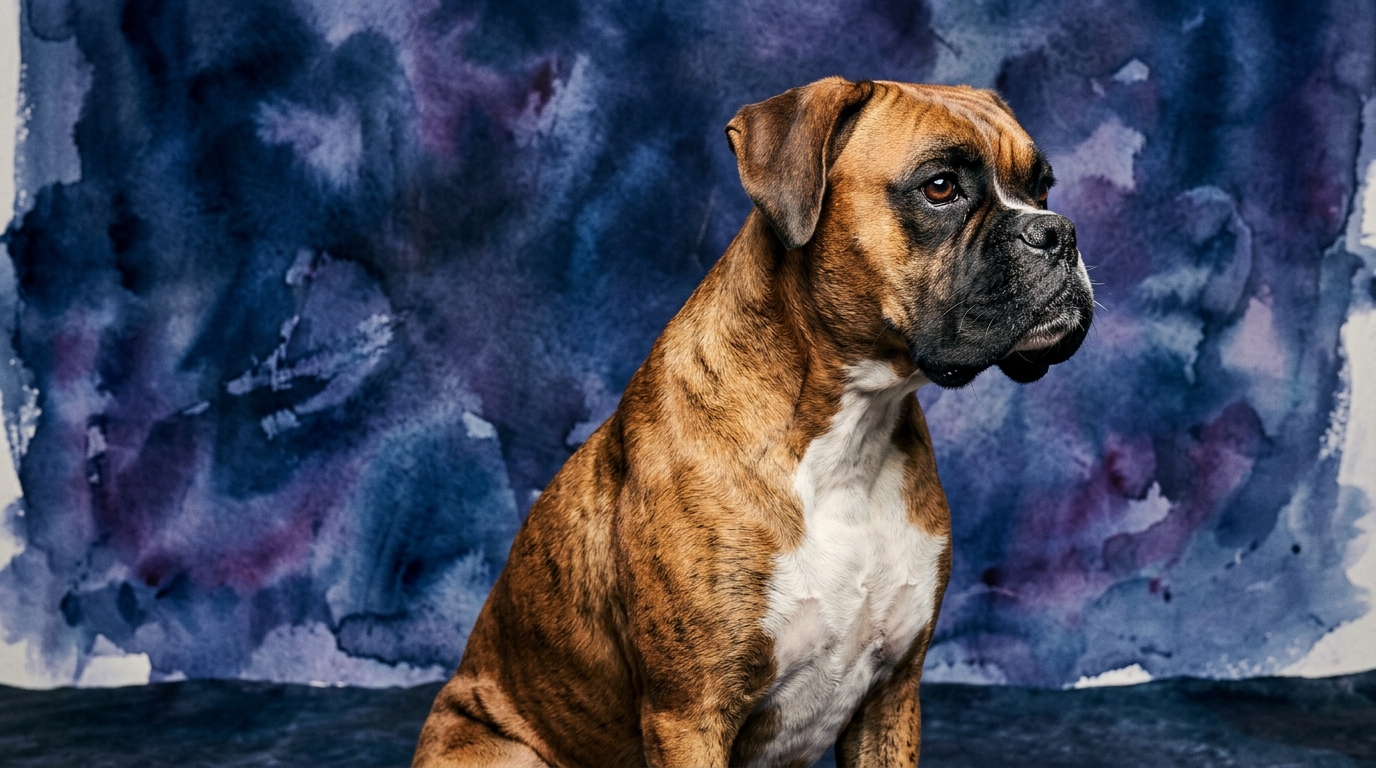
**Boxer:** This breed, ranked #48 by Coren for working and obedience intelligence, demonstrates a balanced cognitive profile with particular strengths in social interaction. Their **Problem Solving (3/5)** capability means they can navigate moderately complex tasks, such as figuring out how to access a desired toy or remembering routes. **Training Speed (3/5)** indicates they learn new commands at an average pace, responding well to engaging, consistent sessions. The Boxer's **Social Intelligence (5/5)** is a standout feature; they are exceptionally attuned to human emotions and social cues, often mirroring the mood of their family members and forming profound bonds. Their **Instinctive Drive (4/5)** is strong, manifesting as protective instincts, a keen desire for physical play, and a cooperative spirit for tasks. Finally, their **Memory (3/5)** allows them to retain learned commands and experiences over time, especially those linked to positive reinforcement or significant emotional events.
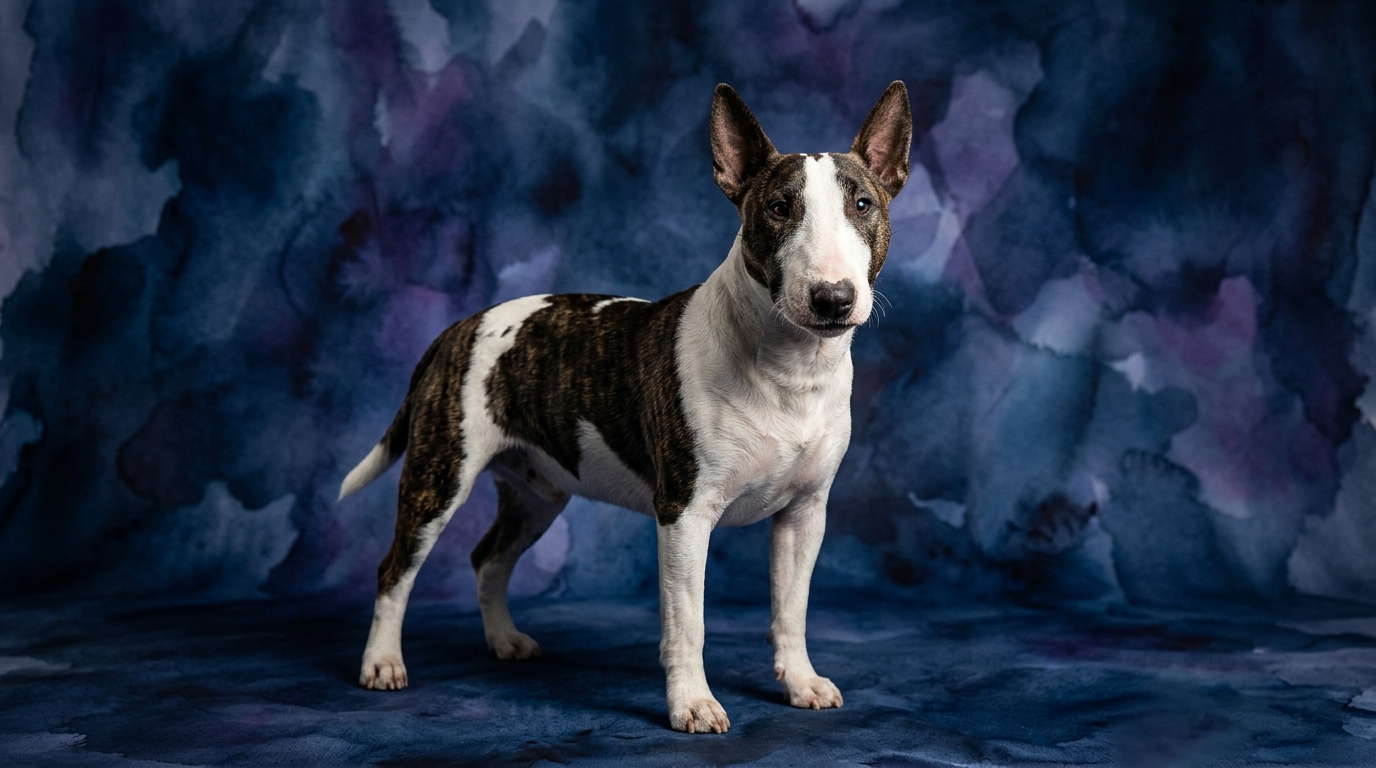
**Miniature Bull Terrier:** While not Coren-ranked, the Miniature Bull Terrier presents a unique cognitive makeup, characterized by a tenacious spirit. Their **Problem Solving (3/5)** ability is similar to the Boxer's, allowing them to tackle puzzles requiring a few steps, often through persistent trial and error. **Training Speed (3/5)** suggests they learn at a steady pace, though their independent nature necessitates varied and engaging training methods to maintain focus. The Miniature Bull Terrier's **Social Intelligence (3/5)** is solid; they form deep attachments to their immediate family but may be less overtly intuitive about subtle human emotions compared to the Boxer, appreciating companionship on their own terms. Their **Instinctive Drive (3/5)** is moderate, often directed towards exploration, digging, and independent play, reflecting their terrier heritage. Their **Memory (3/5)** is reliable for retaining consistent commands and routines, contributing to their established habits and preferences.
Where the Boxer Excels Cognitively
The Boxer's cognitive strengths distinctly shine in their social acumen and cooperative drive. Their exceptional **Social Intelligence (5/5)** means they aren't just pets; they are intuitive family members who deeply understand and react to the emotional climate of their home. A Boxer might gently nuzzle a child who is upset or greet an owner returning home with an exuberant full-body wiggle that clearly communicates joy and connection. This translates into a dog that feels truly integrated into human life, often anticipating needs or reacting empathetically to distress or happiness. Their ability to read subtle cues, like shifts in body language or vocal tone, is a hallmark of their cognitive superiority in this domain.
Furthermore, the Boxer's **Instinctive Drive (4/5)**, while strong, is often channeled into cooperative activities with their human companions. Rooted in their working dog heritage, they naturally gravitate towards roles that involve partnership. This drive manifests as dedicated play during a game of fetch, enthusiastic participation in agility training, or a watchful, protective presence within the family unit. This willingness to engage in structured, shared activities with a human partner makes them outstanding companions for those who enjoy active, collaborative pursuits, demonstrating a cognitive preference for teamwork.
Where the Miniature Bull Terrier Excels Cognitively
The Miniature Bull Terrier, while sharing some cognitive scores, demonstrates a distinct advantage in their independent tenacity, a unique facet of their problem-solving and instinctive drive. Unlike the Boxer, who often seeks human guidance, the Mini Bull Terrier prefers to figure things out on their own with a determined, sometimes stubborn, focus. This can manifest as a relentless pursuit of a favored toy under furniture, or a persistent effort to investigate a captivating scent trail. This independent problem-solving, even if it takes more individual effort, showcases a different kind of cognitive resilience and self-reliance.
Their cognitive edge also lies in their adaptability to varied training approaches, stemming from their training speed and independent nature. While their training speed is rated 3/5, their unique personality often means they thrive under creative, varied training methods that prevent boredom and engage their quirky minds. They excel in situations where a trainer needs to be highly inventive and flexible, as a rigid, repetitive approach can lead to disengagement. This characteristic encourages owners to think outside the box, constantly stimulating the dog's mind in novel ways, which can be a rewarding challenge for both dog and human.
Training Ease: Boxer vs. Miniature Bull Terrier
When it comes to ease of training, the Boxer generally presents a smoother experience, primarily due to their higher social intelligence and cooperative instinctive drive. Their strong desire to please and form deep bonds with their human companions means they are often highly motivated by praise, positive reinforcement, and social interaction. A Boxer learning a new command isn't just memorizing an action; they are often responding to the nuance of their owner's request and the positive social feedback they receive. For instance, a Boxer frequently maintains eye contact during training, actively seeking approval and understanding. Their natural exuberance requires consistent channeling, but their inherent responsiveness to human direction makes the training process more fluid and less prone to stubborn resistance.
The Miniature Bull Terrier, conversely, can be more challenging to train due to their independent streak and a comparatively lower social intelligence score. While certainly capable of learning, their motivation is often more internal, driven by their own interests or specific rewards, rather than primarily by the desire to please their owner. Training a Miniature Bull Terrier demands significant patience, unwavering consistency, and a focus on making each session inherently engaging and rewarding for the dog. They are more likely to 'test' boundaries or become disengaged if bored, necessitating an owner who can be firm, fair, and innovative in their methods. For example, a Mini Bull Terrier might perform a command flawlessly when a high-value treat is immediately visible, but may be less inclined if the reward isn't sufficiently appealing or if their attention is captured by an interesting environmental distraction.
Ideal Companions: Active vs. Relaxed Owners
The Boxer is an excellent match for active owners who enjoy engaging in physical activities and desire a highly interactive companion. Their high energy levels and cooperative drive mean they thrive with consistent exercise, such as running, hiking, or participating in structured dog sports like agility or obedience. They are also ideal for owners seeking a socially engaged companion who wants to be an integral part of family life, participating enthusiastically in everything from backyard games to quiet evenings on the couch. Their need for both physical and mental stimulation that involves their human is significant.
The Miniature Bull Terrier can adapt to both active and somewhat more relaxed owners, but this comes with a crucial caveat: they still require regular, stimulating exercise to prevent boredom and potential destructive behaviors. Their activities might lean more towards vigorous self-directed play in a secure yard, long exploratory walks focused on sniffing, or engaging puzzle toys, rather than constant cooperative sports. They are well-suited for owners who appreciate a confident, independent, and sometimes quirky companion, and who are prepared to invest in consistent, creative training. While they can be content with periods of quiet relaxation, their fundamental need for both mental and physical outlets is non-negotiable and must be met consistently.
The Verdict: When to Choose Each Breed
The Verdict
Choose the Boxer if you seek a highly socially attuned companion eager to participate in family life, thrives on cooperative activities, and generally offers a smoother training journey due to their desire to please.
Choose the Miniature Bull Terrier if you appreciate a confident, independent spirit, are prepared for a more engaging and creative training approach, and value a companion with a tenacious, sometimes quirky personality.
🧠 Find Your Pet's IQ Score
Our Pet IQ Lab assessment covers 25+ tests across 5 cognitive dimensions — personalized to your breed.
Take the Full IQ Test →Frequently Asked Questions
Are Boxers good family dogs?
Yes, Boxers often excel as family companions due to their high social intelligence and affectionate nature. They form strong bonds with all family members, including children, and are adept at understanding household dynamics, making them intuitive and engaging pets.
What is the biggest challenge with Miniature Bull Terrier training?
The biggest challenge often lies in their independent and sometimes stubborn nature, which can lead to disengagement during repetitive training. Owners need to be patient, consistent, and creative, using varied methods and high-value rewards to maintain their interest and cooperation.
Do both breeds require a lot of exercise?
Both breeds require regular exercise to maintain physical and mental well-being, but their needs differ. Boxers generally need more structured, cooperative physical activity, while Miniature Bull Terriers benefit from consistent outlets for their energy, which can include vigorous independent play or long, stimulating walks.