Side-by-Side IQ Profile: Boxer vs. Pekingese
At The Cosmic Pet Pet IQ Lab, we evaluate canine intelligence across five key dimensions, providing a granular view of each breed's cognitive strengths. Understanding these profiles helps illuminate why certain breeds excel in particular tasks or develop specific interaction styles with their human families.
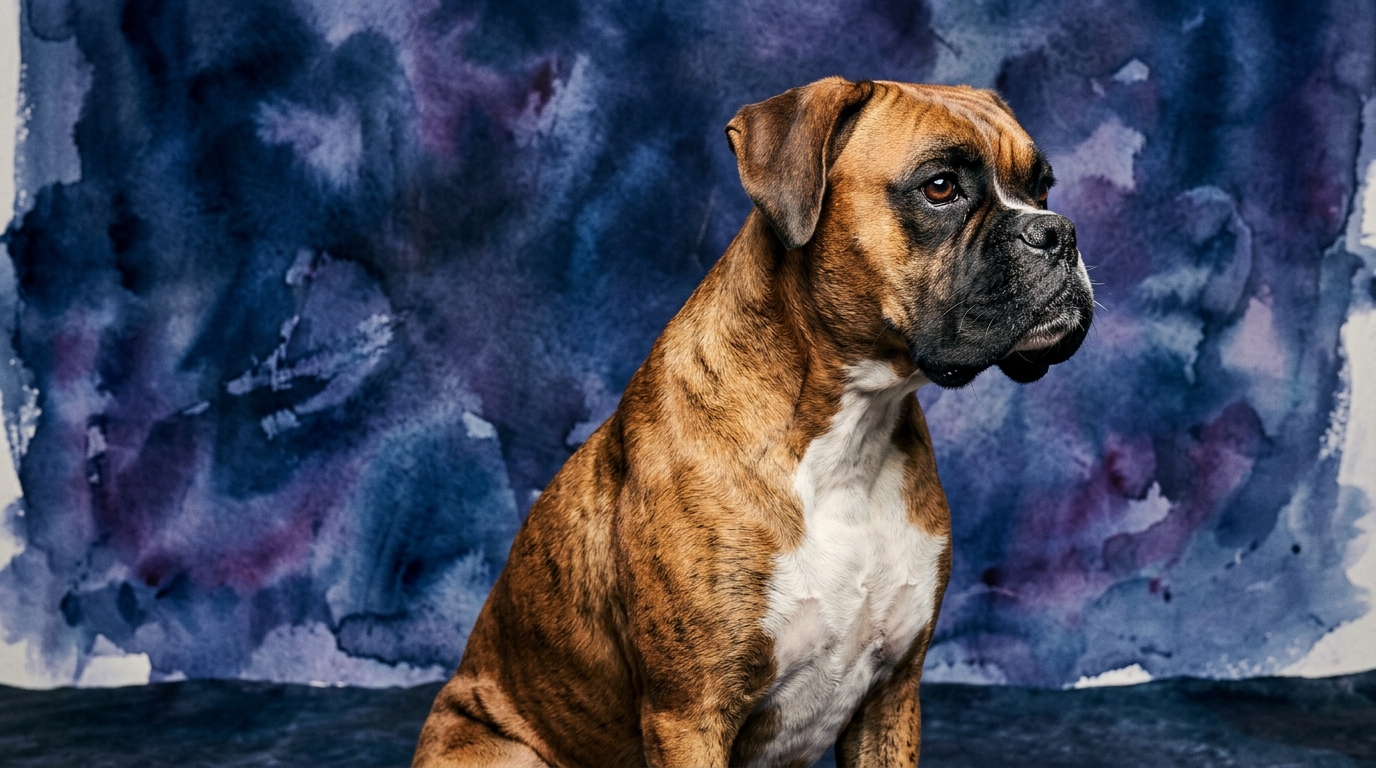
The Boxer, a robust dog from the Working group, scores as follows: Problem Solving 3/5, Training Speed 3/5, Social Intelligence 5/5, Instinctive Drive 4/5, and Memory 3/5. Boxers demonstrate a practical approach to challenges; they are adept at figuring out how to retrieve a dropped toy or navigate a familiar environment, often relying on learned sequences rather than complex, abstract reasoning. Their problem-solving is more about persistent action and trial-and-error within their established routines. Learning new commands or tricks occurs at a moderate pace for Boxers; while eager to engage and please their human, their boundless energy and occasional exuberance can sometimes lead to distractions, requiring consistent, patient, and engaging training methods to solidify new behaviors. This breed truly shines in Social Intelligence, possessing an exceptional ability to interpret human emotions, body language, and vocal tones, often anticipating their owner's needs or reacting empathetically to distress, fostering profound, intuitive bonds within their family unit. Boxers exhibit strong drives for protection, playful interaction, and physical activity, stemming from their working heritage; these instincts manifest as vigilance, a desire for active participation in family life, and a need for regular, vigorous exercise to feel fulfilled. Their memory is robust for routines, familiar faces, and learned commands, allowing them to recall past experiences and apply them to current situations, functional for navigating their daily lives and maintaining consistent behavior patterns.
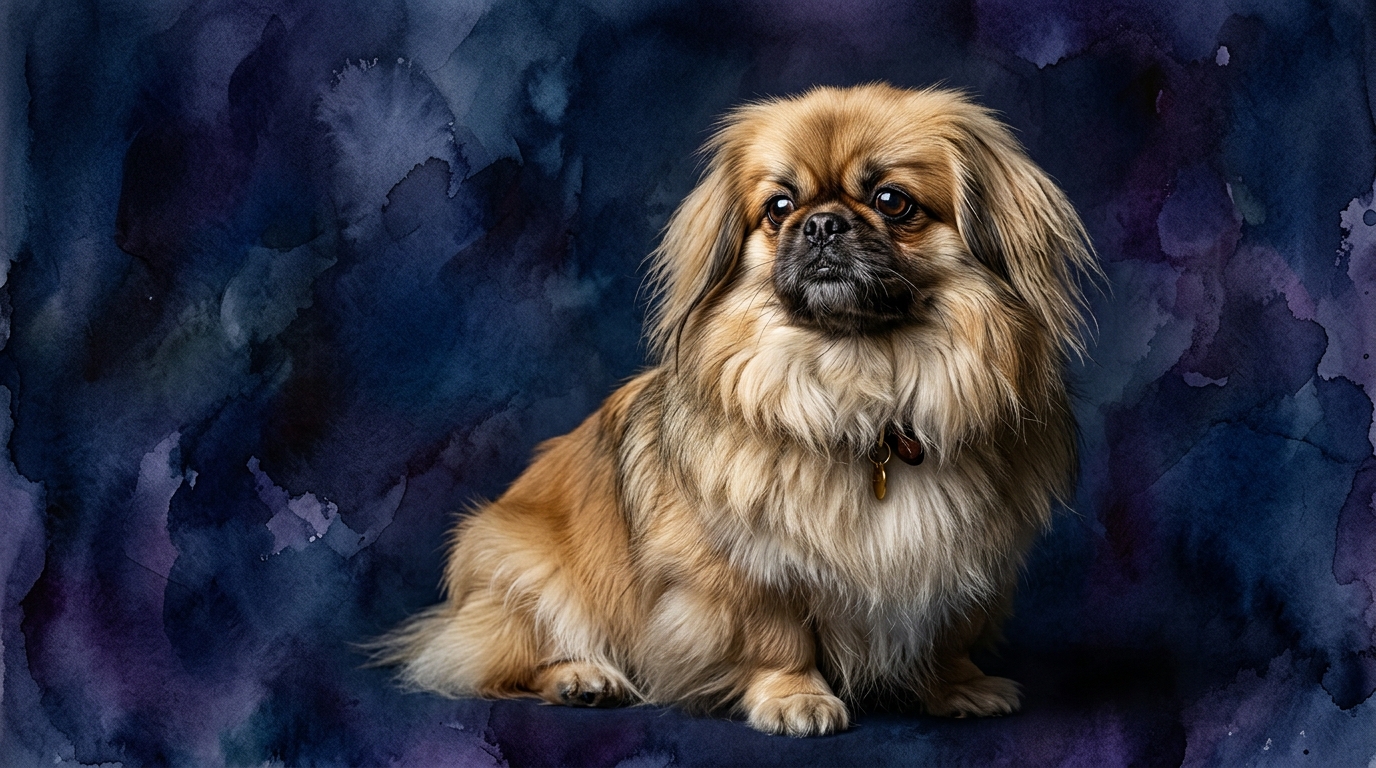
The Pekingese, a regal member of the Toy group, presents a different cognitive landscape: Problem Solving 3/5, Training Speed 3/5, Social Intelligence 3/5, Instinctive Drive 3/5, and Memory 3/5. Pekingese approach problem-solving with a quiet determination; they are capable of devising strategies to achieve their desires, perhaps by patiently waiting for an opportunity or subtly nudging a desired outcome, rather than overtly engaging in complex puzzles. Their solutions often revolve around comfort and self-interest. Like Boxers, Pekingese learn at a moderate pace, but their independent spirit often means they require a highly motivating and consistent approach; they might weigh the perceived benefit of complying against their own comfort or preference, making patience and positive reinforcement paramount for effective training. In Social Intelligence, Pekingese form deep attachments to their chosen humans, but their social expression is often more reserved and on their own terms; they understand family dynamics and human emotions but may not display the overt empathy or constant desire to please seen in some other breeds, preferring a more dignified interaction. Their drives are primarily focused on maintaining comfort, companionship, and a degree of territorial awareness within their home environment; they possess less of the active working drive, instead favoring a more relaxed existence, punctuated by short bursts of play and an appreciation for their personal space. Pekingese possess a reliable memory for their daily routines, preferred sleeping spots, and the people they trust; this practical memory allows them to maintain their established habits and recognize familiar individuals, contributing to their sense of security and predictability.
Where the Boxer Wins Cognitively
The Boxer's standout cognitive strength lies in their exceptional Social Intelligence, scoring a perfect 5 out of 5. This means Boxers are incredibly perceptive regarding human emotions and social cues, often acting as empathetic companions who are deeply attuned to their family's moods and needs. They frequently anticipate desires, offer comfort without prompting, and engage enthusiastically in shared activities, fostering a highly communicative and intuitive bond with their owners. This attribute makes them excellent family dogs, particularly skilled at integrating into complex household dynamics.
Another area where Boxers show a distinct advantage is their strong Instinctive Drive (4/5). This drive translates into a natural inclination for active participation, whether it's vigorous play, structured training, or vigilant guardianship. Their historical role as working dogs means they possess an inherent desire to engage, move, and interact with purpose. This robust drive, combined with their social acumen, makes them highly responsive and eager partners in activities, ready to dedicate their energy to tasks that involve their human companions.
Where the Pekingese Wins Cognitively
While both breeds score similarly in Problem Solving (3/5), the Pekingese often approaches challenges with a unique, self-sufficient ingenuity. Their solutions are frequently tailored to their own comfort and desires, demonstrating a subtle persistence rather than overt displays of effort. A Pekingese might patiently observe an opportunity to access a coveted spot or use quiet, persistent nudges to communicate a need, showcasing a problem-solving style that values efficiency and minimal fuss, often requiring their owners to be attentive readers of their subtle cues.
The Pekingese's moderate Social Intelligence (3/5) should not be mistaken for a lack of connection; rather, it indicates a more nuanced and independent form of companionship. Unlike the Boxer's overt empathy, the Pekingese often forms deep, devoted bonds that are expressed on their own terms, valuing quiet companionship and respectful interaction. Their communication style demands a more observational owner, fostering a relationship built on understanding subtle body language and vocalizations. This can lead to a profound, unspoken understanding, where the bond is forged through mutual respect for personal space and preference, offering a distinct kind of loyalty.
Training Dynamics: Boxer vs. Pekingese
When it comes to training, the Boxer generally presents as an easier candidate for obedience and complex tasks. Their high social intelligence means they genuinely thrive on interaction and positive reinforcement from their human companions, eager to please and engage. Coupled with their strong instinctive drive, Boxers are often ready for the next command, bringing enthusiasm and energy to training sessions. Consistency, clear communication, and making training feel like an enjoyable, interactive game are highly effective with Boxers.
The Pekingese, while possessing a moderate training speed, can be more challenging due to their independent nature and sometimes selective hearing. Their inherent dignity often means they need to be convinced that an action is worth their effort, rather than simply complying out of an eager-to-please mentality. Training a Pekingese requires immense patience, consistency, and a deep understanding of their individual motivations. Short, fun sessions with high-value treats and a calm, encouraging approach are crucial to overcoming their independent streak and fostering a cooperative learning environment.
Lifestyle Match: Active vs. Relaxed Owners
Boxers, with their robust instinctive drive and energetic disposition, are best suited for active owners who enjoy regular physical exercise, mental stimulation, and a dog deeply integrated into family adventures. They thrive in environments where they receive ample opportunities for vigorous play, long walks, and engaging training sessions that challenge both their bodies and minds. An owner who can meet their need for activity and social interaction will find a Boxer to be a joyful, devoted, and highly interactive companion.
The Pekingese, in contrast, with their lower instinctive drive and preference for comfort, are ideal companions for more relaxed owners. They appreciate gentle strolls, ample lap time, and a predictable, calm routine. While they enjoy play, it's typically in shorter bursts and within the comfort of their home. Owners who value a dignified, quiet presence and are content with a less physically demanding canine companion will find the Pekingese a perfect fit for a serene lifestyle, offering profound affection without constant demands for high-energy engagement.
The Verdict
If you seek a highly engaged, socially astute companion eager for interactive training and an active lifestyle, the Boxer's robust cognitive profile and empathetic nature make them an excellent match.
If your preference is for a dignified, independent companion who thrives in a calm environment and communicates with subtle charm, the Pekingese offers a unique, less overtly demanding, but equally rewarding bond.
🧠 Find Your Pet's IQ Score
Our Pet IQ Lab assessment covers 25+ tests across 5 cognitive dimensions — personalized to your breed.
Take the Full IQ Test →Frequently Asked Questions
Do Boxers need a lot of mental stimulation?
Yes, Boxers benefit greatly from mental challenges. Their moderate problem-solving and training speed, coupled with high social intelligence, mean they thrive on puzzle toys, obedience training, and interactive games that engage their minds as much as their bodies, preventing boredom and fostering good behavior.
Are Pekingese stubborn during training?
Pekingese can display an independent streak during training, which some owners might interpret as stubbornness. Their moderate training speed and less overt desire to please mean that consistent, positive reinforcement and understanding their motivations are key to successful, patient, and rewarding training sessions.
How do their social intelligence scores impact family life?
A Boxer's 5/5 social intelligence means they are highly attuned to family dynamics, often acting as empathetic companions who anticipate needs and engage readily, fostering deep, intuitive bonds. A Pekingese's 3/5 indicates they form strong bonds but may express affection and engagement more subtly, preferring interaction on their own terms, requiring owners to read their nuanced cues.