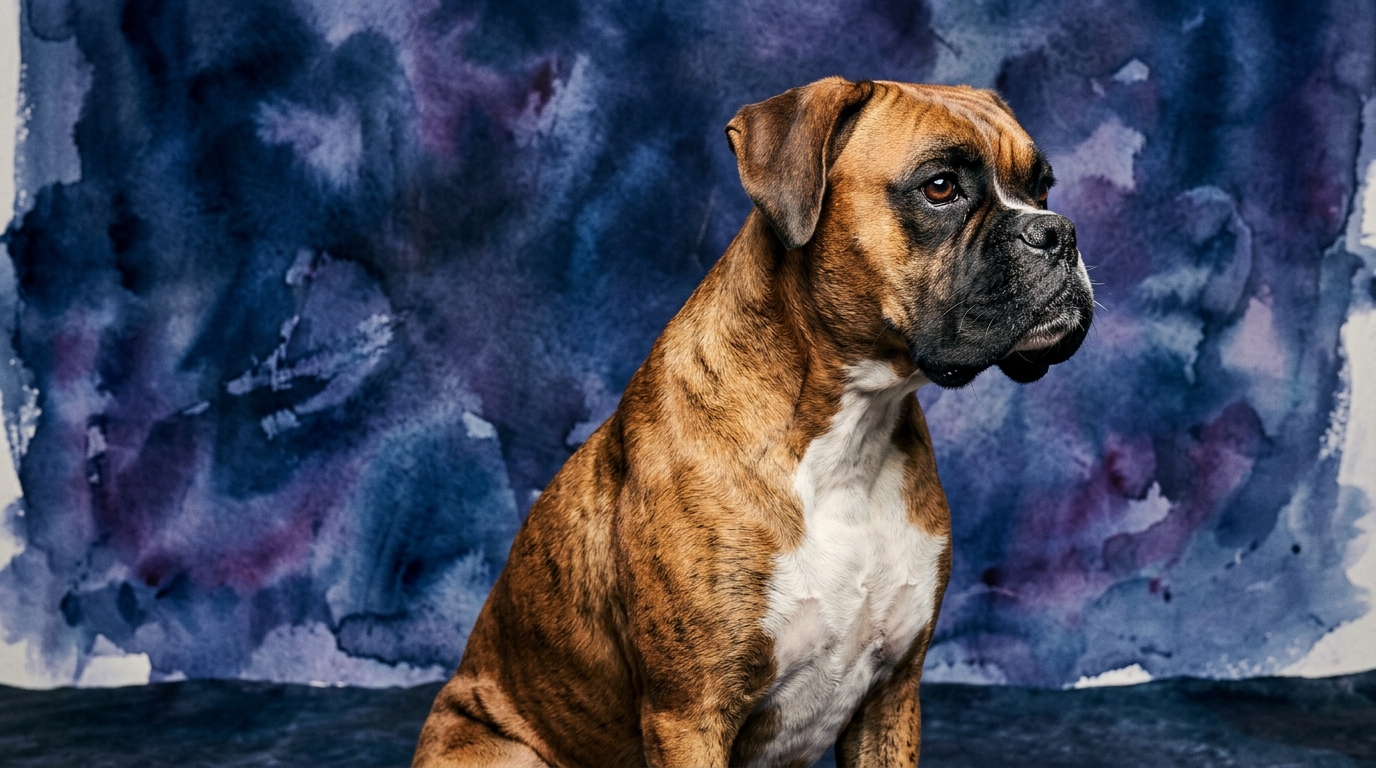
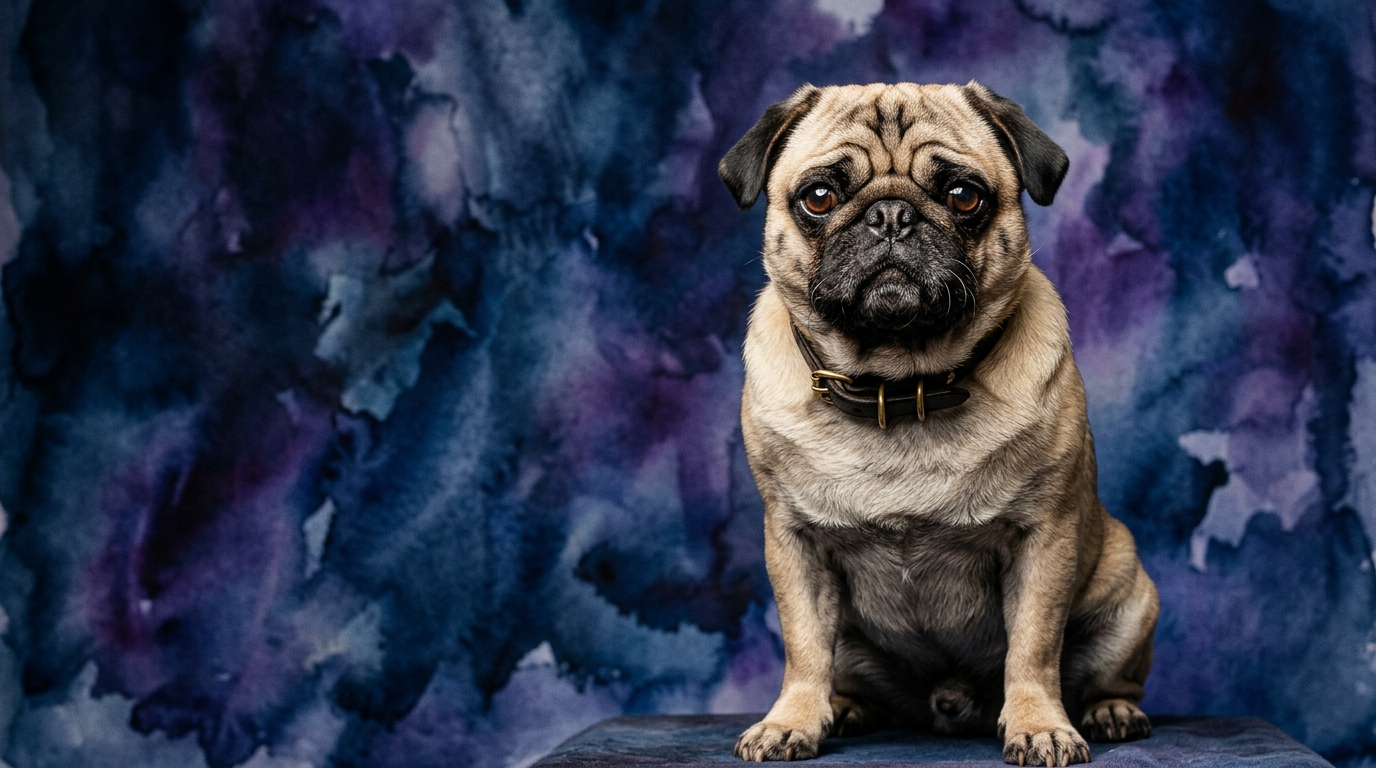
A Side-by-Side Look at Boxer and Pug Cognitive Profiles
At The Cosmic Pet Pet IQ Lab, we delve into the intricate cognitive dimensions that define our canine companions, moving beyond simple notions of 'smart' to understand how each breed processes the world. Our five-dimensional framework allows for a nuanced exploration of their intellectual makeup, highlighting specialized strengths rather than a monolithic scale.
The Boxer, a robust member of the Working Group, ranks #48 on the Coren intelligence scale, reflecting a practical and engaged mind. Their problem Solving is rated 3/5, indicating a moderate capacity for navigating environmental challenges and learning through experience. Training Speed stands at 3/5, suggesting they grasp new commands with consistent effort. Where they truly excel is in social Intelligence, earning a perfect 5/5 for their profound connection and understanding of human companions. Their instinctive Drive is strong at 4/5, manifesting as a keen awareness and protective instinct, while their memory is a solid 3/5, allowing them to retain learned behaviors and routines effectively.
In contrast, the Pug, a beloved Toy Group member, holds a Coren rank of #57, embodying a different set of cognitive priorities. Their problem Solving receives a 2/5, indicating they may find complex puzzles less engaging or intuitive. Similarly, their training Speed is 2/5, requiring patience and repetition to embed new behaviors. However, like the Boxer, the Pug boasts an exceptional 5/5 in social Intelligence, signifying an innate talent for emotional attunement and companionship. Their instinctive Drive is lower at 2/5, reflecting a preference for comfort over active pursuits, and their memory is a reliable 3/5, ensuring they remember faces, places, and routines important to their daily life.
Where the Boxer's Mind Shines Brightest
The Boxer's cognitive prowess is particularly evident in their practical application of intelligence, stemming from their working heritage. Their 3/5 problem-solving score means they are adept at figuring out tangible challenges within their environment, such as manipulating latches, unearthing buried toys, or navigating obstacles in their path. This isn't abstract thought but a hands-on, trial-and-error approach to understanding their physical world, often driven by curiosity and a desire to engage.
Furthermore, their robust 4/5 instinctive Drive fuels a cognitive engagement with their surroundings that goes beyond mere reaction. This drive translates into a heightened awareness of their environment and a natural inclination towards protective behaviors or energetic play. A Boxer might instinctively 'herd' family members or patrol the yard, demonstrating a cognitive understanding of their role within the family unit and their territory. This isn't just physical energy; it's an intelligent application of their innate drives, making them attentive and responsive companions in dynamic situations.
Unpacking the Pug's Unique Cognitive Strengths
While a Pug's 2/5 problem-solving score suggests they might not be the breed to master complex escape artistry or intricate puzzle toys, their cognitive strengths lie in a different, equally valuable domain. Their intelligence is less about manipulating objects and more about navigating the intricate world of human-canine relationships. They are masters of emotional landscape, preferring simplicity in tasks but profound complexity in connection.
The Pug's exceptional 5/5 social Intelligence is their crowning cognitive achievement. This isn't simply being friendly; it's a deep, intuitive understanding of human non-verbal cues, routines, and emotional states. A Pug might not solve a physical conundrum, but they are remarkably adept at 'solving' their human's mood, offering comfort or seeking attention with uncanny timing. Their 3/5 memory supports this by allowing them to recall specific interactions, preferences, and the intricate rhythms of their human family, making them uniquely attuned and empathetic companions whose cognitive focus is squarely on social harmony and emotional well-being.
Decoding Trainability: Boxer vs. Pug
When it comes to trainability, the Boxer's 3/5 training Speed indicates a breed that learns effectively with consistent, positive reinforcement and engaging methods. Their moderate problem-solving abilities allow them to grasp the mechanics of commands and sequences, especially when training taps into their playful nature or their natural drive. They respond well to structure and appreciate the mental stimulation that comes with learning new skills, making them rewarding partners for a dedicated trainer.
The Pug's 2/5 training Speed, however, points to a different approach. Pugs can certainly learn, but they often require more patience, shorter sessions, and a higher degree of motivation, often in the form of treats or enthusiastic praise. Their lower instinctive drive means they are less inclined to perform tasks for the sake of 'work,' preferring instead to engage for the social connection it brings. Training a Pug is less about commanding and more about a collaborative, relationship-based endeavor, where consistency and making it fun are paramount to overcoming their occasional stubborn streak.
Matching Minds to Lifestyles: Active vs. Relaxed Owners
For owners with an active lifestyle, the Boxer presents an ideal cognitive match. Their 4/5 instinctive drive and moderate problem-solving mean they thrive when given ample opportunities for both physical exertion and mental engagement. Owners who enjoy structured play, advanced obedience, agility, or even simply long, varied walks will find the Boxer's intelligent energy and desire to participate deeply rewarding. They need outlets for their minds and bodies to prevent boredom and channel their cognitive curiosity into constructive activities.
Conversely, the Pug's cognitive profile aligns beautifully with a more relaxed owner or household. Their lower instinctive drive (2/5) and preference for simpler mental tasks mean they are content with shorter bursts of activity and a greater focus on companionship. Their exceptional social intelligence allows them to find profound cognitive satisfaction in observing family life, cuddling, and participating in daily routines at a calmer pace. They are masters of comfort and emotional support, making them perfect for those who prioritize a devoted, emotionally intuitive presence over high-octane intellectual challenges.
The Verdict
Opt for a Boxer if you seek a cognitively engaged partner eager for structured activity, problem-solving challenges, and a protective, intelligent companion that thrives on interaction.
Select a Pug if your lifestyle favors a devoted, emotionally intuitive companion whose cognitive strengths lie in social attunement and a comforting presence rather than complex physical or mental tasks.
🧠 Find Your Pet's IQ Score
Our Pet IQ Lab assessment covers 25+ tests across 5 cognitive dimensions — personalized to your breed.
Take the Full IQ Test →Frequently Asked Questions
Are Boxers good at learning tricks?
With a training speed of 3/5 and moderate problem-solving, Boxers can certainly learn a variety of tricks, especially when training is consistent, engaging, and tied to their playful nature. Their strong social intelligence means they often enjoy the interaction and praise that comes with performing.
Do Pugs understand human emotions well?
Absolutely. Pugs possess a remarkable 5/5 social intelligence, allowing them to keenly perceive and respond to human emotions, often offering comfort or seeking interaction based on their owner's mood. This makes them exceptionally empathetic and attuned companions.
Which breed is better for a first-time dog owner?
The choice depends on the owner's lifestyle and commitment. Pugs, with their lower instinctive drive and focus on companionship, can be more forgiving for first-timers seeking a relaxed friend, while Boxers, though trainable, require a more active and dedicated approach to channel their higher drive and energy.