Side-by-Side IQ Profile: Boxer vs. Pumi
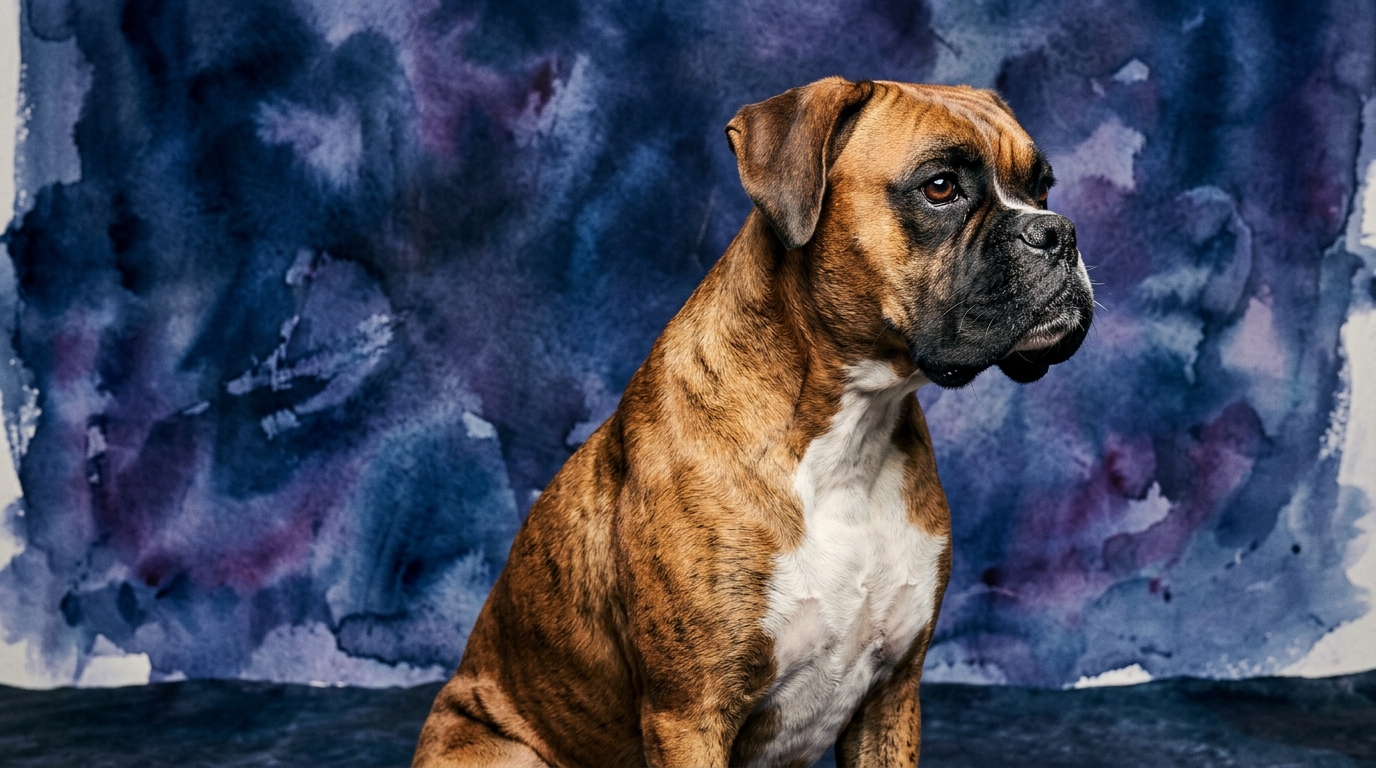
The Cosmic Pet Pet IQ Lab assesses canine intelligence across five key dimensions. For the Boxer, a Working group dog ranked #48 by Coren, its profile shows a balanced aptitude with a standout social capacity. Their Problem Solving is rated 3/5, indicating a practical, situation-oriented approach to challenges, often relying on physical interaction and learned responses to navigate their environment. Training Speed for Boxers is 3/5, meaning they learn new commands at a moderate pace, requiring consistent reinforcement due to their playful nature but generally eager to cooperate. Social Intelligence is where the Boxer truly shines, earning a 5/5; they possess an exceptional ability to understand and respond to human emotions and social cues, forming deep, empathetic bonds. Their Instinctive Drive is strong at 4/5, reflecting their working heritage with a robust desire for engagement and protection. Memory is rated 3/5, allowing them to retain routines and commands effectively with occasional refreshers.
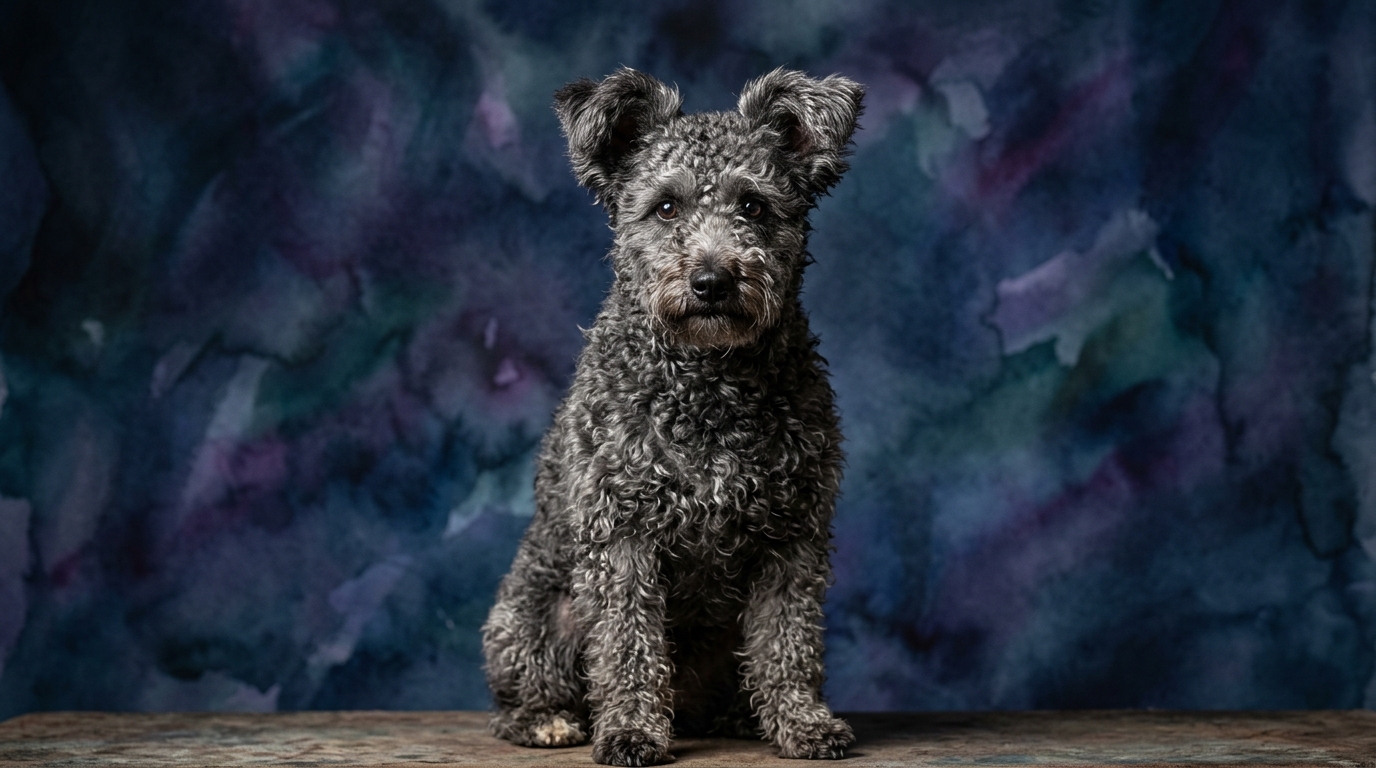
The Pumi, a Herding group dog not Coren-ranked, presents a profile with consistent moderate scores across the board, reflecting a different set of cognitive priorities. Their Problem Solving is 3/5, indicating an agile mind that often devises independent solutions, particularly in dynamic environments or when managing perceived 'flocks.' Training Speed is also 3/5; Pumis learn efficiently, but their independent streak means training often benefits from engaging, task-oriented methods that appeal to their natural drives. Social Intelligence for the Pumi is 3/5, suggesting they form loyal bonds with their family but are less overtly people-focused than Boxers, often prioritizing their environment or a 'task' over constant human interaction. Their Instinctive Drive, at 3/5, is primarily channeled into herding behaviors—organizing, moving, and supervising—a moderate but ever-present urge. Memory is 3/5, enabling them to recall relevant information for daily tasks and routines, adapting well to familiar situations.
Where the Boxer Wins Cognitively
The Boxer's cognitive strengths are most apparent in their exceptional social intelligence, scoring a perfect 5/5. This isn't just about being friendly; it signifies a profound capacity to interpret and react to human emotions, intentions, and subtle non-verbal cues. Boxers are acutely aware of their owner's mood, often initiating comfort during sadness or mirroring excitement during joy, fostering an unparalleled empathetic connection. This deep social attunement makes them incredibly responsive and integral family members who thrive on constant interaction. Furthermore, their strong instinctive drive (4/5) translates into a robust desire for active engagement and purpose. This mental readiness to participate in shared activities, whether it's a vigorous game or simply being an attentive presence, makes them highly interactive and present companions, always ready to be 'part of the action' with their human pack.
Where the Pumi Wins Cognitively
While the Pumi's raw scores might appear similar or lower in some areas compared to the Boxer, their cognitive strengths lie in the specific application of their traits, particularly their herding-focused instinctive drive (3/5) and independent problem-solving (3/5). The Pumi's moderate instinctive drive is precisely channeled into a persistent, intelligent desire to organize and manage, a characteristic that distinctly differentiates them from the Boxer's broader working drive. This means they excel in environments where they can apply their mental agility to 'shepherd' their surroundings, whether it's keeping family members together, managing toys, or even anticipating household routines. Their problem-solving, while scoring similarly, is often coupled with a degree of independent thought, allowing them to devise solutions without constant human direction. This self-reliance, stemming from their herding roots, means a Pumi might initiate a solution to a perceived 'problem' in their environment, such as a misplaced item or a door left ajar, rather than waiting for a human command. This blend makes them uniquely suited for tasks requiring quick, autonomous decision-making and a focused, supervisory presence.
Which is Easier to Train and Why
When considering ease of training, the Boxer's superior social intelligence (5/5) offers a distinct advantage over the Pumi's (3/5), despite both breeds sharing a 3/5 training speed score. A Boxer's profound attunement to human social cues means they are inherently more inclined to observe, understand, and respond to their trainer's subtle body language, vocal inflections, and emotional state. They often seek to please and thrive on positive human interaction, making them highly motivated by praise and connection. This doesn't mean they learn complex commands faster, but rather that their willingness to engage and cooperate is naturally higher, leading to a smoother training experience. Conversely, the Pumi, with its more moderate social intelligence and strong herding independence, might require a trainer to work harder to capture and maintain their focus. Pumis are capable learners, but their independence means they might question the 'why' behind a command or prioritize their own perceived task over human instruction. Training a Pumi often requires creativity, turning lessons into engaging games that appeal to their herding instincts and problem-solving drive, rather than relying solely on their desire for social approval. While both require consistency, the Boxer's inherent social nature often makes them appear more compliant and easier to guide through training protocols.
Which Suits Active Owners vs. Relaxed Owners
Both the Boxer and the Pumi are active breeds, but their activity needs stem from different cognitive drives, influencing their suitability for various lifestyles. The Boxer, with its 4/5 instinctive drive and robust physical build, thrives with owners who can provide consistent physical exercise coupled with ample social interaction. Their need to be 'part of the pack' and their readiness for action means they are ideal for active owners who enjoy daily walks, runs, or engaging play sessions that involve the human family. They can adapt to more relaxed indoor periods, especially if they've had sufficient mental and physical stimulation, but they need their humans to be present and engaging. Their high social intelligence means they are not content to be left alone for extended periods; they need to be involved in family life. The Pumi, with its 3/5 instinctive drive rooted in herding, also requires significant activity but often benefits from tasks that engage their mental agility and desire to 'manage.' They are suited for owners who enjoy structured activities like agility, obedience, or even urban herding games. While they are energetic, their independence (implied by 3/5 social intelligence) means they might be more content with independent exploration in a secure yard or focused training sessions, rather than constant human-initiated play. They are not necessarily a 'relaxed' dog, but an owner who can provide structured mental and physical outlets will find the Pumi a rewarding companion, even if daily walks are less about social bonding and more about exploring. A truly relaxed owner who prefers minimal engagement might struggle with either breed's needs for stimulation.
The Verdict
Choose a Boxer if you seek a deeply emotionally connected companion who thrives on social interaction, family involvement, and a clear role within the household, appreciating their robust and playful engagement.
Opt for a Pumi if you're drawn to an agile, independent thinker who excels in structured activities that tap into their herding instincts and enjoys a moderate, purposeful engagement with their environment.
🧠 Find Your Pet's IQ Score
Our Pet IQ Lab assessment covers 25+ tests across 5 cognitive dimensions — personalized to your breed.
Take the Full IQ Test →Frequently Asked Questions
Do Boxers and Pumis get along with children?
Boxers, with their high social intelligence, are generally patient and protective with children, often forming strong bonds. Pumis can also be good with children, but their herding instinct might lead them to 'nip' at heels to gather them, requiring early supervision and training to redirect this behavior.
What are the key differences in their energy levels?
Both are active, but Boxers' energy is often expressed through playful, robust bursts and a strong desire for human interaction. Pumis' energy is typically more agile and persistent, often channeled into purposeful activities or independent exploration, driven by their herding heritage.
Are Boxers or Pumis better for first-time dog owners?
Boxers, due to their strong social drive and eagerness to please, might be slightly more forgiving for first-time owners who are committed to consistent training and providing ample social engagement. Pumis' independence and specific herding drives can present unique challenges that might be better managed by owners with some prior dog experience.