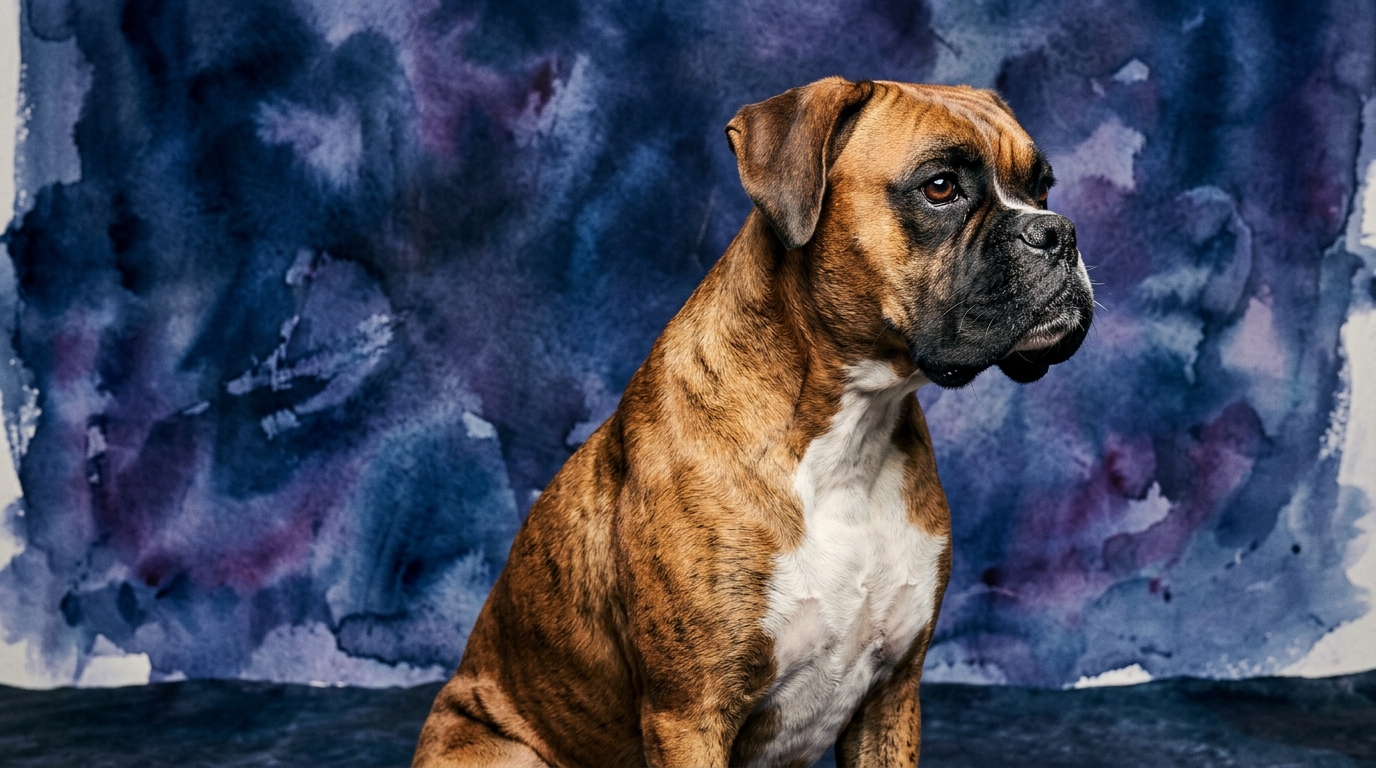
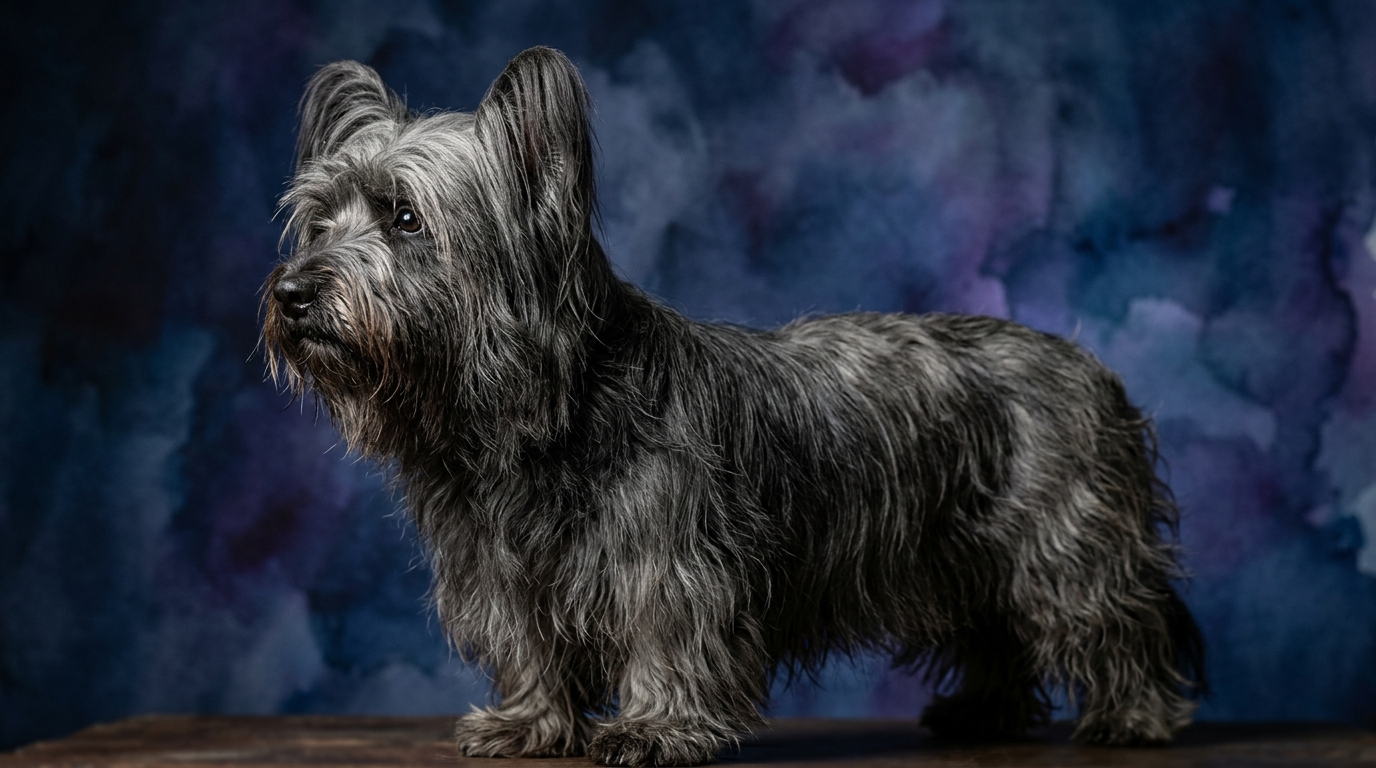
Side-by-Side IQ Profile: Boxer vs. Skye Terrier
The Cosmic Pet Pet IQ Lab employs a five-dimensional framework to assess canine intelligence, offering a nuanced view of how different breeds process information and interact with their world. For the Boxer, a breed often celebrated for its spirited nature and loyalty, we see a cognitive blueprint tailored for cooperative engagement and robust activity. Their Problem Solving score of 3/5 indicates an adeptness at navigating moderate challenges and learning from experience, demonstrating a practical intelligence. A Training Speed of 3/5 suggests they learn new commands and routines at a steady, reliable pace, capable of mastering complex tasks over time. Where Boxers truly shine is in Social Intelligence, scoring an impressive 5/5, reflecting an exceptional attunement to human emotions, intentions, and communication, making them highly responsive companions. Their Instinctive Drive, rated at 4/5, points to a strong innate motivation for activity, play, and purpose, often directed towards their human family. Finally, a Memory score of 3/5 indicates they retain information reliably, remembering learned behaviors and past experiences.
In contrast, the Skye Terrier presents a distinct cognitive profile, characteristic of its terrier heritage. This breed, while not Coren-ranked, exhibits a consistent set of cognitive abilities across the board. Their Problem Solving capability, also at 3/5, suggests they are equally capable of moderate problem-solving, often applying a tenacious, independent approach to challenges. A Training Speed of 3/5 means they too can learn new commands at a steady rate, though the motivation behind their learning might differ from the Boxer's. The Skye Terrier's Social Intelligence, rated at 3/5, indicates they understand human cues but often prioritize their own independent thought and agenda, engaging with people on their own terms rather than with an overwhelming eagerness to please. Their Instinctive Drive, at 3/5, signifies a moderate innate motivation, frequently channeled into specific terrier pursuits like digging or exploring, rather than a broad desire for constant activity. Their Memory score of 3/5 confirms a reliable capacity for retaining information, allowing them to remember routines and previous interactions effectively.
Where the Boxer Wins Cognitively
The Boxer clearly excels in areas directly related to human-canine partnership and active engagement. Their paramount strength lies in Social Intelligence, scoring a perfect 5/5 compared to the Skye Terrier's 3/5. This translates into a profound capacity for understanding and responding to human emotions, body language, and verbal cues. Boxers are highly empathetic, intuitive, and possess an almost uncanny ability to connect with their people, making them exceptionally responsive and cooperative companions. This heightened social awareness means they are often more attuned to their owner's moods and desires, leading to a more fluid and less challenging communication dynamic.
Furthermore, the Boxer's Instinctive Drive, at 4/5 versus the Skye Terrier's 3/5, gives them a cognitive edge in terms of sustained motivation and enthusiasm for activity. This robust drive means Boxers generally possess a greater intrinsic desire for physical and mental engagement, whether it's through play, structured training, or participating in family activities. Their inclination to be 'doing' something, often alongside their human companions, makes them naturally more inclined to participate in activities that require sustained effort and focus. This drive, coupled with their social intelligence, makes them highly trainable for tasks requiring teamwork and sustained effort, from obedience to various dog sports.
Where the Skye Terrier Wins Cognitively
While the Skye Terrier's scores might appear lower in some dimensions, their cognitive profile offers distinct advantages, particularly for specific lifestyles. Their independence, a direct consequence of a 3/5 Social Intelligence and 3/5 Instinctive Drive, can be a significant cognitive 'win.' Unlike the Boxer, who thrives on constant human interaction and direction, the Skye Terrier is often more self-sufficient. This means they are less prone to developing separation anxiety and can be content with their own company for periods, making them an excellent choice for owners who cannot offer constant, intense interaction. Their cognitive makeup allows them to entertain themselves and navigate their environment with a degree of self-reliance.
Moreover, the Skye Terrier’s 3/5 Problem Solving and 3/5 Instinctive Drive, while moderate, are often channeled with a unique terrier tenacity. This means they are adept at solving problems that align with their innate instincts, such as figuring out how to access a perceived burrow or outwit small prey. Their cognitive strength lies in a focused, persistent approach to tasks they deem worthwhile, often demonstrating remarkable determination. While they may not be as eager to solve human-directed puzzles as a Boxer, they excel at independent, self-motivated cognitive challenges, leveraging their keen senses and inherent curiosity to explore and understand their immediate surroundings with a dignified resolve.
Which is Easier to Train and Why?
When considering ease of training, both breeds share a Training Speed score of 3/5, implying they learn new commands at a steady pace. However, the Boxer's superior Social Intelligence (5/5) significantly tips the scales in their favor for overall training experience. Boxers are inherently more eager to please their human companions and are highly motivated by positive reinforcement stemming from human approval and connection. Their strong social bond means they are more receptive to instruction and more likely to comply, viewing training as a cooperative activity that strengthens their bond with their owner. This makes the training process generally more fluid, rewarding, and less prone to stubborn resistance.
The Skye Terrier, with its 3/5 Social Intelligence and 3/5 Instinctive Drive, presents a different training dynamic. While capable of learning at the same speed, their independent nature and lower drive for human-directed tasks mean they might require more patience, creativity, and consistent motivation. They are less likely to be swayed by mere human approval and may need training methods that appeal to their inherent terrier curiosity or provide tangible rewards. Their strong-willed temperament, a hallmark of many terrier breeds, means an owner must earn their cooperation rather than expect eager compliance. Training a Skye Terrier is often about consistent, positive reinforcement and understanding their independent spirit, making it a more nuanced and potentially challenging journey for novice owners.
Which Suits Active Owners vs. Relaxed Owners
For active owners seeking a dynamic and engaged companion, the Boxer is an ideal match. Their 4/5 Instinctive Drive means they thrive on regular physical activity, structured play, and mental stimulation. They are natural partners for jogging, hiking, or participating in dog sports like agility and obedience. Their 5/5 Social Intelligence ensures they want to be involved in all family activities, making them enthusiastic participants in an active lifestyle. Owners who can provide consistent exercise, training, and ample social interaction will find the Boxer to be an incredibly rewarding and energetic partner, always ready for the next adventure and eager to please.
The Skye Terrier, conversely, is better suited for owners who appreciate a more relaxed, yet still engaged, companion. While they benefit from daily walks and mental stimulation, their 3/5 Instinctive Drive means they typically require less intense physical exertion than a Boxer. They are content with moderate activity and often enjoy quiet companionship indoors. Their independent nature (3/5 Social Intelligence) means they won't constantly demand attention, making them suitable for individuals or families who lead a less frenetic lifestyle but still want a loyal and characterful dog. Owners should, however, be prepared to provide mental enrichment that taps into their terrier instincts, such as puzzle toys or controlled digging opportunities, to keep their sharp minds engaged without needing constant physical output.
The Verdict: When to Choose Each Breed
The Verdict
Choose a Boxer if you desire a highly social, energetic, and cooperative companion eager to participate actively in an engaged family life and regular training. Their robust drive and profound connection to humans make them excellent partners for active lifestyles.
Opt for a Skye Terrier if you appreciate a dignified, independent companion with a moderate activity level, valuing self-sufficiency and a less demanding social presence. They thrive with owners who understand their tenacious terrier spirit and provide consistent, patient guidance.
🧠 Find Your Pet's IQ Score
Our Pet IQ Lab assessment covers 25+ tests across 5 cognitive dimensions — personalized to your breed.
Take the Full IQ Test →Frequently Asked Questions
Are Boxers good with children?
Boxers, with their 5/5 Social Intelligence and playful nature, are generally excellent with children, forming strong bonds and often acting as patient, protective guardians. Their energetic disposition means they enjoy playing, but supervision is always advised.
Do Skye Terriers shed a lot?
Skye Terriers have a double coat that does shed, but typically less than many other breeds. Regular grooming, including brushing several times a week, is necessary to manage shedding and prevent matting of their long, flowing coat.
Which breed requires more mental stimulation?
Both breeds benefit from mental stimulation, but in different ways. Boxers thrive on interactive training and social puzzles due to their high social intelligence, while Skye Terriers benefit from independent problem-solving tasks and activities that tap into their terrier instincts, like scent work or puzzle toys.