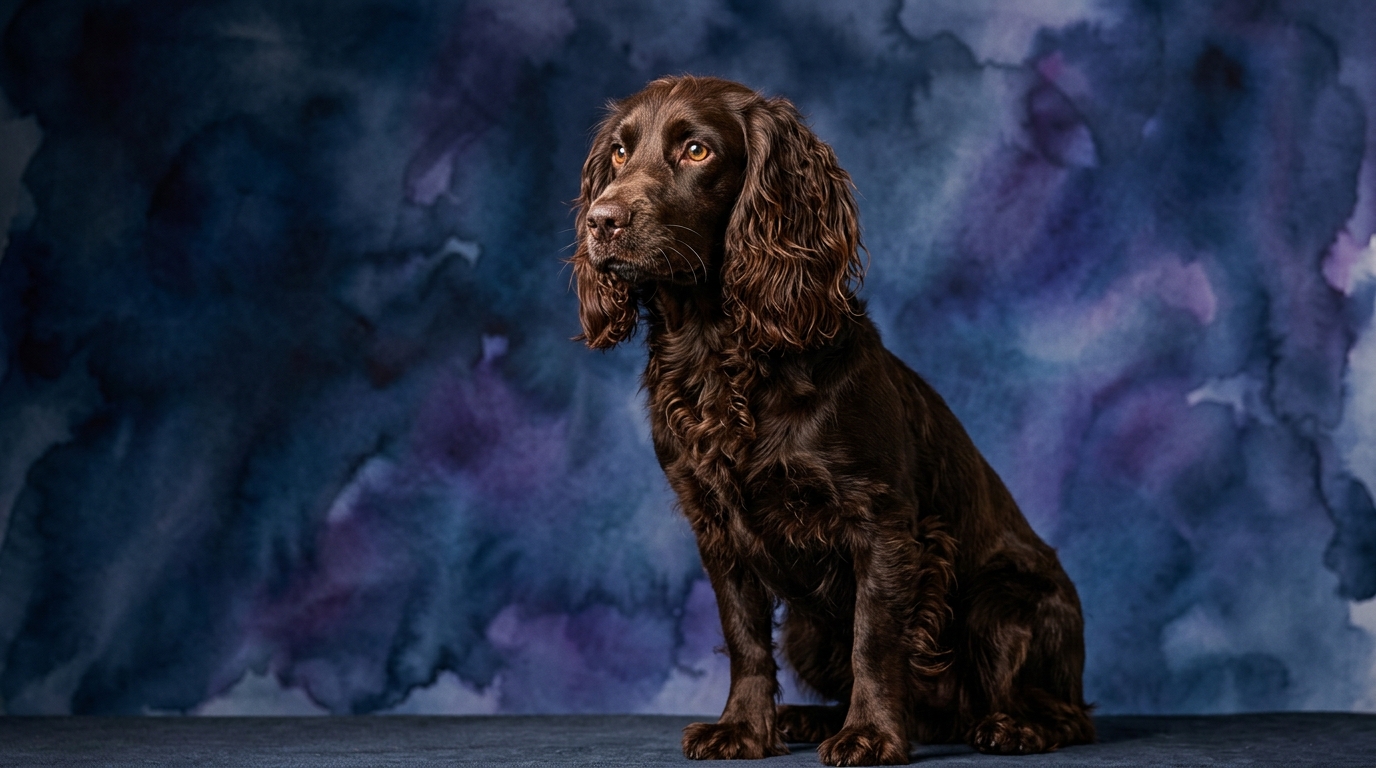
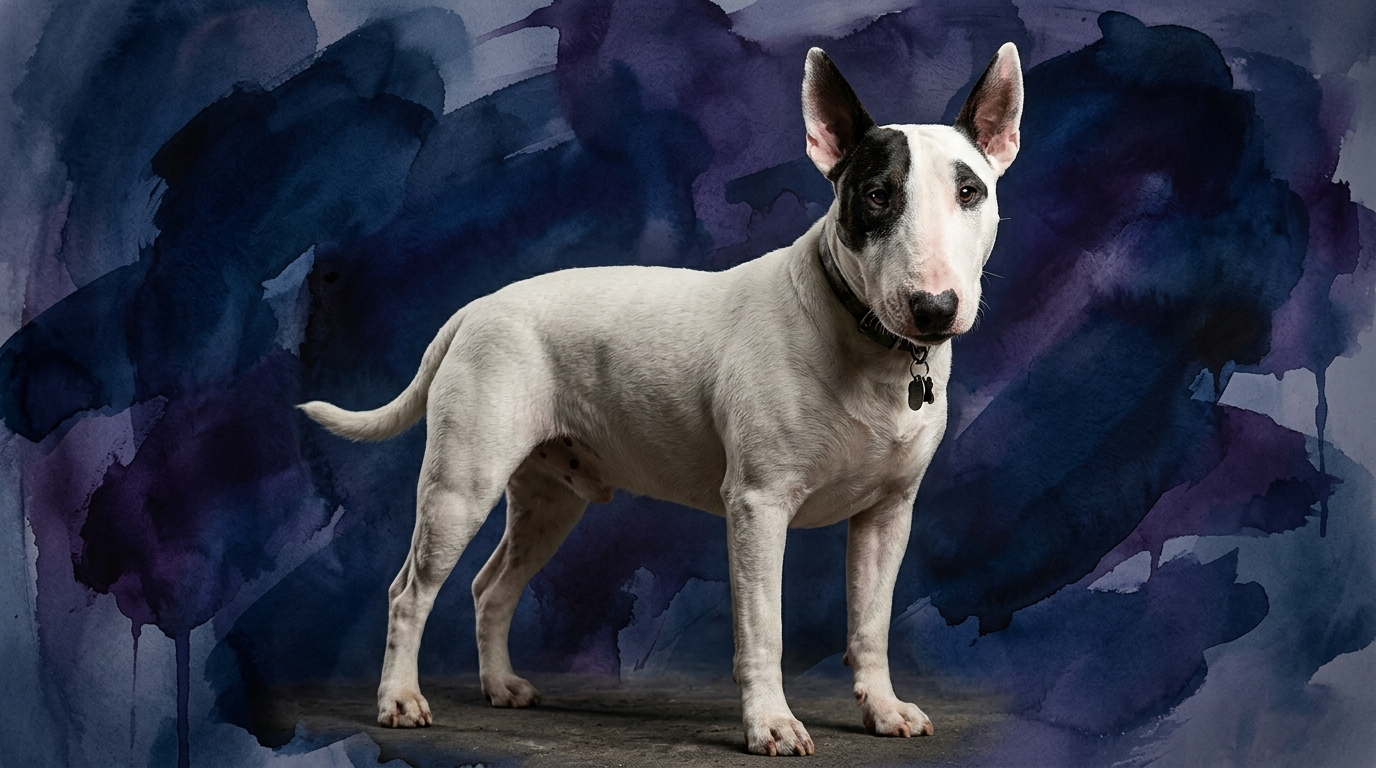
Side-by-Side Cognitive Profiles
The Cosmic Pet Pet IQ Lab assigns both the Boykin Spaniel and the Bull Terrier a consistent 3/5 across all five measured cognitive dimensions. This identical numerical assessment, however, belies the distinct ways each breed applies its mental faculties, rooted in their historical roles and inherent temperaments. Understanding these nuances is key to appreciating their individual forms of cleverness.
In Problem Solving (3/5), the Boykin Spaniel demonstrates a practical intelligence, adept at navigating complex environments to achieve a specific goal, such as locating fallen game in dense cover. Their problem-solving is often context-driven, focused on achieving an objective set by a handler. The Bull Terrier, conversely, applies its problem-solving with a tenacious, independent spirit; they are often observed figuring out how to access a forbidden treat or open a gate through sheer persistence and trial-and-error, driven by their own desires rather than external direction.
Training Speed (3/5) for the Boykin Spaniel reflects their capacity to grasp new commands and routines with moderate repetition, particularly when these tasks align with their natural retrieving instincts and desire to work alongside a human. Their biddable nature contributes significantly to their learning curve. The Bull Terrier's 3/5 in Training Speed, while numerically equivalent, often requires a different approach; they can learn quickly, but their independent streak means they need highly engaging, reward-based methods and a trainer who understands their sometimes-stubborn resolve.
Social Intelligence (3/5) in the Boykin Spaniel is expressed through their strong bond with family members and their ability to read human cues during cooperative tasks, making them intuitive partners in work and companionship. They are generally responsive to handler moods and intentions. The Bull Terrier's social intelligence, while also a 3/5, manifests as a deep, often singular devotion to their chosen people, coupled with a sometimes-wary observation of strangers. They are perceptive of their social environment but may choose to engage on their own terms, requiring a patient understanding of their unique social cues.
Instinctive Drive (3/5) is a cornerstone for both breeds, though its expression differs. For the Boykin Spaniel, this drive is primarily channeled into hunting and retrieving, exhibiting a focused, persistent pursuit of game that is highly trainable and purposeful. Their drive is a tool for their work. The Bull Terrier's instinctive drive, while equally strong, often presents as a robust prey drive, a zest for vigorous play, and an unwavering determination to see tasks through. This drive is less about cooperative work and more about personal engagement and self-directed activity, sometimes expressed as a powerful stubbornness.
Finally, Memory (3/5) in the Boykin Spaniel ensures they retain complex sequences of commands and the locations of retrieves, crucial for their working roles. They remember training protocols and past successes vividly. The Bull Terrier's memory also stands at 3/5, allowing them to recall learned behaviors and routines, but also to remember past interactions and perceived injustices with a characteristic long-term recall, which can influence their future responses and training.
Where the Boykin Spaniel Cognitively Excels
The Boykin Spaniel truly shines in cognitive tasks that demand cooperation, focus, and a direct application of their sporting instincts. Their ability to track scents, mark falls, and execute multi-step retrieves in varied environments demonstrates a specialized problem-solving intelligence that is handler-centric. They excel in scenarios where their mental energy is directed towards a shared goal with their human, such as navigating a field while staying attuned to commands and hand signals. This breed's strength lies in their capacity for sustained attention on a task, particularly when it involves their natural drive to work as a team.
Furthermore, their social intelligence is acutely tuned to understanding and anticipating a handler's needs during a task. This allows for seamless communication and an intuitive partnership, making them highly effective in roles requiring precise execution based on subtle human cues. Their memory is particularly strong for operational procedures and sequences, enabling them to reliably perform complex routines learned over time, whether in the field or in competitive obedience.
Where the Bull Terrier Cognitively Excels
The Bull Terrier's cognitive strengths lean towards independent thought, persistence, and a unique brand of tenacious problem-solving. They often excel in figuring out how things work through sheer determination, whether it's manipulating a puzzle toy to get a treat or devising a strategy to reach an interesting object. Their intelligence is less about following explicit instructions and more about internal motivation to overcome obstacles. This breed often demonstrates a creative approach to challenges, sometimes surprising owners with their cleverness in unexpected situations.
Their instinctive drive, while not always channeled into cooperative work, provides a powerful engine for self-directed mental engagement. A Bull Terrier might spend considerable time strategizing how to get a ball from under furniture, demonstrating a focused determination that highlights their intrinsic problem-solving abilities. Their memory, combined with their independent nature, means they learn from experience, adapting their approaches based on past successes or failures, often with a remarkable capacity for remembering the 'how-to' of their own devised solutions.
Ease of Training: A Behavioral Divide
Despite identical 3/5 Training Speed scores, the practical experience of training a Boykin Spaniel versus a Bull Terrier differs significantly due to their inherent temperaments and historical purposes. The Boykin Spaniel, a Sporting breed, was developed to work closely with humans, making them generally more biddable and eager to please. Their natural inclination is to cooperate, and they respond well to positive reinforcement and consistent, structured training that leverages their retrieving drive. They often find joy in learning and executing commands, especially when it involves working alongside their handler.
The Bull Terrier, a Terrier breed, was historically bred for independence and tenacity, traits that can translate into a more challenging training experience for the unprepared owner. While they are capable of learning quickly, their strong will and independent thinking mean they can be stubborn and require a highly engaging, consistent, and patient approach. Training a Bull Terrier often involves making learning feel like a fun game and requires a good sense of humor from the owner. They are less likely to perform a command simply because you asked, preferring to understand the 'why' or be sufficiently motivated, often through play or high-value rewards, making their 3/5 training speed a measure of their *capacity* rather than their *compliance*.
Active vs. Relaxed Owners: Matching Canine Minds to Lifestyles
The Boykin Spaniel is an ideal companion for active owners who enjoy structured outdoor activities and seek a cooperative partner. Their cognitive makeup thrives on purpose-driven engagement, whether it's hunting, dock diving, agility, or competitive obedience. Owners who can provide consistent training, ample opportunities for physical exercise, and mental stimulation through scent work or retrieving games will find the Boykin Spaniel to be a highly rewarding and attentive companion. They are not content with being couch potatoes and require an owner who understands their need for both physical exertion and mental tasks that engage their working intelligence.
The Bull Terrier, while also requiring significant activity, suits owners who appreciate a dog with a robust personality, a touch of stubbornness, and a need for creative mental engagement. They thrive with owners who can provide consistent boundaries, engaging play sessions, and stimulating challenges that tap into their independent problem-solving skills. While they love their families, their strong personalities mean they need an owner who is confident, patient, and consistent in training and management. A relaxed owner might find their spirited independence and determined nature overwhelming without sufficient mental and physical outlets, making them a better fit for those who enjoy a lively, sometimes challenging, but deeply loyal companion.
The Verdict
Choose a Boykin Spaniel if you seek a biddable, cooperative partner for structured outdoor activities and enjoy a dog eager to work alongside you.
Opt for a Bull Terrier if you appreciate a tenacious, independent thinker with a strong personality and are prepared for consistent, creative training and mental challenges.
🧠 Find Your Pet's IQ Score
Our Pet IQ Lab assessment covers 25+ tests across 5 cognitive dimensions — personalized to your breed.
Take the Full IQ Test →Frequently Asked Questions
Do Boykin Spaniels and Bull Terriers have the same level of intelligence?
According to The Cosmic Pet Pet IQ Lab, both breeds score identically across all five cognitive dimensions. However, their intelligence manifests differently, with Boykins excelling in cooperative tasks and Bull Terriers in independent problem-solving.
Which breed is easier to train for a first-time dog owner?
The Boykin Spaniel is generally considered easier for first-time owners due to their eager-to-please nature and biddability. Bull Terriers, while capable learners, require more patience, consistency, and creative motivation due to their independent and sometimes stubborn temperament.
Do both breeds require a lot of exercise and mental stimulation?
Yes, both breeds are active and require significant physical exercise and mental stimulation to thrive. Boykin Spaniels benefit from structured activities like retrieving, while Bull Terriers need engaging play, puzzle toys, and consistent training to channel their tenacious energy.