Side-by-Side IQ Profile: Interpreting Identical Scores
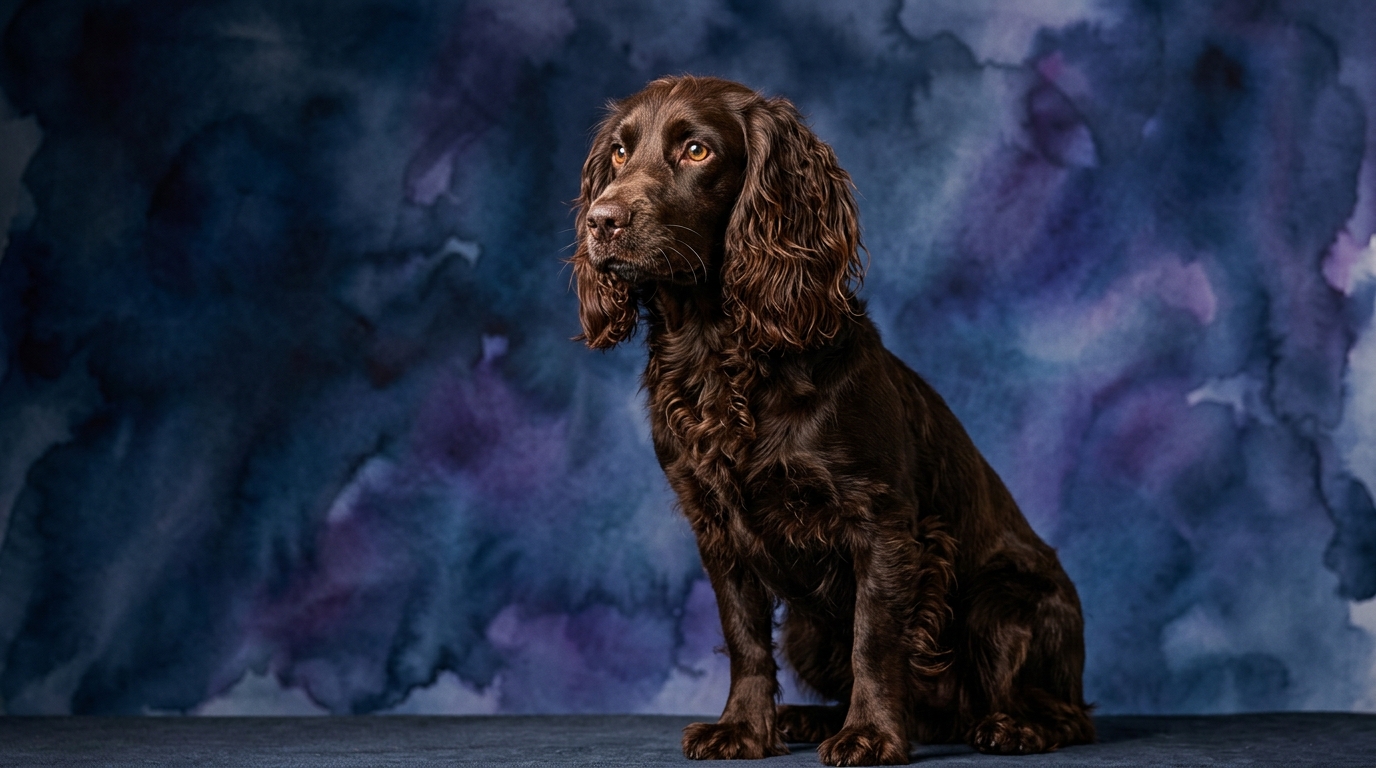
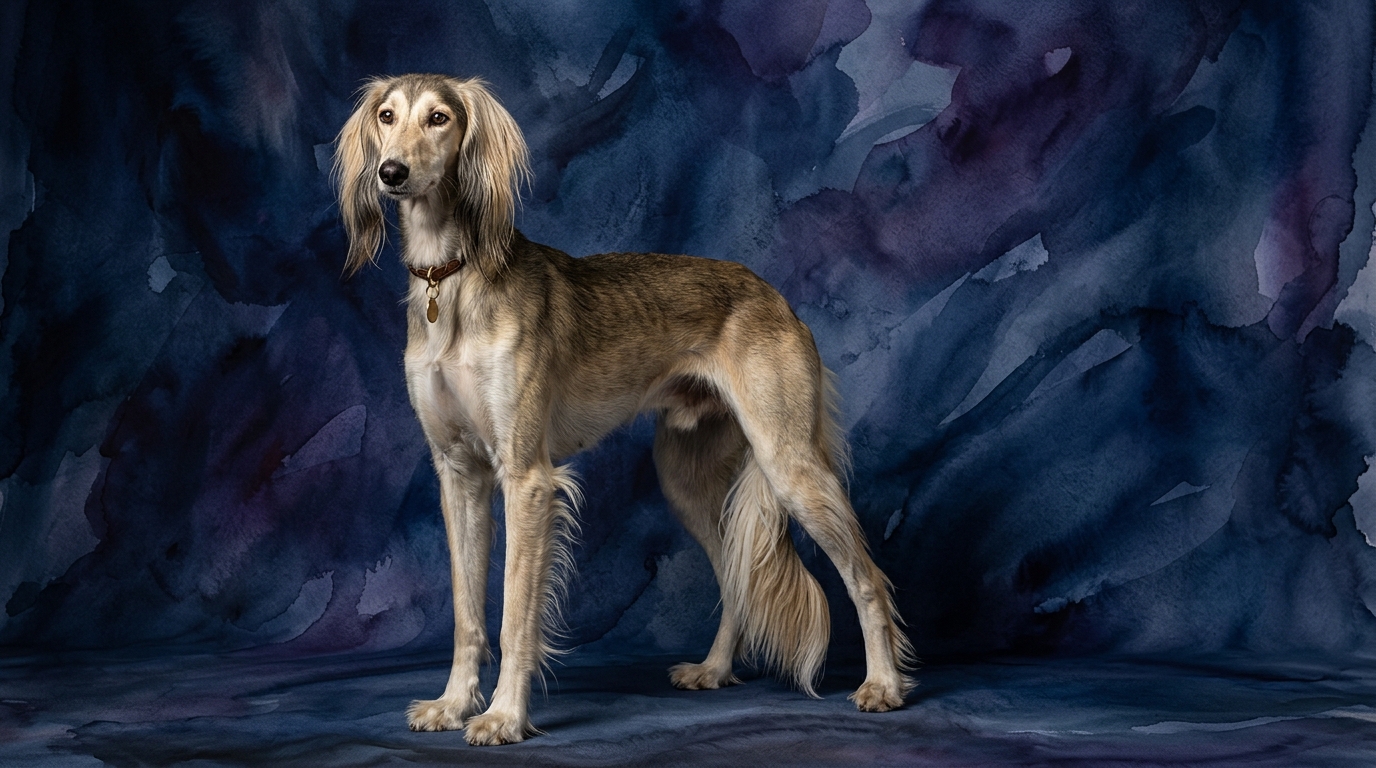
The Cosmic Pet Pet IQ Lab evaluates canine intelligence across five key dimensions, assigning a score out of five for each. Both the Boykin Spaniel and the Saluki register a consistent 3/5 across the board. This uniformity doesn't imply identical cognitive function, but rather a moderate capacity that is expressed through the lens of their breed-specific aptitudes and historical purposes. Let's explore what a 3/5 means for each.
For Problem Solving (3/5), a Boykin Spaniel's cognitive efforts often manifest as a practical, task-oriented approach, particularly when faced with challenges related to their retrieving heritage. They might moderately strategize how to locate a hidden retrieve in dense cover or navigate complex terrain to flush game, often relying on learned patterns and human cues. In contrast, a Saluki's 3/5 in problem-solving is typically applied with a distinct independent streak, common in sighthounds. Their cognitive efforts might focus on how to outmaneuver prey during a chase, identifying the most efficient path across varied topography, or finding a way around an unexpected obstacle during a pursuit, all without direct human instruction.
Regarding Training Speed (3/5), Boykin Spaniels learn new commands and routines at a moderate pace. Their desire to engage with their handler and their focus on cooperative tasks means they often respond well to consistent, positive reinforcement, especially when the training aligns with their natural working drives. Salukis also exhibit a moderate training speed, but their independent nature means they often require more patience and creative motivation. They learn effectively when tasks are engaging and respect their inherent autonomy, but may not always see the immediate benefit in performing repetitive, seemingly arbitrary commands.
Social Intelligence (3/5) in a Boykin Spaniel often translates to a moderate sensitivity to their human family's emotions and cues, generally thriving on interaction and partnership. They tend to be moderately adaptable in new social situations, often showing amiable curiosity. For a Saluki, a 3/5 in social intelligence often means forming deep, selective bonds with their chosen few, while remaining more reserved or aloof with strangers. They process social cues, but might not always feel compelled to engage beyond their immediate comfort zone, exhibiting a quiet dignity in their interactions.
Instinctive Drive (3/5) in the Boykin Spaniel is centered around their strong retrieving and flushing instincts, showing a moderate but consistent persistence in these activities. They are driven to work in the field or water, often with a keen focus on scent and sound. The Saluki's 3/5 instinctive drive is overwhelmingly tied to their sighthound heritage; they possess a moderate, yet intense and immediate, drive to chase anything that moves quickly. This drive is visually triggered and can override other cognitive functions once engaged, demonstrating remarkable focus during a pursuit.
Finally, Memory (3/5) in both breeds reflects a moderate capacity for recalling learned commands, routines, and experiences. A Boykin Spaniel's memory serves them well in remembering complex retrieving sequences, familiar hunting grounds, and the nuances of their handler's signals, aiding in their cooperative work. A Saluki's memory is particularly adept at recalling the layout of hunting territories, optimal running paths, and the visual cues associated with their independent activities, essential for their ancestral role in pursuit.
Where the Boykin Spaniel Wins Cognitively
Despite identical scores, the Boykin Spaniel's cognitive profile, particularly within the 3/5 range, often gives them an edge in scenarios requiring cooperative problem-solving and sustained human-directed focus. Their background as a working gundog means their moderate problem-solving capacity is frequently applied to tasks that require collaboration with a human partner, such as navigating complex retrieving scenarios where subtle hand signals or vocal commands are crucial. This makes them appear more 'tuned in' to human instruction during cognitive tasks.
The Boykin's moderate social intelligence, combined with their desire for partnership, also contributes to their perceived cognitive advantage in structured learning environments. They exhibit a consistent willingness to engage in repetitive training drills, often finding intrinsic reward in performing tasks alongside their owner. Their memory, while moderate, is particularly effective at retaining sequences of actions and commands directly relevant to their cooperative roles, allowing for reliable execution in varied, dynamic settings like a hunting field or an agility course.
Where the Saluki Wins Cognitively
The Saluki's unique application of its 3/5 cognitive scores shines brightest in areas demanding independent decision-making and rapid, autonomous action. Their moderate problem-solving skills are not typically geared towards human-centric tasks but excel in situations where they must assess a dynamic environment and make split-second choices without direct human input. This could involve calculating the trajectory of moving prey, identifying the most efficient route across challenging terrain, or adapting to unexpected obstacles during a high-speed chase.
Their instinctive drive, while also a 3/5, is channeled into an exceptionally refined visual acuity and an almost preternatural ability to process fast-moving stimuli. This perceptual intelligence allows them to identify and track targets at remarkable distances, a cognitive feat that demands quick data processing and immediate strategic response. The Saluki's memory is robust for spatial layouts and visual patterns, enabling them to recall vast outdoor areas and the movements of potential quarry, a distinct advantage for a breed evolved for independent pursuit across open landscapes.
Which is Easier to Train and Why
When considering ease of training, the Boykin Spaniel often presents a more straightforward experience for the average owner, even with both breeds scoring 3/5 in training speed. The Boykin's inherent desire to please its handler and its strong drive for cooperative work make it generally more amenable to traditional obedience training. They often find motivation in positive reinforcement that strengthens the partnership, making them more consistent in responding to commands and engaging in structured learning activities.
The Saluki, while capable of learning at a moderate pace, often requires a more nuanced approach to training. Their independent Sighthound nature means they are less inclined to perform tasks simply to please; rather, they respond best when training aligns with their natural instincts or offers a clear, tangible reward that appeals to them. Owners often report that Salukis can be selective listeners, especially if their strong instinctive drive is triggered by a visual stimulus. Building a strong bond based on mutual respect and understanding their motivations is key to successful training, which can feel less 'easy' than with a more biddable breed, despite their similar learning capacity.
Which Suits Active Owners vs. Relaxed Owners
Neither the Boykin Spaniel nor the Saluki are ideal for truly 'relaxed' owners in terms of their physical activity requirements, as both possess moderate to significant energy levels that need an outlet. However, their activity profiles cater to different types of active lifestyles. The Boykin Spaniel thrives with owners who enjoy interactive outdoor activities, such as hiking, hunting, or water sports, and who are willing to involve their dog in these pursuits. They require consistent engagement and mental stimulation through structured activities, flourishing when given a 'job' to do alongside their human companion.
The Saluki, while needing intense bursts of exercise, can be surprisingly calm and refined indoors once their physical needs are met. They are best suited for active owners who can provide regular opportunities for safe, off-leash running in securely fenced areas where they can truly stretch out and sprint. Owners must be aware of their strong prey drive, which dictates that such exercise often cannot happen in unfenced public spaces. While they enjoy exploring, their exercise needs are more about speed and distance than continuous, human-directed tasks, making them potentially suitable for owners who appreciate a dog that can be independent outdoors but also a quiet, elegant presence indoors.
The Verdict
Choose the Boykin Spaniel if you seek a moderately trainable, cooperative companion for interactive outdoor activities, particularly those involving retrieving or water, and value a strong partnership in cognitive tasks.
Opt for the Saluki if you appreciate an independent, elegant companion with a keen eye and a need for intense bursts of exercise, and are prepared to engage with a dog whose cognitive strengths lean towards autonomous decision-making and visual tracking, rather than constant human-directed tasks.
🧠 Find Your Pet's IQ Score
Our Pet IQ Lab assessment covers 25+ tests across 5 cognitive dimensions — personalized to your breed.
Take the Full IQ Test →Frequently Asked Questions
Do Boykin Spaniels make good family pets for households with children?
Boykin Spaniels, with their moderate social intelligence and desire for companionship, generally adapt well to family life. They are often playful and good-natured, making them suitable companions for considerate children, especially if socialized early and supervised during interactions.
What is the biggest training challenge for a Saluki due to its intelligence profile?
The biggest training challenge for a Saluki often stems from their strong instinctive drive and independent problem-solving nature. While they learn, their motivation to comply with commands can be overshadowed by their innate drive to chase, requiring consistent, patient, and highly rewarding training methods that respect their autonomy.
How do Boykin Spaniels and Salukis typically react to new people or unfamiliar environments?
Boykin Spaniels, with their moderate social intelligence, generally approach new people and environments with amiable curiosity, often adapting well with proper socialization. Salukis, while also possessing moderate social intelligence, tend to be more reserved and dignified with strangers, often preferring to observe from a distance before engaging, and may take time to adjust to unfamiliar surroundings.