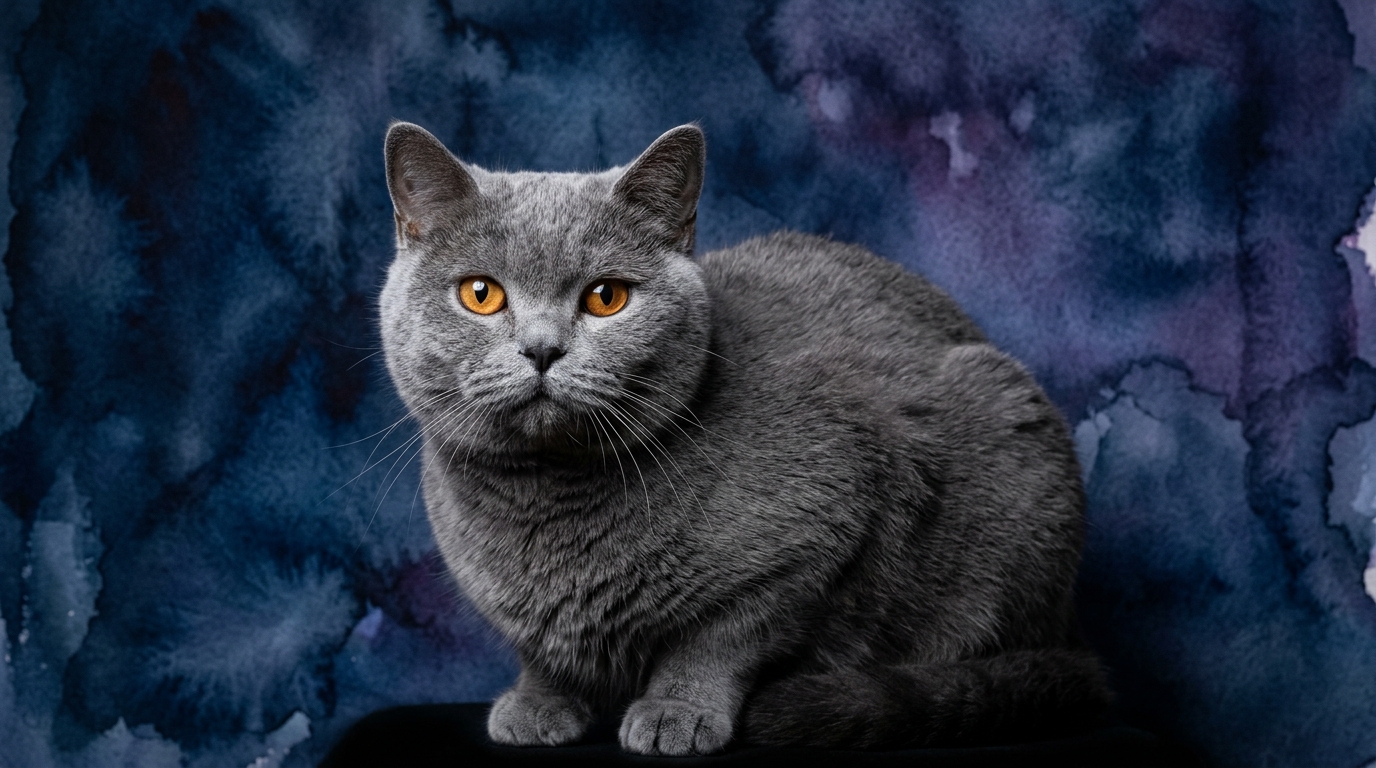

Side-by-side IQ profile
**British Shorthair - Problem Solving (3/5)**: The British Shorthair approaches challenges with a deliberate, often observational style, preferring to assess situations carefully before acting. Their problem-solving is marked by patience, suggesting effective navigation of obstacles without excessive haste.
**Bombay - Problem Solving (3/5)**: The Bombay cat often demonstrates problem-solving with a more hands-on, curious flair, actively exploring and experimenting with new objects. This proactive engagement allows them to solve problems through trial and error, driven by a desire to understand their surroundings.
**British Shorthair - Training Speed (3/5)**: British Shorthairs possess a moderate capacity for learning new commands and routines, responding best to positive reinforcement and consistent, calm sessions. Their trainability is tied to their willingness to engage, gradually absorbing new information.
**Bombay - Training Speed (3/5)**: Bombay cats also exhibit a moderate training speed, but their social and playful disposition often makes them enthusiastic participants in training. Their enjoyment of interaction and mental stimulation can make them appear more eager to learn.
**British Shorthair - Social Intelligence (3/5)**: British Shorthairs display a balanced level of social understanding, appreciating companionship without being overly demanding. Their social intelligence is expressed through quiet affection and a discerning eye for their human's mood.
**Bombay - Social Intelligence (3/5)**: Bombay cats often manifest their social intelligence as a prominent desire for interaction and closeness, actively seeking human company. Their social cognition enables them to pick up on cues quickly, thriving on being an integral part of family life.
**British Shorthair - Instinctive Drive (3/5)**: The British Shorthair's instinctive drive is present but generally well-controlled, typically expressed through gentle play with toys. Their moderate drive means they are content with indoor life, satisfied through a balanced array of puzzles and interactive play.
**Bombay - Instinctive Drive (3/5)**: Bombay cats share this moderate instinctive drive, but their expression of it can be more overtly playful and exploratory. Their curiosity often intertwines with natural drives, leading them to investigate and engage enthusiastically with toys.
**British Shorthair - Memory (3/5)**: British Shorthairs have a solid memory capacity, allowing them to recall routines, people, and spatial layouts effectively. This reliable memory contributes to their sense of security and their ability to adapt to established household patterns.
**Bombay - Memory (3/5)**: Bombay cats also exhibit a strong memory, particularly concerning their social interactions and preferred play routines. They quickly learn the schedules of their human companions, remembering which toys are most engaging or who provides comfort.
Where British Shorthair wins cognitively
While both breeds share identical cognitive scores, the British Shorthair's inherent calm and observational nature allows their 3/5 problem-solving and memory to shine in contexts requiring patience and deliberation. They might excel at puzzle toys that demand sustained, quiet focus, carefully assessing before acting. Their measured approach minimizes impulsive errors, making them effective at challenges requiring a thoughtful, unhurried strategy.
Furthermore, their composed demeanor makes their moderate social intelligence particularly effective in a quiet household, offering a gentle, understanding presence where their memory of routines brings comfort and predictability.
Where Bombay wins cognitively
The Bombay cat's vivacious and curious personality allows their 3/5 cognitive abilities to stand out in more interactive and dynamic scenarios. Their hands-on approach to problem-solving means they often tackle new puzzles with enthusiasm, learning quickly through active engagement and experimentation. They are more likely to initiate play and exploration, leveraging their moderate instinctive drive and memory to discover new hiding spots or retrieve forgotten toys.
Their strong social intelligence, coupled with their desire for interaction, makes them adept at engaging with humans in a way that feels highly responsive and reciprocal, making their training speed (3/5) feel more fluid and rewarding due to their eagerness.
Which is easier to train and why
Both British Shorthairs and Bombays possess a "Training Speed" score of 3/5, indicating a moderate capacity for learning. However, their distinct temperaments influence the experience of training. The Bombay cat's inherent curiosity and strong desire for social interaction often translate into a more enthusiastic and cooperative training partner. They typically enjoy the mental stimulation and the bonding experience that training provides, making them more likely to voluntarily engage in learning new tricks or commands. Their playful nature means they respond well to positive reinforcement delivered through interactive play and treats, often picking up on cues with an eagerness that can make them feel easier to train.
In contrast, the British Shorthair's independent and often more reserved nature means that while they are capable learners, they may require more patience and a calmer, consistent approach. They might not always be as overtly enthusiastic about training sessions, preferring to engage on their own terms. Owners will find success by making training a quiet, rewarding activity that respects the British Shorthair's preference for deliberation, leveraging their consistent memory rather than relying on their immediate eagerness. Success with a British Shorthair often comes from understanding their preference for a dignified pace.
Which suits active owners vs relaxed owners
For active owners seeking a feline companion who thrives on interaction, play, and mental stimulation, the Bombay cat is often a more fitting choice. Their moderate instinctive drive, coupled with their curiosity and social intelligence, means they enjoy engaging in interactive games, exploring their environment, and being an active participant in household activities. They are keen on playing with puzzle toys, chasing laser pointers, and often enjoy learning new tricks, making them a vibrant addition to a dynamic home.
Conversely, for relaxed owners who appreciate a calm, composed, and affectionate presence without constant demands for attention, the British Shorthair is often an ideal match. Their deliberate problem-solving and balanced social intelligence mean they are content to observe and interact on their own terms, often preferring quiet companionship over boisterous play. They are excellent at entertaining themselves with independent play or napping nearby, making them well-suited for a peaceful home environment where their memory of comforting routines is valued.
The Verdict
Choose the British Shorthair if you seek a calm, observant companion who offers quiet affection and appreciates a predictable, serene home where their steady cognitive abilities can unfold at a leisurely pace. Their independent nature means they are often content with self-entertainment and less demanding of constant interaction, making them perfect for relaxed owners.
Opt for the Bombay if you desire a highly interactive, playful, and curious feline who thrives on social engagement and mental stimulation, eagerly participating in games and learning. Their outgoing personality and hands-on approach to exploration make them an engaging companion for active owners who enjoy reciprocal interaction and a more dynamic pet presence.
🧠 Find Your Pet's IQ Score
Our Pet IQ Lab assessment covers 25+ tests across 5 cognitive dimensions — personalized to your breed.
Take the Full IQ Test →Frequently Asked Questions
Do British Shorthairs enjoy learning tricks?
British Shorthairs can learn tricks, though their independent nature means training requires patience and consistent positive reinforcement. While they may not be as overtly enthusiastic as some breeds, their moderate training speed means they are capable of acquiring new behaviors when motivated by calm, rewarding sessions.
Are Bombay cats good with other pets?
Bombay cats generally adapt well to living with other pets, especially if introduced properly, thanks to their balanced social intelligence. Their playful and affectionate nature often makes them amenable to sharing their home, though individual personalities will always play a role in inter-pet relationships.
How do these breeds express their memory abilities?
Both breeds, with a 3/5 memory score, demonstrate their recall through consistent routines; British Shorthairs remember preferred napping spots and meal times, while Bombays often recall favorite interactive games and the schedules of their human companions. This reliable memory contributes to their comfort and ability to navigate their home environment and social structures.