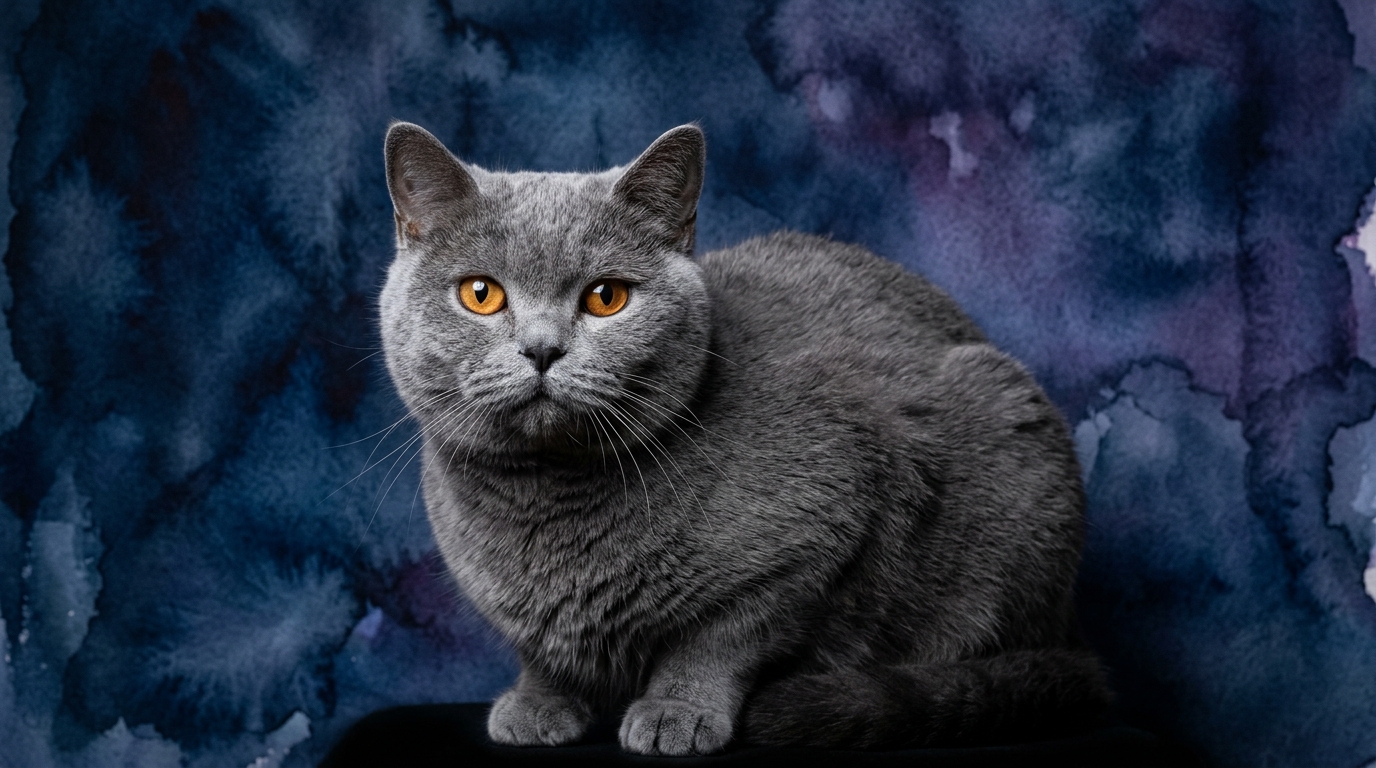
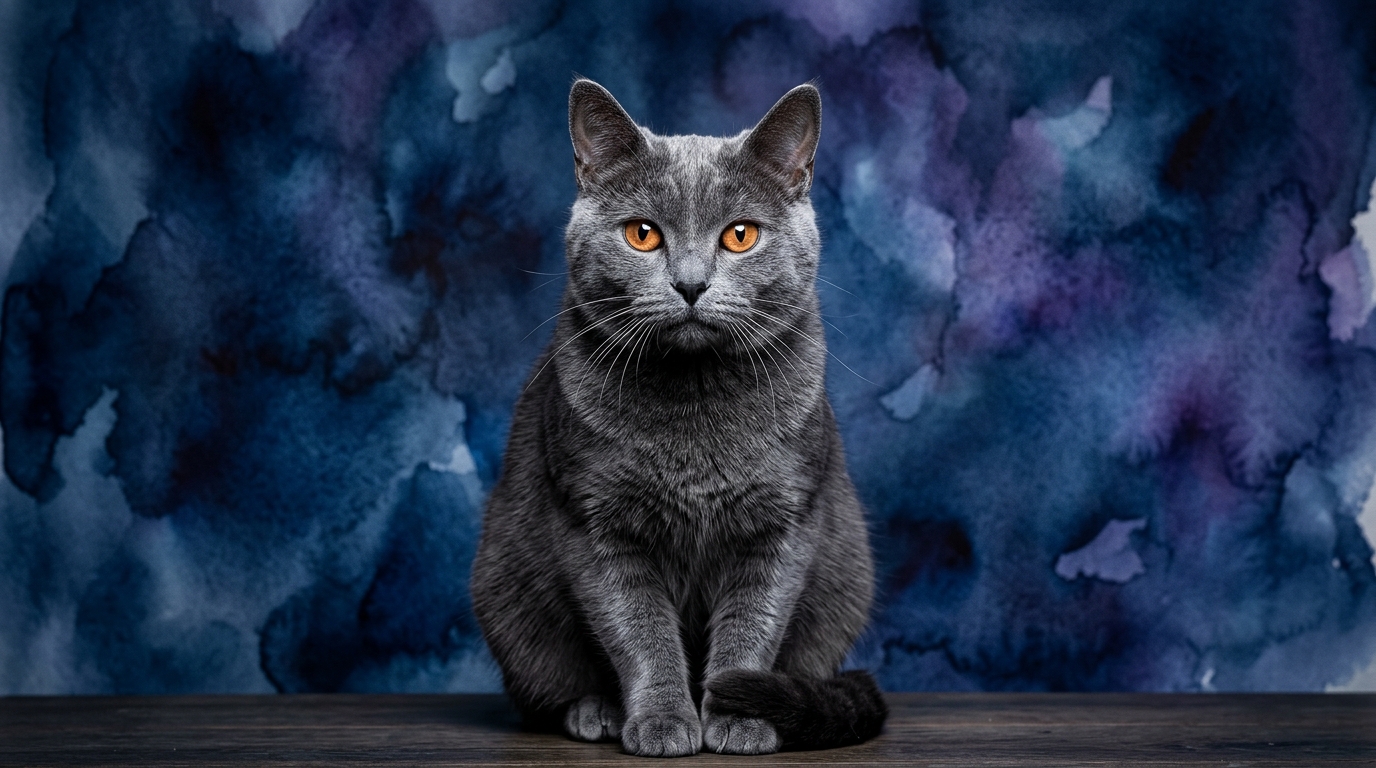
Side-by-Side Cognitive Profile
The British Shorthair presents a consistently balanced cognitive profile, scoring 3/5 across all five dimensions. Their Problem Solving at 3/5 indicates a cat that can effectively navigate common household puzzles and adapt to familiar routines, but may not actively seek out complex new intellectual challenges. A Training Speed of 3/5 suggests a capacity to learn with consistent, positive reinforcement, though progress might be steady rather than exceptionally rapid. Their Social Intelligence, also 3/5, points to a cat that appreciates companionship and understands basic social cues, yet may not be the most overtly demonstrative or intricate in its emotional expressions. An Instinctive Drive of 3/5 reflects a moderate level of natural feline behaviors like hunting and exploration, present but typically not overwhelming. Finally, a Memory score of 3/5 suggests a reliable capacity to recall routines, people, and pleasant experiences over time, contributing to their predictable nature.
In contrast, the Chartreux exhibits a more dynamically skewed cognitive profile, with higher scores in most areas. Their Problem Solving at 4/5 reveals a cat with a noticeable aptitude for navigating its environment, often figuring out how to access desired objects or overcome minor obstacles with cleverness and persistence. While their Training Speed matches the British Shorthair at 3/5, implying a consistent learning pace rather than exceptional quickness, their other strengths bolster trainability. A Social Intelligence of 4/5 signifies a highly perceptive and adaptable companion, adept at reading human moods and engaging in more nuanced social exchanges. Their Instinctive Drive, also 4/5, indicates a stronger inclination towards natural feline behaviors, suggesting a cat that might enjoy more interactive play mimicking hunting or require engaging mental stimulation. The Chartreux's Memory at 4/5 points to an excellent recall of past events, routines, and the consequences of their actions, significantly enhancing their adaptability and social learning.
Where the British Shorthair Excels Cognitively
While the Chartreux generally scores higher in raw cognitive metrics, the British Shorthair's balanced 3/5 profile across all dimensions offers distinct advantages in specific contexts. Its moderate 3/5 Instinctive Drive means it is less prone to intense bursts of exploratory or predatory behavior, often resulting in a more tranquil presence in a home, especially one with delicate items or other small, vulnerable pets. This steady drive translates into a cat that is less likely to scale every bookshelf or relentlessly 'hunt' every dust bunny, favoring calm observation over persistent pursuit. Furthermore, its consistent 3/5 in Problem Solving, combined with its relatively lower drive, means a British Shorthair is less inclined to actively seek out and dismantle complex puzzle toys or ingeniously open cabinets, contributing to a more predictable and often less 'mischievous' home environment. This breed's reliable recall (3/5 Memory) within a calmer overall disposition means it consistently remembers routines and boundaries without feeling compelled to constantly test them. Their moderate Social Intelligence (3/5) also means they are content with a comfortable, predictable social rhythm, valuing steady affection over constant, intricate interaction, which can be a cognitive win for owners seeking a less demanding emotional connection and a more independent companion.
Where the Chartreux Shines Cognitively
The Chartreux exhibits a clear cognitive edge in several domains, translating into a more dynamic and interactive companion. Its 4/5 in Problem Solving indicates a cat that actively engages with its environment, often devising creative solutions to get what it wants, whether that’s opening a door, figuring out a new toy, or retrieving a favorite item from a tight spot. This higher rating suggests a cat that thrives on mental engagement and can quickly adapt to new situations or challenges, demonstrating a thoughtful approach to their surroundings. The Chartreux’s superior Social Intelligence (4/5) allows it to grasp complex social cues with greater precision, making it exceptionally perceptive to human emotions and intentions. They often initiate more varied forms of interaction, displaying a deeper understanding of their human's moods and preferences, fostering a highly communicative and responsive bond. Moreover, a 4/5 in Instinctive Drive means the Chartreux often possesses a greater zest for interactive play that mimics hunting, using its enhanced problem-solving skills to strategize and 'capture' toys with enthusiasm. Their excellent Memory (4/5) reinforces this, allowing them to learn and retain complex sequences of actions or remember specific locations of hidden treats or favored perching spots, enhancing their overall adaptability and responsiveness to their environment and people.
Trainability: British Shorthair vs. Chartreux
When evaluating trainability, the Chartreux generally presents as the more receptive candidate, primarily due to its higher scores in Problem Solving, Social Intelligence, and Memory. While both breeds share a 3/5 in Training Speed, the Chartreux's superior cognitive foundation amplifies the effectiveness of training efforts. Its 4/5 Problem Solving means it's quicker to understand the cause-and-effect relationship between a command and a reward, making learning new tricks or desirable behaviors more efficient. For instance, a Chartreux might more readily grasp that a specific action, like sitting on command, directly leads to a treat, requiring fewer repetitions to solidify the connection. Their 4/5 Social Intelligence also plays a crucial role; these cats are often more attuned to human vocal tones, expressions, and body language, allowing them to better interpret instructions and respond to subtle cues during training sessions. This perceptiveness means they are more likely to engage willingly and understand what's expected of them, potentially reducing frustration for both cat and trainer. Furthermore, the Chartreux’s 4/5 Memory ensures that learned behaviors are retained more effectively over time, requiring fewer refresher sessions to maintain skills.
In contrast, the British Shorthair, with its consistent 3/5 ratings, will certainly learn, but it may require more repetition and patience. Their training progress is often steady and deliberate, relying more on consistent routine establishment than on quick, insightful understanding of complex commands or subtle social cues. For a British Shorthair, training might feel more like establishing a predictable pattern or rhythm that they come to expect, rather than a dynamic, highly responsive learning interaction. While they will eventually master commands with persistence, the process may demand a more measured and patient approach from the owner, focusing on positive reinforcement and clear, consistent communication to build associations over time.
Matching Feline Intellect to Owner Lifestyles
The choice between a British Shorthair and a Chartreux largely depends on an owner's lifestyle and their desired level of feline engagement. For active owners who enjoy interactive play and mental stimulation, the Chartreux is often a more suitable companion. Its higher Instinctive Drive (4/5) means it genuinely appreciates and benefits from regular play sessions that mimic hunting, such as chasing feather wands or retrieving tossed toys. Coupled with its superior Problem Solving (4/5), a Chartreux will actively seek out engagement, enjoying puzzle feeders and interactive toys that challenge its intellect. These cats thrive when their minds are kept busy, making them ideal for owners who are willing to dedicate time to structured play and training. They are more likely to initiate play or 'conversations,' providing a dynamic and intellectually stimulating presence in the home, often adapting quickly to new games or enrichment opportunities.
Conversely, the British Shorthair is an excellent match for relaxed owners seeking a calmer, more independent feline presence. Its consistent 3/5 ratings across all cognitive dimensions, particularly its moderate Instinctive Drive, mean it's content with a more tranquil existence. While they enjoy affection and gentle play, they are less likely to demand constant stimulation or invent elaborate games requiring owner intervention. A British Shorthair is often happy to observe the household from a comfortable perch or enjoy a quiet nap beside its human, valuing peace and predictability. Their steady social intelligence (3/5) means they are affectionate without being overly clingy, respecting an owner's personal space and preferring a comfortable, predictable routine. For those who appreciate a composed, self-sufficient companion who won't constantly seek out mental challenges, but rather offers a serene and delightful presence, the British Shorthair is an ideal choice.
The Verdict
Choose the British Shorthair if you seek a composed, predictable companion content with a tranquil home life and consistent, gentle interaction, appreciating a cat that embodies steady affection over dynamic intellectual engagement.
Opt for the Chartreux if you desire a perceptive, interactive feline partner who thrives on mental challenges, enjoys engaging play, and forms a highly communicative bond with an owner willing to provide ample stimulation.
🧠 Find Your Pet's IQ Score
Our Pet IQ Lab assessment covers 25+ tests across 5 cognitive dimensions — personalized to your breed.
Take the Full IQ Test →Frequently Asked Questions
Do British Shorthairs play with puzzle toys?
Yes, British Shorthairs with their 3/5 Problem Solving can certainly engage with puzzle toys, especially those that are not overly complex. They might approach them with a steady curiosity and enjoy the reward, though they may not show the same persistent drive to master intricate puzzles as some higher-scoring breeds.
Are Chartreux cats good family pets?
With their 4/5 Social Intelligence, Chartreux cats are often excellent family pets, adapting well to various personalities and understanding household dynamics. They can form strong bonds with multiple family members and appreciate interactive play, making them engaging companions for children who know how to respectfully interact with cats.
How much mental stimulation does a Chartreux need daily?
A Chartreux, with its 4/5 Problem Solving and Instinctive Drive, benefits significantly from at least 15-30 minutes of dedicated interactive play and mental enrichment daily. This can include puzzle feeders, training sessions, or engaging wand toy play to satisfy their cognitive needs and prevent boredom.