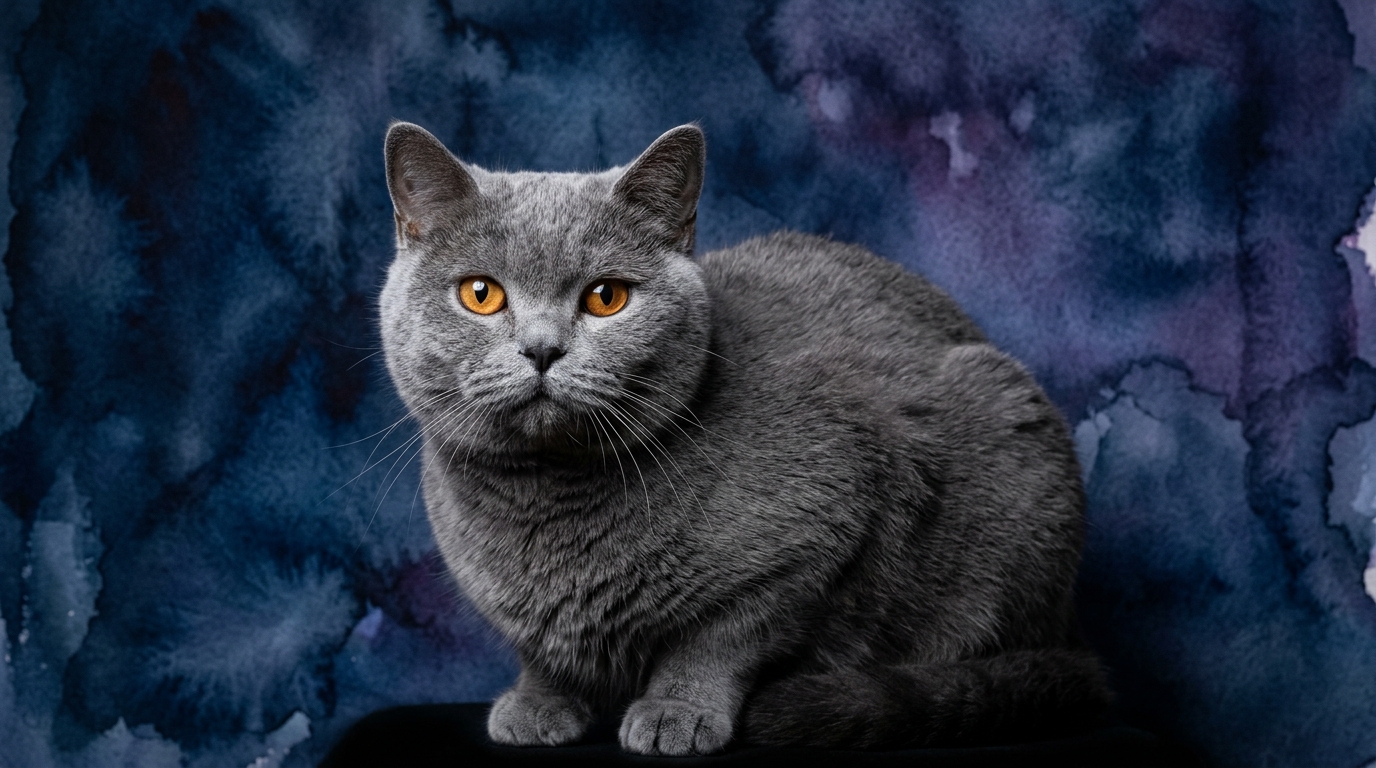
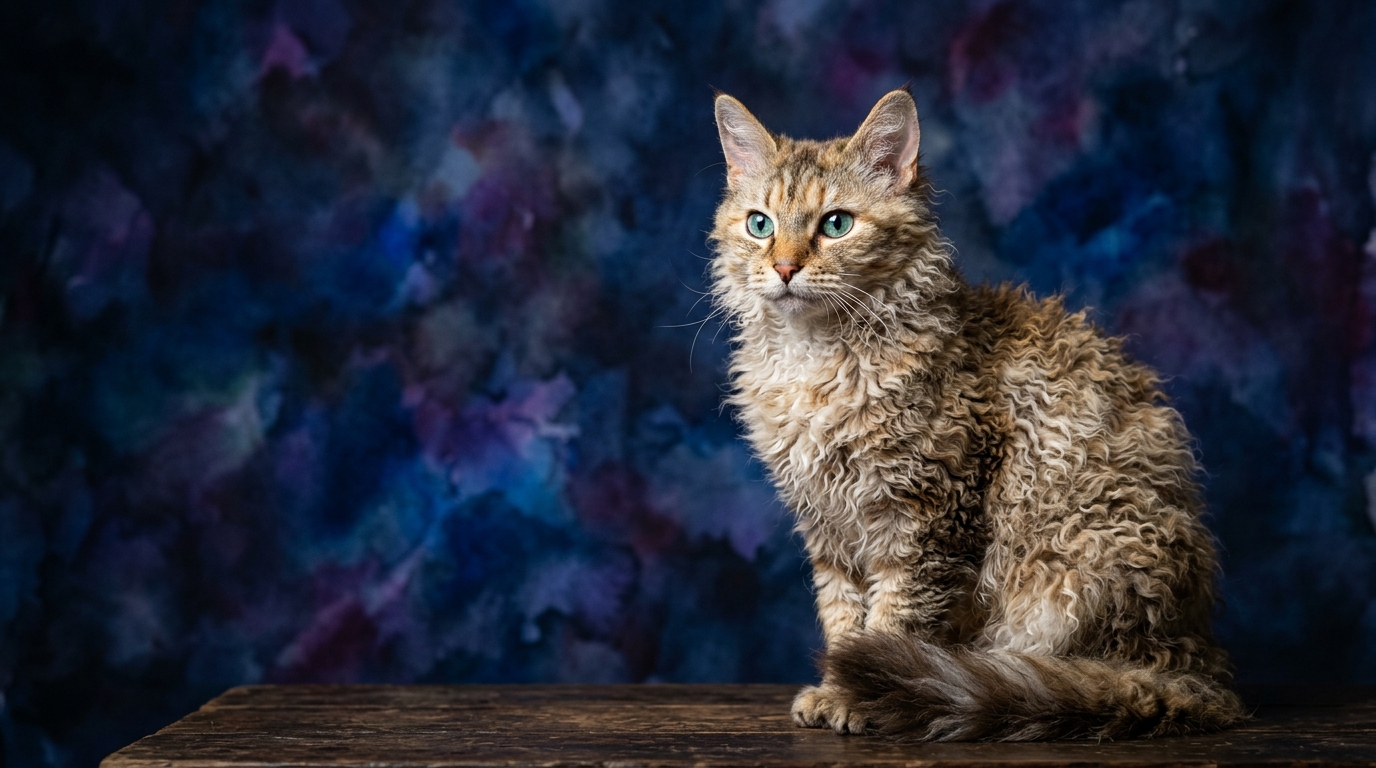
Side-by-Side IQ Profile: British Shorthair vs. LaPerm
For the British Shorthair, a 3/5 in problem-solving often manifests as a deliberate, thoughtful approach. They might observe a puzzle for a period, weighing options before committing to a solution, often preferring efficiency over frantic trial and error. Their solutions are frequently geared towards achieving comfort or access to desired resources with minimal fuss. In contrast, the LaPerm's 3/5 in problem-solving is characterized by an eager, hands-on, and often playful experimentation. They are more inclined to use their paws and quick wit to manipulate objects, driven by an innate curiosity and a desire to interact with their environment. Their approach might be less measured but more persistent, rapidly trying different methods until success is achieved.
The British Shorthair's 3/5 in training speed indicates they are certainly capable learners, but their independent and dignified nature means they respond best to patient, positive reinforcement tailored to their preferences. They may not be quick to perform tricks on command, but once a behavior is understood and deemed beneficial, it's often retained reliably. For the LaPerm, a 3/5 in training speed reflects their eagerness to engage and their people-oriented disposition. They tend to pick up new commands and routines with enthusiasm, often motivated by the interactive aspect of training and the opportunity for treats or play. Their curious and active minds can sometimes lead to distractions, but their desire to please their human companions generally makes for a receptive student.
A British Shorthair's 3/5 in social intelligence is expressed through subtle observation and a quiet understanding of household dynamics. They are attuned to their owner's moods and routines, offering comfort through their calm presence rather than overt displays. They respect personal space while still forming deep, affectionate bonds, demonstrating their social awareness through quiet companionship. The LaPerm, with the same 3/5 score, showcases their social intelligence more overtly. They are highly responsive to human emotions, often actively seeking out interaction, comfort, or play based on their perception of their owner's state. Their empathetic nature and desire to be involved in family life mean they are adept at reading cues for engagement and affection, making them highly interactive companions.
The British Shorthair's 3/5 in instinctive drive typically involves a moderate and controlled expression of their natural predatory instincts. They enjoy quiet stalking games with toys, pouncing with precision rather than sustained, high-energy chases. Their drive is often satisfied with short, focused play sessions, reflecting a balanced approach to their innate hunting behaviors. For the LaPerm, a 3/5 in instinctive drive is characterized by a more active and playful manifestation. They possess a robust curiosity and a strong desire to explore, climb, and 'hunt' interactive toys. Their drive often translates into enthusiastic play sessions, a keen interest in their surroundings, and an inclination to investigate new objects, showcasing a vibrant engagement with their environment.
Both breeds score 3/5 in memory, yet the application differs. The British Shorthair's memory is robust for routines, preferred resting spots, and the individuals who provide consistent comfort and care. They remember positive and negative interactions, influencing their future responses and trust levels. This contributes to their predictable and stable demeanor. The LaPerm's memory is equally strong, particularly when it comes to remembering games, favored toys, and the people who engage them most frequently. They recall learned behaviors, social cues, and the outcomes of their playful explorations, which fuels their ongoing curiosity and strengthens their interactive bonds with their human family.
Where the British Shorthair Wins Cognitively
While both breeds possess a balanced cognitive profile, the British Shorthair often demonstrates a particular strength in sustained, independent problem-solving when the task requires patience and observation. Their unhurried nature allows them to process information without immediate pressure, leading to well-considered solutions for challenges like opening a treat puzzle or navigating complex household layouts to find a comfortable, quiet spot. This breed excels when allowed to ponder and execute solutions on their own terms, making them adept at tasks that benefit from a calm, methodical approach rather than impulsive action. Their social intelligence, while subtle, also allows them to provide a uniquely comforting and stable presence, understanding an owner's need for quiet companionship without demanding constant attention, a cognitive strength in nuanced emotional support.
Where the LaPerm Wins Cognitively
The LaPerm's cognitive strengths shine brightest in scenarios demanding adaptability, curiosity, and interactive engagement. Their eager problem-solving, though rated the same 3/5, is more about active exploration and rapid trial-and-error, making them exceptionally good at quickly figuring out new toys, navigating novel environments, or engaging in complex interactive games. Their social intelligence, also a 3/5, manifests as a proactive desire to connect and communicate, making them highly responsive to human cues and excellent at initiating playful or comforting interactions. This breed often excels at learning through play and demonstrating an impressive ability to remember complex sequences of actions or games, thriving in environments where their inquisitive nature is regularly stimulated and rewarded by human participation.
Which is Easier to Train and Why
When considering ease of training, the LaPerm often presents a more receptive student, primarily due to their people-oriented nature and inherent curiosity. Their strong social intelligence and desire for interaction mean they are often eager to please and highly motivated by positive reinforcement, especially when it involves play or treats from their favorite humans. They tend to pick up commands and tricks with enthusiasm, making clicker training or teaching simple commands a rewarding experience. In contrast, while British Shorthairs possess a 3/5 in training speed, their independent streak means they require a more patient and consistent approach. They will learn, but they are less likely to perform on command simply for the sake of attention. Training a British Shorthair often involves making the desired behavior inherently rewarding for them, such as teaching them to come for a favorite meal or a quiet cuddle, rather than expecting a 'show' of learned skills. Their retention is strong once they grasp a concept, but their motivation must align with their calm, dignified temperament.
Which Suits Active Owners vs. Relaxed Owners
For owners with an active lifestyle who enjoy interactive play and a feline companion keen to participate in household activities, the LaPerm is an ideal match. Their robust instinctive drive and curious problem-solving style mean they thrive on mental and physical stimulation, enjoying puzzle toys, interactive games, and opportunities to explore. They are often found 'helping' with chores or observing from a high perch, eager to be part of the action. Their social intelligence makes them excellent companions for owners who enjoy frequent engagement and conversation with their pets. Conversely, the British Shorthair is perfectly suited for more relaxed owners who appreciate a calm, dignified, and independent companion. While they enjoy play, their sessions are typically less intense and shorter-lived. Their subtle social intelligence and moderate instinctive drive mean they are content to observe and offer quiet companionship, often choosing to nap nearby or follow their owner discreetly. They thrive in serene environments where their calm demeanor is valued, providing comfort without demanding constant attention or high-energy engagement.
The Verdict
Choose the British Shorthair if you seek a calm, dignified companion whose intellect is expressed through thoughtful observation and quiet, independent problem-solving, thriving in a peaceful home.
Opt for the LaPerm if you desire an inquisitive, interactive feline whose intelligence shines through playful experimentation and a proactive desire for social engagement and mental stimulation.
🧠 Find Your Pet's IQ Score
Our Pet IQ Lab assessment covers 25+ tests across 5 cognitive dimensions — personalized to your breed.
Take the Full IQ Test →Frequently Asked Questions
Do British Shorthairs and LaPerms learn at the same pace?
While both breeds score 3/5 in training speed, LaPerms often appear to learn faster in interactive settings due to their eagerness to engage, whereas British Shorthairs learn reliably but require more patience and internal motivation.
Which breed is better at adapting to new environments?
The LaPerm's higher curiosity and active problem-solving style often make them more adaptable to new environments, as they are keen to explore and interact. British Shorthairs adapt well but prefer a more gradual and predictable introduction to change.
How do their problem-solving skills differ in practice?
British Shorthairs tend to be methodical observers, solving puzzles with deliberate actions, while LaPerms are more experimental and hands-on, quickly trying various approaches driven by their playful curiosity.