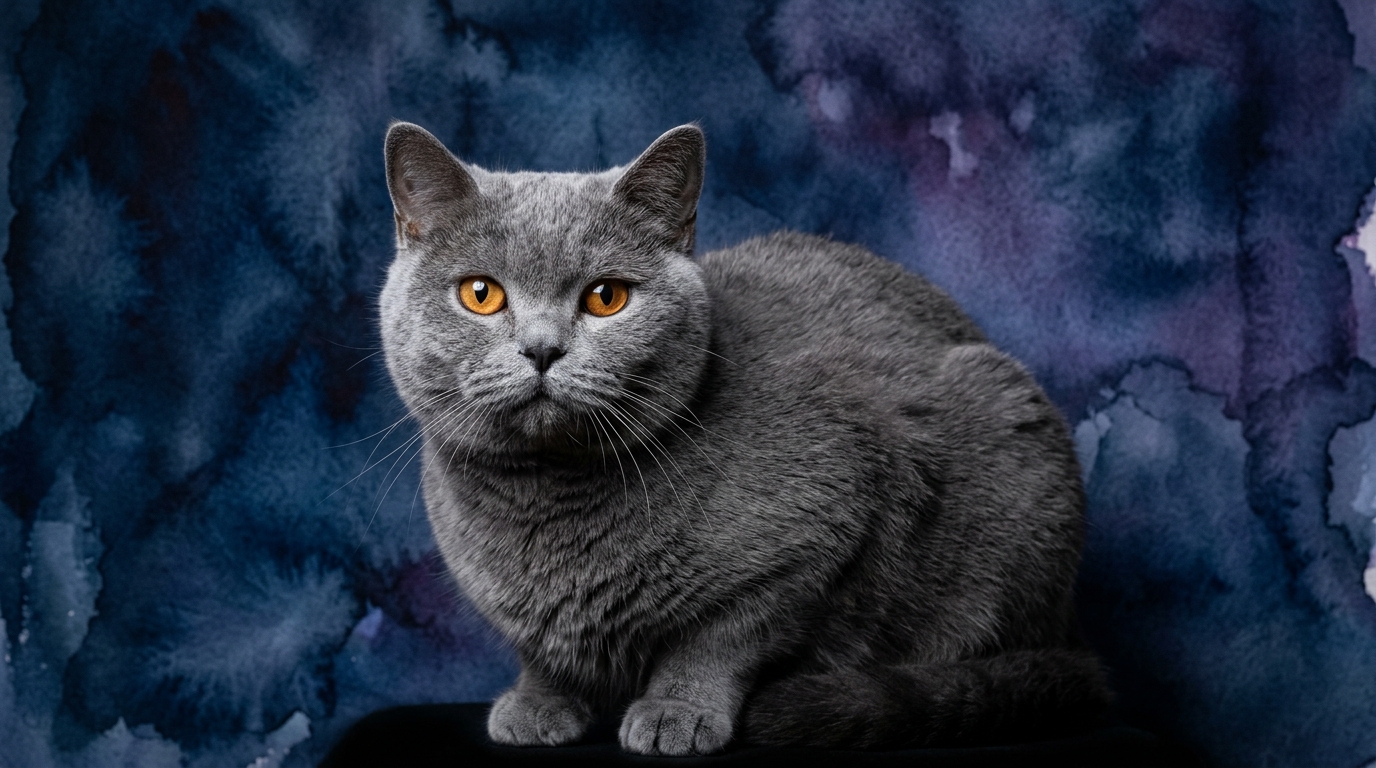
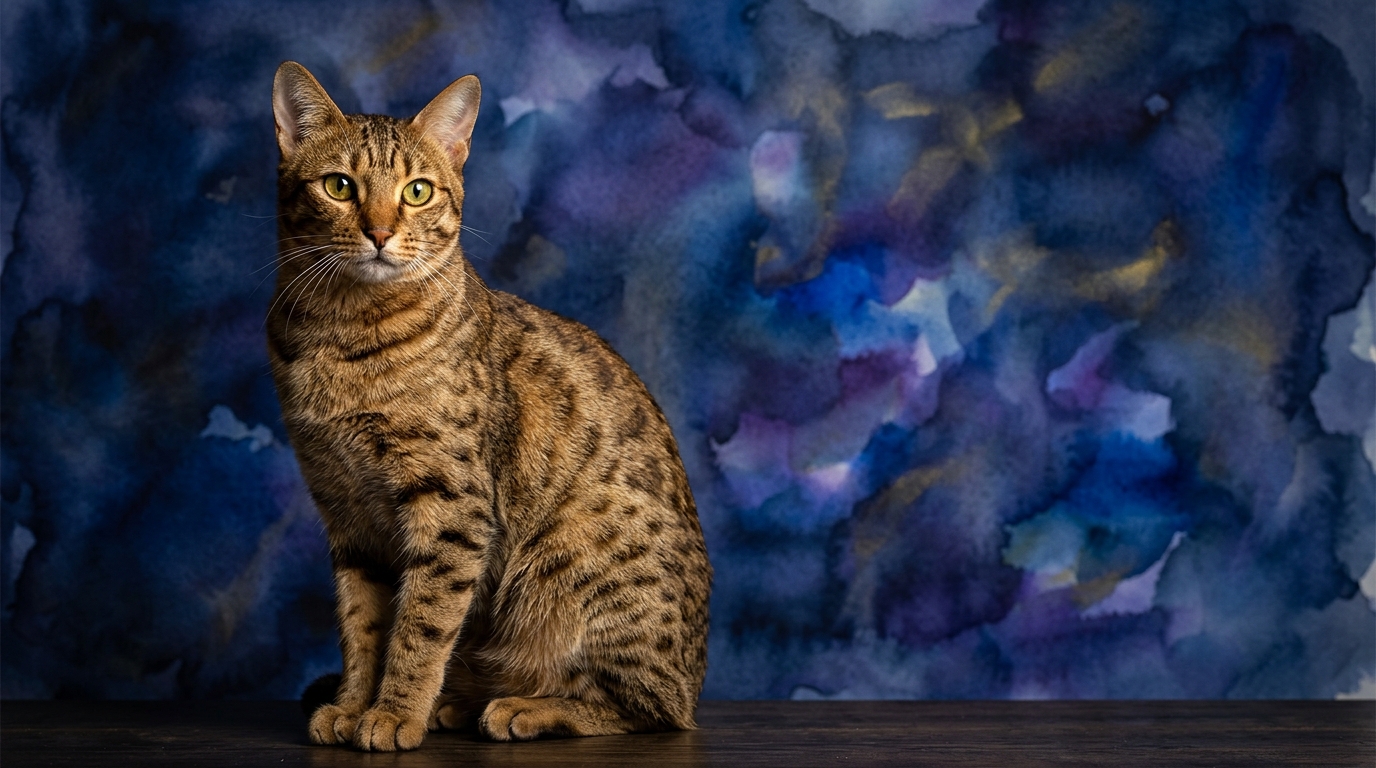
Side-by-Side IQ Profile: British Shorthair vs. Ocicat
The Cosmic Pet Pet IQ Lab provides a fascinating framework for comparing feline cognitive abilities across five key dimensions. For the British Shorthair, we observe a consistent moderation across the board, reflecting a balanced yet reserved intellect. Their Problem Solving is rated at 3/5, indicating an ability to navigate familiar challenges and figure out routine puzzles, often through a steady, methodical approach rather than immediate, inventive leaps. Training Speed also sits at 3/5; they learn at a moderate pace, requiring patience and consistency from their human instructors, responding well to positive reinforcement but not always picking up complex cues with lightning speed. Social Intelligence, at 3/5, points to an observant but not overtly demonstrative cat, understanding household dynamics and individual moods without necessarily seeking constant, intense interaction. Their Instinctive Drive, also 3/5, suggests a moderate interest in play that mimics hunting, enjoying gentle sessions but not being intensely driven by predatory urges. Finally, their Memory, at 3/5, means they reliably recall routines, people, and boundaries, retaining information about pleasant and unpleasant experiences without an expansive recall for intricate details.
In contrast, the Ocicat presents a more active and engaged cognitive profile. Their Problem Solving scores 4/5, signifying a keen aptitude for exploration and manipulation, often finding creative and persistent solutions to environmental challenges. They are not easily deterred and possess a strong drive to achieve their goals. The Ocicat's Training Speed is notably higher at 5/5, making them exceptionally quick to learn new commands and tricks, thriving on mental stimulation and often enjoying the very process of training itself. Social Intelligence, rated at 4/5, highlights their high attunement to human emotions and intentions; they actively seek interaction and participate in complex social dynamics within the household, often initiating engagement. Their Instinctive Drive, at 4/5, reflects a robust prey drive and natural athleticism, making them enthusiastic participants in interactive play that simulates hunting scenarios and requiring outlets for this innate energy. Their Memory, also 4/5, allows for excellent recall of learned behaviors, people, and environmental layouts, enabling them to remember complex sequences and respond accordingly.
Where the British Shorthair Wins Cognitively
While the Ocicat often showcases a more outwardly dynamic intellect, the British Shorthair's cognitive profile, characterized by consistent 3/5 scores, offers distinct advantages for specific living situations. Their moderate Instinctive Drive (3/5) means they are generally less prone to expressing frustration or engaging in destructive behaviors if their environment isn't constantly providing intense, hunting-style stimulation. This placid nature can be a significant benefit for owners who prefer a less demanding companion, one less inclined to scale curtains or relentlessly 'hunt' household items out of boredom. Furthermore, their 3/5 Social Intelligence, often manifesting as a dignified reserve, allows them to observe and understand household dynamics and their human companions without requiring constant, high-energy interaction. They are present, aware, and engaged in their own quiet way, offering a comfortable balance of companionship and independence that many owners deeply appreciate. This predictability and calm presence, stemming from their balanced cognitive traits, can foster a remarkably serene home environment.
Where the Ocicat Wins Cognitively
The Ocicat's higher cognitive scores paint a picture of a remarkably engaged and adaptable feline, excelling in areas that demand mental agility and interactive participation. Their 5/5 Training Speed is a standout, indicating an exceptional capacity for learning and a genuine enthusiasm for engaging in structured activities with their human companions. This rapid acquisition of knowledge reflects a flexible and eager mind, always ready for a new challenge and quick to form associations. Their 4/5 Problem Solving ability means they are not easily deterred by obstacles; they will often approach challenges with persistence and creativity, finding novel ways to access desired objects or navigate complex environments. This drive, combined with a robust 4/5 Memory, allows them to build a comprehensive mental map of their world, recalling intricate sequences of actions or events with impressive accuracy. Lastly, their elevated 4/5 Social Intelligence makes them highly interactive and responsive, often initiating engagement, seeming to 'read' the moods and intentions of their human companions, and actively participating in the social fabric of the home with surprising accuracy and depth.
Which is Easier to Train, and Why?
When considering ease of training, the Ocicat undeniably holds an advantage due to its impressive 5/5 Training Speed. This high rating isn't merely a numerical value; it reflects a breed that genuinely enjoys the process of learning and actively seeks engagement through structured activities. Ocicats often pick up clicker training, leash walking, and even complex agility courses with remarkable swiftness, driven by their innate curiosity and a strong desire for interaction. They thrive on mental challenges and respond enthusiastically to positive reinforcement, quickly forming associations between actions and rewards. This makes them highly receptive to learning a wide repertoire of commands and tricks, often surprising owners with their capabilities.
In contrast, the British Shorthair, with a 3/5 Training Speed, requires a more patient, consistent, and routine-oriented approach. While certainly capable of learning basic commands and good house manners, they are less inclined to embrace training as a form of enthusiastic play or a primary source of mental stimulation. Their learning curve is steadier, and owners need to be prepared for repetition and a less overtly eager response. Training a British Shorthair often focuses on establishing predictable routines and gentle reinforcement rather than teaching an extensive list of complex tricks. The Ocicat's higher Instinctive Drive (4/5) also contributes to its trainability, as their energy can be more readily channeled into constructive activities, making them inherently more receptive to direction and eager to participate in engaging tasks.
Which Suits Active Owners vs. Relaxed Owners?
For owners with an active lifestyle who enjoy interactive play and mental stimulation, the Ocicat is an ideal match. Their 4/5 Instinctive Drive means they require regular outlets for their energy, thriving on games that mimic hunting, puzzle toys that challenge their 4/5 Problem Solving skills, and consistent training sessions that leverage their 5/5 Training Speed. An Ocicat will actively seek engagement and can become bored or restless without sufficient interaction and mental challenges, making them a perfect companion for someone who is willing to dedicate significant time to play, training, and enrichment activities. They are often described as 'dog-like' in their desire for interaction and participation.
Conversely, the British Shorthair is better suited for individuals or families who prefer a more relaxed and predictable home environment. Their moderate 3/5 scores across all cognitive dimensions mean they are content with a calmer pace of life. While they appreciate gentle play and affection, they do not demand constant entertainment or intense mental challenges. Their consistent Memory and moderate Social Intelligence allow them to integrate seamlessly into a quiet routine, offering a comforting, independent presence without overwhelming demands for constant stimulation. They are masters of quiet companionship, perfectly content to observe and be near their people without needing to be the center of attention or engaged in high-energy antics.
The Verdict
Choose a British Shorthair if you seek a calm, dignified companion content with a predictable routine and moderate interaction. They offer a comforting, independent presence without demanding constant mental or physical engagement, fitting well into quieter households.
Opt for an Ocicat if you desire an interactive, highly trainable, and mentally agile feline partner who thrives on engagement, challenges, and an owner willing to provide consistent stimulation and play.
🧠 Find Your Pet's IQ Score
Our Pet IQ Lab assessment covers 25+ tests across 5 cognitive dimensions — personalized to your breed.
Take the Full IQ Test →Frequently Asked Questions
Are British Shorthairs difficult to train?
British Shorthairs are not difficult to train, but they require patience and consistency due to their moderate training speed (3/5). They respond best to positive reinforcement and routine, typically excelling at basic commands and house manners rather than complex tricks.
Do Ocicats need a lot of attention?
Ocicats do thrive on attention and engagement, largely due to their high social intelligence (4/5) and strong instinctive drive (4/5). They enjoy interactive play and mental challenges, benefiting from an owner who can dedicate time to play, training, and companionship to keep them stimulated.
How do their problem-solving skills differ in everyday life?
A British Shorthair (3/5 problem-solving) might consistently try the same method to open a treat puzzle, eventually succeeding through repetition and familiar action. An Ocicat (4/5 problem-solving), however, is more likely to experiment with different approaches and manipulate the puzzle in novel ways to achieve its goal more quickly, often displaying more inventive strategies.