Side-by-Side IQ Profile: Unpacking the '3/5'
On paper, both the British Shorthair and the Selkirk Rex present an identical cognitive profile: Problem Solving 3/5, Training Speed 3/5, Social Intelligence 3/5, Instinctive Drive 3/5, and Memory 3/5. This uniformity might suggest little difference, yet in the rich tapestry of feline behavior, these identical scores manifest through distinct temperaments, offering unique insights into how each breed navigates its world. A '3/5' indicates a competent, capable level of intelligence, not extraordinary, but certainly not lacking, capable of learning and adapting within typical domestic environments.
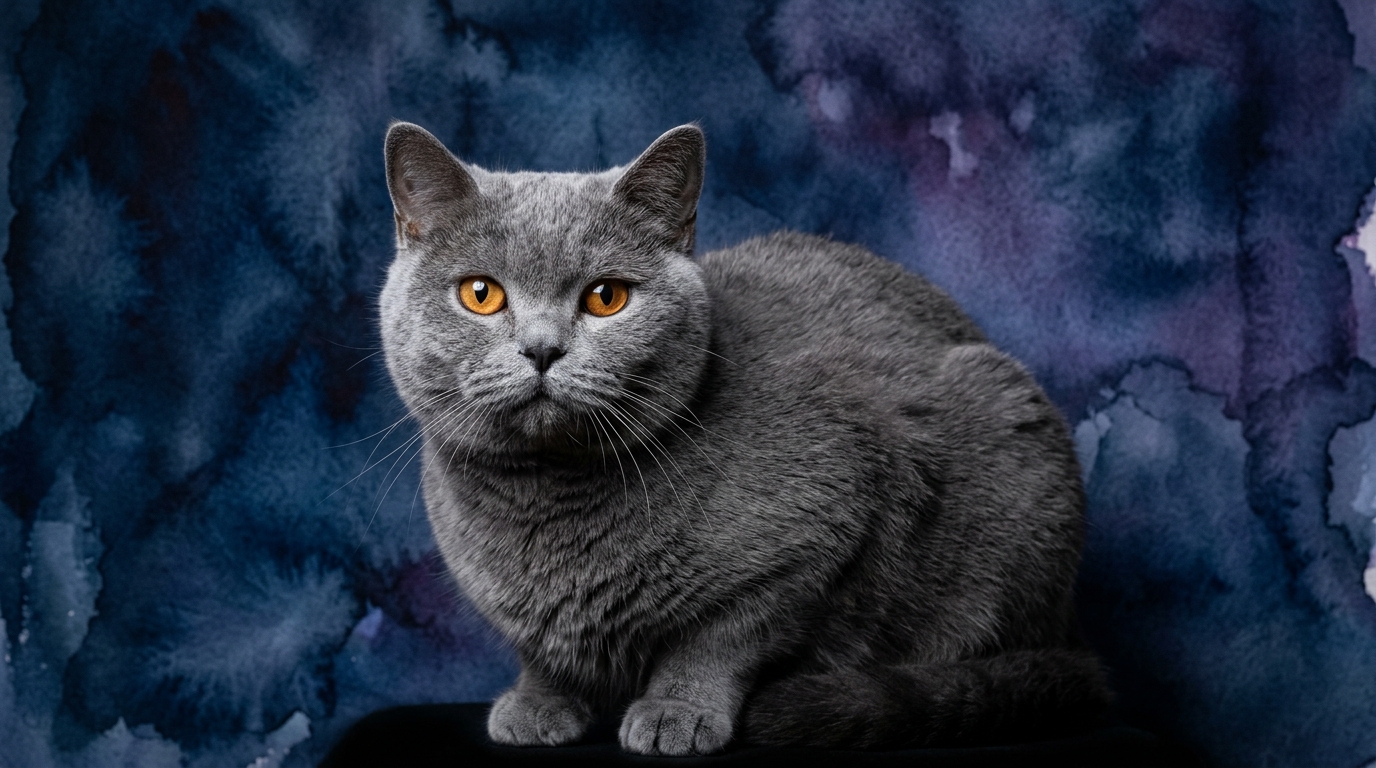
For the British Shorthair, a Problem Solving score of 3/5 often translates into a methodical, observational approach. They are not prone to frantic attempts but rather watch, assess, and then act, often with a quiet determination to achieve their goal, whether it's navigating a new space or figuring out a simple puzzle toy. Their Training Speed at 3/5 means they are receptive to consistent, calm instruction, learning routines and boundaries effectively, though they may not be motivated by complex trick training. Social Intelligence at 3/5 for a British Shorthair manifests as a discerning understanding of their chosen human companions; they read subtle cues for affection or space, preferring quiet companionship over constant interaction. Their Instinctive Drive, also 3/5, is a healthy balance, enjoying quiet play sessions that mimic hunting without being overly demanding, and their Memory at 3/5 ensures they recall routines, preferred people, and established household rules with reliability.
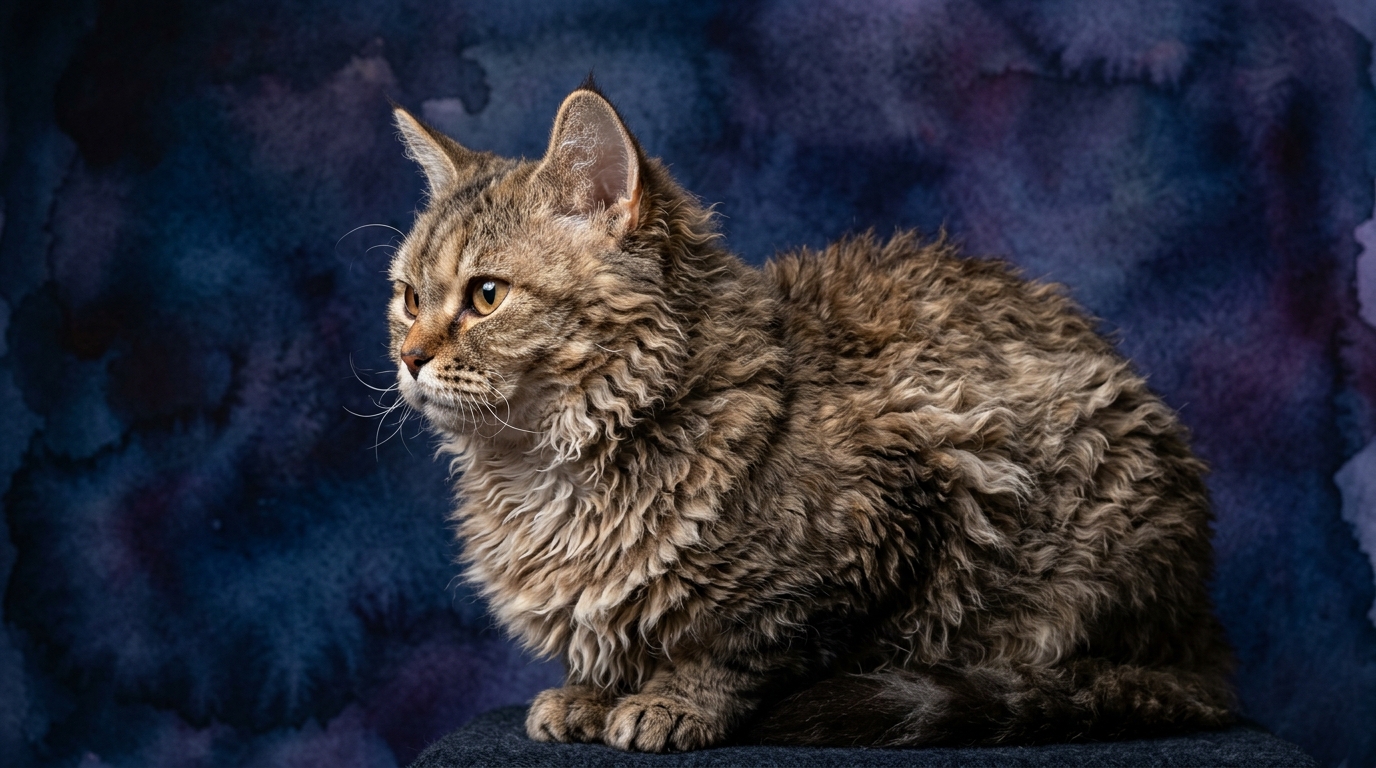
The Selkirk Rex, with the same 3/5 scores, expresses these capacities with a distinctly different flair, largely influenced by their 'dog-like' and affectionate temperament. Their 3/5 Problem Solving often involves a more hands-on, curious exploration; they might try various approaches to a puzzle, driven by an innate desire to interact and discover. A Training Speed of 3/5 in a Selkirk Rex means they are often eager to please and enjoy the interactive process of learning, making training sessions feel more engaging and responsive, particularly with positive reinforcement. Social Intelligence at 3/5 for this breed is overtly expressed; they actively seek out interaction, read human emotions for opportunities to cuddle or play, and integrate well into multi-pet households. Their Instinctive Drive, rated 3/5, is often channeled into playful, interactive games that involve chasing and batting, showcasing a lively engagement with their environment. Finally, their Memory at 3/5 means they remember favorite games, tricks, and the individuals who provide the most rewarding interactions, contributing to their highly social nature.
Where British Shorthair Wins Cognitively
Despite identical numerical scores, the British Shorthair exhibits cognitive strengths rooted in its composed and self-possessed nature. Their Problem Solving, while not rapid-fire, is often marked by a thoughtful, deliberate process. They excel in situations requiring patience and observation, perhaps taking longer to 'solve' a situation but doing so with minimal wasted effort, demonstrating a quiet efficiency. This methodical approach can be a cognitive advantage in maintaining a calm household dynamic.
The British Shorthair's Social Intelligence, though reserved, allows for a profound, nuanced understanding of their immediate human family. They possess an astute ability to gauge moods and know when to offer quiet comfort or when to maintain a respectful distance. This discerning social cognition means they are less prone to separation anxiety and are content with their own company for periods, making them cognitively well-suited for owners who appreciate a less demanding, yet deeply connected, companion. Their strong Memory for routines and boundaries also contributes to a stable home environment, as they quickly internalize and adhere to established household norms, requiring less re-teaching.
Where Selkirk Rex Wins Cognitively
The Selkirk Rex's cognitive strengths shine through its vivacious and interactive personality, making its 3/5 scores feel more dynamic. Their Problem Solving is often fueled by an insatiable curiosity and a willingness to try different approaches, making them adept at exploring new environments or engaging with novel toys. This exploratory problem-solving style means they are often the first to investigate a new object or situation, demonstrating a proactive engagement with their surroundings.
The Selkirk Rex's Social Intelligence, while numerically similar, manifests as a more overt and expansive desire for interaction. They are highly attuned to human attention and actively seek engagement, making them particularly skilled at eliciting play or affection. This strong social drive means they often excel in multi-pet households or with owners who enjoy constant interaction, using their cognitive abilities to 'charm' their way into laps and games. Their excellent Memory for positive interactions and learned behaviors, coupled with their eagerness, means they often appear to 'pick up' new things quickly, driven by the reward of human connection.
Which is Easier to Train and Why
Both breeds hold a 3/5 score in Training Speed, indicating a moderate capacity for learning, yet their underlying motivations and temperaments influence the ease and style of training. The British Shorthair is receptive to training that is consistent, calm, and respects their independent nature. They respond well to clear boundaries and positive reinforcement, particularly when it reinforces a desired routine. Teaching them to use a scratching post or stay off counters is often successful through patient repetition, as they value predictability and a harmonious home.
The Selkirk Rex, while sharing the same Training Speed score, can often feel 'easier' to train for certain tasks due to their inherent eagerness to please and high social drive. Their playful nature makes them excellent candidates for clicker training and learning tricks, as they view these sessions as another form of interactive play and attention. They are highly motivated by praise and connection, which can accelerate the learning process for behaviors that involve engagement, like recall or even walking on a leash, making them a joy for owners who enjoy active participation in their cat's cognitive development.
Which Suits Active Owners vs. Relaxed Owners
The distinction between these two breeds, despite their identical IQ scores, becomes particularly clear when considering owner lifestyle. The Selkirk Rex is an ideal companion for active owners who thrive on interaction and enjoy engaging their pets in various activities. Their high social intelligence and playful instinctive drive mean they appreciate owners who are willing to play interactive games, teach new tricks, and provide consistent mental and physical enrichment. They are often described as 'dog-like' in their desire for companionship and can adapt well to owners who want a cat that is an integral, active part of family life, even enjoying outings or harness training.
Conversely, the British Shorthair is perfectly suited for relaxed owners who appreciate a calm, dignified presence and a less demanding companion. Their methodical problem-solving and reserved social intelligence mean they are content with periods of quiet observation and independent play. While they enjoy affection, they do not constantly demand attention and are masters of self-entertainment, finding comfort in established routines and a peaceful environment. For owners seeking a serene, steadfast companion who offers deep, unhurried affection and requires less constant energetic engagement, the British Shorthair is an exemplary choice.
The Verdict
Choose the British Shorthair if you seek a calm, observant companion who appreciates quiet routines and forms deep, discerning bonds, thriving in a predictable, serene environment.
Opt for the Selkirk Rex if you desire a playful, highly interactive cat eager for engagement, learning, and social adventures, thriving on consistent attention and enrichment.
🧠 Find Your Pet's IQ Score
Our Pet IQ Lab assessment covers 25+ tests across 5 cognitive dimensions — personalized to your breed.
Take the Full IQ Test →Frequently Asked Questions
Do identical IQ scores mean identical personalities?
No, identical numerical scores on a cognitive scale indicate similar *potential* across dimensions, but breed-specific temperaments shape how these abilities manifest, leading to distinct behavioral expressions. The British Shorthair's calm nature and the Selkirk Rex's playful spirit demonstrate this perfectly.
How does social intelligence differ between these two breeds with the same score?
While both score 3/5, the British Shorthair's social intelligence often manifests as reserved observation and deep, selective bonds, whereas the Selkirk Rex expresses it through overt affection and a strong desire for broad interaction. One is quietly discerning, the other openly engaging.
Can a British Shorthair or Selkirk Rex be taught tricks?
Both breeds can learn tricks, scoring 3/5 in training speed; the Selkirk Rex might show more enthusiasm due to its playful nature and desire for interaction, while the British Shorthair responds well to patient, routine-based instruction, particularly when rewards are consistent.