
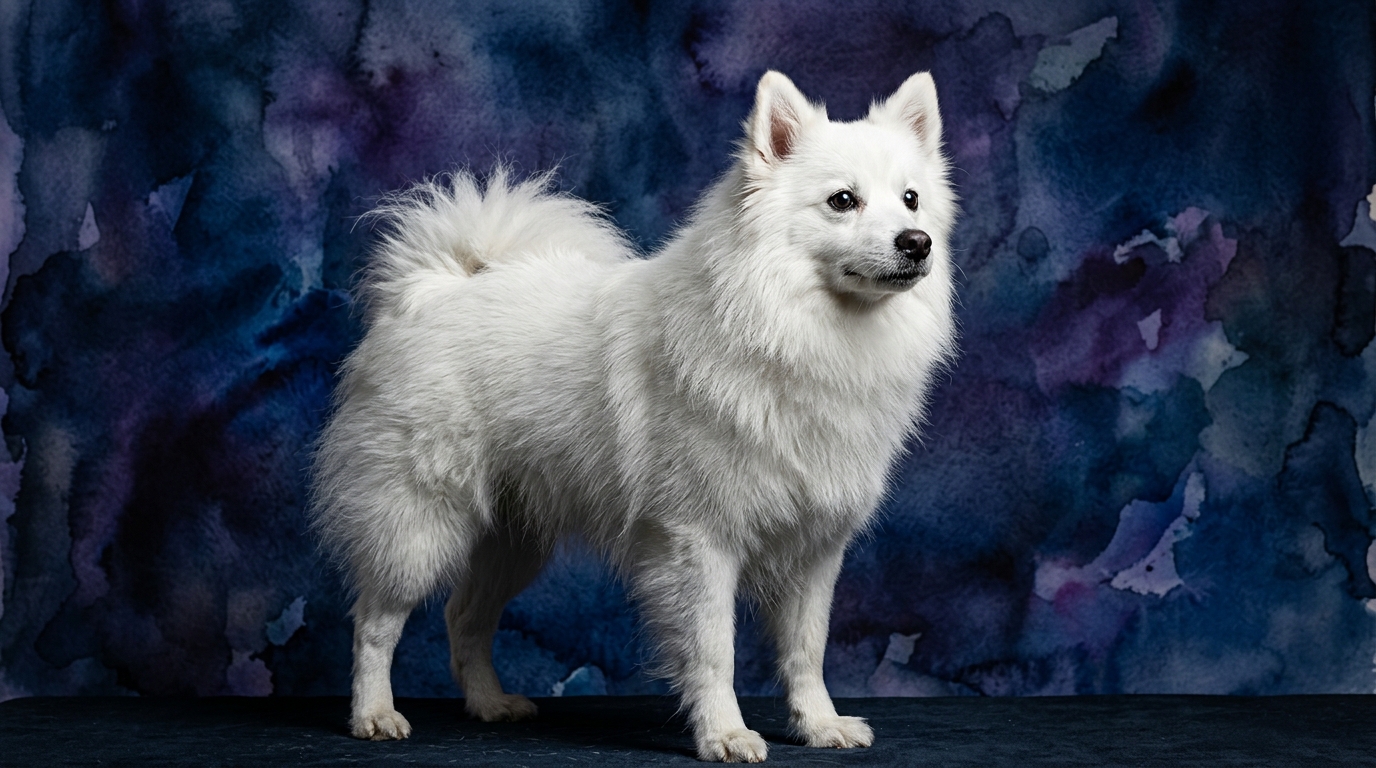
Side-by-Side IQ Profile: Brittany vs. American Eskimo Dog
The Cosmic Pet Pet IQ Lab employs a five-dimensional framework to assess canine intelligence, offering a nuanced view beyond simple obedience. Here's how the Brittany and American Eskimo Dog stack up:
**Brittany (Sporting Group, Coren Rank #19):**
**Problem Solving (4/5):** Adept at navigating complex tasks and figuring out solutions to environmental challenges, often linked to their hunting heritage. They approach new situations with thoughtful observation.
**Training Speed (4/5):** Quick learners, soaking up new commands and routines with impressive alacrity. Their eagerness to please and focus make them responsive students.
**Social Intelligence (3/5):** They interact competently within their social structures, understanding cues from humans and other dogs, but may not display the most nuanced social manipulation compared to breeds with higher scores.
**Instinctive Drive (3/5):** Possess a moderate but focused drive, particularly for scent work and retrieving, a hallmark of their sporting background. This drive is manageable and channeled well in appropriate activities.
**Memory (5/5):** Exhibit exceptional recall, remembering commands, locations, and learned behaviors over long periods, underpinning their efficiency in repetitive tasks and established routines.
**American Eskimo Dog (Non-Sporting Group, Not Coren-Ranked):**
**Problem Solving (3/5):** Capable of solving straightforward problems, but may require more guidance or repetition for abstract challenges, functioning as practical thinkers within familiar environments.
**Training Speed (3/5):** Learn at a steady pace, responding well to consistent, positive reinforcement. While not as rapid as some, they are certainly trainable and enjoy the mental engagement.
**Social Intelligence (3/5):** Engage effectively in social interactions, understanding basic human intentions and dog-to-dog communication, integrating well into family dynamics.
**Instinctive Drive (3/5):** Possess a moderate drive, often expressed through vocalization, guarding tendencies, or a desire for companionship. This drive is more about vigilance and interaction than specific working tasks.
**Memory (3/5):** Good memory for established routines and familiar commands, but might require more refreshers for less frequently practiced behaviors.
Where the Brittany Wins Cognitively
The Brittany's cognitive profile showcases distinct advantages, particularly in areas demanding independent thought and rapid assimilation of new information. Their Coren rank of #19 among working and obedience dogs underscores a robust capacity for understanding and executing commands, reflecting a high level of working intelligence.
A key area of Brittany's cognitive superiority is in Problem Solving (4/5 compared to the American Eskimo Dog's 3/5). This manifests in their ability to navigate complex environments, such as figuring out how to retrieve a toy from a tricky spot or adapting quickly to new training exercises without extensive human guidance. Their aptitude for independent thinking in the field, crucial for their bird dog heritage, translates into broader cognitive flexibility in various scenarios.
Furthermore, the Brittany's exceptional Memory (5/5 versus the American Eskimo Dog's 3/5) is a significant differentiator. Brittanys retain commands, learned routes, and scent profiles over extended periods, crucial for their original purpose and making them excellent candidates for advanced dog sports requiring intricate memorization. They recall past experiences and apply lessons effectively, allowing for highly efficient and progressive training paths.
Where the American Eskimo Dog Excels Cognitively
While the American Eskimo Dog doesn't outscore the Brittany, their balanced 3/5 profile across dimensions points to a versatile and adaptable mind, well-suited for a companion role. Their social intelligence, though rated the same, often manifests as a deep family bond, fueling their desire to participate in daily life and act as a vigilant presence, making them perceptive to environmental and family dynamic changes. This family-centric cognitive focus allows them to excel in roles requiring attentiveness to their human companions and their immediate surroundings.
Their instinctive drive (3/5) is typically expressed as a strong desire for companionship and vocal communication, rather than a demanding prey drive. This directs their cognitive energy towards interaction and observation within the home. Their steady problem-solving and training speed (both 3/5) mean they are consistent learners thriving on routine and positive reinforcement, reliably trainable for household manners without intense mental stimulation demands. This makes them predictable and enjoyable companions for those seeking a less specialized, yet still capable, canine mind.
Which Is Easier to Train and Why?
The Brittany generally presents as an easier breed to train, primarily due to their superior Training Speed (4/5) and robust Problem Solving (4/5). Their higher training speed means fewer repetitions for new commands and faster progression through obedience. Their strong memory (5/5) reinforces learned behaviors quickly, making retention a strong suit. This, combined with their inherent desire to work, makes them eager and responsive training participants, often picking up complex sequences with relatively few sessions.
In contrast, the American Eskimo Dog, with 3/5 in Training Speed and Problem Solving, offers a good, steady learning pace, requiring more consistency and patience. While trainable and enjoying engagement, their 3/5 memory suggests occasional refreshers are beneficial. They might also display more independent thought or vocalization if not consistently engaged, requiring a deliberate approach focused on positive reinforcement and clear boundaries to solidify behaviors.
Active Owners vs. Relaxed Owners: A Cognitive Match
Brittany owners must be prepared for a lifestyle providing significant mental and physical exercise. Their sporting background means they thrive on activities like hunting, agility, flyball, or long, engaging hikes that challenge their problem-solving and memory. They are not content with just a daily walk; boredom can lead to undesirable behaviors. They need a dedicated owner embracing an active, stimulating routine.
While energetic, the American Eskimo Dog's needs are more manageable for moderately active owners. They enjoy daily walks, play sessions, and mental puzzles, but don't require the intense, structured "work" of a Brittany. They adapt well to a family-centric lifestyle, provided consistent daily engagement, companionship, and social interaction. They are excellent family dogs involved in home life without extreme athletic demands.
The Verdict
Choose the Brittany if you seek a highly responsive, eager-to-please partner for rigorous outdoor activities, dog sports, or hunting, and can commit to extensive mental and physical stimulation.
Opt for the American Eskimo Dog if you desire a loyal, vigilant companion who thrives on family interaction and consistent, positive training, and can provide moderate daily exercise and mental enrichment without needing a dedicated "job."
🧠 Find Your Pet's IQ Score
Our Pet IQ Lab assessment covers 25+ tests across 5 cognitive dimensions — personalized to your breed.
Take the Full IQ Test →Frequently Asked Questions
Is the Brittany suitable for first-time dog owners?
The Brittany's quick learning and eagerness to please make them responsive to training, but their high energy and need for consistent mental stimulation require a dedicated owner. A first-timer prepared for an active lifestyle and committed to training will find them rewarding.
Do American Eskimo Dogs bark a lot?
American Eskimo Dogs can be quite vocal, using barking as a form of communication and a way to alert their families. This is part of their instinctive drive as watchdogs, and while manageable with training, prospective owners should expect a certain level of vocal expression.
What kind of mental exercise benefits a Brittany most?
Brittanys excel with activities that engage their strong memory, problem-solving skills, and scent drive. Field trials, advanced obedience, agility, trick training, and puzzle toys that require strategy are excellent for keeping their minds sharp and preventing boredom.