Side-by-Side IQ Profile
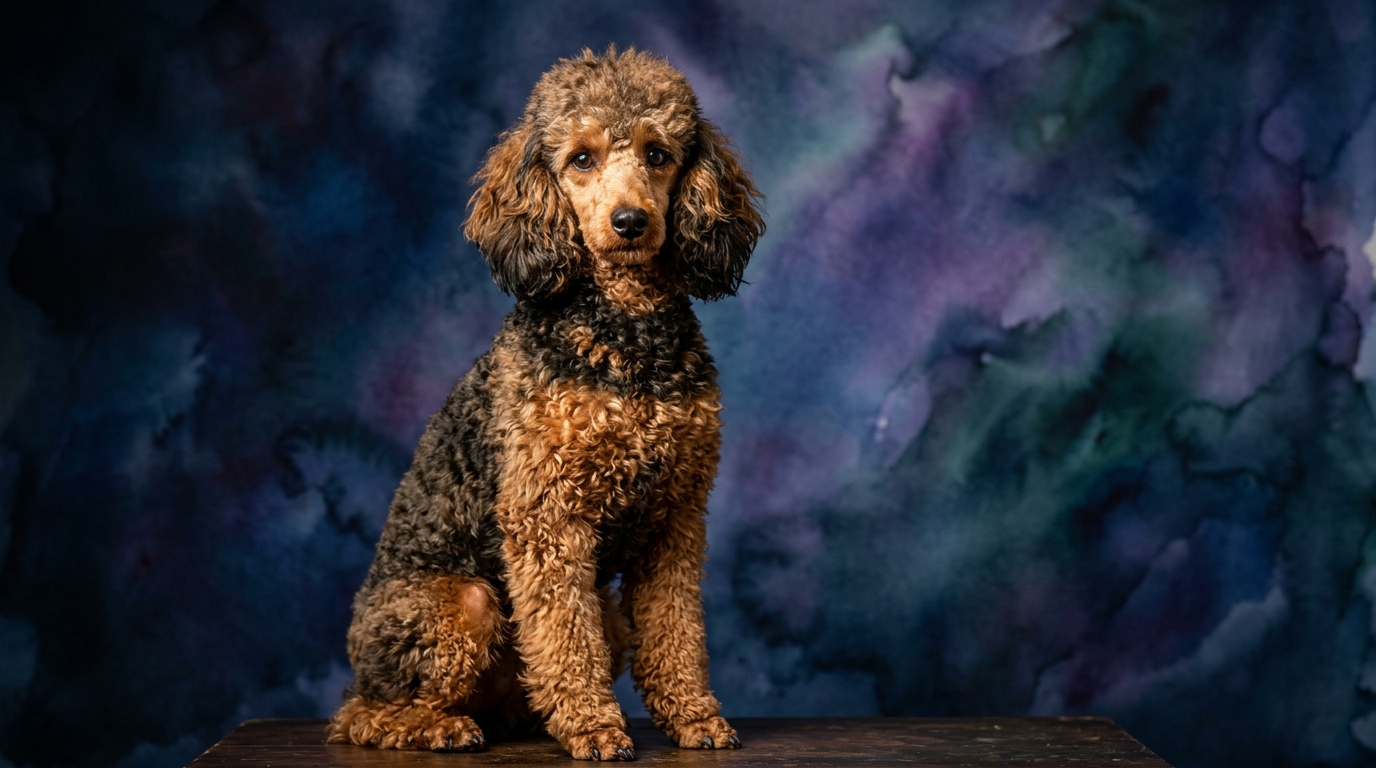
The Cosmic Pet Pet IQ Lab assesses canine intelligence across five key dimensions, providing a nuanced look at how breeds process the world. For the Poodle (Standard), these metrics paint a picture of profound cognitive engagement. Its Problem Solving is rated 5/5, indicating an exceptional capacity to navigate novel challenges and devise solutions independently. Training Speed also scores 5/5, reflecting an extraordinary aptitude for quickly grasping and executing new commands or routines. Social Intelligence, at 5/5, points to a deep understanding of human cues, emotions, and complex social dynamics. Instinctive Drive, while still strong at 4/5, suggests a natural inclination towards engaging with tasks or environmental exploration, though perhaps slightly less relentless than some working breeds. Finally, Memory stands at an impressive 5/5, signifying a lasting retention of learned behaviors and experiences.
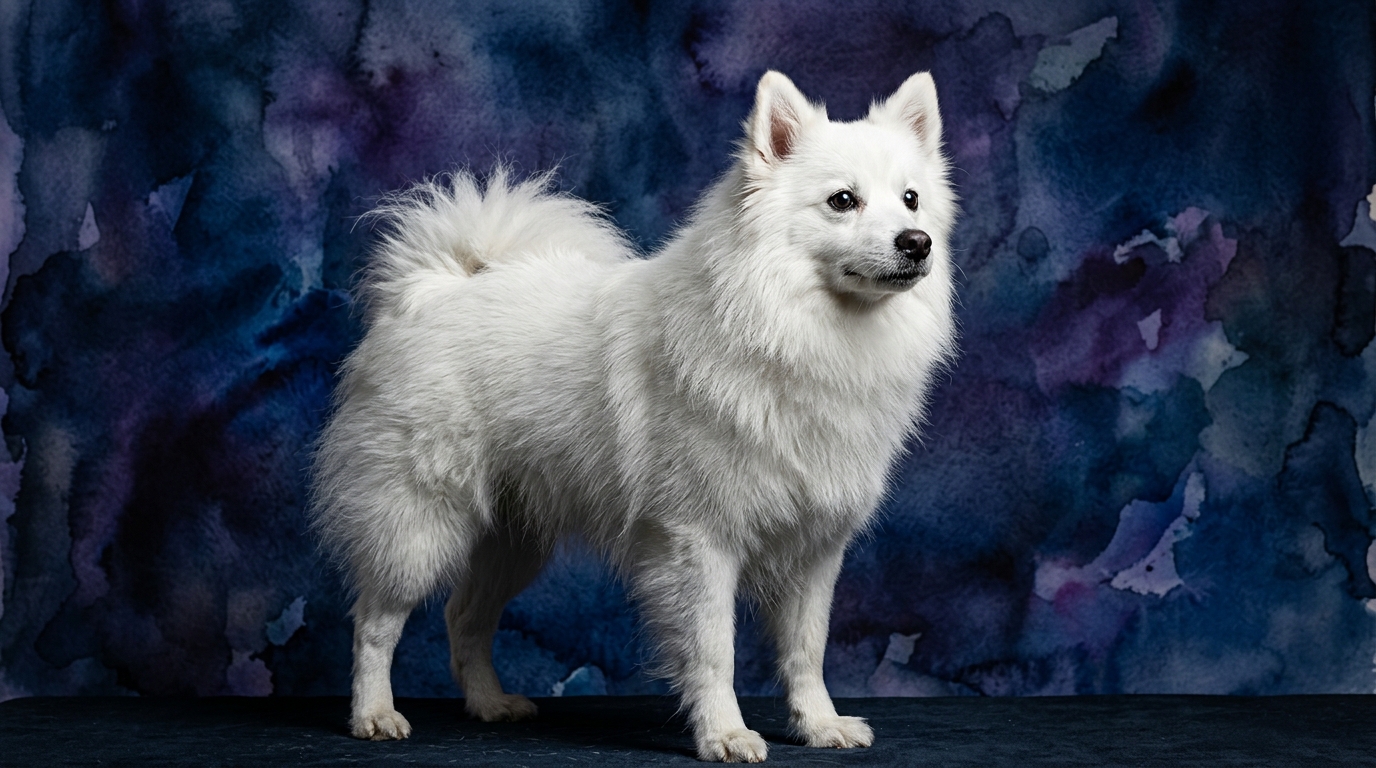
In contrast, the American Eskimo Dog presents a more uniformly moderate cognitive profile across all dimensions. Its Problem Solving capacity is rated 3/5, indicating it can solve common puzzles and learn routines, but may require more guidance or repetition for complex, abstract tasks. Training Speed also sits at 3/5, meaning it is responsive to instruction and can learn effectively, though it typically requires more consistent reinforcement and patience than a Poodle. Social Intelligence, at 3/5, suggests a sufficient ability to interact appropriately within a family setting and understand basic social cues, but it may not interpret subtle human emotions with the same depth as a Poodle. Instinctive Drive, at 3/5, points to a moderate natural curiosity and desire for engagement, without an overwhelming need for constant 'work.' Memory, likewise at 3/5, shows it retains information well enough for daily life and routine commands, but perhaps not with the same intricate detail or for as long as a Poodle might.
Where Poodle (Standard) Wins Cognitively
The Poodle (Standard) consistently demonstrates a cognitive edge across almost every metric, making it a standout in terms of raw intellectual horsepower and adaptability. Its 5/5 Problem Solving capability means it isn't just following commands; it's actively analyzing situations, such as figuring out how to open a child-proof gate or strategizing to retrieve a toy from an inaccessible spot. This translates to a dog that often anticipates next steps and can learn through observation, making it adept at complex tasks like agility courses or service work.
The Poodle's 5/5 Training Speed is another significant cognitive win, allowing it to master new behaviors with remarkable efficiency. This isn't merely about obedience; it reflects a neural plasticity that enables rapid concept formation and association. Coupled with its 5/5 Social Intelligence, the Poodle excels at understanding nuanced human communication, often appearing to read intentions or moods, which fosters a profound connection and responsiveness. Its 5/5 Memory further solidifies these wins, ensuring that once a lesson is learned or a social interaction understood, that knowledge is deeply ingrained and readily accessible, enabling consistent, reliable performance over time.
Where American Eskimo Dog Excels in Suitability
While the American Eskimo Dog's scores are more moderate compared to the Poodle, its cognitive profile offers distinct advantages for owners seeking a companion with a different kind of intellectual engagement. Its 3/5 Instinctive Drive, for instance, means it possesses a healthy curiosity without an overwhelming need to constantly devise its own complex 'jobs.' This can be a significant benefit for owners who appreciate a dog that is content with regular play and walks, rather than one that might become restless or creatively mischievous if not continuously challenged with advanced mental tasks.
The American Eskimo Dog's balanced 3/5 scores across Problem Solving, Training Speed, Social Intelligence, and Memory often translate to a more straightforward and manageable cognitive experience. This breed typically learns at a steady pace, making training a rewarding process focused on clear, consistent communication rather than rapid-fire concept acquisition. Their 3/5 Social Intelligence provides sufficient perceptiveness for harmonious family life without the potential for overthinking social cues or demanding intricate emotional exchanges, which some owners might find less demanding and equally fulfilling. Their memory and problem-solving skills are perfectly adequate for navigating daily routines and learning a wide repertoire of commands, making them capable and dependable companions without the intense mental upkeep a Poodle might require.
Which is Easier to Train and Why
Based on their respective IQ profiles, the Poodle (Standard) is unequivocally easier to train than the American Eskimo Dog, and the reasons are rooted in fundamental cognitive differences. The Poodle's 5/5 Training Speed means it forms associations between commands and actions with remarkable rapidity. Owners often report that Poodles grasp new concepts in just a few repetitions, making advanced obedience, tricks, and even complex multi-step tasks achievable with relative ease. This rapid learning is supported by its 5/5 Problem Solving ability; Poodles aren't just memorizing actions, they're often understanding the underlying intent or purpose, leading to more flexible and reliable responses in varying contexts.
In contrast, the American Eskimo Dog, with its 3/5 Training Speed, requires a more patient and consistent approach. While certainly trainable and capable of learning a wide range of commands, Eskies typically need more repetitions and consistent positive reinforcement to solidify new behaviors. Their 3/5 Problem Solving means they might not independently generalize learned behaviors to new situations as quickly, necessitating more explicit guidance. For instance, a Poodle might quickly adapt a 'stay' command from the living room to a park, while an Eskie might need more specific practice in the new environment. The Eskie's 3/5 Memory also means that without regular reinforcement, some less-practiced commands might fade more quickly than they would for a Poodle. This isn't a deficit in willingness but rather a difference in cognitive processing speed and retention, requiring owners to be more proactive in maintaining training momentum.
Which Suits Active Owners vs Relaxed Owners
The choice between a Poodle (Standard) and an American Eskimo Dog largely hinges on the owner's lifestyle and their capacity for mental engagement with their pet. An active owner, particularly one who enjoys dog sports, advanced obedience, or wants a dog that can participate in complex activities like scent work or therapy roles, will find the Poodle (Standard) to be an exceptional match. Its 5/5 Problem Solving, 5/5 Training Speed, and 5/5 Social Intelligence mean it thrives on mental stimulation and collaborative challenges. A Poodle needs consistent opportunities to use its substantial cognitive abilities; without sufficient mental outlets, it might become bored and invent its own (potentially undesirable) forms of entertainment. This breed is for owners who are prepared to dedicate time daily to training, puzzle toys, and engaging interactions that challenge its sharp mind.
For more relaxed owners, or those seeking a devoted companion without the demanding cognitive needs of a Poodle, the American Eskimo Dog often presents a more suitable option. Its consistent 3/5 scores across the IQ dimensions suggest a dog that is intelligent enough to be a joy to train for foundational obedience and tricks, but does not possess an overwhelming internal drive for constant, advanced mental work. An Eskie will certainly enjoy walks, playtime, and regular interaction, but its moderate Instinctive Drive and Problem Solving capacities mean it's less likely to become frustrated or destructive if it's not constantly learning new, complex tasks. This breed is well-suited for owners who appreciate a clever and affectionate dog that is content with a predictable routine and moderate levels of physical and mental activity, providing companionship without the intense intellectual demands.
The Verdict
Choose the Poodle (Standard) if you are an active owner seeking a highly collaborative partner for advanced training, dog sports, or service work, and are prepared to provide extensive daily mental engagement. Its exceptional cognitive abilities thrive on constant learning and problem-solving.
Opt for the American Eskimo Dog if you desire a clever, affectionate companion that is trainable for general obedience and enjoys regular interaction, but does not require the same intense level of daily mental stimulation as a Poodle.
🧠 Find Your Pet's IQ Score
Our Pet IQ Lab assessment covers 25+ tests across 5 cognitive dimensions — personalized to your breed.
Take the Full IQ Test →Frequently Asked Questions
Do American Eskimo Dogs get bored easily?
American Eskimo Dogs have a moderate Instinctive Drive (3/5) and Problem Solving (3/5), meaning they enjoy mental engagement but are less prone to extreme boredom than breeds with higher cognitive scores. They thrive on consistent routines, regular walks, and interactive play, but don't typically demand the same level of complex, novel challenges daily that a Poodle might.
Is a Poodle (Standard) a good choice for a first-time dog owner?
A Poodle (Standard) can be a good choice for a first-time owner who is committed to consistent training and mental stimulation. Their 5/5 Training Speed and Social Intelligence make them highly responsive, but their profound cognitive capacity also means they require a dedicated owner prepared to channel their intellect constructively from a young age.
How do their social intelligence scores impact living in a family with children?
The Poodle's 5/5 Social Intelligence makes it highly attuned to family dynamics and emotional cues, often excelling in understanding appropriate interactions with children. The American Eskimo Dog's 3/5 Social Intelligence means it is generally good-natured and adapts well to family life, though it might not pick up on subtle child behaviors or emotional shifts with the same acute perceptiveness as a Poodle, requiring more direct supervision to ensure harmonious interactions.